The Stuff No One Grades
A degree gets you past the first filter on a job application, and after that it mostly hangs framed on a wall. The things that decide how a given week goes tend to be smaller and stranger than anything on a transcript. Nobody hands out a certificate for knowing where the water shutoff valve is, or for getting through a hard conversation without making it worse. Here's 20 skills that pay off more often than the diploma does.

1. Negotiating Pay
The first number an employer names is rarely the last one available. Colorado began requiring salary ranges in job postings in 2021 and California followed in 2023, so candidates in those states can see the band before the conversation starts. One successful negotiation keeps compounding through every raise that comes after it.
 Sebastian Herrmann on Unsplash
2. Reading a Lease
Leases get written by the landlord's lawyer, and the clauses that matter are the dull ones about repairs and deposits. Most states cap security deposits and set a deadline for returning them, usually somewhere between two weeks and a month after move-out. Ten minutes with the document beats a year of arguing over it.

3. Cooking Meals From Scratch
USDA figures show Americans have spent more on food away from home than on groceries since around 2010. Five dinners you can make without looking anything up covers most weeknights. Recipes matter less than knowing what to do with whatever is in the fridge.

4. Understanding Compound Interest
Divide 72 by an interest rate and you get roughly how many years it takes money to double. The same math runs in reverse, which is why a credit card balance at 24% spirals the way it does. Compounding tends to introduce itself from the wrong side.

5. Writing a Clear Email
Three sentences that land will get a faster answer than two paragraphs that need a follow-up call. Put the ask in the first line, since a good share of email gets read on a phone and abandoned halfway.
 Glenn Carstens-Peters on Unsplash
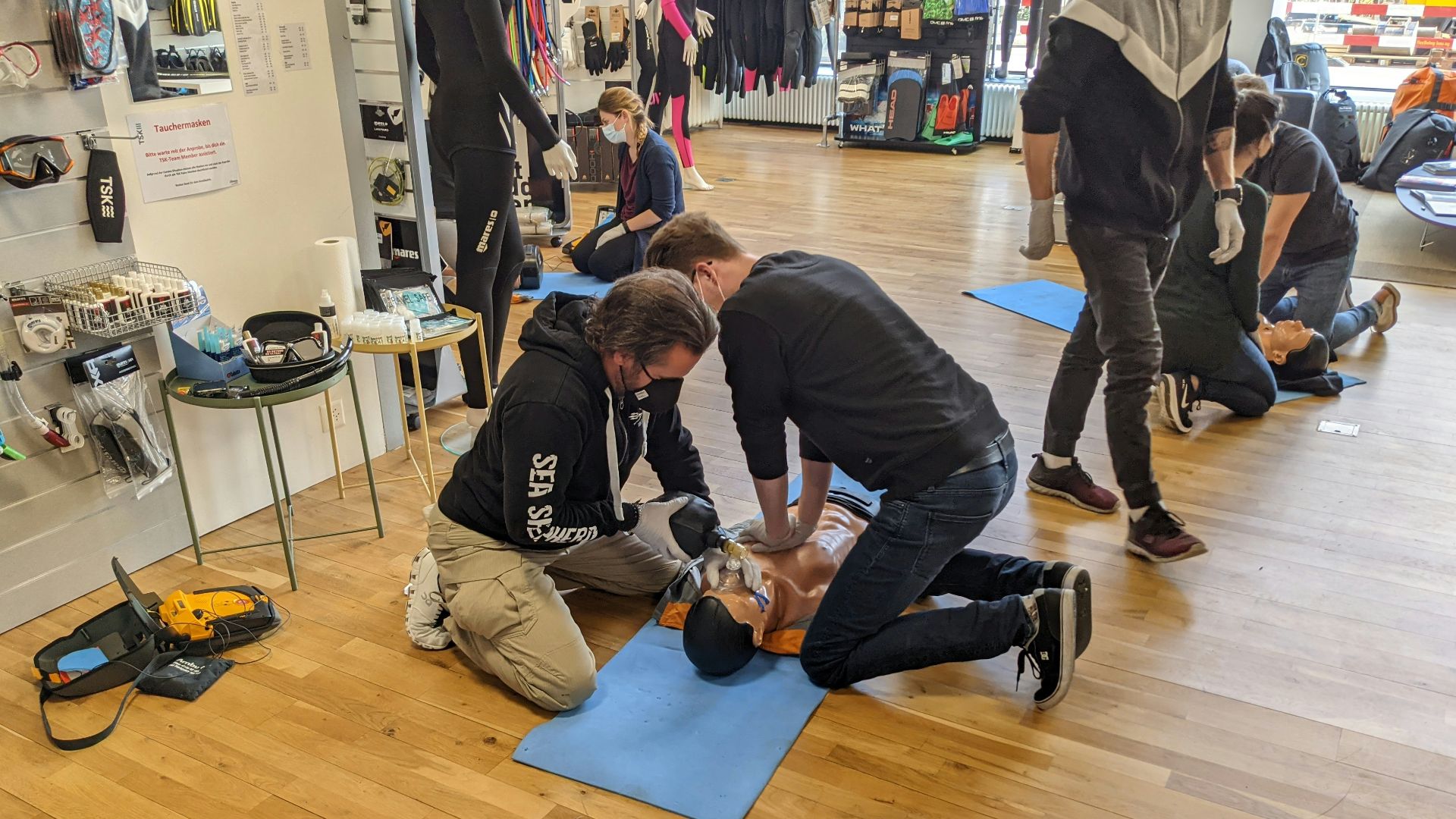
6. CPR
The American Heart Association counts more than 350,000 cardiac arrests outside hospitals each year in the US, and says bystander CPR can double or triple someone's odds of survival. A certification class runs a few hours. The arrests mostly happen at home, which means the person you'd be helping is probably related to you.
7. Swimming
Plenty of people who can swim a lap in a pool get into trouble the first time they're in a lake. The CDC lists drowning as a leading cause of death for children ages 1 to 4, and adults drown in open water they misjudged. Treading water for five straight minutes is a lower bar than it sounds until you try it.

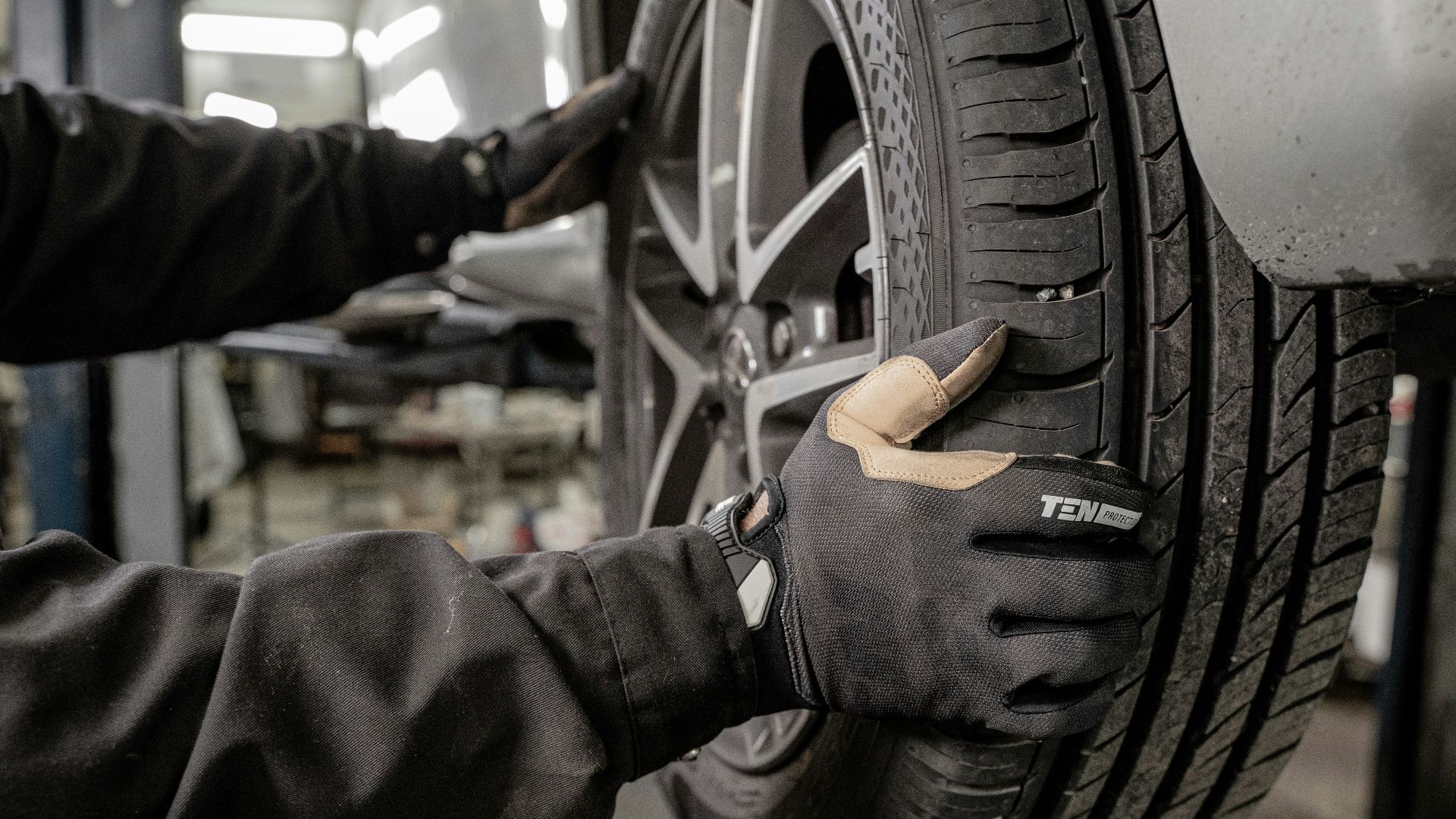
8. Changing a Tire
Roadside assistance takes an hour on a good day and longer in bad weather. The whole job comes down to a jack and a lug wrench, plus fifteen minutes of practice in a driveway. Doing it once in daylight is what makes it possible at night on a shoulder.
 Jimmy Nilsson Masth on Unsplash
9. Spotting a Scam
Americans reported losing more than $10 billion to fraud in 2023, according to the Federal Trade Commission. The tells stay remarkably consistent, starting with urgency and an unusual payment method like gift cards or wire transfers. No real bank asks you to move money to keep it safe.

10. Finding the Water Shutoff
A burst supply line can push out hundreds of gallons an hour into a house. Knowing which valve kills the water, and keeping a wrench nearby that fits it, is the difference between a wet floor and a gutted kitchen. A fair number of homeowners find that valve for the first time while standing in water.

11. Reading a Medical Bill
Hospitals send a summary, and the itemized bill is a separate document you have to request. Charges for medications never given and rooms never used show up often enough that checking is worth the phone call. The No Surprises Act took effect in 2022 and blocks many out-of-network charges patients never agreed to.

12. Saying No
A calendar filled by other people's requests belongs to those people, and declining without an explanation attached feels rude for about four seconds. The skill is mostly tolerating that discomfort long enough to finish the sentence.
 Priscilla Du Preez 🇨🇦 on Unsplash
13. Managing Credit
Payment history makes up 35% of a FICO score and how much you owe makes up another 30%, so the score mostly tracks two habits. A late payment can sit on a credit report for seven years. Landlords and insurers look at versions of that number too.

14. Public Speaking
Chapman University's annual survey of American fears keeps finding public speaking near the top of the list. The fix is repetition in low-stakes rooms rather than a technique you read about. Anyone who can explain their work to twelve people gets asked to do it in front of a hundred.

15. Listening
Most conversations are two people waiting for their turn to talk. Repeating back what someone said before responding sounds mechanical in theory and works anyway.
 Christina @ wocintechchat.com M on Unsplash
16. Estimating How Long Things Take
Kahneman and Tversky named the planning fallacy in 1979 after noticing that people underestimate their own projects while judging others' timelines accurately. Whatever number first comes to mind is usually the floor. Padding an estimate by half is closer to honest than optimistic.

17. Keeping Up With Weak Ties
The people most likely to hand you a job lead are the ones you barely know. Sociologist Mark Granovetter made that argument in 1973, and a study of LinkedIn users published in Science in 2022 found much the same pattern. Answering a message from someone you haven't seen in years takes about a minute.

18. Apologizing
A real apology names the thing done and skips the part explaining why it happened. An apology that hinges on whether the other person was offended lands as a second insult. People forgive the original mistake far more readily than the defense of it.

19. Troubleshooting
Half of fixing anything is narrowing down what broke, which means changing one variable at a time instead of everything at once. Searching the exact error message gets you further than describing the problem in your own words. This applies about equally to a dishwasher and a spreadsheet.
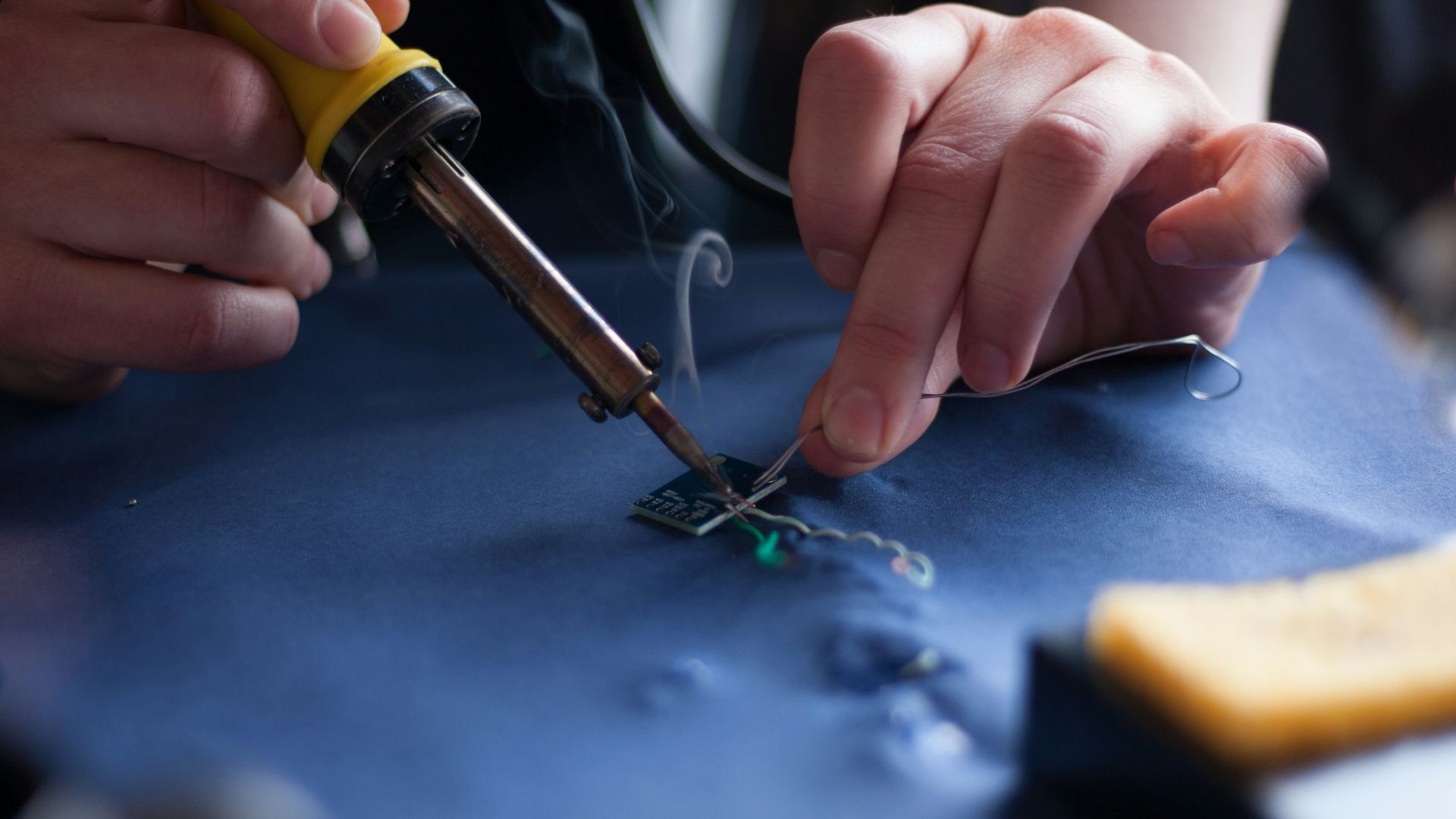
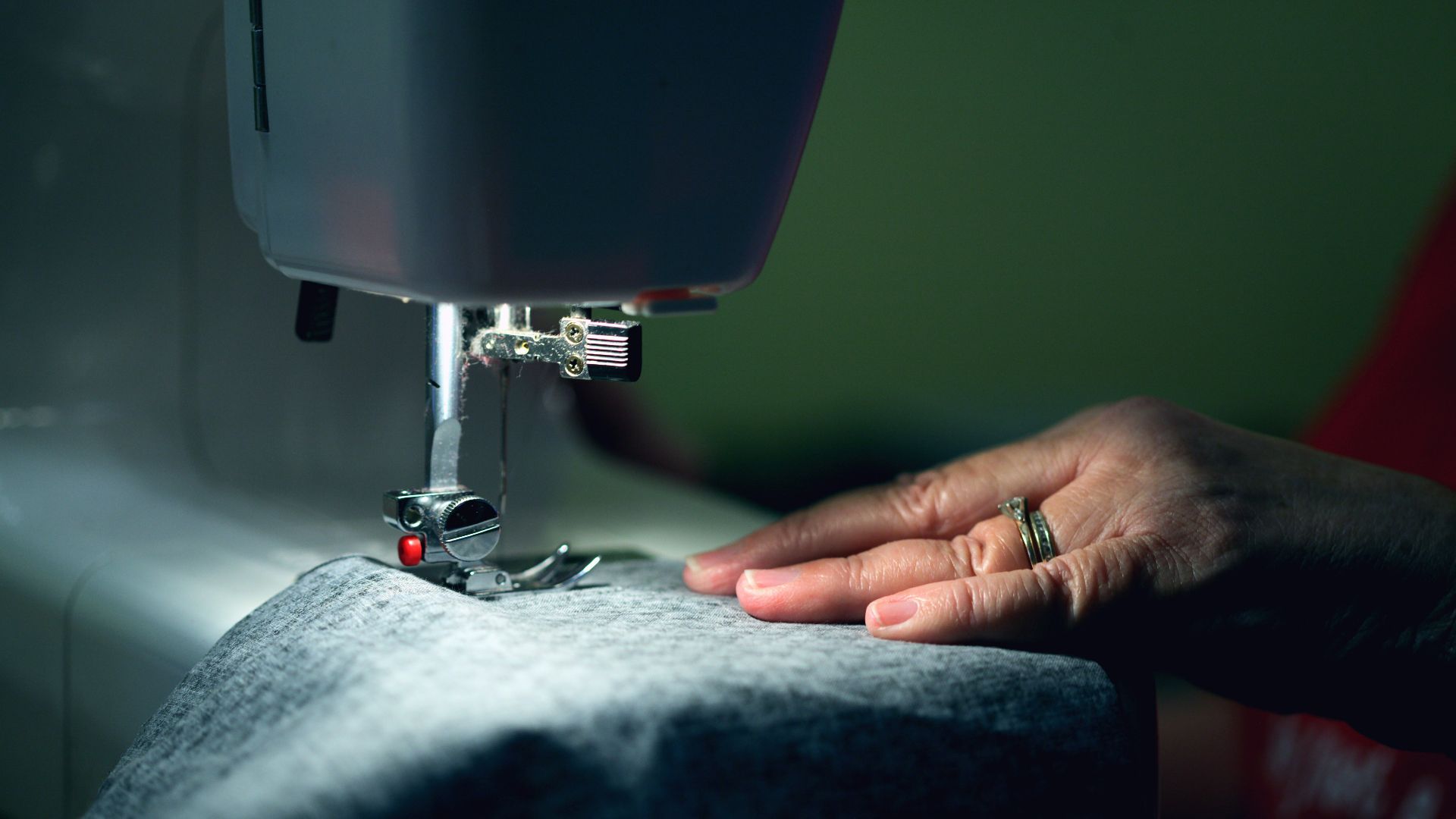
20. Sewing a Button
Five minutes with a needle puts a shirt back in the rotation instead of the donation bag. Popped buttons and split seams account for a fair share of the clothes people stop wearing without ever deciding to.