
Where the Line Really Is
Real workplace toxicity exists, and anyone who has worked for a screamer knows the difference. That's not what this list covers. Somewhere in the last few years, the vocabulary for serious abuse got borrowed to describe ordinary friction. A manager asking about a deadline became micromanagement. A marked-up draft became an attack. Here's 20 things employees call toxic that are actually just part of having a job.

1. Getting Edited
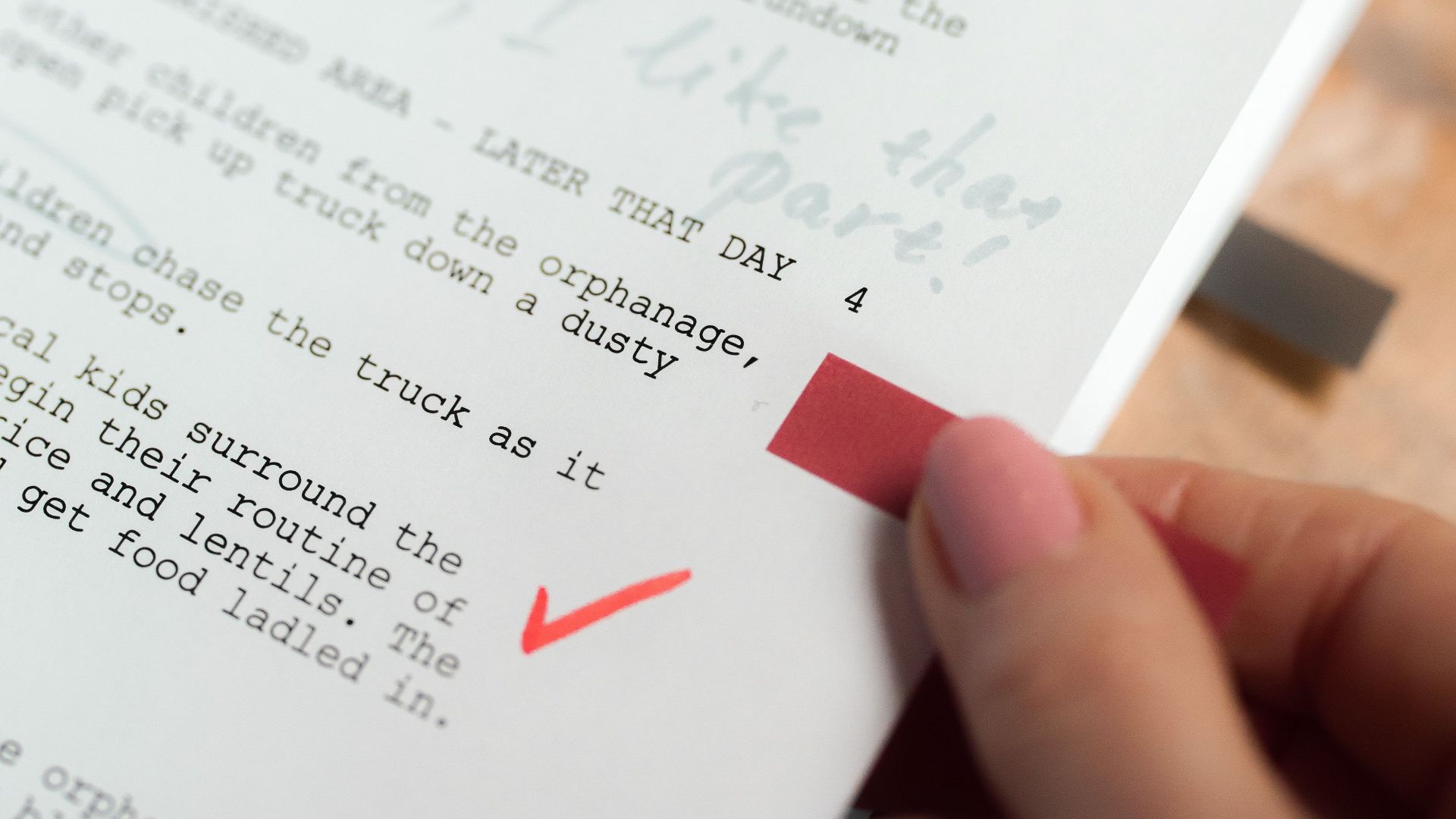
Someone senior marks up your draft and sends it back covered in changes. That stings the first few times, and it's also the fastest way anyone learns to write for a particular audience. The version of the job where nobody touches your work is the version where nobody is paying attention to it. Ask which changes were style and which were substance, and the next draft gets easier.
2. A Manager Who Asks for Updates
Being asked where a project stands is not surveillance. Your manager owes that same answer one level up, usually on a fixed schedule. Micromanagement means being told how to perform every step, which is a separate complaint with a separate fix. A weekly status note usually ends the questions before they start.
 Sebastian Herrmann on Unsplash
3. Recurring Meetings
The standing Tuesday call that could have been an email wastes half an hour a week. Every job carries a few of them. Pushing back with a specific alternative works better than treating the invite as an insult. Offering to send a written update in its place gets further than complaining about the format.

4. Hearing No on a Raise
A denied raise feels personal because the number is attached to you. Most of the time it reflects a budget that got set months earlier by someone who has never met you. Ask what would change the answer next cycle. If nothing would, you've learned something before spending another year waiting.

5. Waiting for a Promotion
One strong year rarely earns a title change. The Bureau of Labor Statistics puts median tenure with a single employer at under four years, so most promotions land after a stretch that feels far too long while you're in it. Titles tend to follow the work by several months, and sometimes by a whole review cycle.

6. Other Duties as Assigned
That phrase sits at the bottom of most job descriptions, and it means what it says. Covering a shift or cleaning up somebody else's spreadsheet lands on nearly everyone. The complaint gains weight when the extra work becomes the whole job and the title never moves. Track the hours before you raise it.

7. Busy Season
Accountants lose their spring, retail loses November and December, and teachers lose the last week of every grading period. A predictable crunch that ends comes with the territory in whole industries. A crunch that never ends is a staffing problem, and naming it as one gets better results than calling it toxic.
 Arlington Research on Unsplash
8. Coworkers You Wouldn't Choose
You get a paycheck, not a friend group. Somebody on the team will chew loudly, over-explain things you already know, or reply-all with a thumbs up. Being annoying isn't the same as being hostile. Most teams have one of each, and learning to tell them apart saves a lot of energy.
 Arlington Research on Unsplash
9. Decisions You Weren't Part Of
Leadership picks a direction and announces it, and nobody asked your opinion. Companies consult a small group by design, since asking everyone about everything grinds the place to a halt. The reasonable ask is to hear what got decided and why. A company that won't explain itself at all is a different story.

10. Your Idea Going Nowhere
Pitching something good and watching it die in committee is deflating. Budget, timing, and a dozen factors you can't see from your seat kill more proposals than office politics does. Ask what it would take to revive the thing, since a no this quarter is often a maybe next year.

11. Someone Else's Deadline
A date you didn't pick shows up on your calendar with your name attached. Almost every deadline traces back to a client or a regulator, and the person who handed it to you didn't invent it either. Flagging an impossible timeline is your job. Ignoring one is not.

12. Asking Before You Take Time Off
Requesting vacation instead of announcing it feels infantilizing until three people request the same week. Coverage is the entire reason the request exists, and somebody has to answer the phone on December 27. A manager who denies every request is a problem, and a manager who wants two weeks' notice in December is doing math.

13. Feedback on How You Write
Being told your emails come across as blunt lands like a criticism of your personality. It's closer to being told your handwriting is hard to read. Tone in writing is a skill you can adjust, and whoever passed along that note is probably trying to keep you out of a conversation nobody enjoys.

14. The Boring Project
Every job includes stretches of tedium, and someone has to clean the data before anyone analyzes it. Newer employees get more of that work, which feels unfair until you watch what happens when it gets skipped. The ratio matters more than the existence of it. Two years of nothing but cleanup is a conversation worth having.

15. A Boss Who Isn't Your Friend
Some managers stay warm and professional without ever getting personal. That distance is easy to read as coldness, though it often makes the hard conversations cleaner when they come. Some people prefer the manager who never asks about their weekend. Warmth and fairness aren't the same thing, and only one of them shows up in your review.

16. Documenting Your Work
Logging hours and writing handoff notes feels like busywork when the work is already done. The notes exist for whoever covers your desk while you're out. It also exists for you, six months from now, when nobody remembers why a decision got made. Your future self will thank you for the ugly spreadsheet.

17. A Schedule You Didn't Choose
Return-to-office mandates and shift assignments arrive from above, and they're frustrating when your life is built around a different setup. Employers set hours and locations in most American jobs, which is worth knowing before a policy change lands. A change that breaks something specific in your life is worth an individual conversation, which tends to go better than a group complaint.
 LinkedIn Sales Solutions on Unsplash
18. Being Corrected in Public
Someone catches your mistake on a call in front of eight people. That's uncomfortable, and it's usually about the mistake needing a fix before the meeting ends. A pattern of being singled out is another matter entirely. One colleague fixing a number in a shared deck is not that.

19. Rules Written for Someone Else
Expense caps and the sudden ban on space heaters all trace back to one person who ruined it for everybody. Companies write policy in response to incidents, which is why so many rules feel oddly specific. The rule isn't aimed at you. Whoever it was written for probably left in 2019.

20. Silence That Isn't Disapproval
Turning in good work and hearing nothing back reads as indifference. Most managers run on exceptions, meaning they surface what's broken and let the rest pass without comment. If praise matters to you, asking for a regular check-in is a fair thing to request. Most managers will say yes and then forget, so put it on the calendar yourself.
 Arlington Research on Unsplash