
 Partybus Buenos AIres on Wikimedia
Bachelor parties have a reputation for bad decisions, questionable speeches, and at least one friend who should never be trusted with logistics. Most of them, however, do not end with police raids, courtroom drama, furious society gossip, and a dancer becoming famous for decades afterward. For that level of chaos, you have to go back to New York City in 1896. Naturally, the evening involved the grandsons of the famous American politician and showman P.T. Barnum, because apparently, panache can be hereditary.
The party became known as the “Awful Seeley Dinner,” and it was thrown by Herbert Barnum Seeley for his brother Clinton, who was about to be married. The dinner took place at Sherry’s, a fashionable Gilded Age restaurant on Fifth Avenue, and it quickly became the most notorious pre-wedding celebration in American history.
A Gilded Age Party With Barnum-Level Confidence
The Seeley brothers weren't ordinary young men trying to send off a groom with a quiet dinner and a toast. They were connected to the Barnum family, and their grandfather, P.T. Barnum, had built a career on spectacle. Herbert Seeley seemed determined to give Clinton a bachelor party worthy of that dramatic inheritance. According to historical accounts, the guest list included young men from all over New York’s social elite.
The dinner itself was planned as a lavish affair. Reports describe a 17-course meal, music, drinking, and female performers handing out gifts to the guests. In Gilded Age New York, wealthy men already enjoyed private clubs, grand restaurants, and a fairly generous sense of what counted as “respectable fun.” Still, this party managed to find the line and step directly over it.
The most talked-about performer was Ashea Wabe, a dancer of Lebanese background who performed under the stage name “Little Egypt.” She had become associated with the “hoochie coochie” dance after the 1893 World’s Columbian Exposition in Chicago, where such performances fascinated and scandalized audiences. Whether the dinner’s most outrageous rumors were accurate or inflated later, the idea of her appearing at a high-society bachelor party was enough to create a public sensation. In other words, the invitation list was already trouble before anyone even unfolded a napkin.
The Police Raid That Made the Dinner Famous
The party might have remained a private scandal if the police hadn't arrived. Acting on rumors that an indecent performance would take place, an officer interrupted the dinner and helped bring the festivities to an abrupt end.
The raid created a mess that quickly moved beyond the restaurant. Herbert Seeley was reportedly indicted over the incident but later acquitted, while the officer’s conduct also became part of the public controversy. The scandal was delicious to newspapers because it combined wealth, sex, policing, family reputation, and the Barnum name.
Sherry’s itself mattered to the story because it wasn't some backroom dive. It was an elegant restaurant associated with fashionable New York society, which made the raid feel even more shocking. The whole point of elite respectability is that people are supposed to misbehave discreetly, preferably behind expensive doors. Once the police walked in, the party stopped being a private indulgence and became a public morality play with oysters.
Why the “Awful Seeley Dinner” Still Gets Remembered
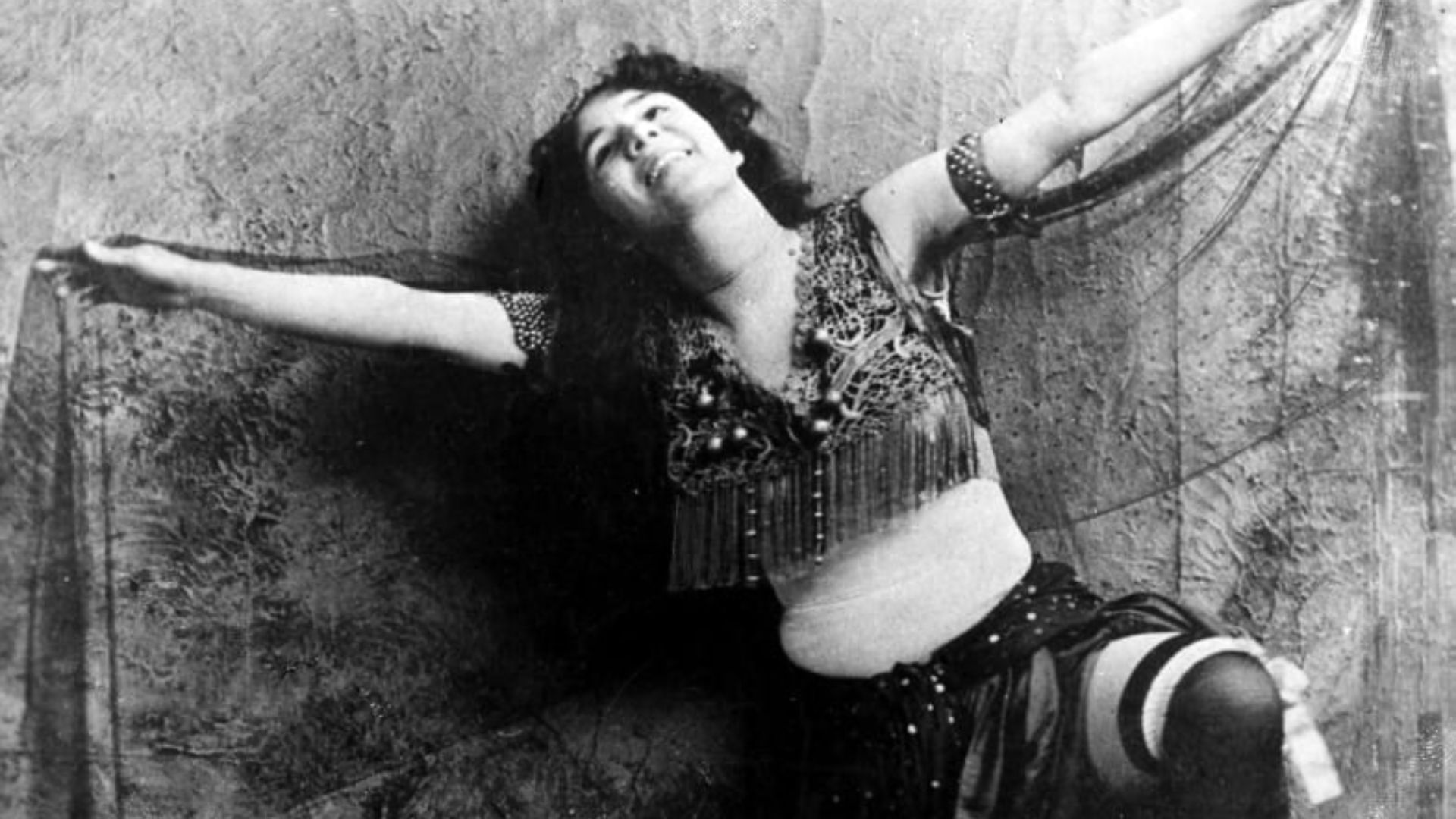
The scandal helped turn Little Egypt into a lasting name in American entertainment lore. A 1932 New Yorker account noted that she was later billed in vaudeville as “Little Egypt,” the star of the Awful Seeley Dinner. In true show-business fashion, moral outrage became publicity with better posture.
The dinner also sits at an interesting moment in bachelor party history. Historians and wedding-history writers note that groom-centered celebrations existed long before the 20th century, but the phrase “bachelor party” became more common later, and the modern association with outrageous pre-wedding behavior grew especially in the 20th century. The Seeley dinner looks like an early preview of the rowdier bachelor-party tradition that would later become familiar. It wasn't the first groom’s celebration, but it was one of the first to become famous for all the wrong reasons.
What makes the story so memorable isn't simply that men behaved badly before a wedding. History has no shortage of that particular achievement. The Seeley dinner became infamous because it mixed class privilege, public scandal, sexual anxiety, celebrity entertainment, and police intervention in one neatly disastrous evening. It was less a party than a social explosion wearing formalwear.
There's also something wonderfully absurd about the fact that P.T. Barnum built his fame on spectacle, and his descendants accidentally created one of the most spectacular social scandals of their era. The groom’s send-off became a cautionary tale, a newspaper feast, and a weird little landmark in the history of bachelor-party excess. If the goal was to make Clinton Seeley’s final days before marriage memorable, then congratulations were technically in order, though perhaps not from the bride’s family.