

You pull your sleep mask off, glance at your alarm clock, and realize you successfully logged a perfect eight hours of rest. Yet, instead of bounding out of bed with radiant energy, you feel like you are wading through thick molasses just to reach the coffee maker. It is one of the most frustrating paradoxes of modern wellness, leaving you questioning your own biology as you yawn through your morning meetings. You did everything by the book, but your body is still demanding a heavy nap before noon even hits.
This persistent daytime sluggishness usually means your sleep architecture is missing a crucial ingredient that numbers alone cannot fix. While sleep duration is incredibly easy to track on your smartwatch, sleep quality is a completely different beast that operates quietly behind the scenes. Missing out on the vital, deeper stages of rest can leave your brain feeling entirely unrefreshed, no matter how long you spent under the covers. Pulling back the curtain on your nighttime habits will help you understand the hidden disruptors that steal your vitality while you snooze.
The Hidden Disruptors of Sleep Architecture
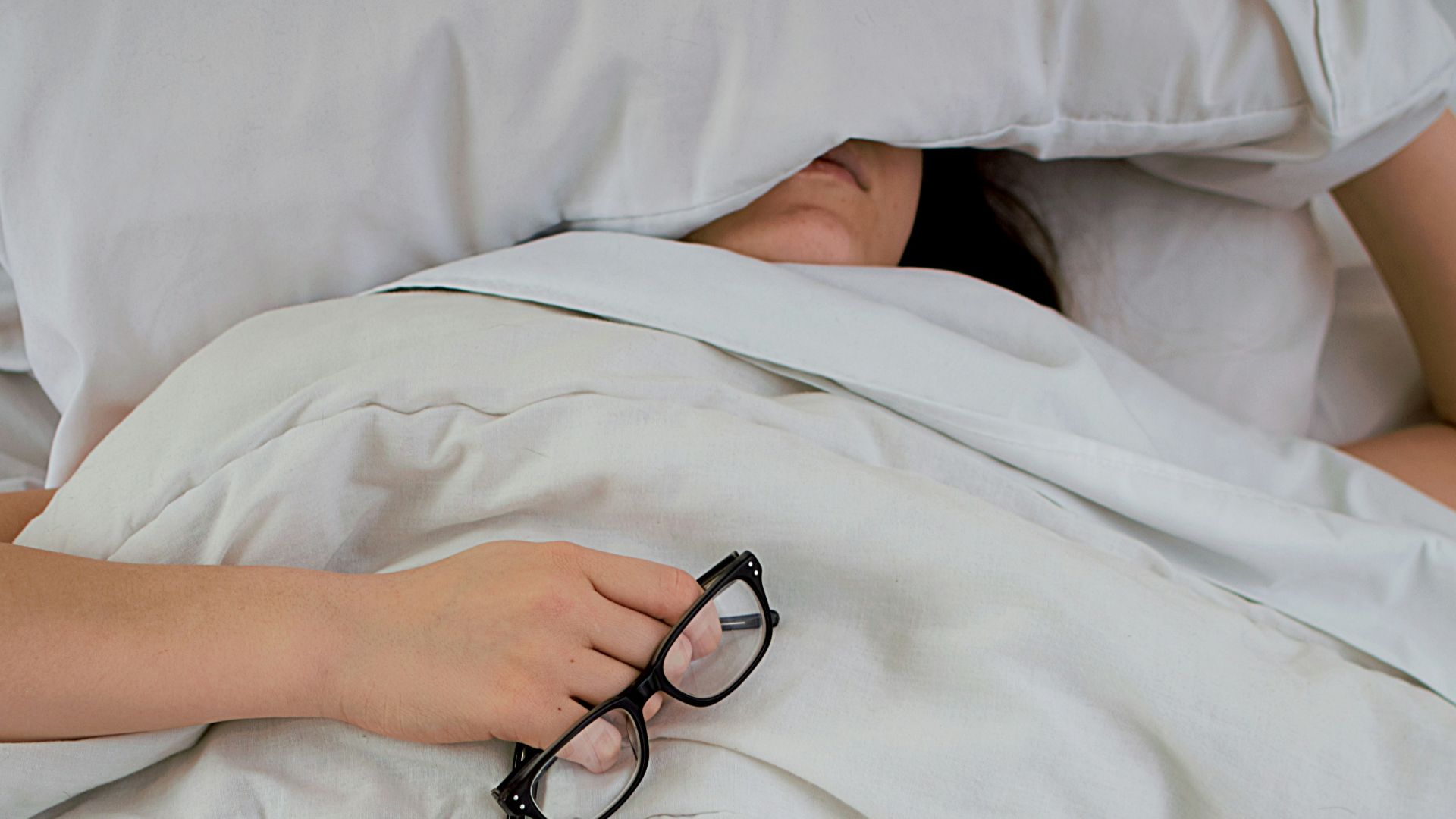
To understand why you are still yawning, you have to look past the total minutes spent in bed and examine your sleep cycles. True restoration happens when your body smoothly transitions through light, deep, and rapid eye movement (REM) sleep stages multiple times a night. If your brain is constantly jolted out of these deeper cycles by minor environmental changes, you lose out on the physical and mental repair work. You might not even remember waking up, but these tiny micro-arousals effectively ruin the efficiency of your rest.
One of the most frequent silent culprits behind these interrupted cycles is consuming a heavy meal or a glass of wine too close to your bedtime. While alcohol might help you drift off to sleep incredibly fast, it acts as a major disruptor once your body begins to metabolize it midway through the night. It actively blocks your brain from entering REM sleep, which is the exact stage responsible for emotional processing and cognitive sharpness. Consequently, you wake up with a fuzzy brain because your neurological cleaning crew was forced to take the night off.
Similarly, the temperature of your bedroom plays a massive role in how deeply your body can actually decompress after a long day. Your core body temperature needs to drop by a couple of degrees to initiate and maintain high-quality, uninterrupted sleep. If your thermostat is set too high, your body will waste valuable energy trying to cool itself down through sweating and tossing around. This quiet physical struggle keeps your heart rate elevated, preventing you from reaching the deepest, most physically restorative zones of the night.
Even seemingly minor environmental disturbances can have a measurable impact on sleep quality. A small amount of outside noise, an uncomfortable mattress, or inconsistent sleep schedules can prevent your body from settling into a healthy rhythm. Because these disruptions often happen below the level of conscious awareness, many people underestimate how much they affect overall rest. Looking beyond total sleep time is often the first step toward identifying the true cause of persistent fatigue.
The Sneaky Impact of Dehydration and Screen Habits
Another fascinating reason you might wake up feeling thoroughly exhausted is simple, baseline dehydration occurring while you drift through dreamland. You breathe out a surprising amount of moisture during an eight-hour stretch, especially if you tend to breathe through your mouth rather than your nose. If you do not hydrate properly before heading to bed, your blood volume drops slightly, making your cardiovascular system work much harder. This invisible strain means your organs are operating on overdrive, leaving you feeling entirely drained the moment your feet touch the floor.
Your evening screen habits also carry a massive amount of blame for stretching your morning grogginess into the afternoon. The specific blue light emitted from your smartphone or television mimics the midday sun, tricking your brain into halting its natural production of melatonin. Even if you manage to fall asleep right after scrolling through social media, the quality of that sleep remains incredibly shallow. Your internal circadian rhythm becomes confused, meaning your body does not fully realize it is supposed to be performing deep cell maintenance.
Furthermore, relying on a loud, jarring alarm sound to rip you out of a deep sleep cycle causes a phenomenon known as sleep inertia. When you are suddenly shocked awake from a deep stage of rest, your brain cannot instantly clear out the sleep-inducing chemicals. This chemical hangover can easily linger for hours, making you feel entirely defeated despite hitting your numerical goals. Transitioning to a progressive light alarm can gently coax your brain awake, minimizing that heavy, disoriented feeling that ruins your mornings.
The timing of your screen use matters just as much as the amount. Spending only a short period of time on a brightly lit device immediately before bed can have a larger impact than people realize. Many individuals assume they are falling asleep without difficulty, but their sleep quality silently suffers throughout the night. Reducing screen exposure during the final hour before bed can often produce surprisingly noticeable improvements.