10 Ways Parents Accidentally Raise People-Pleasers & 10 Ways To Encourage Healthy Boundaries
10 Ways Parents Accidentally Raise People-Pleasers & 10 Ways To Encourage Healthy Boundaries
How Good Intentions Can Shape Approval-Seeking
Most parents want kind, considerate kids, but kindness can become unhealthy if children learn that keeping everyone happy matters more than recognizing their own needs. Research on autonomy, emotional development, and boundaries suggests that kids benefit from warmth, clear expectations, age-appropriate choices, and permission to disagree respectfully. The goal isn't to raise a child who never compromises; it's to help them care about others without feeling responsible for everyone's comfort. Here are 10 ways parents can accidentally encourage people-pleasing and 10 ways to encourage healthy boundaries.
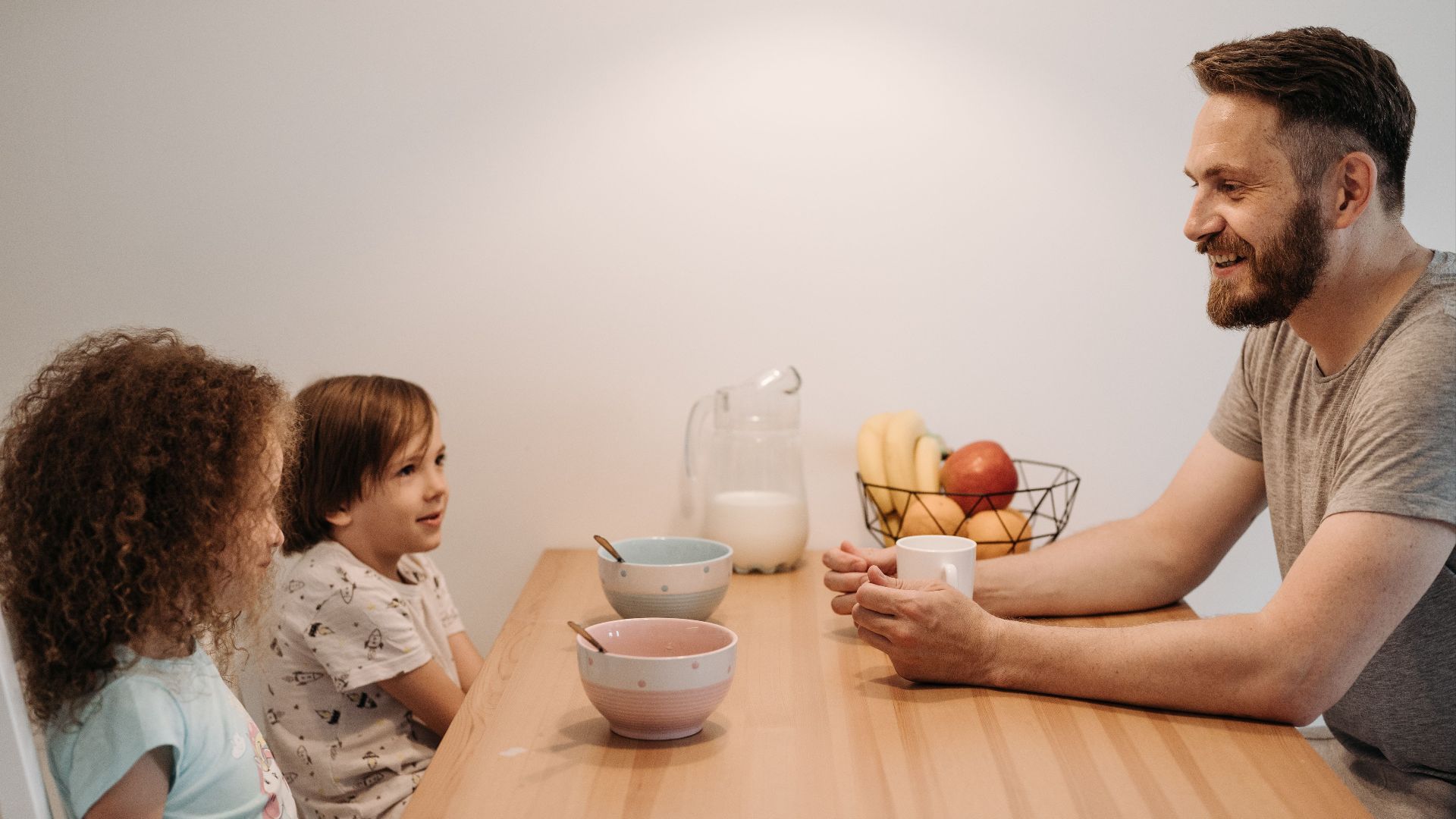
 Chris wade NTEZICIMPA on Pexels
1. Praising Obedience Above Everything Else
Children need rules, but constant praise for being "easy" can make approval feel tied to compliance. A child may start assuming that disagreement is automatically disrespectful, making it harder to recognize situations where saying no is appropriate. Respectful cooperation matters, but so does learning to have a voice.
 Chris wade NTEZICIMPA on Pexels
2. Treating Disagreement As Bad Behavior
If every "I don't agree" gets shut down, kids may learn that harmony matters more than honest communication. Age-appropriate disagreement helps children practice expressing opinions without becoming rude. Parents can hold firm limits while showing that respectful differences are manageable.

3. Expecting Kids To Manage Adult Feelings
Statements such as "You're making me sad" can place too much emotional responsibility on a child when they're used to influence ordinary choices. Kids may then ignore their preferences because they feel responsible for keeping adults comfortable. Parents can own their feelings without requiring children to fix them.

4. Rewarding Self-Sacrifice Too Often
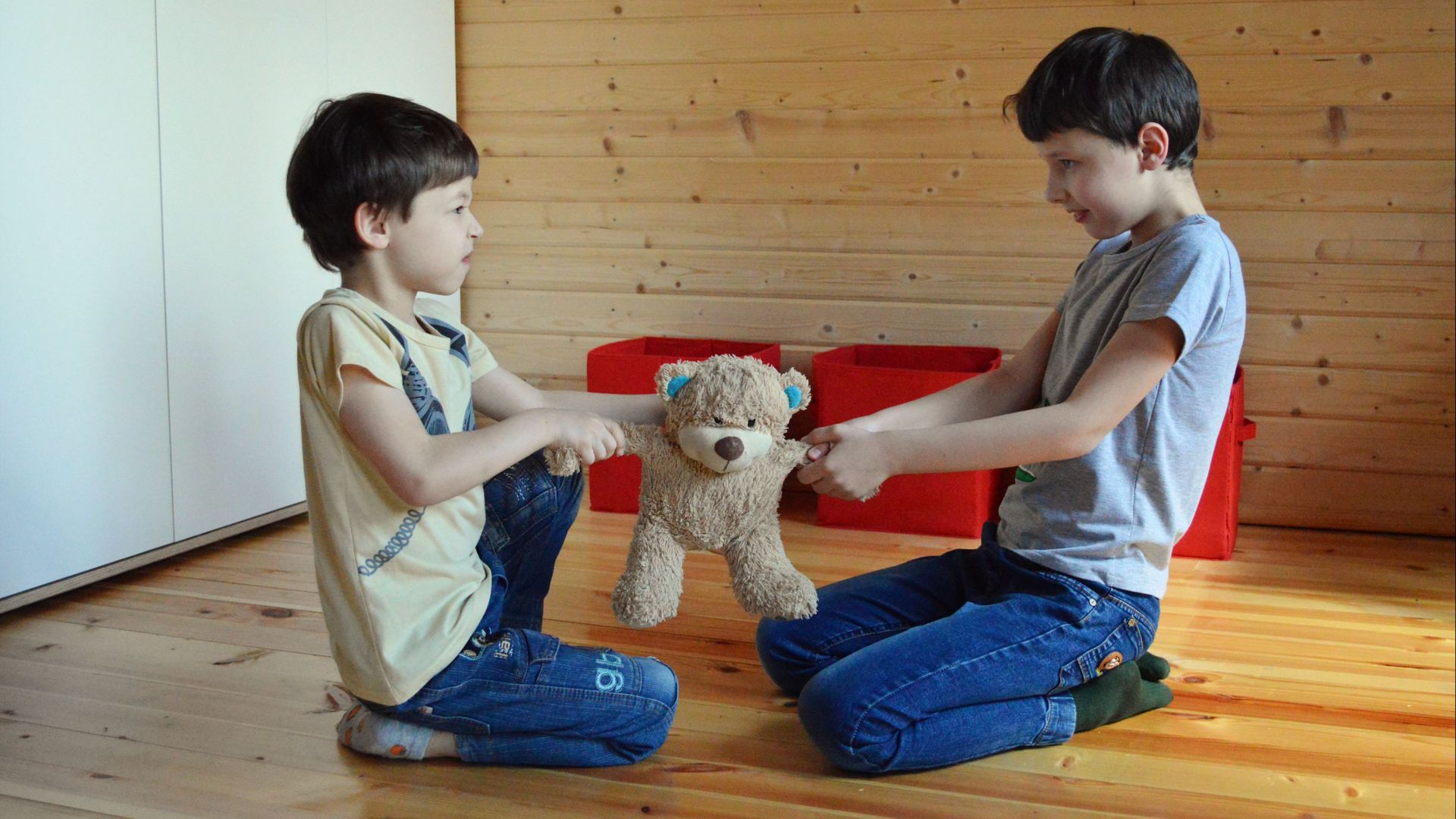
Generosity is valuable, but constantly praising the child who gives up the toy, turn, or preference can send an unintended message. Kids may begin believing that being good means always giving way. Healthy relationships include generosity without requiring someone to abandon their needs every time.
5. Pushing Physical Affection For Politeness
Insisting on hugs or kisses can blur a child's understanding of bodily boundaries, even when relatives mean well. Children benefit from learning that affection should be voluntary rather than required for politeness. A wave, smile, or verbal greeting can still communicate warmth and respect.

6. Solving Every Social Conflict For Them
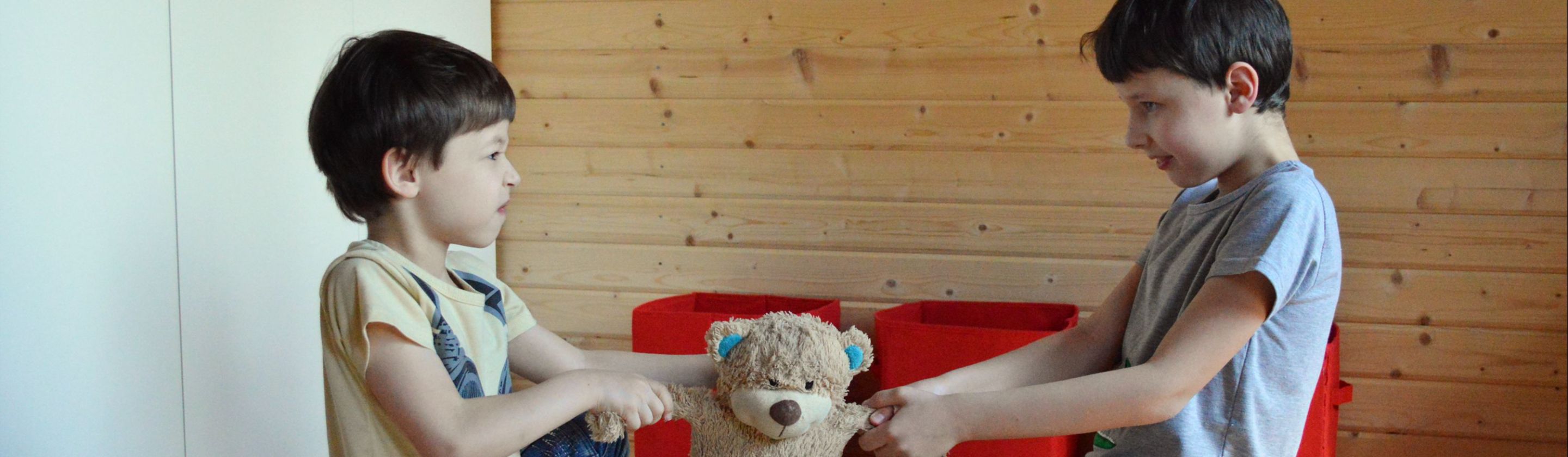
Jumping in immediately can feel protective, but it removes chances for children to practice speaking up. With guidance, kids can learn to describe a problem, state a need, and negotiate respectfully. Parents can coach them through manageable conflicts instead of automatically taking over.

7. Making Praise Depend On Being Helpful
Calling a child "the good one" mainly when they're useful can make helpfulness feel like the price of approval. Kids should contribute at home, but their worth shouldn't seem tied to meeting everyone else's needs. Praise effort and cooperation without turning self-sacrifice into an identity.

8. Dismissing Negative Emotions Too Quickly
Telling a child to stop being angry, sad, or disappointed can suggest that uncomfortable feelings aren't acceptable. They may start hiding emotions simply to keep other people comfortable. Acknowledging feelings doesn't excuse poor behavior; it shows that honest emotions can exist safely within a relationship.

9. Overriding Every Age-Appropriate Choice
Parents make many necessary decisions, but children also need reasonable opportunities to choose. If every preference is corrected or dismissed, kids may become overly dependent on outside approval. Small choices about clothes, hobbies, or free time can build confidence and decision-making skills.

10. Using Guilt To Secure Cooperation
Guilt may produce quick compliance, but it doesn't necessarily teach healthy decision-making. Children who regularly hear how much others sacrifice for them may feel obligated to say yes even when they're uncomfortable. Clear requests, expectations, and logical consequences are more direct and constructive.
 Vantage Point Photographers on Unsplash
1. Let Them Say No Respectfully
Children can learn that "no" isn't automatically rude. Give them simple language such as, "No, thank you," or, "I don't want to do that," while keeping necessary rules in place. Practicing small boundaries at home makes respectful refusal easier in other settings.

2. Model Boundaries In Your Own Life
Kids notice how adults handle requests and competing obligations. Calmly saying, "I can't do that today," shows that limits don't require anger, guilt, or elaborate excuses. They also learn that caring about someone doesn't mean agreeing to every request.

3. Validate Feelings Without Removing Limits
A child can be disappointed and still have to follow a rule. Saying, "I understand you're frustrated, and bedtime is still at nine," combines emotional validation with structure.

4. Offer Realistic Choices
Age-appropriate choices help children practice identifying preferences and making decisions. You might offer two acceptable options for clothing, chores, or weekend activities rather than controlling every detail.
 Jelleke Vanooteghem on Unsplash
5. Teach Consent In Everyday Situations
Consent lessons can begin with ordinary family interactions. Asking before tickling, stopping when a child says stop, and allowing them to decline affection reinforce bodily autonomy.

6. Encourage Problem-Solving Before Rescuing
When a child faces a manageable conflict, ask what they think they could say or do. You can help them brainstorm or rehearse without taking over the situation yourself.

7. Praise Assertiveness Alongside Kindness
Notice moments when your child communicates a need clearly, not only when they accommodate someone else. You might say, "I liked how you told your friend you weren't comfortable with that."

8. Respect Their Privacy As They Mature
Appropriate privacy can support growing independence and trust. Knocking before entering, allowing some personal space, and avoiding unnecessary monitoring can show respect while parents still maintain safety limits.

9. Teach That Disappointment Is Tolerable
Children can learn that another person's disappointment doesn't always mean they've done something wrong. Someone may feel annoyed or sad after hearing no, and the relationship can still be fine.
10. Separate Love From Performance
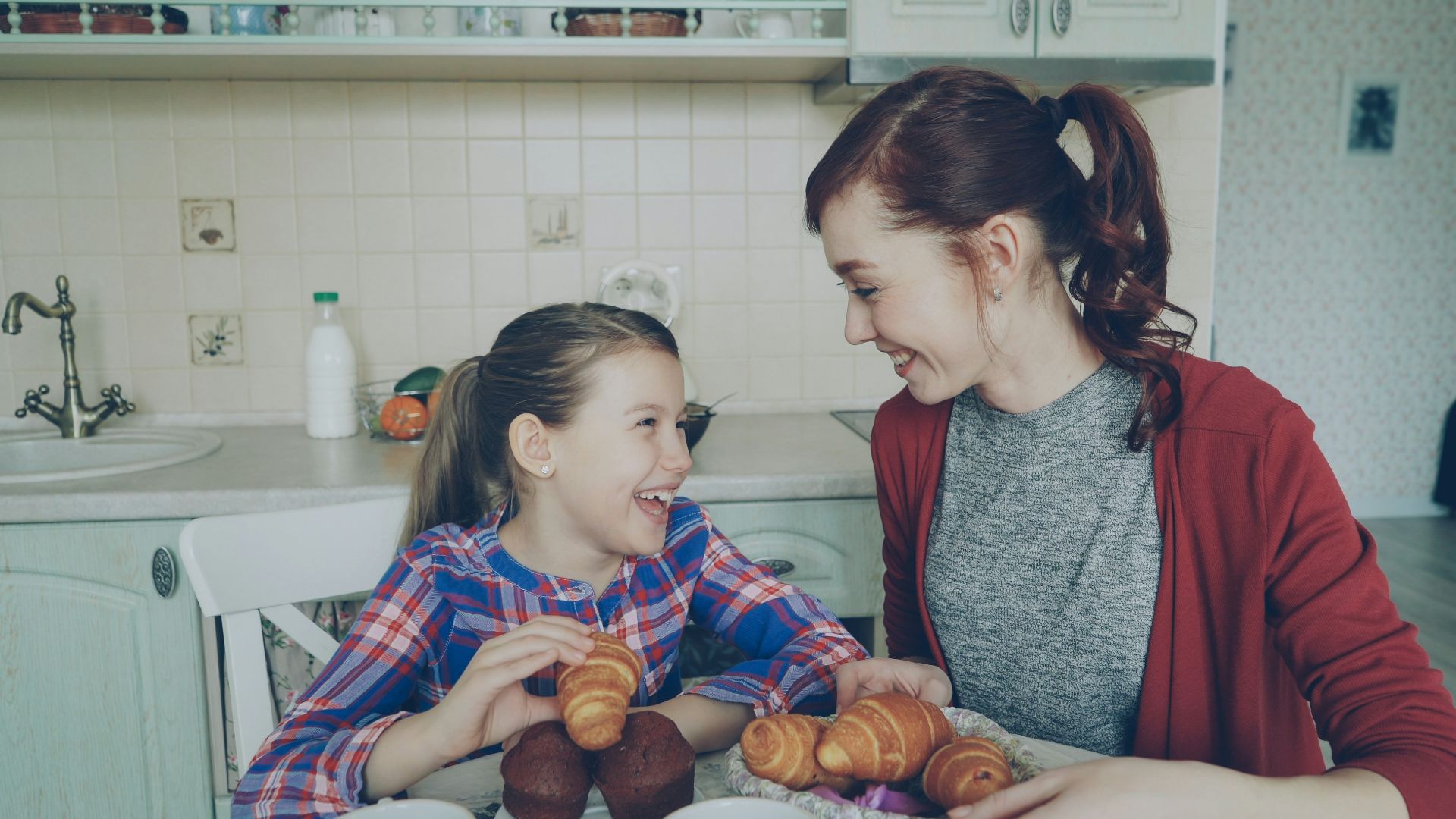
Children need to know that connection doesn't disappear because they made a mistake, disagreed, or disappointed someone. Warmth paired with consistent expectations helps create that security.