
Why Parenthood Can Turn Small Issues Into Big Discussions
Having children can strengthen a relationship, but it also introduces sleep loss, financial pressure, shifting identities, and new responsibilities. Research on the transition to parenthood shows that relationship satisfaction often declines and conflict may increase. The good news is that couples can improve how they handle these disagreements by communicating clearly, dividing work fairly, and treating each other as teammates. Here are 10 things couples argue about after kids and 10 ways to handle them better.

1. Who’s Doing More
Arguments often begin because both partners feel overworked while noticing only part of what the other person contributes. Child care includes visible jobs, such as feeding and bathing, along with planning, remembering appointments, and anticipating supplies. When that mental load goes unrecognized, resentment can build even if both people are trying.
2. Different Parenting Styles
One parent may prefer firm rules, while the other leans toward flexibility and negotiation. These differences can create confusion for children and make each partner feel undermined. Disagreements are normal, but constant criticism about discipline can turn a practical parenting question into a personal conflict.

3. Sleep and Nighttime Duties
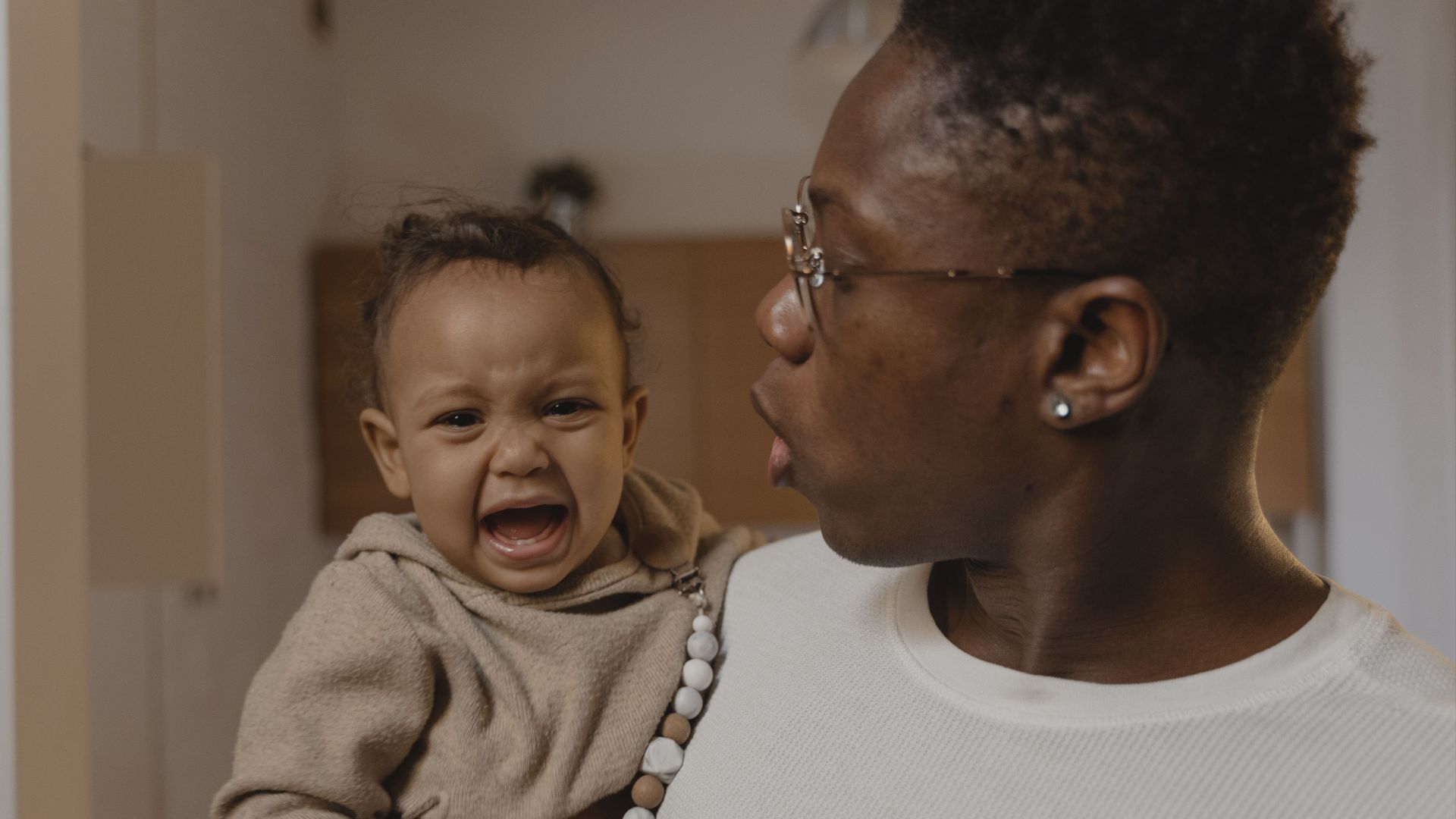
Interrupted sleep affects patience, concentration, and emotional control, so nighttime responsibilities can become sensitive. Couples may argue about who heard the baby, who got up last, or whose workday requires more rest. Without an agreed system, each difficult night can feel like fresh evidence that the arrangement is unfair.

4. Money and Spending Priorities
Children bring new costs, including child care, clothing, medical bills, and activities. Partners may disagree about what’s necessary, what can wait, and how much security the family needs. These conversations become especially tense when one person values immediate comfort while the other focuses on long-term planning.
 Vodafone x Rankin everyone.connected on Pexels
5. Screen Time and Technology
Parents often have different comfort levels about television, tablets, phones, and games. One may see a program as a needed break, while the other worries about routines, content, or overuse. Because recommendations vary by age and circumstances, the issue can become a debate about judgment rather than a simple household rule.

6. Visits From Extended Family
Grandparents and relatives can provide valuable support, but their involvement may also create friction. Couples sometimes argue about visit frequency, unsolicited advice, holiday plans, or whether relatives respect household boundaries.

7. Lost Couple Time
After children arrive, private conversations and shared plans can become rare. One partner may miss affection, while the other feels too exhausted to add another demand. If the relationship receives attention only after parenting tasks are finished, connection can gradually feel optional rather than important.

8. Work and Career Decisions
Returning to work, reducing hours, travel, or promotions can affect the entire household. Couples may disagree about whose career receives priority or whether one partner’s paid work is treated as more valuable. These choices involve income, identity, child care, and fairness, so one conversation rarely settles them.

9. Household Standards
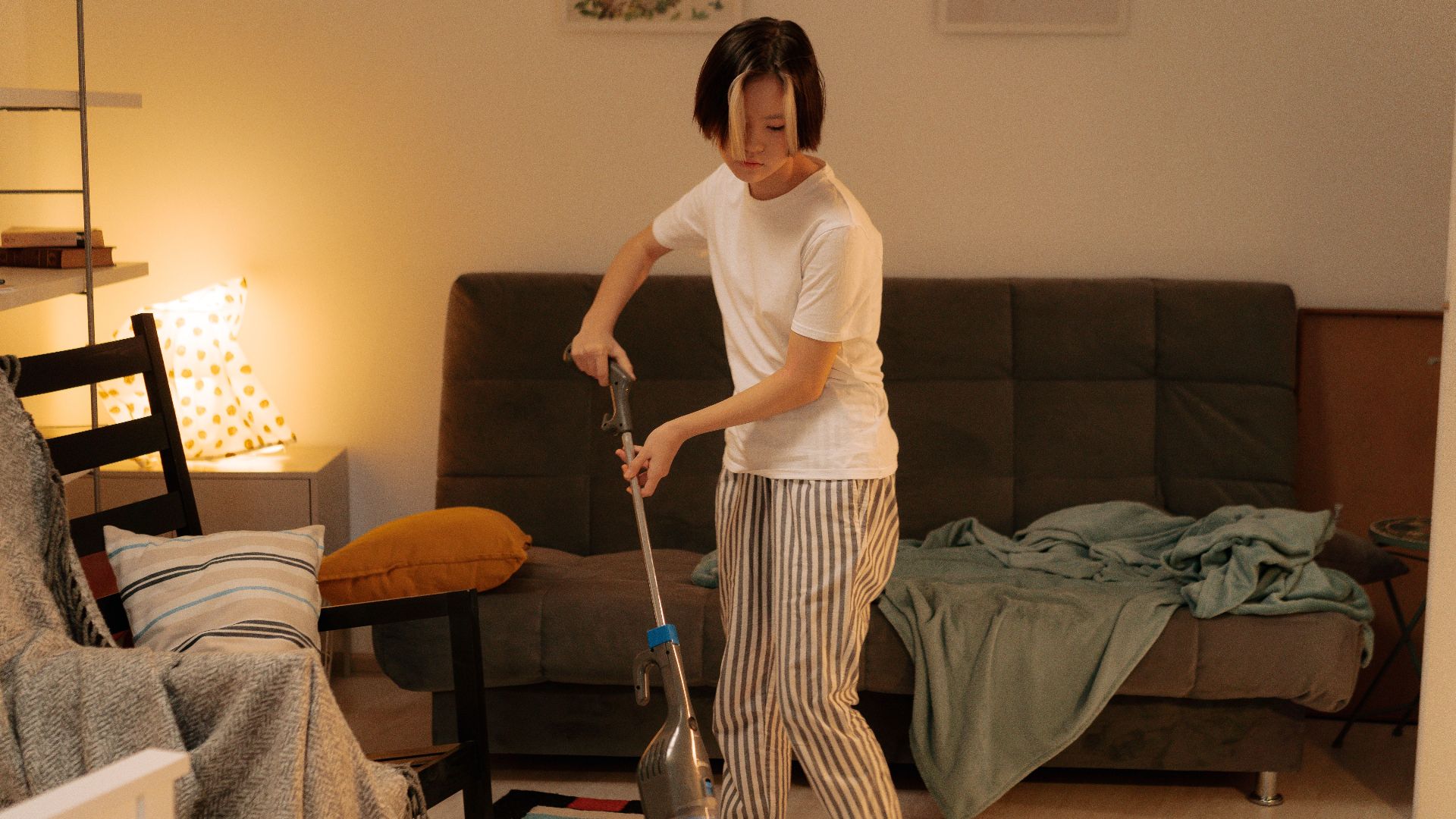
A messy kitchen may feel harmless to one person and stressful to the other. After children, laundry, dishes, toys, and cleaning multiply. Arguments often sound like they’re about clutter, but the real disagreement may concern respect, workload, or whether each partner’s standards matter.
10. Personal Time Away
Parents need rest, friendships, exercise, and interests outside family life, yet free time can seem scarce. Trouble starts when one person’s break appears automatic while the other must request permission. Reasonable plans can still cause resentment if personal time feels unequal.
 Priscilla Du Preez 🇨🇦 on Unsplash
1. Name the Real Problem
Before debating details, identify what’s actually upsetting you. A complaint about dishes may really mean, “I feel alone in managing the house,” while frustration about bedtime may reflect exhaustion.

2. Divide Complete Responsibilities
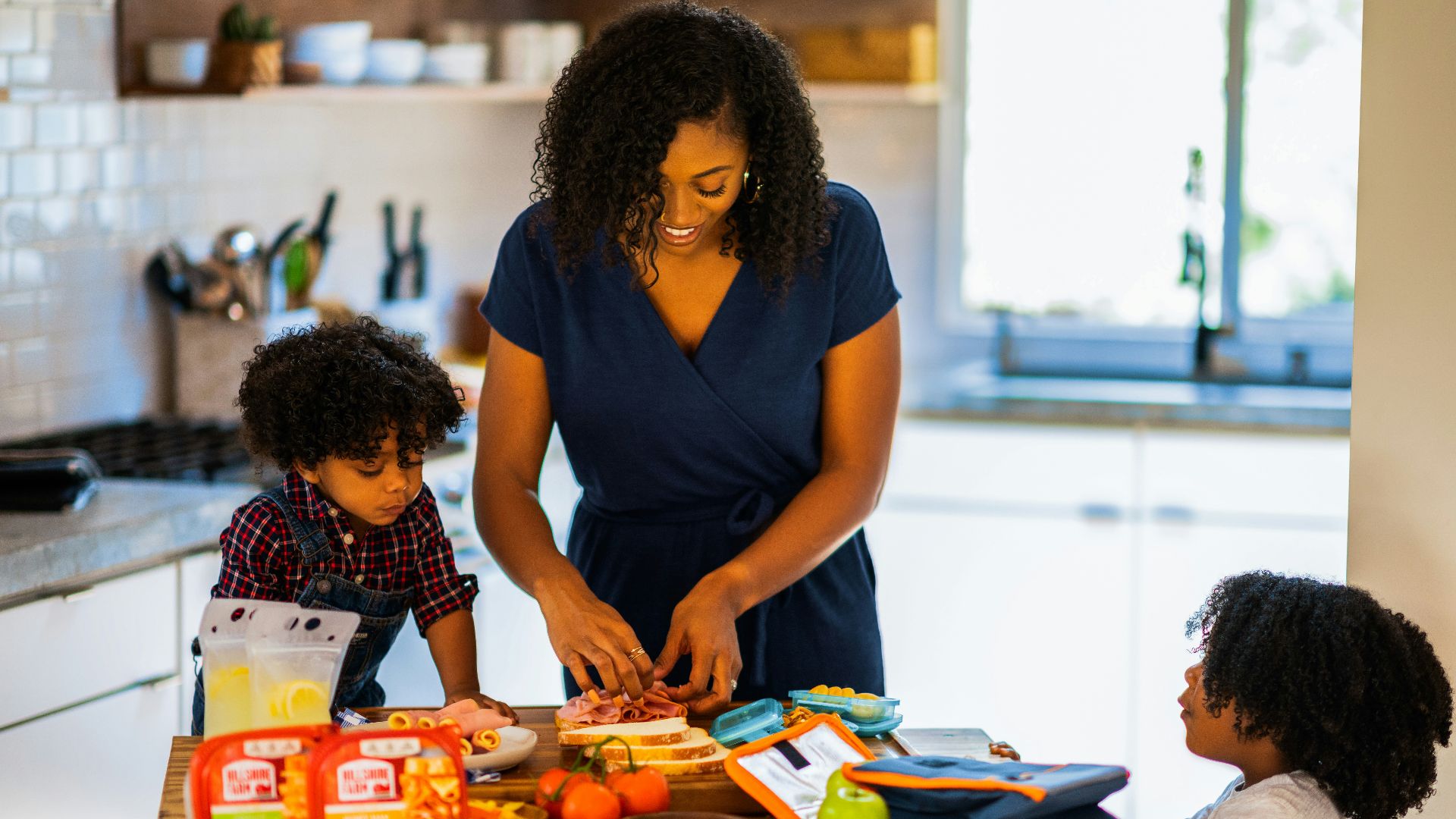
Instead of asking one partner to “help,” assign responsibilities that include planning and follow-through. The person handling school lunches, for example, should also track supplies and notice what needs replacing. Clear ownership reduces reminders while making invisible work clearer and easier to balance.
3. Hold Regular Check-Ins
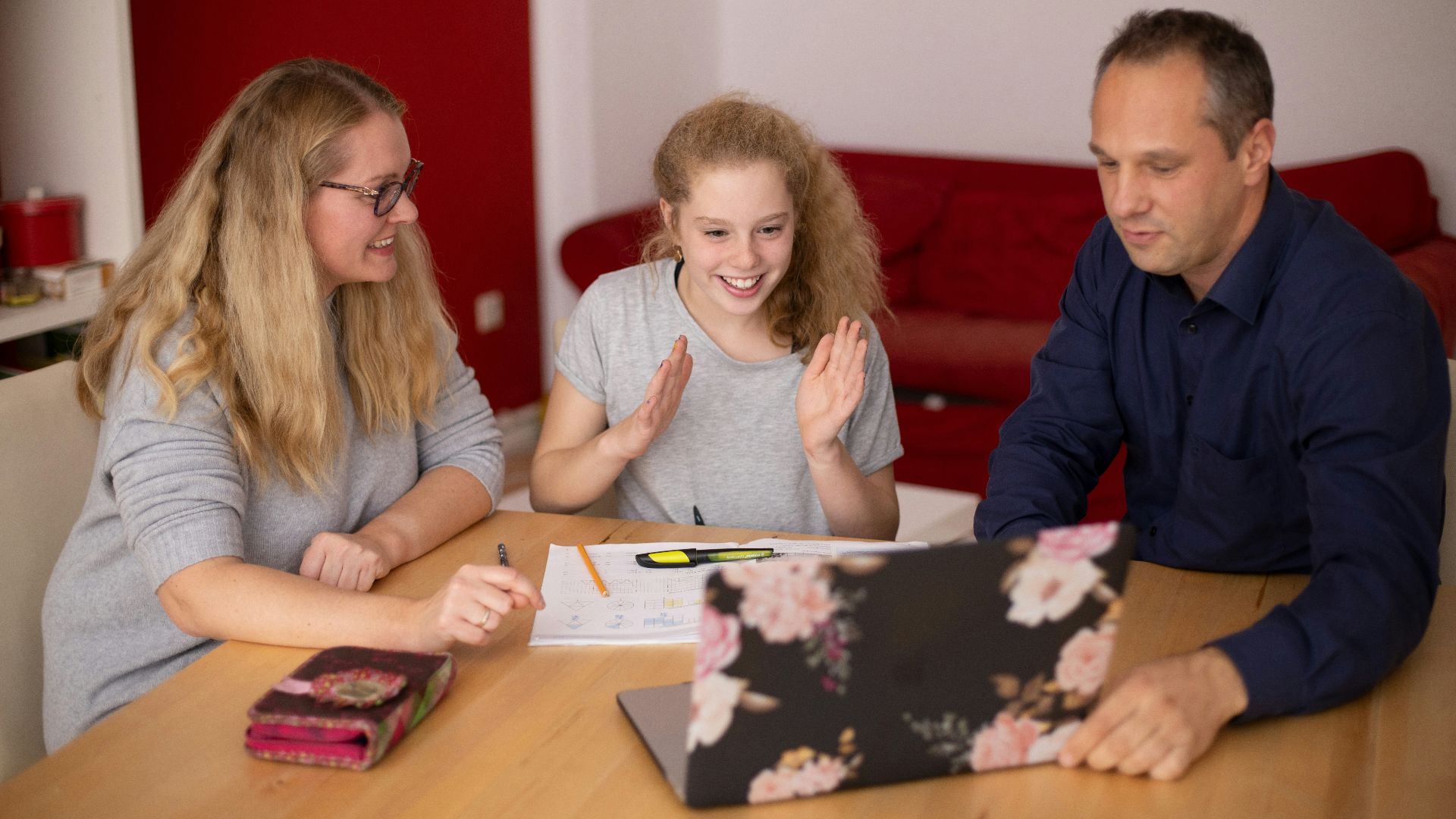
A weekly conversation can prevent small frustrations from becoming major arguments. Discuss schedules, expenses, parenting concerns, personal needs, and anything that felt unfair.
 Ernst-Günther Krause (NID) on Unsplash
4. Agree Privately Before Correcting
Unless safety is involved, avoid challenging each other’s parenting in front of the children. Talk privately about what happened, listen to each person’s reasoning, and decide how to respond next time. Presenting a consistent approach helps children understand expectations and protects both partners from feeling dismissed.
5. Use Specific Requests
General accusations such as “You never help” produce an argument about whether the statement is true. Ask for a concrete action instead, such as handling bath time tonight or scheduling the pediatric appointment.

6. Protect Sleep Where Possible
No plan can guarantee rest with children, but couples can make sleep loss more equitable. Consider alternating nights, dividing the night into shifts, or allowing recovery time after difficult stretches.

7. Set Boundaries as a Team
Decide together how relatives, visitors, and outside opinions will fit into family life. The partner whose family is involved can take the lead in communicating limits.

8. Schedule Small Moments of Connection
Couple time doesn’t always require a sitter, a reservation, or several uninterrupted hours. Ten minutes of conversation after bedtime, a shared cup of coffee, or a short walk can help partners stay connected.

9. Repair After Arguments
Healthy couples don’t avoid every disagreement; they recognize when a discussion has become unproductive and return to it more carefully. Offer a sincere apology for harsh words, acknowledge your partner’s valid point, and clarify what you’ll do differently.

10. Get Support Before You’re Overwhelmed
Persistent hostility, unresolved arguments, or emotional withdrawal may signal that outside support would help. A couples therapist can teach communication and co-parenting skills, while practical assistance from trusted people can reduce pressure.