
20 Things Adult Children Secretly Resent Their Parents For
Some Childhood Frustrations Don't Stay in Childhood
Try as you might, there's no such thing as a perfect parent, and resentment lives even in the healthiest families. Most people can love their parents while still carrying a few frustrations about how they were raised or treated later in life. These resentments aren't always dramatic; sometimes they're built from years of small moments that never quite got resolved. Here are 20 things adult children quietly resent their parents for.

1. Comparing Them to Their Siblings
Few things stick with you quite like hearing that your brother was more responsible or your sister was always better at school. Even when parents think they're offering motivation, constant comparisons can make a child feel as though they're being graded against someone else. Years later, that can leave siblings dealing with tension neither of them really created.

2. Never Admitting When They Were Wrong
Some parents can apologize easily, while others seem determined to defend decisions they made decades ago. Adult children may resent being told that something painful "wasn't that bad" simply because their parent remembers it differently. Sometimes the apology matters less than hearing a parent acknowledge that their actions had an impact.

3. Treating Their Career Choices Like a Disappointment
Choosing a different career than the one your parents pictured can turn every family dinner into an unwanted performance review. A parent may believe they're expressing concern about money or stability, but it can sound like disapproval. Adults often remember who encouraged their ambitions and who kept asking when they were going to get a "real job."

4. Favoring One Child
Parents may insist they love all of their children equally, but adult siblings often have very different memories of how attention, praise, discipline, and money were distributed. Being the child who always had stricter rules or received less support can leave a lasting sting. Even subtle favoritism becomes harder to ignore once everyone is old enough to compare notes.

5. Sharing Private Information With Everyone
Some parents treat their child's personal life as perfectly acceptable conversation material for relatives, neighbors, and friends. What feels like innocent chatting to a parent can feel like a serious breach of privacy to an adult child. Nobody enjoys learning that Aunt Carol already knows about the breakup they mentioned to their mother in confidence yesterday.

6. Making Everything About Sacrifice
Most adult children understand that raising kids requires money, effort, and plenty of personal sacrifice. Resentment can develop, however, when those sacrifices are repeatedly brought up as debts that must be repaid. Hearing "after everything I've done for you" can make ordinary boundaries feel like acts of betrayal.
 https://kaboompics.com/ on Pexels
7. Dismissing Their Feelings Growing Up
Being told to stop crying, toughen up, or quit being dramatic might seem minor in the moment. Over time, though, those reactions can teach children that their feelings are inconvenient or embarrassing. Adults may still resent having to learn emotional confidence much later because they weren't allowed much space for it at home.

8. Trying to Control Their Adult Decisions
Advice from parents can be useful, but there's a difference between offering an opinion and expecting obedience. Some adult children become frustrated when parents continue weighing in heavily on where they live, whom they date, how they spend money, or when they should have children. Becoming an adult feels a lot less exciting when somebody still expects veto power.

9. Criticizing Their Appearance
Comments about weight, clothing, hair, skin, or looks can linger far longer than parents realize. Even remarks framed as helpful advice may become part of someone's inner dialogue for years. An adult who still remembers being told they'd look prettier if they lost ten pounds probably didn't consider that motivational.
 https://kaboompics.com/ on Pexels
10. Refusing to Respect Boundaries
It's normal for adults to eventually establish limits with their parents around visits, phone calls, childcare, money, or sensitive topics. Problems begin when parents interpret every boundary as rejection rather than a normal part of an adult relationship. Constantly pushing past those limits can turn even otherwise close families into sources of stress.

11. Expecting Them to Keep the Peace
Some children grow up becoming unofficial referees in their own families. They may be expected to calm an angry parent, smooth over sibling fights, or prevent every holiday gathering from falling apart. Once they're adults, they can resent realizing how much emotional responsibility was placed on them when they were far too young to carry it.
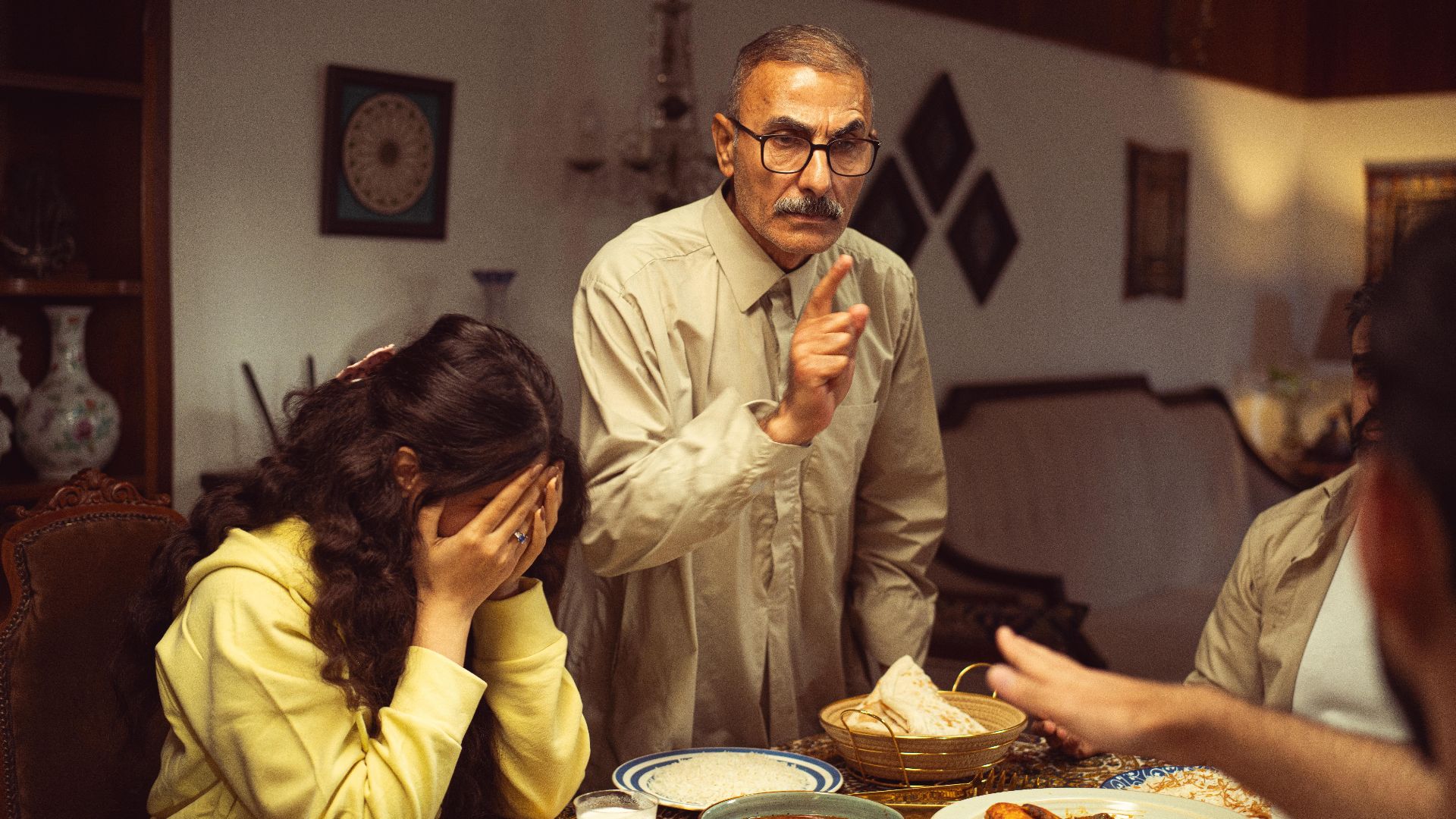
12. Not Protecting Them From a Difficult Parent
A child who grows up with one volatile, harsh, or unpredictable parent may also feel hurt by the parent who stood by and didn't intervene. As an adult, they might understand why leaving or confronting the situation was complicated while still wishing someone had protected them more.

13. Making Love Feel Conditional
Children quickly notice when affection seems strongest after good grades, athletic victories, polite behavior, or accomplishments that make the family proud. When approval disappears during failure or disagreement, love can start feeling like something that has to be earned. That belief can follow someone straight into their adult relationships.

14. Making Them Responsible for a Parent's Happiness
Parents naturally share emotions with their children, but some lean on them far too heavily for comfort or companionship. A child who constantly worried about keeping Mom happy or preventing Dad from getting upset may grow up feeling responsible for everyone else's mood. Eventually, that responsibility can become exhausting enough to produce resentment.

15. Ignoring Their Interests
Not every parent has to understand video games, dance competitions, obscure bands, or whatever hobby their child loves. Still, showing no interest at all can send the message that only certain achievements matter. Adults often remember the activities their parents happily attended, along with the ones they couldn't be bothered to ask about.

16. Using Money to Control Them
Financial help from parents can be enormously valuable, particularly when adult children are dealing with tuition, housing costs, or emergencies. The trouble starts, however, when every gift comes with expectations attached to it. Someone may eventually decide that paying their own way is easier than hearing how financial assistance supposedly gives their parents a vote in every major decision.

17. Holding Childhood Mistakes Against Them
People usually change quite a bit between age 16 and age 36, but some parents keep talking to their adult children as if they're still reckless teenagers. Bringing up old mistakes whenever there's a disagreement can make growth feel invisible. Most adults don't enjoy having their worst high school decision preserved as permanent evidence against them.

18. Refusing to See Them as Adults
It can be strangely irritating to have a mortgage, a career, and children of your own while your parent still tells you to bring a sweater. Some parental fussing is affectionate and harmless, but consistently dismissing an adult child's judgment can become frustrating. At a certain point, being someone's child shouldn't mean being treated like one.

19. Expecting Unlimited Access to the Grandchildren
Grandparents can become incredibly important figures in a child's life, but becoming a grandparent doesn't automatically erase the parents' rules. Adult children may resent grandparents who ignore routines, criticize parenting choices, or act offended when visits aren't as frequent as they'd like. Family closeness tends to work better when no one is entitled about time with the kids.

20. Pretending the Past Never Happened
Sometimes the biggest resentment isn't about what happened years ago but about a parent's refusal to discuss it now. Adult children may want acknowledgment of difficult experiences rather than endless arguments about whose memory is correct. Families don't have to agree on every detail of the past, but pretending nothing painful happened rarely makes the feelings disappear.