
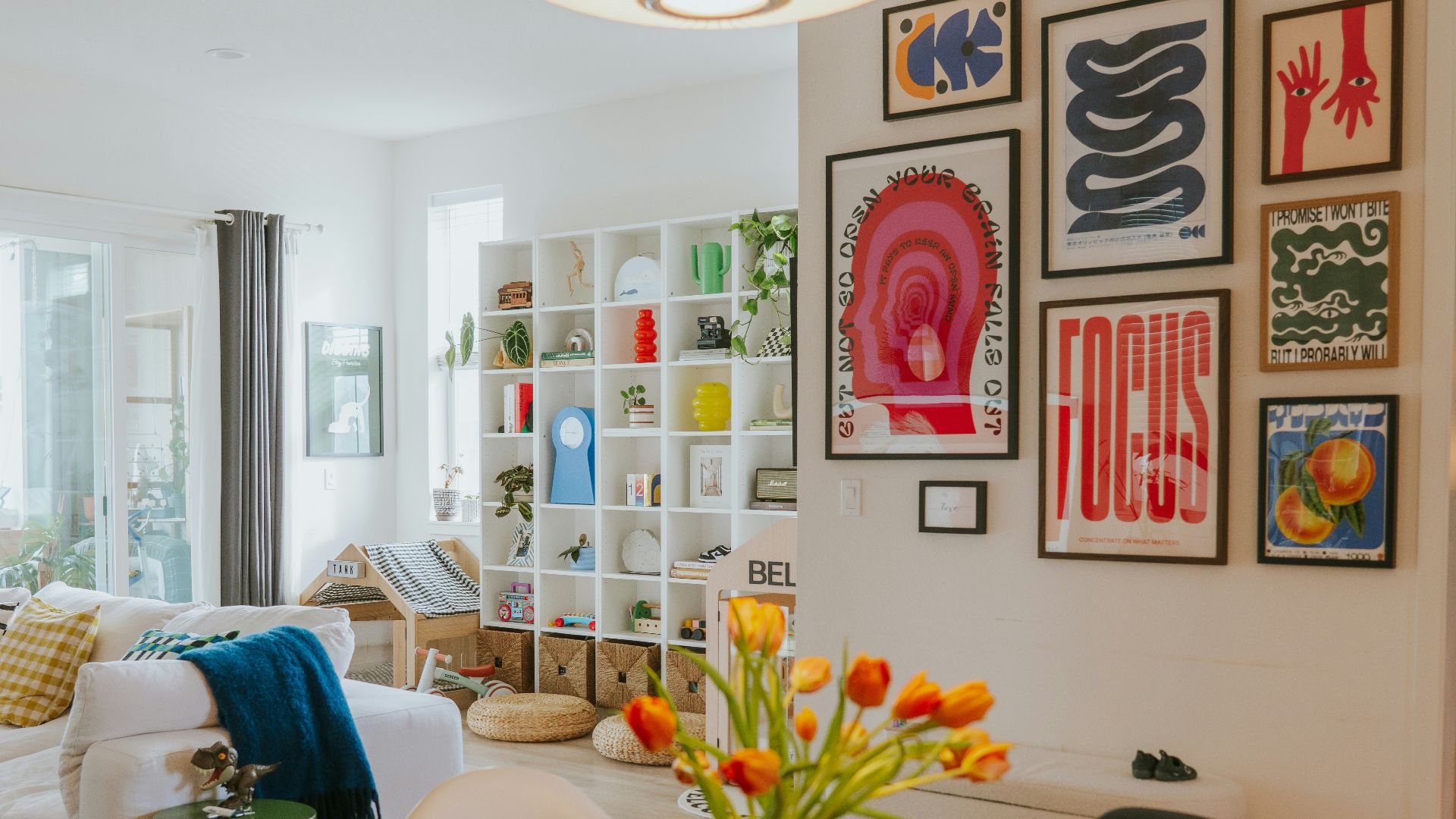
Picking a home style can feel overwhelming, especially when you like a lot of different aesthetics. Your Pinterest board is likely filled with things that, unfortunately, don’t really go together. That doesn’t mean your taste is all over the place, and it doesn’t mean you need to delete everything you’ve saved before you understand what you really like at home. You’re simply starting to notice the details that keep catching your eye, which is what gives a home its own look and makes a room feel familiar to you in a way that fits your home.
Your home style works best when it fits the people who use the space, the rooms you already have, and the things you reach for every day. Your rooms don’t all have to match, and you don’t have to squeeze every purchase into one design label. A little direction makes the next rug, lamp, paint color, or armchair easier to judge against the rest of the room. It also helps your home feel connected without making every room look the same or feel copied and pasted from a single online photo.
Start With The Basics
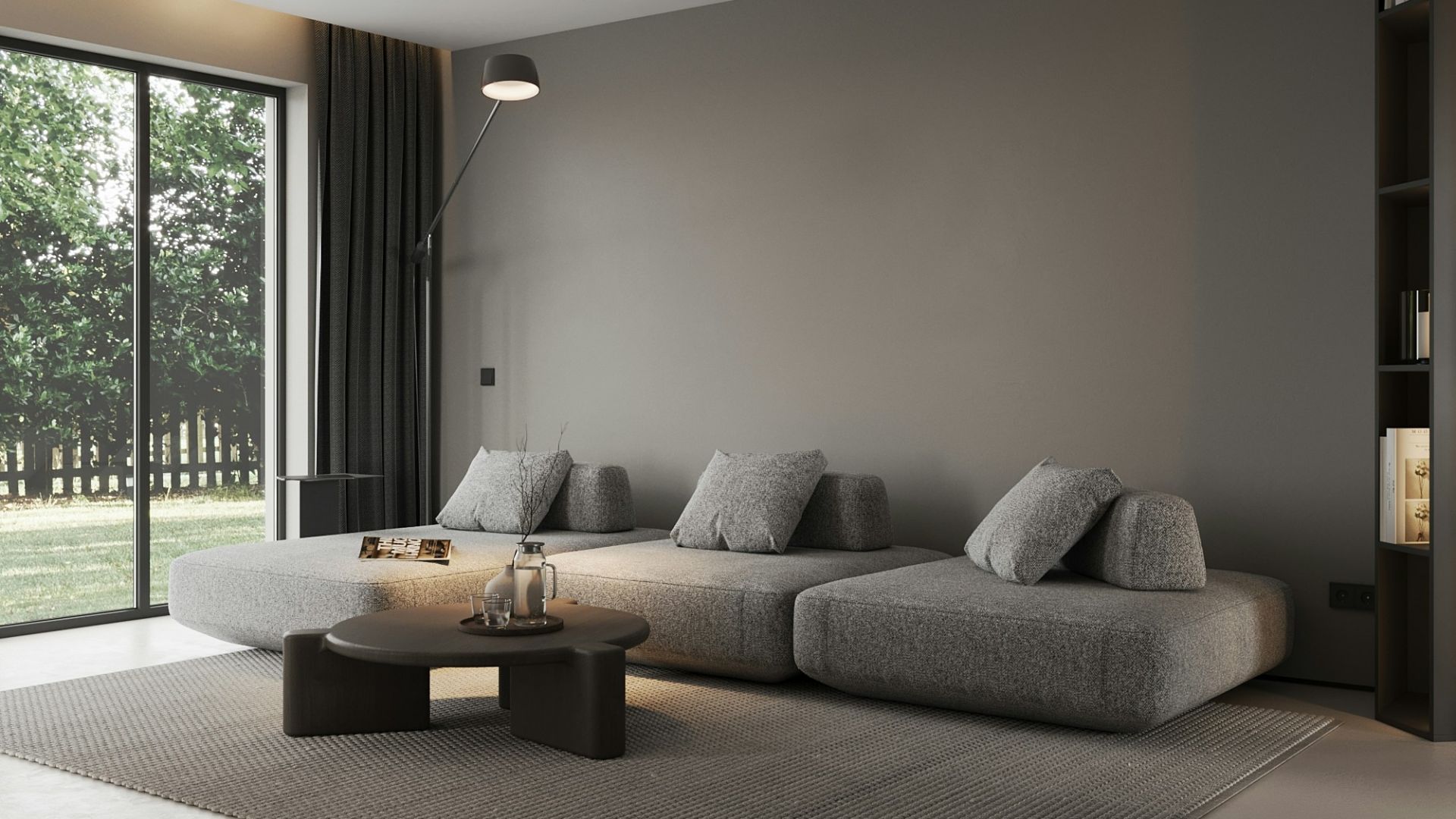
Before you make a mood board, take a look at how life moves through your home during a normal week, from busy mornings to the end of the day. Notice where shoes and bags pile up, which corners people naturally use, and which surfaces turn into temporary desks by the end of the day. Those small habits show where storage, durable materials, flexible seating, or a proper work surface will matter most. A room feels more like yours when it works for you.
Designers begin with many of the same basics. Houzz Pro’s current client questionnaire covers a room’s primary function, who will use it, storage pain points, and the client’s style preferences and vision images. You can use those same prompts whether you’re working with a designer, updating one corner, or rethinking a whole room. Writing down the answers gives you a simple list of what the room needs, where things should go, and how people will use it, so you’re not shopping without a clear sense of the space.
The American Society of Interior Designers describes interior design as supporting the human experience through function, materials, safety, building codes, and other parts of the built environment. In everyday terms, a reading chair can look great and still need to fit the room without getting in the way, while a coffee table needs to leave space to walk around it. Starting there helps the furniture and finishing touches fit the way the space is used, without making the room harder to live in.
Inspect Your Inspiration
Once you know what the room needs, gather your inspiration in one place and take a closer look. Save images that catch your eye, then come back to them after a few days and look beyond the headline style. The same off-white walls, streamlined furniture, painted cabinets, or worn wood may show up again and again. Those repeat details tell you more about what you like because they’re the choices you keep returning to on your own.
Illinois Extension’s interior design materials list color, texture, shape, form, line, and space as core design elements. Those words give you a simple way to explain why a room works for you, without making the process feel technical or fussy. Once you can name those details, it’s much easier to spot the pattern in the rooms you keep saving.
The room itself needs to be part of the decision, too. UCLA Extension describes interior architecture as working with scale, proportion, geometry, light, materials, textures, and color to enhance indoor spaces both artfully and practically. A sofa that looks perfect online can seem much too deep in a narrow living room, and a tiny rug can make an open room feel unfinished. Measure larger pieces, pay attention to where daylight falls, and think about what the room can comfortably hold before you make a major purchase that’s hard to undo or move later.
Start Small
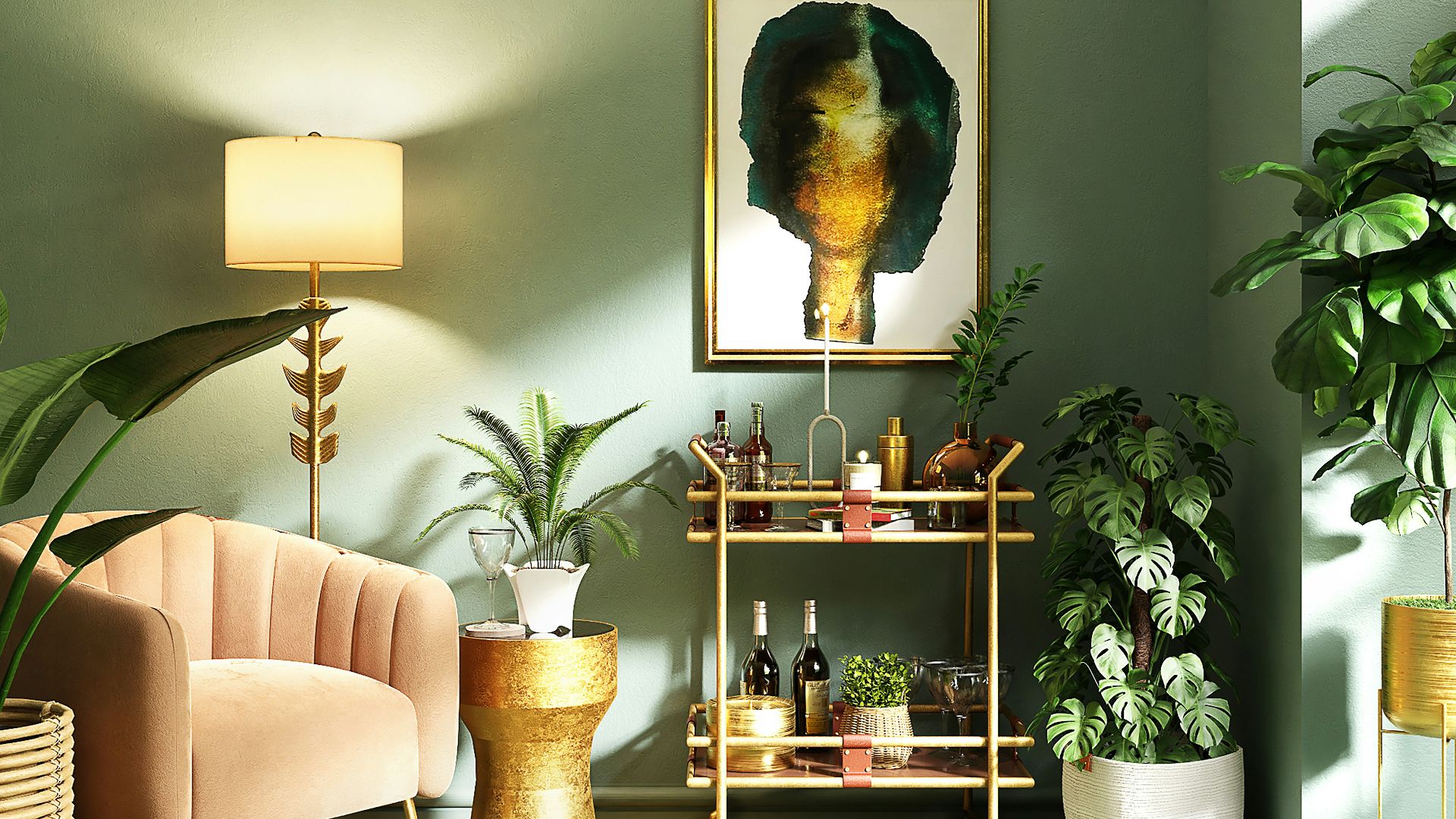
Once you’ve spotted the details you keep returning to, write a short style sentence and save it in your phone or notes app. “Warm wood, soft neutrals, vintage art, and comfortable seating” is more useful than trying to make every purchase fit a label like “traditional” or “contemporary.” It doesn’t need to cover every possible choice; it just needs to reflect the direction you keep coming back to and give you something simple to check while you shop.
Lighting should be part of the plan from the start. The Illuminating Engineering Society defines ambient lighting as overall illumination, task lighting as light for specific activities, and accent lighting as light that highlights features. A ceiling fixture may handle the ambient layer, while a reading lamp or under-cabinet fixture provides task light, and a picture light draws the eye to art. Looking at those jobs one by one makes it easier to see what the room still needs instead of asking one overhead fixture to do everything at the same time, every day.
Leave the finishing touches until after you’ve figured out your lighting and furniture choices. Nebraska Extension’s Design Decisions curriculum separates larger surfaces, furniture and fabrics, decorative items, and accessories that add personality and interest. Start with the things that have the biggest effect on function and scale, then add the books, art, family pieces, and travel finds that actually mean something to you. Over time, the mix will feel less like a showroom and more like your home, with room for everyday life and the things you care about most, day to day.