
The Story Behind the Most Iconic Love Song Ever Written
 Moeller Talent, Inc. Nashville on Wikimedia
Calling any track *the* most iconic love song ever written is a bold move, because music fans will happily argue about it for the rest of time. Still, if you measure “iconic” by how instantly recognizable it is, how many life events it shows up at, and how many people can belt along to it, “I Will Always Love You” sits near the top.
What makes it even better is that the song’s legend isn’t just about big vocals and big feelings. Its story is packed with smart choices, hard goodbyes, and one very famous moment when someone refused to sign away what they’d created. By the time Whitney Houston got her hands on it, the track had already lived a whole life, and then it somehow got even bigger.
A Goodbye Song That Didn’t Start as a Heartbreak Anthem
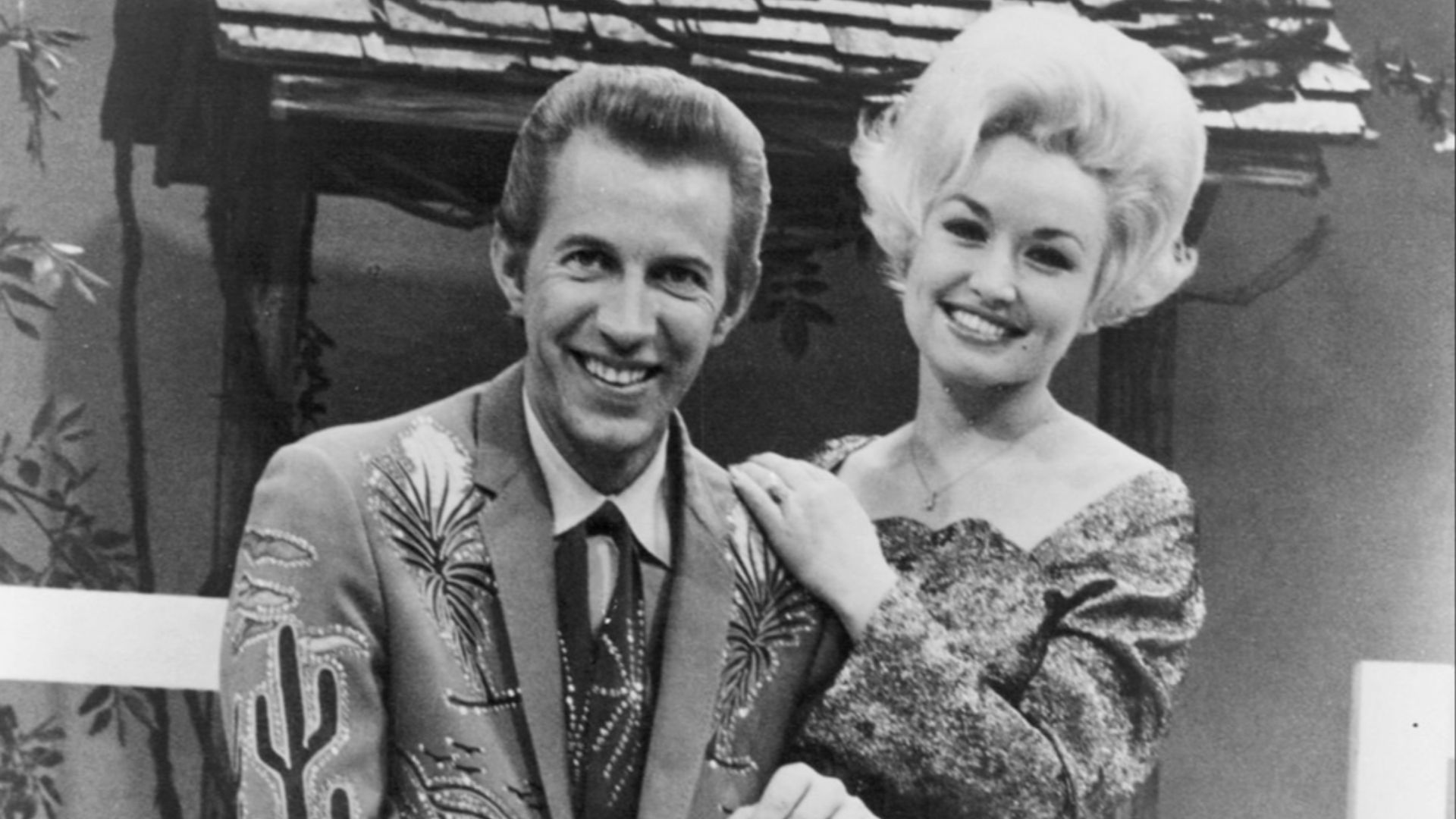
Dolly Parton wrote “I Will Always Love You” as a heartfelt farewell to her mentor and business partner, Porter Wagoner. After seven years on The Porter Wagoner Show, Parton was leaving to pursue a solo career. It may sound romantic, but surprisingly, it isn't. The fact that the lyrics can be interpreted in different ways makes it resonate with a wider range of people. If you’ve ever had to leave something or someone that still mattered to you, you can relate.
Although upset about her departure, Wagoner reportedly cried when she played it for him and said, "It's the best song you ever wrote," agreeing to produce it.
When Parton released her original recording, it wasn’t treated like a small, personal note. It became a major country hit, reaching Number one on Billboard’s Hot Country Songs, proving that a quiet emotional punch can land just as hard as a loud one. The single came out in March 1974, and it was tied to an era when her songwriting was already sharpening into something unstoppable. She famously wrote her two biggest hits, "I Will Always Love You" and "Jolene," in the same prolific week.
Then came the fork-in-the-road moment that turns music trivia into real-life drama. Elvis Presley reportedly wanted to record the song, but there was a catch involving publishing rights that Parton didn’t accept. In other words, she chose long-term ownership over a short-term opportunity, and that decision became important in the direction the song later took.
The Business Decision That Quietly Changed the Song’s Future
A lot of iconic love songs have romantic origins, but this one also has a business spine. Parton’s refusal to give up a big chunk of publishing meant she kept control over how the song would live in the world. This is the reason the song’s next chapter could happen the way it did.
The clever part is that the song never stopped being useful between Dolly’s version and Whitney’s. It stayed culturally present as a standard people could cover, reference, and return to when they needed an emotional mic drop. A truly durable love song doesn’t rely on one trend cycle, because it works in different voices and different decades.
There’s also something refreshingly direct about the lyric perspective. It doesn’t beg, it doesn’t bargain, and it doesn’t pretend leaving is painless. Instead, it frames love as something that can be real even when the relationship changes shape. That emotional clarity is part of why the song could later be transformed into a grand ballad without losing its core.
The Whitney Houston Moment That Turned It Into a Cultural Landmark
 Noah K. Murray/ staff photographer on Wikimedia
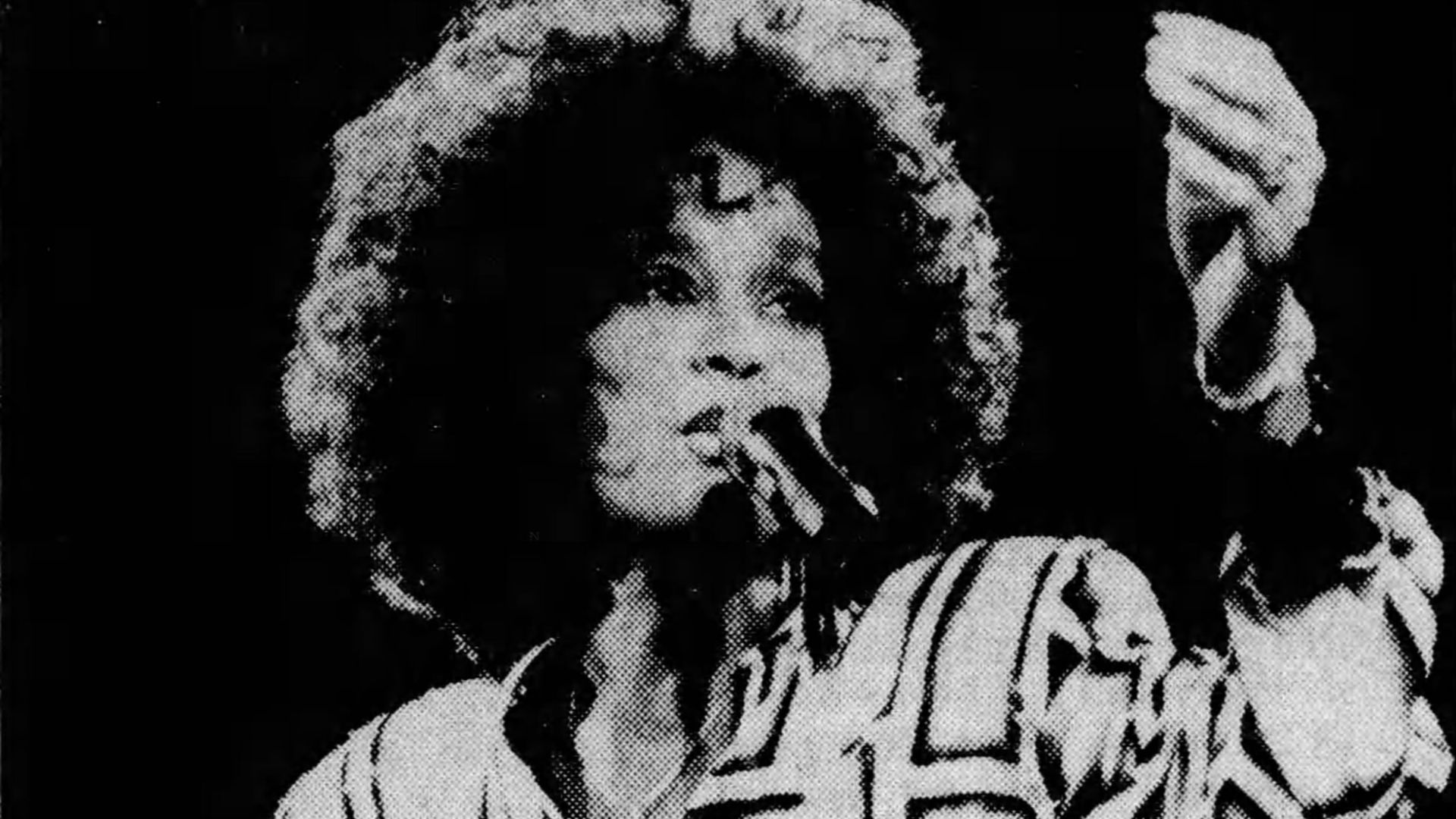
When Whitney Houston recorded “I Will Always Love You” for The Bodyguard, the song didn’t just get a new arrangement. It got an entirely new scale of fame—the kind where people who don’t follow music still recognize the opening seconds. That recording went on to dominate charts, including a 14-week run at Number one on the Billboard Hot 100, which was record-setting at the time. It became one of those rare hits that felt unavoidable, but it was so powerful and resonated with so many people that most listeners didn’t even mind.
The performance itself is a big reason the cover doesn’t feel like a copy. Houston’s vocal approach stretches the song into a slow-build emotional event, and the production frames it like a spotlight that keeps getting brighter. It’s dramatic, but it’s controlled, and that control is what keeps it from tipping into cheese. Even if you’re not a ballad person, you can respect what’s happening.
What’s fascinating is how the song now holds two strong identities at once. Dolly’s original reads like an honest goodbye you’d write when you’re trying to do the right thing. Whitney’s version feels like the cinematic version of that same truth, and together they make the song feel timeless.
By the time you’ve heard it at weddings, karaoke nights, talent shows, and in movie montages, the song starts to feel like shared property. When it stops belonging to one moment and starts belonging to everyone, it's officially become a musical icon. “I Will Always Love You” got there because the writing was strong, the choices behind it were smart, and the performances were unforgettable.