

When the term ‘midlife crisis’ comes up, you probably think about things like red sports cars, a new job, a boat, or a new hobby that someone wants to get really into. It’s easy to recognize, or at least easy to joke about, which is why it became such a cultural cliché.
Of course, nothing ever stays the same. Today, a midlife crisis seems more internal than external. It might not look like someone making an expensive purchase or completely changing their life anymore. For some people in midlife, the real discomfort isn't chaos. It's the soft, nagging sense that something has gone missing.
Why The Old Midlife Story Feels Dated

The classic midlife-crisis story was partly tied to the idea that well-being dipped around middle age and then rose again later. A 2025 PLOS ONE paper found that this old "unhappiness hump" pattern no longer appeared in the U.S. and U.K. data the researchers analyzed. The study also found that, across Global Minds data from 44 countries between 2020 and 2025, ill-being tended to decrease with age rather than peak in midlife.
That doesn't mean middle age has suddenly become easier. The same paper links the change mainly to worsening mental health among younger people, not to a sweeping improvement in midlife happiness. ScienceDaily's summary of the study makes the same point, noting that the old midlife slump appears to have faded because young people are reporting higher distress, while older adults have remained more stable.
All this to say, we’re not necessarily seeing that the classic ‘midlife crisis’ has completely disappeared; it just looks a little different. For a lot of people, some midlife discomfort may feel less like a crisis and more like emotional boredom.
What Emotional Boredom Can Look Like
Emotional boredom isn't the same as having nothing to do. Many people in midlife have plenty to do. They haven’t retired yet, they have children or possibly even grandchildren to see, and there’s a plethora of other life-related appointments that continue to fill their days. The boredom comes from repetition without much renewal, where one’s life continues to be busy but starts to feel oddly underlit.
HelpGuide describes a midlife crisis as a period of self-reflection and emotional turbulence that some middle-aged adults experience, while noting that "midlife" roughly falls between ages 40 and 60. It also says that only about 10 to 20 percent of adults claim to have experienced a midlife crisis. The same source lists signs that can include sadness, regret, restlessness, daydreaming, irritability, nostalgia, impulsive behavior, and changes in ambition.
When we pivot this idea into a story of emotional boredom, those signs may be subtle. You might catch yourself daydreaming about a different career, a different city, or a version of your life where everything feels more vivid. You may not want to leave your whole life behind, but you’re certainly wishing for something…more.
Why Stable Lives Can Still Feel Stuck
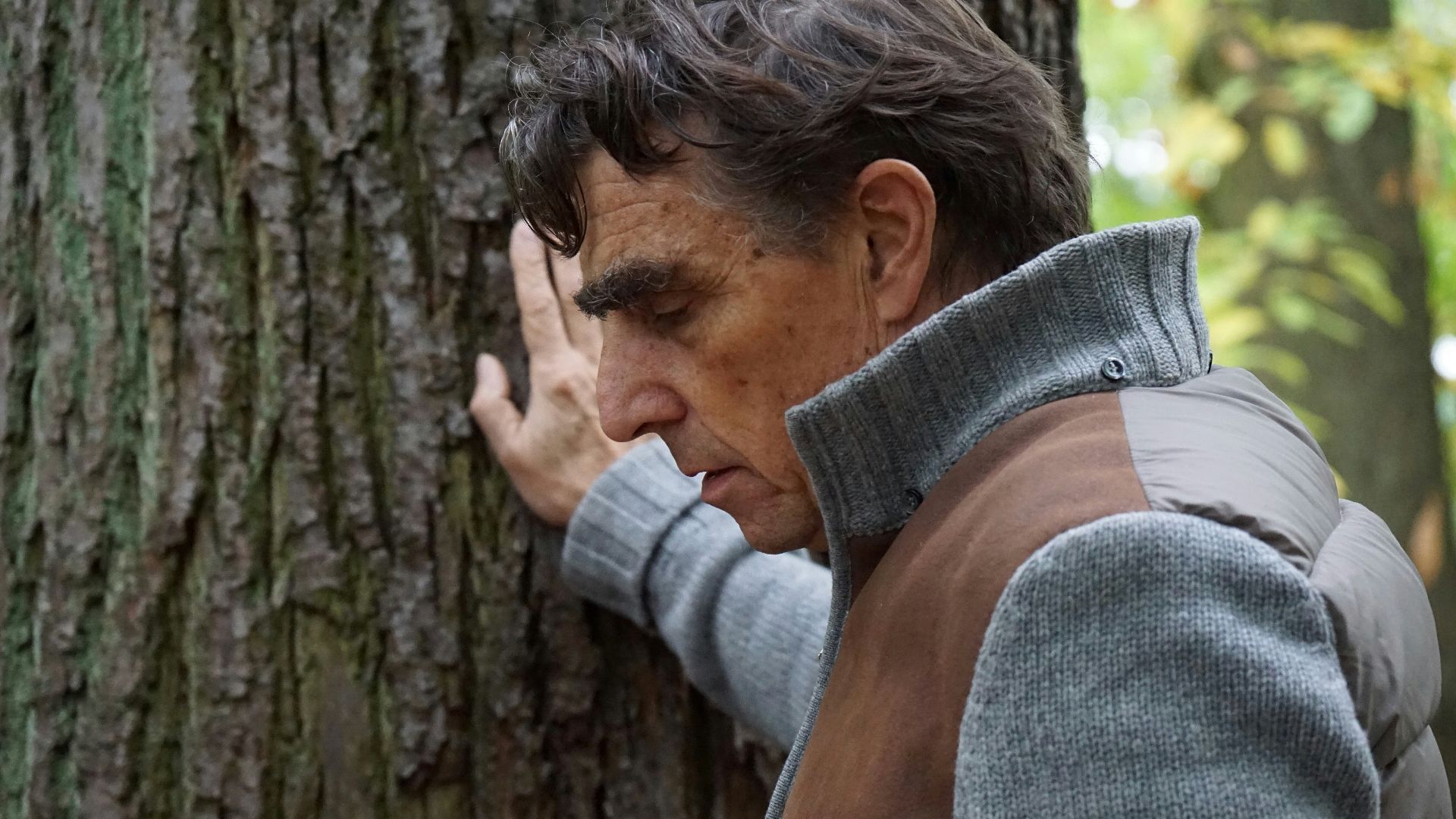
One reason this feeling is so slippery is that stability can hide it. If your life looks fine on the outside, it can feel dramatic or ungrateful to admit that you're restless. The bills are getting paid, the calendar is full, the relationship may be steady, and yet the days still feel like they’re blending together.
Psychology Today has described "fear of being boring," or FOBB, as a midlife experience tied to the gap between how people used to see themselves and how their lives look now. The article frames midlife more as a transition than a crisis, and notes that people may compare their current routines with earlier years that felt more spontaneous or exciting. This might be a feeling that you recognize.
Greater Good Magazine has written about midlife stress as something shaped by caregiving for children and parents, financial strain, and shifting responsibilities. While it doesn’t mean you’re bound for a breakdown, these monotonous routines can create a dull, tired sense that there's no space left for desire, curiosity, or play.
Ways To Feel Like Yourself Again

A responsible answer here should avoid pretending that a new hobby fixes every deeper problem. If someone is dealing with persistent sadness, major sleep changes, hopelessness, heavy substance use, or thoughts of self-harm, that person deserves real support from a qualified professional. For ordinary restlessness or emotional flatness, though, small changes can definitely help.
HelpGuide recommends accepting change, maintaining a sense of purpose, prioritizing self-care, and adjusting how you think about midlife and aging. It suggests trying new hobbies, revisiting old interests, exploring new places, volunteering, practicing gratitude, and looking back at accomplishments rather than only missed chances.
The key is to choose changes small enough to actually survive your week. Take a different route on a walk, sign up for a class, invite a friend to do something new, or give two hours to a cause that makes you feel useful. The point isn't to become a brand-new person, but it helps to put a little friction into your routine.
Maybe the new midlife crisis isn't really a crisis in the old sense. Maybe, for some people, it's a signal that a life can be stable and still need more meaning, novelty, or emotional oxygen. Emotional boredom doesn't mean everything is wrong. It may simply mean some part of you is ready to participate again.