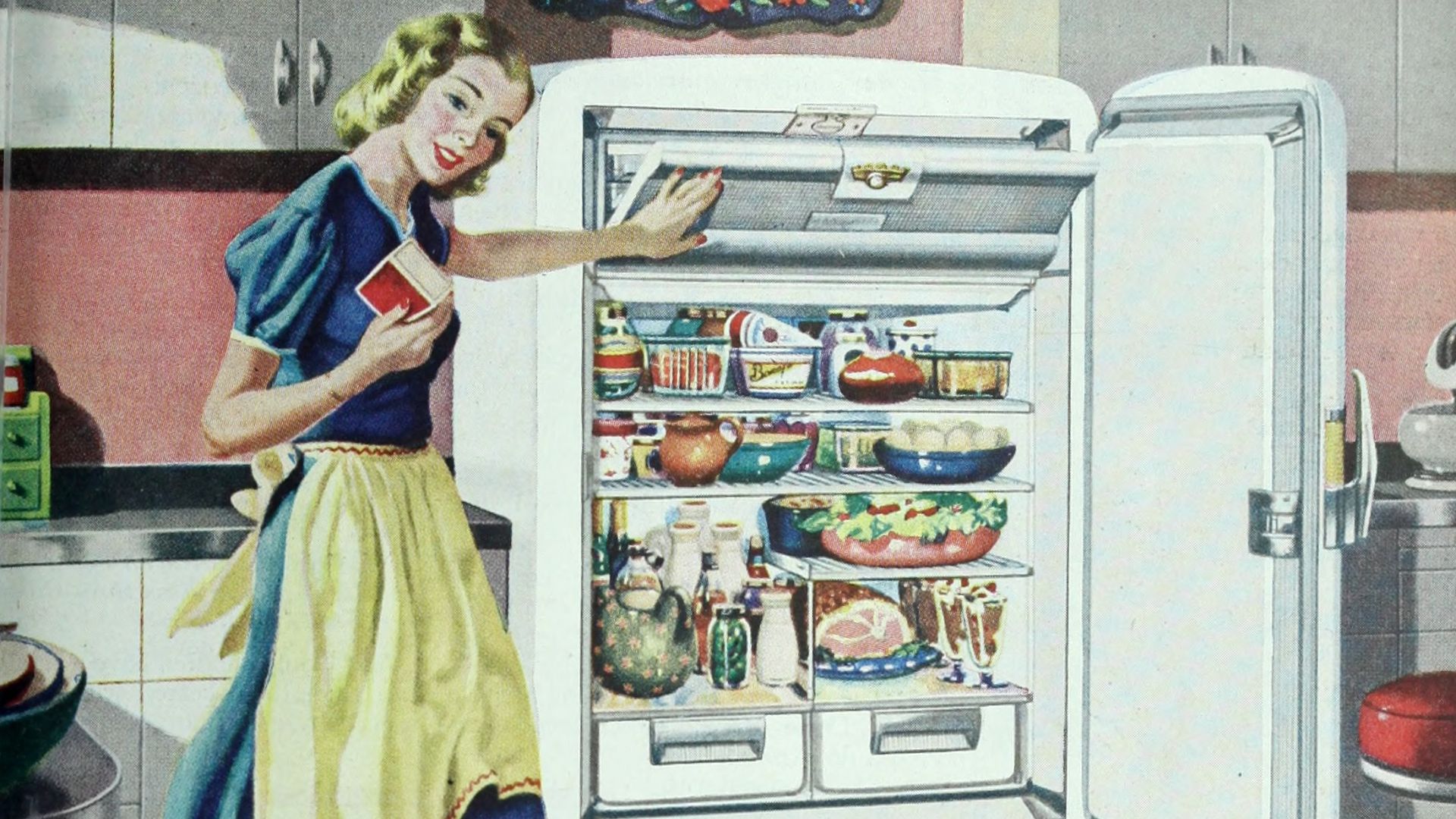
The stay-at-home girlfriend trend has captured attention across social feeds, especially among younger audiences. It presents a glossy picture of leisure and self-care, often framed as a consensual partnership where one person handles domestic life while the other provides financial support. Yet behind the curated clips lies a complex mix of potential risks and unintended consequences that deserve a thorough look-through.
For many, the appeal is clear: space to focus on wellness routines, Pilates classes, and daily rituals that a working woman doesn’t have the privilege to do. This agreement, however, can blur respected boundaries between couples, making autonomy harder to sustain over time. Read as a lifestyle narrative, it can obscure deeper questions about independence, career growth, and long-term security.
The Financial Safety Net

Without an independent income or a formal legal framework, a stay-at-home girlfriend can find financial vulnerability creeping in. A lack of steady earnings means fewer assets or savings to rely on if the relationship ends. As one becomes more independent and their daily lives are tailored to one person’s finances, it’s easy to lose autonomy.
Experts emphasize that education and marketable skills remain crucial for flexibility and resilience. When those foundations are missing, the door to serious disruption in the event of a breakup opens wide. Shared assets and plans become murky, with no alimony or child support to lean on in the event of marriage- or parenthood-related shifts. This legal and financial gap highlights why many observers view the arrangement as precarious for long-term security.
This is often discussed by social media users as a “vulnerability trap,” where the absence of a safety net makes leaving unhealthy dynamics feel almost impossible. The comparison to a traditional marriage reveals different layers of protection, particularly where property division and support obligations come into play. With no marriage, no legal backing, a breakup can leave someone with next to nothing if they’re not careful.
Stifled Personal Growth
The lifestyle described in many SAHG narratives can appear appealing on the surface, yet it frequently carries a price in terms of personal development. When daily life centers on leisure activities with minimal professional or educational engagement, opportunities to cultivate new skills can dwindle.
This stagnation often extends to long-term career prospects and intellectual growth.
Former SAHGs also suggest that, over time, there is a drift away from ambition and independent identity. The emphasis on routine wellness and passive income can dampen the motivation needed to pursue further training or education. Therapists and commentators note that steady employment contributes to emotional resilience and a sense of competence, essential ingredients for navigating life’s inevitable changes. Baseline: You’re going to get emotionally soft.
The concern is not simply about deviation from work but about the potential erosion of self-definition outside the relationship. When the personal story is defined primarily by a partner’s provision, a lot of internal momentum can stall.
Abuse And Power Imbalance

Financial dependence can create some serious power imbalances within relationships. Even if your partner isn’t emotionally or physically abusive, their money can be used to control, manipulate, or trap a partner in unhealthy dynamics.
The absence of formal protections in the absence of marriage can intensify these dangers, leaving little legal recourse for those facing coercion or abuse.
Online conversations highlight the discomfort of unequal power dynamics, where a partner’s ability to provide financially creates expectations or coercive pressure. In this framework, the concept of safety within the relationship becomes contingent on ongoing financial dependence.
Broader Societal Risks

Beyond individual relationships, the SAHG trend is seen by many as potentially influencing larger patterns around independence and gender equality. There are concerns that glamorizing imbalance before marriage delays commitment and can alter expectations about shared responsibility. This shift might undermine progress toward equal partnership and financial literacy for women, with implications that extend into midlife and family planning.
Media outlets have echoed concerns about the long-term impact of childless homemaking and its future-proofing. The argument centers on whether women can sustain long-term security if traditional career trajectories are deprioritized. The conversation also touches on the potential for intergenerational effects, where young people model behaviors that prioritize immediate gratification over skill-building and resilience.
The stay-at-home girlfriend trend draws attention with its glossy portrayal of a carefree, wellness-forward lifestyle. Yet the underlying dynamics raise legitimate concerns about financial security, personal growth, and vulnerability to exploitation. The overarching takeaway centers on safeguarding autonomy, embracing education, and fostering partnerships built on mutual respect and shared responsibility.
If you’re choosing this path within a relationship, concrete steps toward empowerment include maintaining independent income streams, investing in ongoing skill development, and ensuring clear financial arrangements. Ultimately, a balanced approach—one that values personal growth alongside connected life—offers the clearest route to a future that feels both secure and satisfying.