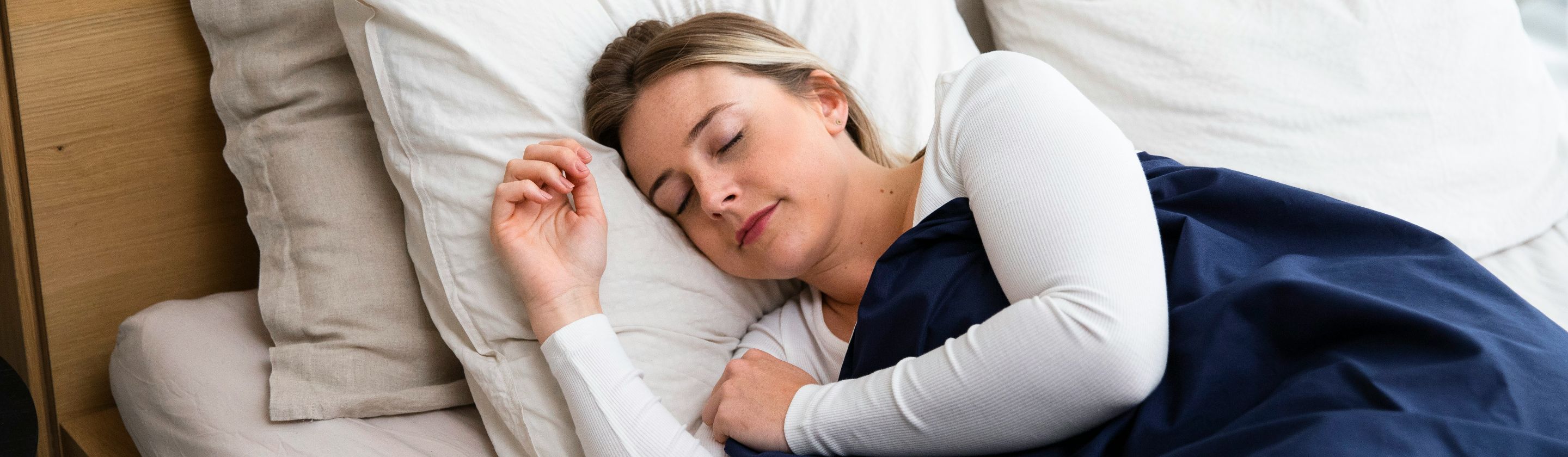
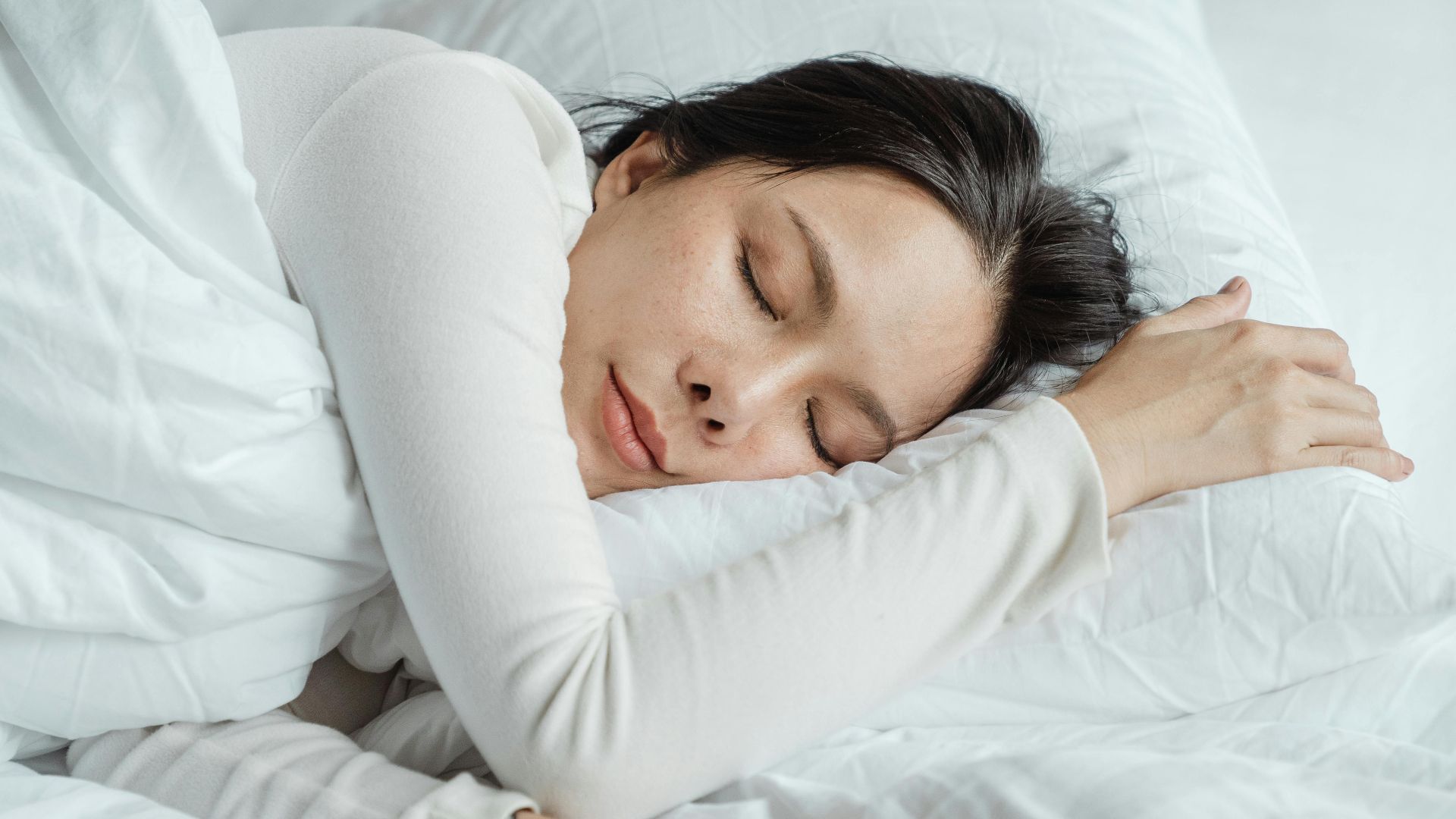
Ever feel like you need more sleep than your partner, brother, or male colleagues? You might not be imagining it. As per sources, women genuinely require more sleep than men—and there's fascinating science behind why our brains demand those extra Z's.
Apparently, women's brains are wired to multitask more intensely than men's. A groundbreaking study from Loughborough University's Sleep Research Centre found that women need about 20 minutes more sleep per night than men on average. Why? Because the female brain is working harder during waking hours, it juggles multiple complex tasks simultaneously and makes more lateral connections throughout the day.
The Brain Works Differently, So It Needs A Different Recovery Time
Dr. Jim Horne, the study's lead researcher and former director of the Sleep Research Centre, explained that sleep serves as the brain's recovery period—when it repairs itself and consolidates memories from the day. The more you use your brain in complex ways during the day, the more recovery time it needs at night. Women tend to multitask more and use more of their actual brain than men do, which means they need more time to recover.
Think of it like this: if your phone runs more apps simultaneously throughout the day, it's going to need a longer charge at night. The same principle applies to our brains. Women's brains are processing language, emotions, problem-solving, and memory formation all at once, creating a higher cognitive load that demands more restorative sleep.
Hormones Create A Perfect Storm For Sleep Disruption
Beyond brain differences, women face a monthly hormonal rollercoaster that men simply don't experience. Estrogen and progesterone levels fluctuate throughout the menstrual cycle, directly impacting sleep quality and duration. Right before menstruation, progesterone drops dramatically, which can make falling asleep harder and cause more nighttime awakenings.
Then there's pregnancy, which brings its own sleep challenges—physical discomfort, frequent bathroom trips, and anxiety about the baby. Postpartum life introduces sleep deprivation on a whole new level with nighttime feedings and infant care. And let's not forget menopause, when hot flashes and night sweats can wake women multiple times per night.
According to research published by Duke University, poor sleep affects women's health more severely than men's. Women who don't get adequate sleep show higher levels of psychological distress, greater feelings of hostility and anger, and increased depression compared to sleep-deprived men. The study found that insufficient sleep was associated with higher inflammation markers in women's bodies, which can increase risks for heart disease, type 2 diabetes, and other chronic conditions.
Listen To Your Body
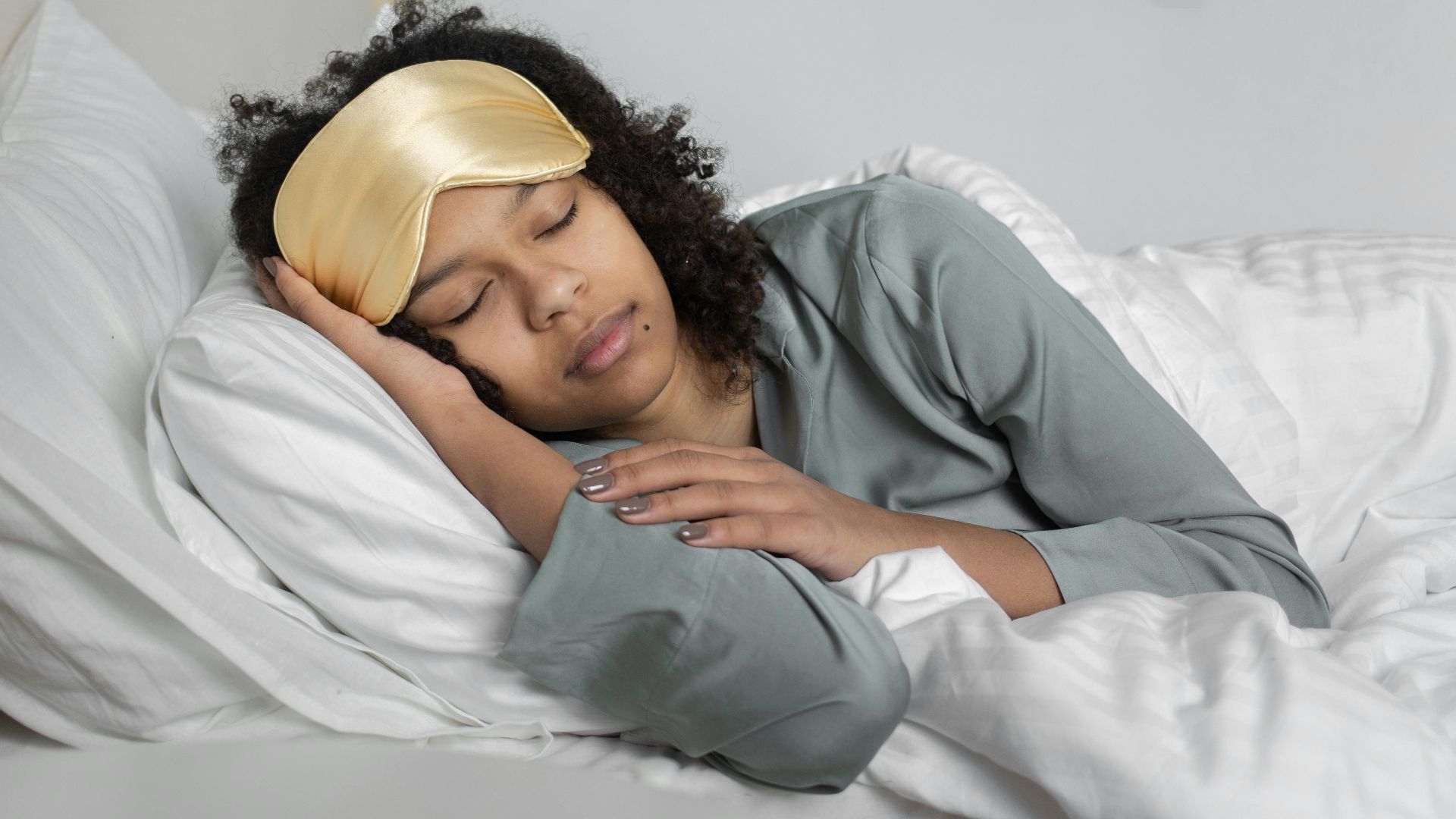
So if you've been feeling guilty about hitting snooze or needing an earlier bedtime than the men in your life, stop!
Your brain is literally demanding more recovery time, and your hormones are making quality sleep harder to achieve. The science backs you up: women need more sleep, and skimping on it has real health consequences. Prioritize those extra minutes—your brain, body, and mood will thank you.