"Gray Divorces” Are Rocking Senior Relationships – But What Exactly Are They?
The national divorce rate may be decreasing for younger generations, but for Americans aged 50 and older, it’s on the rise. You’ve likely noticed an increase in discussion around the phrase “gray divorce” in both news headlines and social media bubbles. Defined as when older generations decide to end their marriage, gray divorces are on the rise. For many Boomers, retirement is no longer about settling down and remaining faithful to a life partner. Many older people are choosing to divorce because they don’t want to spend their later years unhappy.
The reasons for this shift are as varied as the couples themselves, ranging from newfound financial independence to a simple desire for a fresh start. You’re seeing a cultural shift where the stigma of ending a long-term marriage is fading away, replaced by an emphasis on personal fulfillment and mental health. This isn't just about celebrities or the ultra-wealthy either; it's happening in every neighborhood across the country. Understanding why this is happening requires a look at how our society’s views on aging and longevity have evolved over the last several decades.
The Drivers Behind the Silver Split

Perhaps the biggest reason gray divorce is happening centers around what many people call the “empty nest” period. You’ve spent years raising your children and worrying about logistics like their school and activities. It can be easy to overlook that you and your partner might not actually like each other very much. But after the kids move out, many couples find they have nothing in common but their children. When that realization hits, it can come as quite a shock and make many people feel they’d rather be alone than with a stranger.
Increased life expectancy also plays a massive role in why seniors are choosing to walk away from decades-long commitments. If you’re 60 years old today, you could easily have another thirty years of active, healthy life ahead of you. That’s a long time to spend with someone if you’re unhappy, and many people are choosing to prioritize their own peace of mind for those remaining decades.
Women have also gained more financial independence as the years have progressed. Many women in their later years now have careers and retirement funds of their own. So if their marriage is unhappy, they have the means to leave without worrying about how they’ll pay the bills. A lot of women stayed in miserable marriages before because they had no other choice. Now that they can leave and take care of themselves, many see that as the perfect opportunity to start living their lives for themselves.
Financial and Social Ripple Effects
Splitting up later in life comes with a unique set of financial challenges that younger couples don't usually have to worry about quite as much. You aren't just dividing up a bank account; you’re often splitting pensions, 401(k) plans, and Social Security benefits that were meant to support two people. Dividing these assets can lead to a significant drop in the standard of living for both parties, as the cost of maintaining two households is much higher than one. It’s a complex puzzle that requires careful planning to ensure both people remain financially stable as they age.
The social impact on the extended family can also be quite surprising for those who think "the kids are grown, so it’s fine." Adult children often feel a sense of instability when their parents' long-standing marriage ends, and it can complicate holiday traditions and family gatherings. You might find yourself navigating awkward conversations about who attends which birthday party or how to handle the news with the grandkids. While it’s certainly manageable, the emotional labor involved in restructuring a family after forty years is definitely significant for everyone involved.
However…. silver linings! Divorce can open up a whole new world for you socially. You may find new passions. Reconnect with old friends. Enjoy the freedom of only needing to plan around yourself. If you felt trapped in your marriage, getting a divorce as a senior can feel like the beginning of your “second act!”
Navigating the Emotional Landscape
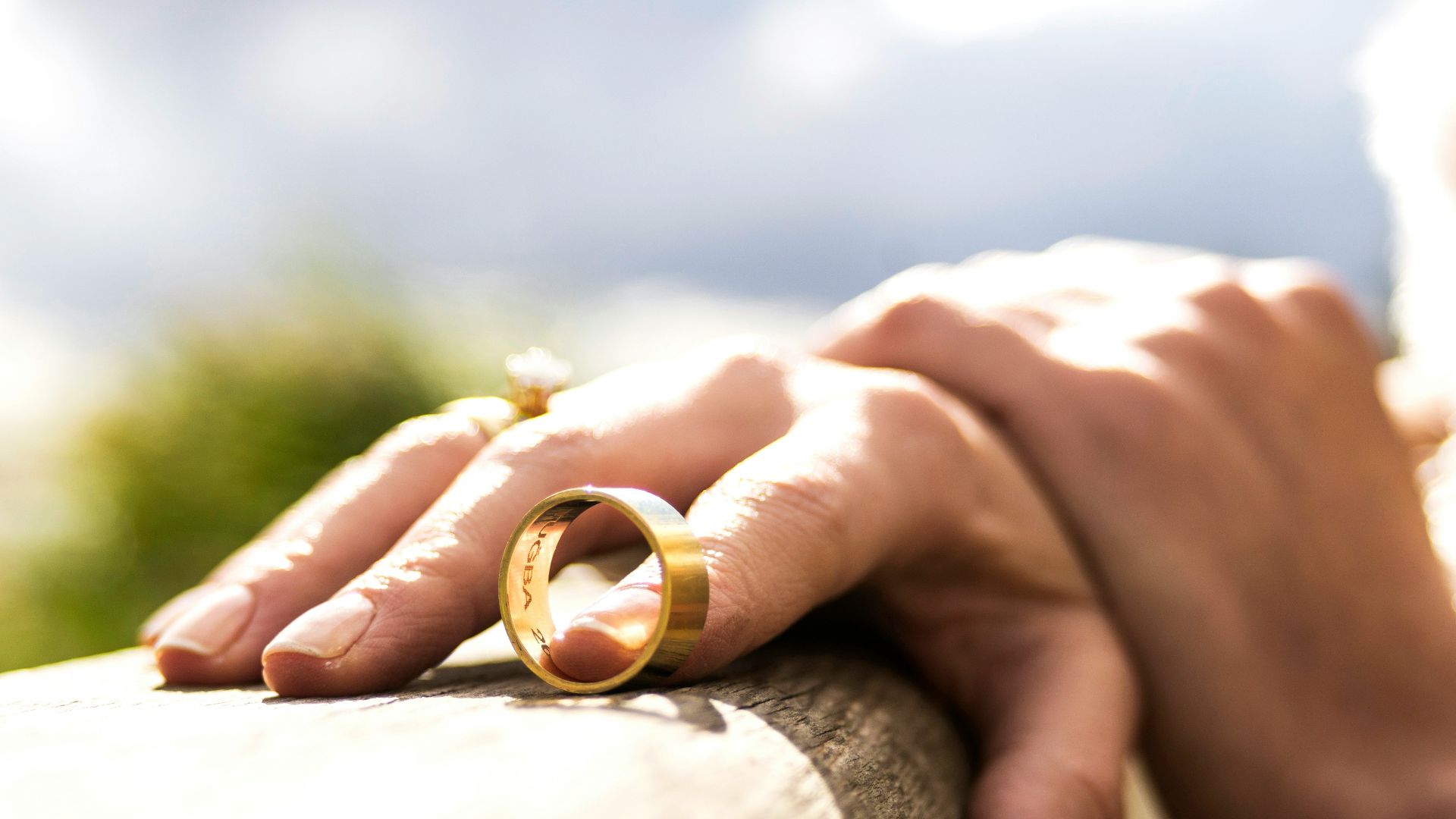
The emotional toll of ending a long-term marriage shouldn't be underestimated, even if the split is amicable and mutually agreed upon. You’re effectively grieving the loss of a shared identity and a future that you’ve likely been imagining for several decades. It’s common to feel a mix of relief and profound sadness as you pack up a house filled with a lifetime of memories. Taking the time to process these feelings is essential for moving forward healthily into your new solo chapter.
Lean on others for support, whether that’s close friends or a therapist. (Hint: It’s okay to do both.) Friends your age are going to have advice or judgment to share, so try to take what you need and filter out the rest. Find a solid self-care routine you can fall back on when depression strikes, and focus on keeping your body moving, even if you don’t “feel” like it. Connecting with other newly-single folks your age can help you remember that you’re far from alone.