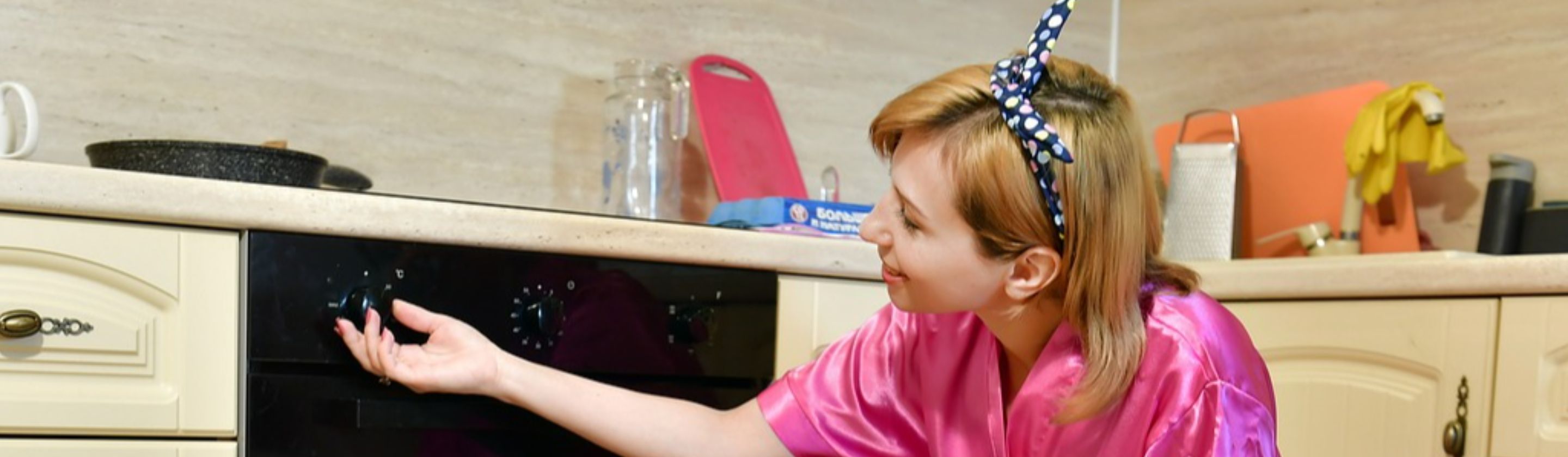
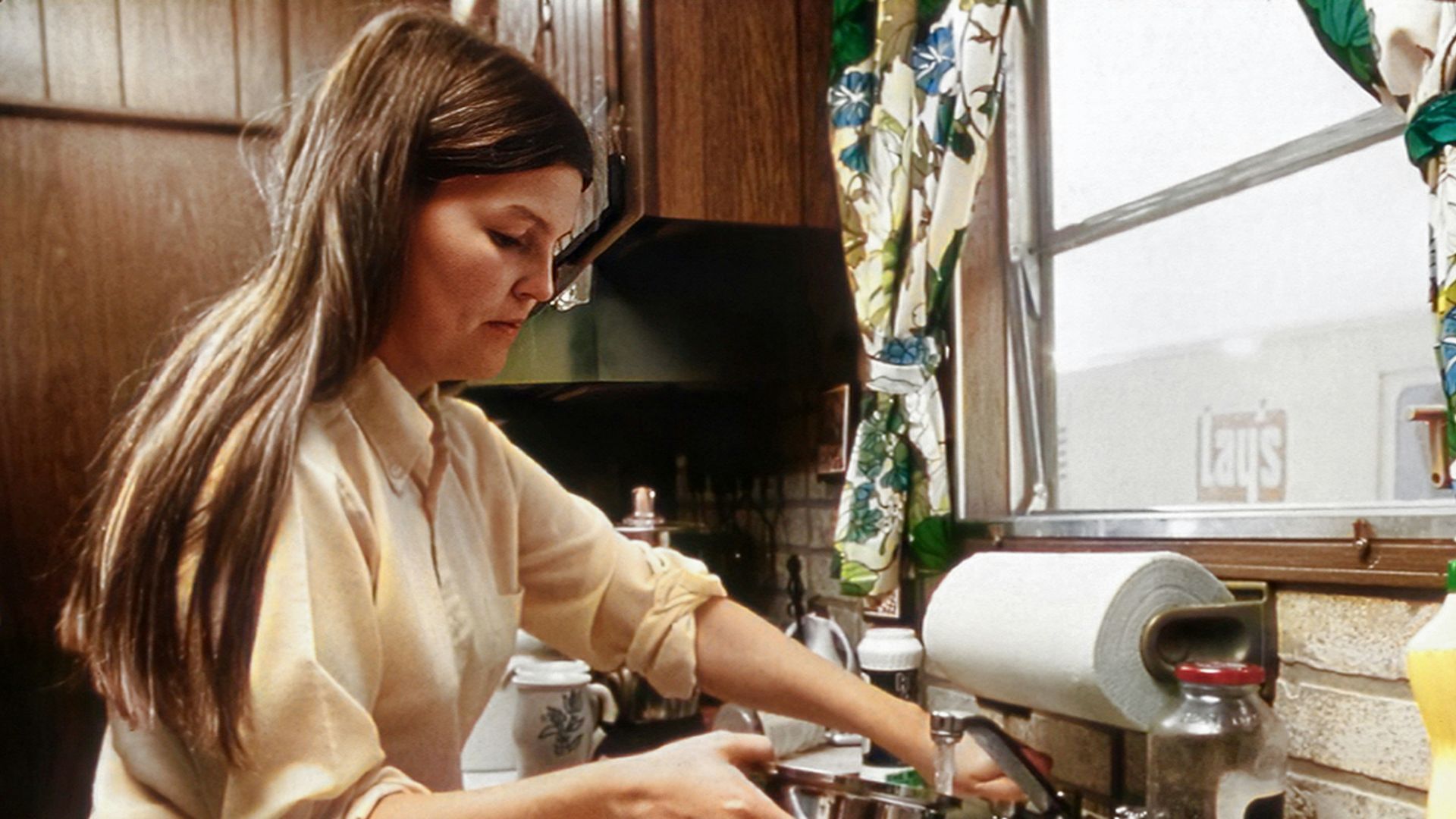
The rise of the "trad wife" phenomenon has taken social media by storm, presenting a nostalgic vision of domestic life that feels like a trip back to the mid-twentieth century. You've likely seen aesthetic videos of women in vintage floral dresses baking sourdough bread from scratch or meticulously arranging fresh flowers in a sun-drenched kitchen. While it might look like a simple escape from the modern rat race, this lifestyle is actually a deliberate choice to embrace traditional gender roles and domesticity in a digital age. It’s a movement that sparks intense debate, as it challenges contemporary ideas about career-oriented success and the division of household labor.
Choosing this path isn't just about wearing aprons or avoiding the nine-to-five grind; it’s a total shift in how one perceives their role within the family unit and society. For many, the appeal lies in the rejection of "hustle culture" in favor of a slower, more intentional way of living that prioritizes the home as a sanctuary. However, it’s important to look beneath the polished filters to understand the practical implications of such a significant life change. Whether viewed as a radical act of self-care or a step backward for social progress, the trad wife lifestyle carries a unique set of advantages and challenges that deserve a closer look.
The Allure of Domestic Stability and Focus
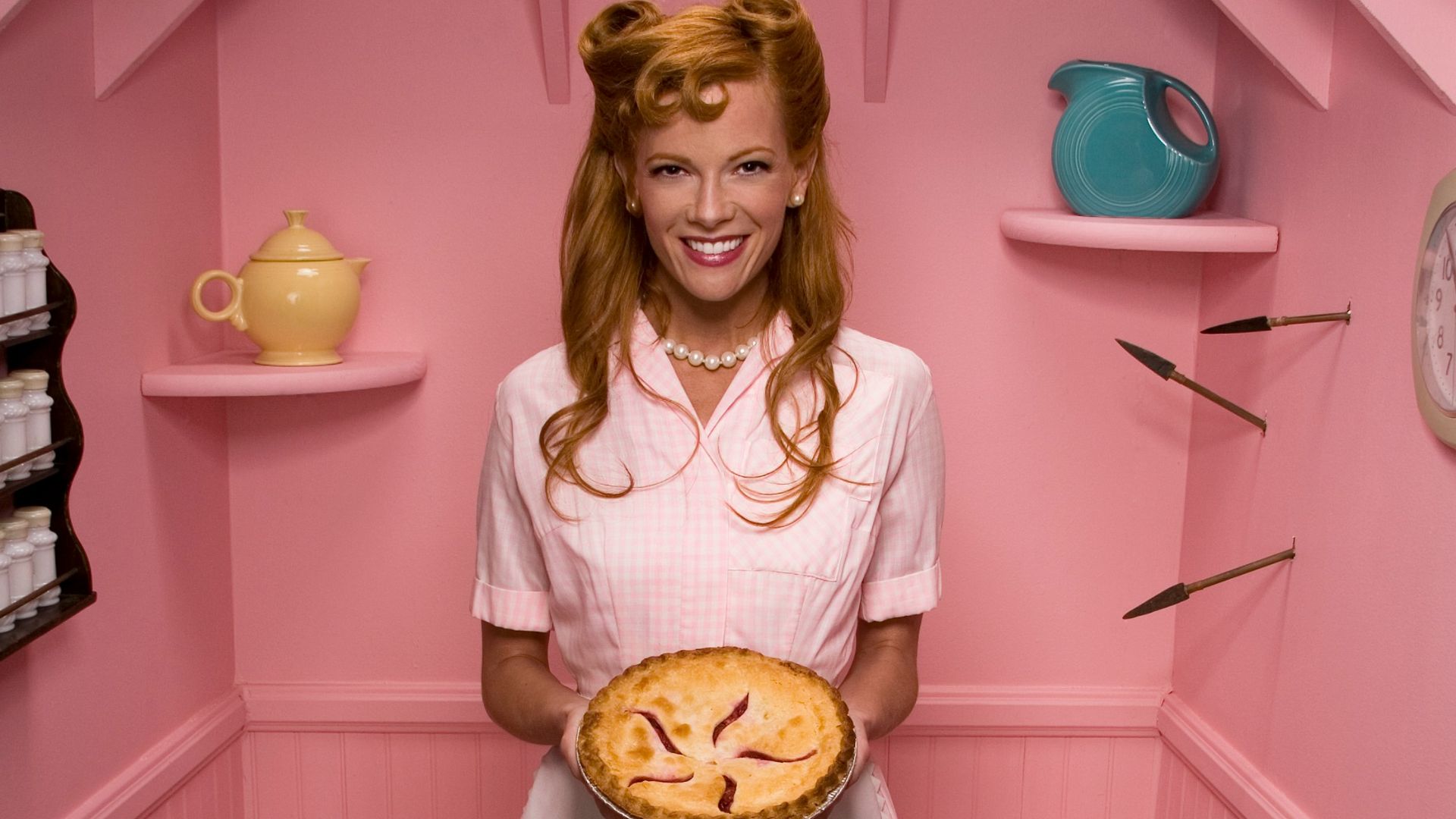
Tradwife life allows individuals to completely eliminate the stress of both climbing the career ladder while maintaining a household. It becomes possible to ensure that home life is as immaculate, calm, and nurturing as possible for the family. When there is no need to worry about missing a meeting while at the grocery store or picking up children from daycare, more mental space becomes available. Time and energy are dedicated to homemaking skills, many of which have been lost or de-emphasized in modern society, along with pride in mastering daily household responsibilities.
As a stay-at-home wife, there is also the opportunity to experience the satisfaction that comes with being the primary contributor to a family’s day-to-day life. There is time to cook meals at home and maintain a consistently tidy living space, which some consider an overlooked skill in modern life. This arrangement allows some women to feel a strong sense of purpose and identity outside of workplace evaluations or performance reviews. For some, the value lies in knowing that their work is noticed and appreciated, even when it is part of what is often called “invisible labor.”
When both partners are fully committed to their roles, traditional marriage structures can create a clear division of responsibility within the household. One partner provides financial support through work outside the home, while the other focuses on managing domestic life. This clarity of roles can reduce friction around daily tasks, as responsibilities are more clearly defined. Many couples in such arrangements report fewer disagreements about chores like taking out the trash or doing laundry, since expectations are established in advance.
Navigating Financial Risks and Dependencies
While the lifestyle can be fulfilling, it also introduces a high degree of financial vulnerability that deserves careful consideration. By stepping out of the workforce, an individual gives up independent income, personal retirement contributions, and long-term financial autonomy. This means financial stability becomes closely tied to a spouse’s income and the overall stability of the relationship. Life circumstances can change unexpectedly, and events such as job loss, illness, or divorce can leave a non-working partner in a precarious position without a professional safety net.
Maintaining a relevant skill set becomes more difficult after spending several years or decades outside the workforce. Professional industries evolve quickly, and returning after a long gap can present significant challenges. Employment gaps may affect hiring opportunities, and re-entry into the job market can sometimes lead to lower starting wages or reduced options compared to continuous employment. It is important to consider how financial independence could be re-established if returning to work becomes necessary.
Additionally, financial imbalance within a household can influence relationship dynamics in subtle and overt ways. Even in supportive partnerships, a lack of personal financial resources or discretionary spending money can create a sense of reduced autonomy. Everyday decisions about spending may feel dependent on approval or discussion, which can affect how agency is experienced within the relationship. While some trad wife frameworks emphasize mutual support and clearly defined roles, healthy relationships generally benefit from shared financial transparency and mutual respect regardless of who earns income.
This lifestyle can also feel more socially isolating in the modern era. Individuals may find themselves surrounded by friends or family members who question their choices. Some may interpret staying at home as a rejection of feminist progress or a lack of use of educational achievements. Navigating these perceptions requires a strong sense of personal conviction in one’s choices. Additionally, without a nearby community of like-minded individuals who share similar domestic priorities, feelings of isolation can increase over time.