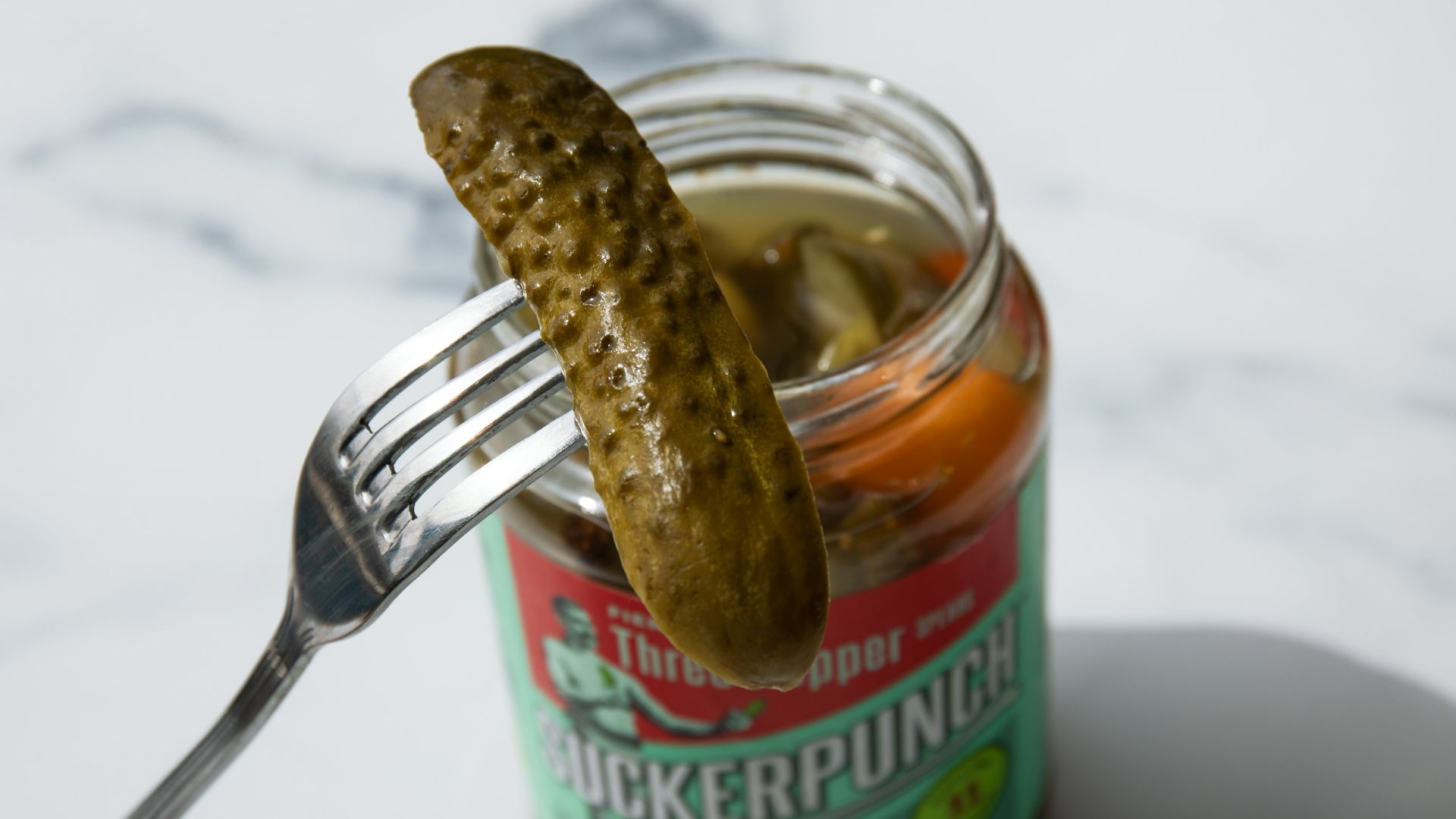
 SuckerPunch Gourmet on Unsplash
It's 11 p.m. when the craving hits—an overwhelming need for that tangy, salty crunch of a pickle so intense it feels impossible to ignore. For generations, pregnant women have found themselves raiding the refrigerator for that briny jar, becoming the butt of jokes and the star of countless sitcom scenes.
But here's what makes this phenomenon fascinating: while between 50 and 90 percent of pregnant women experience food cravings, scientists still can't definitively explain why pickles have become the poster child for pregnancy munchies. The truth behind this craving involves a complex web of hormonal chaos, rewired taste buds, cultural conditioning, and maybe even your body's clever survival tactics working overtime.
When Your Taste Buds Go Rogue
Pregnancy converts a woman's body into a hormonal powerhouse. Estrogen and progesterone levels skyrocket—so dramatically that a woman produces more estrogen during one pregnancy than throughout her entire non-pregnant life. These hormones don't just prepare the body for a baby; they completely rewire sensory perception. Research published in Chemosensory Perception reveals that pregnancy hormones can alter taste bud morphology and brain processing of flavors.
Here's where it gets interesting: about 26 percent of pregnant women experience decreased salt sensitivity. When your taste buds can't detect salt as effectively, you might crave intensely salty foods like pickles just to register that satisfying savory hit. It's not that you need more sodium—most people already exceed the World Health Organization's recommended 2,000 milligrams daily—but your altered perception drives you toward that briny jar.
The Nausea Connection And Hydration Hypothesis
Morning sickness plagues many expectant mothers, particularly during the first trimester. The sour, tangy nature of pickles might offer relief. Sour candies are a common home remedy for pregnancy-related nausea, and pickles deliver that same sharp, palate-cleansing sensation. Additionally, the salty content in pickles might encourage you to drink more water, helping combat the dehydration common in early pregnancy when vomiting depletes fluids.
Culture, Psychology, And The Power Of Suggestion

Not all pregnant women worldwide dream of dill pickles. Cultural context shapes cravings dramatically. In Japan, rice tops the craving list, while Tasmanian mothers-to-be apparently can't get enough mangoes. In Nigeria, fruits and vegetables dominate. This suggests that availability and familiarity play massive roles.
The pickle stereotype itself might perpetuate pickle cravings, a fascinating psychological feedback loop. If you've heard your entire life that pregnant women crave pickles, you're more likely to experience that exact craving when expecting. Some scientists believe cravings have psychological roots, where cultural expectations and personal associations with comfort foods guide our desires. The oddity factor also matters; pickles became iconic pregnancy food partly because the pairing seems so bizarre, making it memorable and reinforcing the stereotype.
The truth? Your pickle obsession is probably a cocktail of hormonal changes, taste alterations, and cultural conditioning. And honestly, if those crunchy green spears bring you joy during the wild ride of pregnancy, science says enjoy them—just maybe keep an eye on that sodium intake.