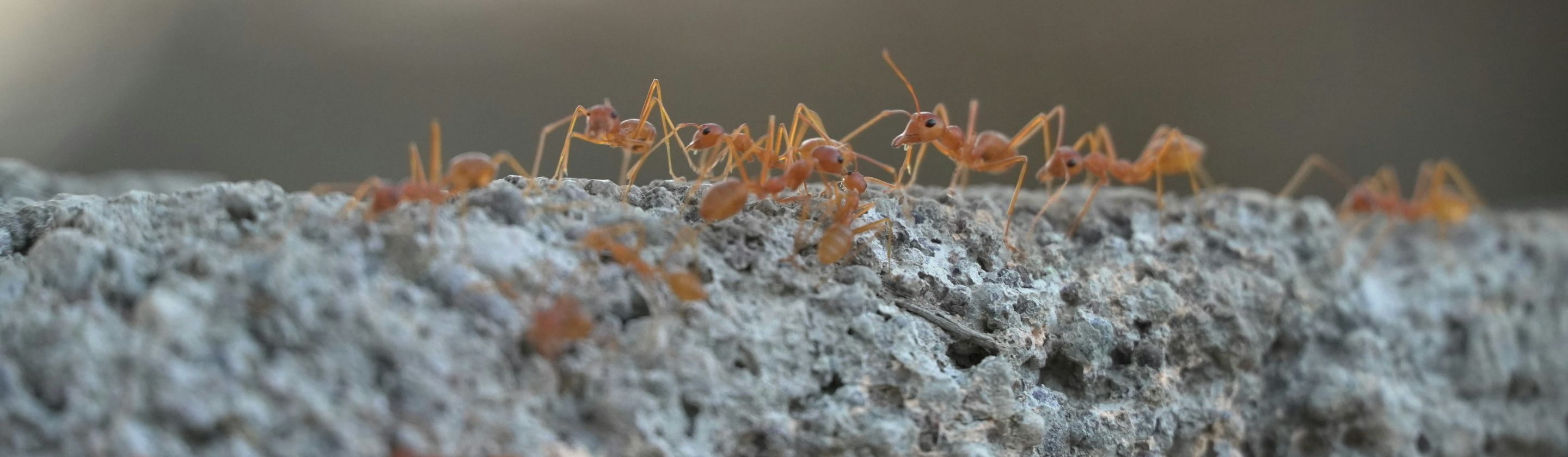
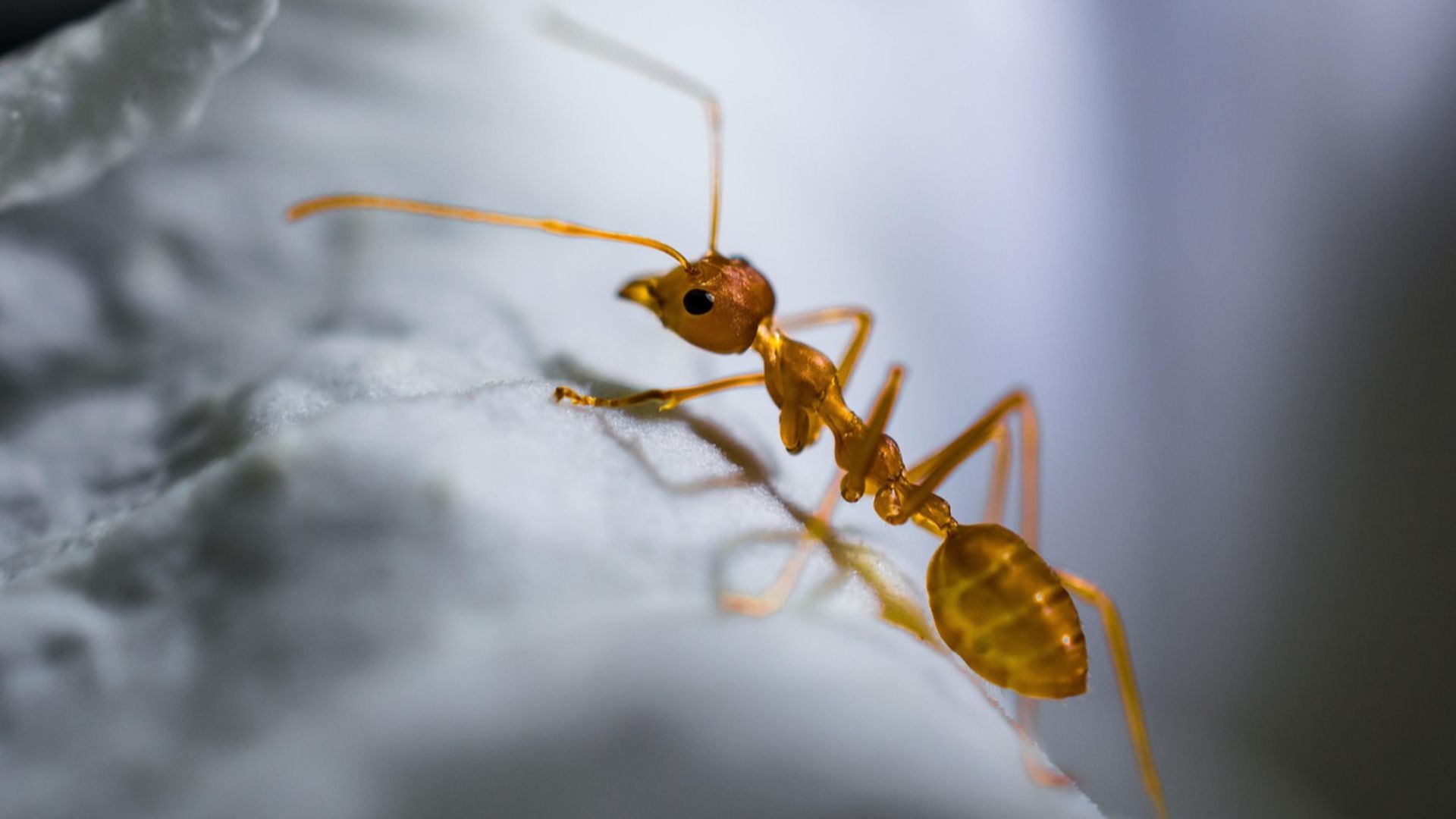
Pharaoh ants look harmless at first, tiny and almost delicate even.
However, once they settle into a warm corner of a house, they behave like long-term tenants. You might spot one near the sink, discover a few along a windowsill, and realize they’ve already sent word back to the colony. A little know-how goes a long way, so keep reading to learn how to handle these persistent visitors.
Understanding What You’re Dealing With
Pharaoh ants rank among the most stubborn household pests because they hide in places most people overlook. Cracks inside cabinets and the warm space behind a refrigerator all offer them comfort and protection. They are tiny enough to slip behind electrical plates and slim gaps beside pipes, which makes them feel as if they appeared out of nowhere.
Once a colony becomes comfortable, the ants branch into several interconnected nests. It is their way of increasing survival. If one nest feels threatened, workers scatter and form new colonies in nearby crevices. That habit turns a simple infestation into a maze of mini settlements inside the same home.
Why Pharaoh Ants Show Up
Ants rarely wander without purpose. They follow scent trails left by other workers who checked the area earlier. Kitchens attract them because food residue hides in surprising places. A small smear of jam or a line of sugar crystals near the coffee maker is enough to draw a steady stream. Pet bowls and damp sponges raise the appeal even more.
Warmth plays a major part, too. Pharaoh ants prefer indoor temperatures all year long, which is why they thrive in apartments and buildings with steady heating. Once they find a cozy spot, they mark paths for others to follow.
A Better Way To Get Rid Of Them
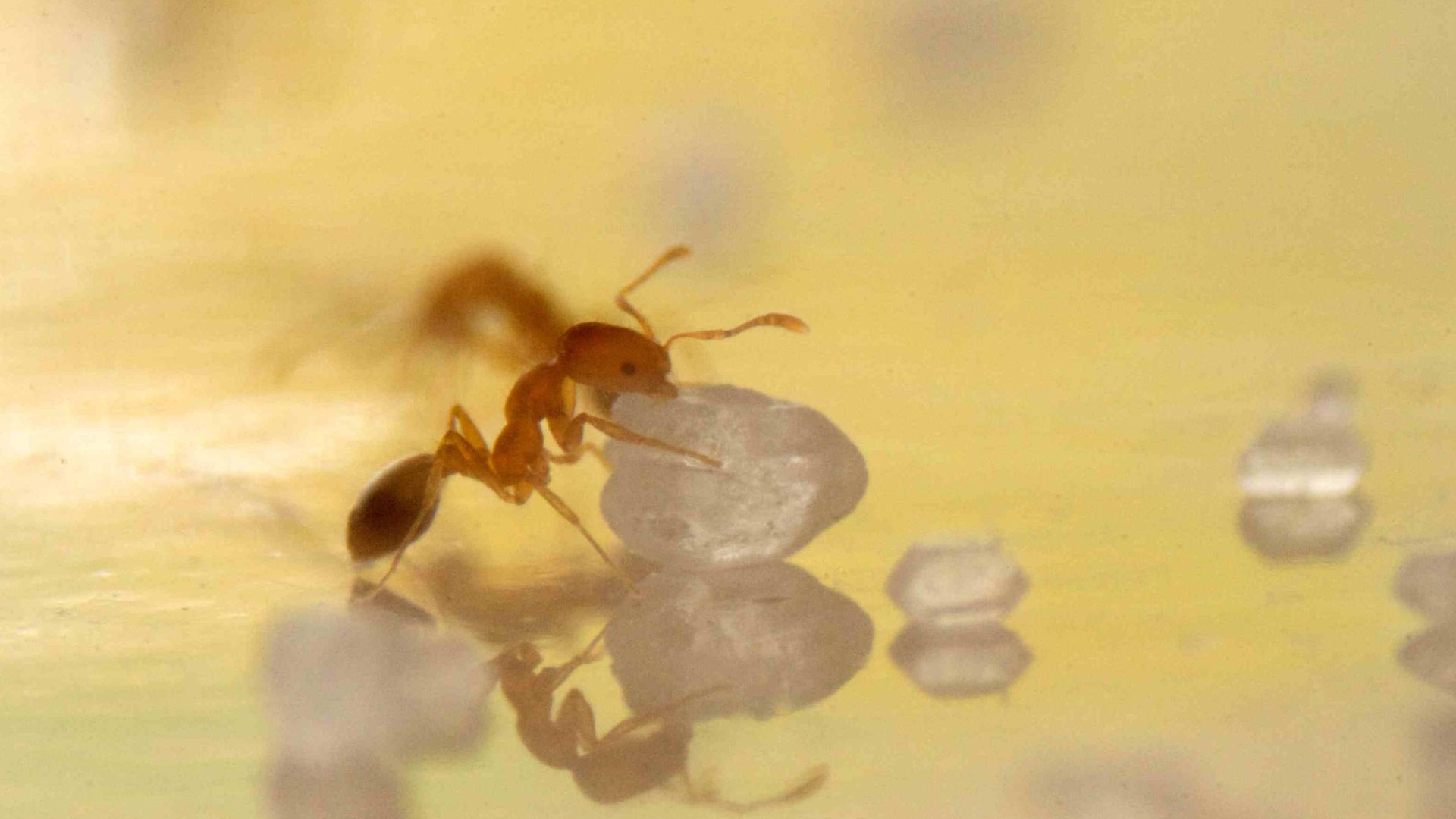 Julian.szulc on WikimediaPharaoh ants respond well to baiting because it turns their own routine into a tool. Workers carry food back to the colony, so when they pick up bait, they deliver the active ingredient to their nestmates.
Baits come in several forms. Gel baits work well near counters or along the edges of baseboards. Station baits fit snugly inside cabinets or behind appliances. The most important step is placing them along active trails. Watching where the ants move for a day or two helps, yet trails can shift or disappear quickly.
Patience becomes your ally here. The bait needs time to circulate through the colony, so resist the urge to clean away every ant you see. Let them work. If the bait is placed correctly, they will bring it home and share it. Over time, the activity slows, and the colony collapses.
All of this sounds frustrating, yet the problem is manageable once you understand how they think. They follow predictable routines, and those routines open the door to effective control. With steady baiting, careful cleanup, and a few preventative habits, your home goes back to normal.