
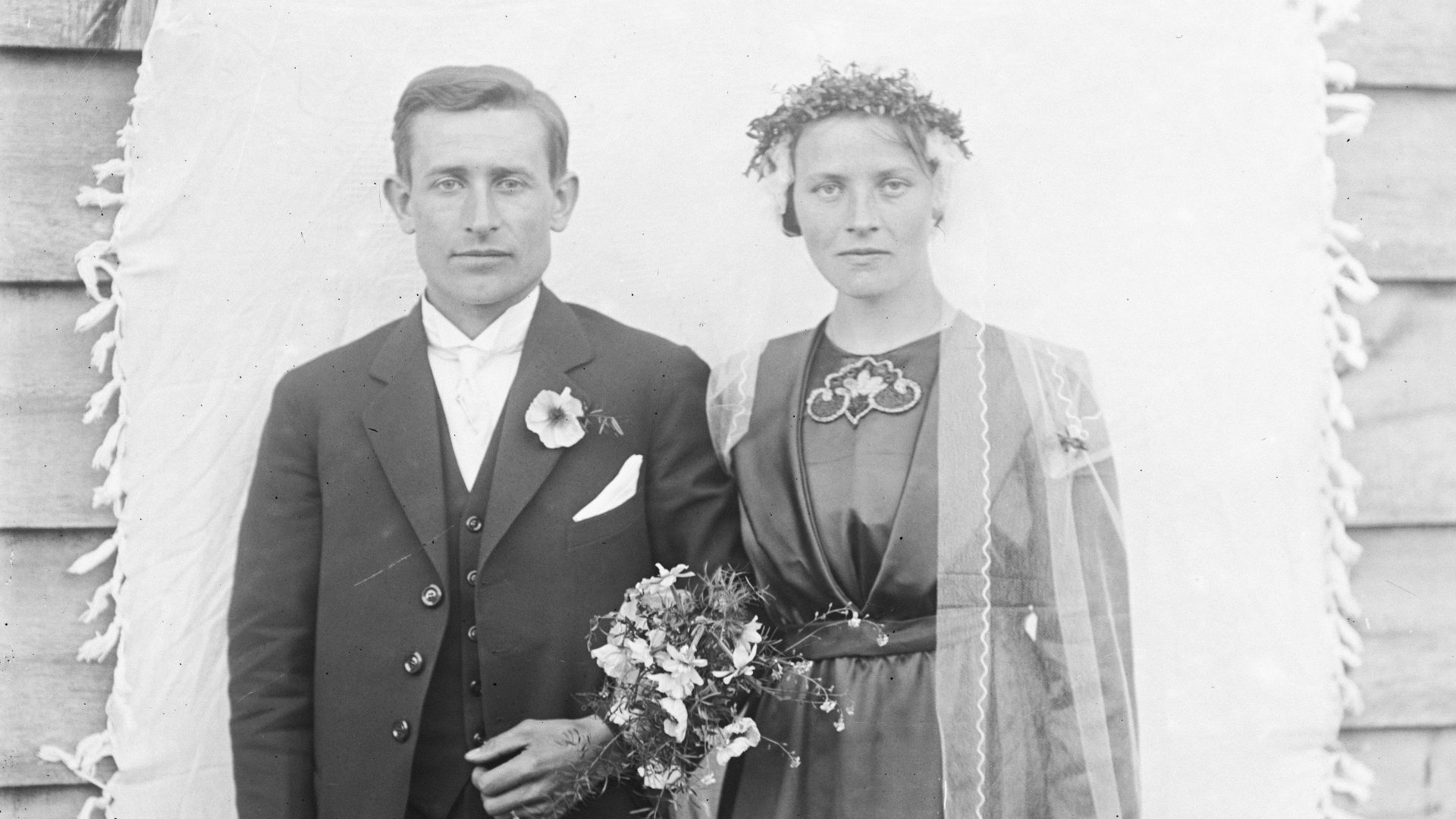
 Fylkesarkivet i Vestland on Unsplash
Marriage used to be treated as the finish line of adulthood. You grew up, found someone suitable, bought a few practical appliances, and settled into a life that society considered properly arranged. For many people, it offered security, social approval, financial stability, and a clear path for raising children. The problem is that modern life no longer fits neatly into that old script.
Today, people are living longer, working differently, moving more often, and expecting more emotional honesty from relationships. They’re also less willing to stay in partnerships that make them miserable just because a legal document says they should. Marriage can still be meaningful for many couples, but it no longer works as the default answer for everyone. In fact, for a growing number of people, it feels less like a romantic necessity and more like an inherited tradition that needs serious updating.
Love Doesn’t Need a Legal Contract to Be Real
One of the biggest arguments against traditional marriage is simple: commitment doesn’t automatically become deeper because the government has paperwork on file. Plenty of unmarried couples share homes, raise children, support each other through illness, and build lives that look far more stable than many marriages. Love is shown through choices, consistency, care, and effort, not just a ceremony with assigned seating. A ring can symbolize devotion, but it can’t create it.
Marriage also has a way of making people confuse status with substance. Some couples rush toward the wedding because it feels like the next expected milestone, even when the relationship itself still has major cracks. The planning can become more exciting than the partnership, which isn't exactly ideal when the flowers are temporary, and the emotional habits are permanent.
There’s also something old-fashioned about treating marriage as the only serious form of love. People now build committed partnerships in many different ways, including cohabitation, long-term dating, blended families, and chosen family arrangements. These bonds may not always come with matching towels and a registry, but they can still be loyal, responsible, and deeply loving. A relationship shouldn’t have to look traditional to be taken seriously.
The Old Rules Were Built for a Different World
Marriage wasn't originally designed around emotional fulfillment in the way people often imagine today. Historically, it was tied to property, inheritance, family alliances, gender roles, religion, and social order. Romantic love mattered in some marriages, of course, but it wasn’t always the main event. That history doesn’t make marriage worthless, but it does explain why some of its assumptions now feel out of place.
For a long time, marriage also depended on unequal expectations. Women were often expected to provide domestic labor, emotional support, childcare, and social respectability, while men were expected to be the breadwinners. Modern relationships are supposed to be more equal, but old patterns still sneak in through chores, caregiving, career sacrifices, and family pressure. You can change the vows, but the cultural baggage can be hard to get away from.
Financial independence has changed the conversation, too. Many people no longer need marriage to survive economically, open a bank account, rent a home, or be considered socially acceptable. That freedom gives people more room to ask whether they actually want marriage, rather than whether they need it. When a tradition becomes optional, it has to prove its value instead of relying on habit.
Modern Relationships Need Flexibility, Not One Fixed Path

People are more aware now that a lifelong relationship can’t run on autopilot. Careers change, personalities evolve, health shifts, and priorities can look very different at 45 than they did at 25. Marriage often promises permanence, but real life is full of change, and couples don't always grow in the same direction forever.
There’s also the issue of pressure. Marriage can make people feel trapped in situations they might otherwise leave sooner, especially if finances, families, religion, or social shame are involved. Divorce exists for a reason, but it can be emotionally, legally, and financially draining. When leaving a relationship requires lawyers, paperwork, and a full public explanation, it’s fair to ask whether the structure is helping or complicating things.
Modern love may need more room for honest agreements that fit the people involved. Some couples want marriage, some want a partnership without marriage, some want separate homes, and some want companionship without merging every detail of their lives. The healthiest option isn't always the most traditional one. If two adults are respectful, clear, loyal, and responsible, it doesn't have to matter whether anyone booked a banquet hall.
None of this means marriage has no value. For some people, it offers legal protections, family recognition, spiritual meaning, and a public promise that feels important. The outdated part is the belief that marriage is the only respectable route to lasting love. In a world where people have more choices than ever, the real goal should be building relationships that are honest, fair, and alive, not just ones that look good on paper.