We live in an age where almost everything is designed to make life easier. Dinner can arrive at your door in twenty minutes, and streaming services remember exactly where you left off. It sounds like progress, but there’s a hidden cost behind this comfort. Slowly, convenience can turn into dependency. And once it does, it’s hard to tell where choice ends and habit begins. Let’s take a closer look at how that happens, and what you can do to take back control.
The Subtle Signs Of A Convenience Addiction

Convenience feels harmless because it disguises itself as efficiency. You might notice that you order food even when ingredients sit in your fridge, or scroll for hours instead of going for a walk. These small patterns can point to something larger—a habit of avoiding effort. Over time, your tolerance for discomfort fades, and small tasks start to feel draining.
This isn’t about being lazy. It’s about how modern systems are designed to save time but often steal satisfaction. The more we automate, the less we engage with life’s natural rhythms. Some routine moments, such as cooking or cleaning, gave us small doses of patience and accomplishment. Now, they’re disappearing behind screens and one-click buttons.
Why Convenience Feels So Good
Our brains are wired to chase what feels easy. Every quick delivery and every shortcut gives a small burst of reward. This sense of relief becomes addictive, and before long, convenience stops being a choice and starts becoming an expectation.
When that happens, small inconveniences can feel unbearable. A slow-loading page or a missing delivery can spark irritation far beyond what the situation deserves. That emotional reaction shows how deeply convenience has reshaped our tolerance for effort, and recognizing it is the first step toward balance.
How To Break The Cycle
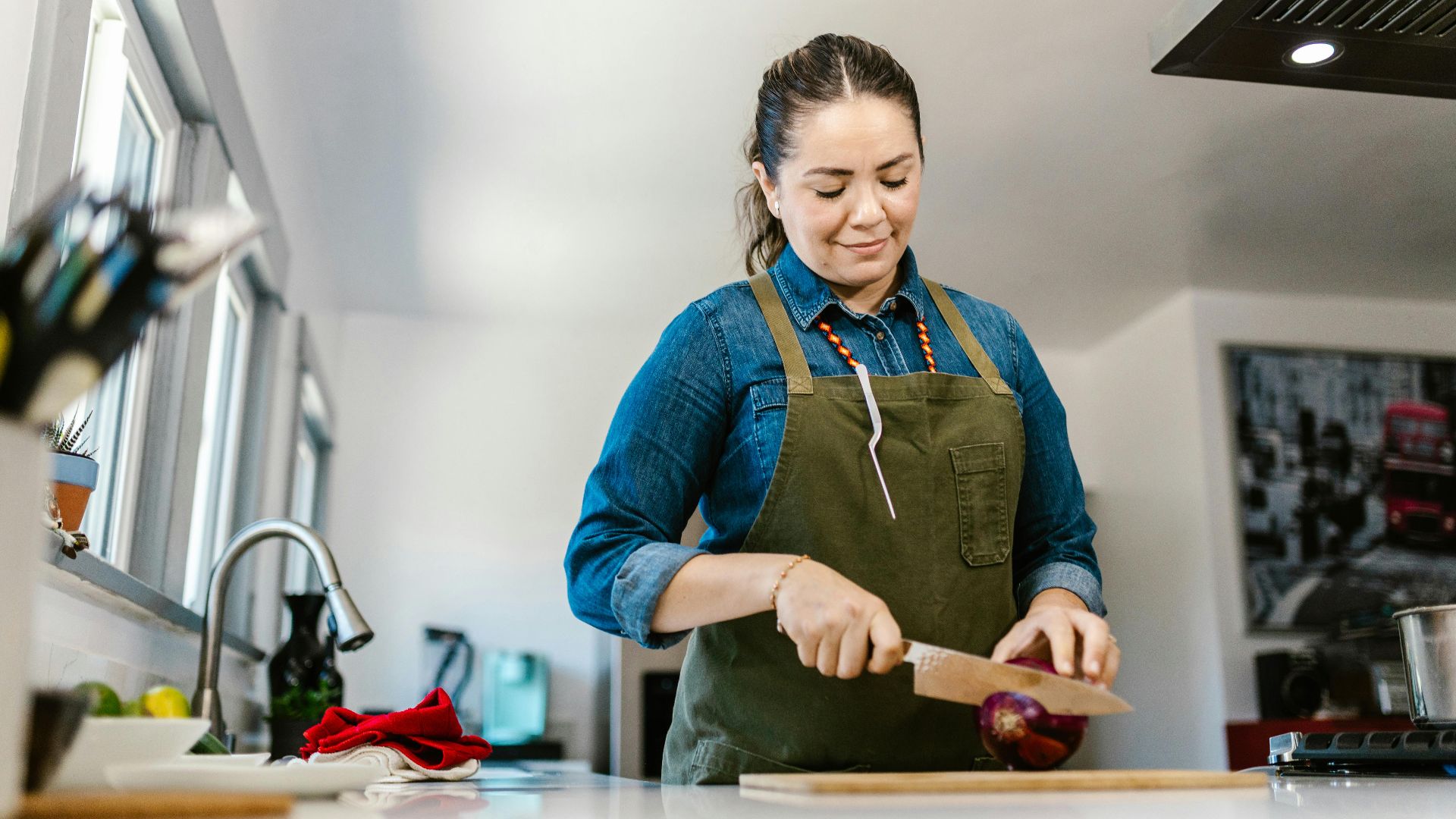
You don’t need to abandon modern comfort completely. The key is to reintroduce intentional effort into daily life. Start with small challenges that build patience and satisfaction. Cook one meal from scratch, take a walk without your phone, or visit a store instead of ordering online. These acts might seem minor, but they help rebuild your connection to real experiences.
Also, pay attention to how you use your free time. Instead of filling every gap with scrolling, leave space for stillness. Boredom often sparks creativity and reflection, which are the very things that constant convenience can crowd out.
Over time, these small shifts can change your relationship with taking the easy route. Convenience will still be part of life, but it won’t control it. You’ll start to find value again in doing things the long way, even when shortcuts exist. Because sometimes, the slow route leads to a more meaningful life.