
How Efficient Is Working From Home? Here’s Why Many Employers Are Moving Away From It
How Efficient Is Working From Home? Here’s Why Many Employers Are Moving Away From It
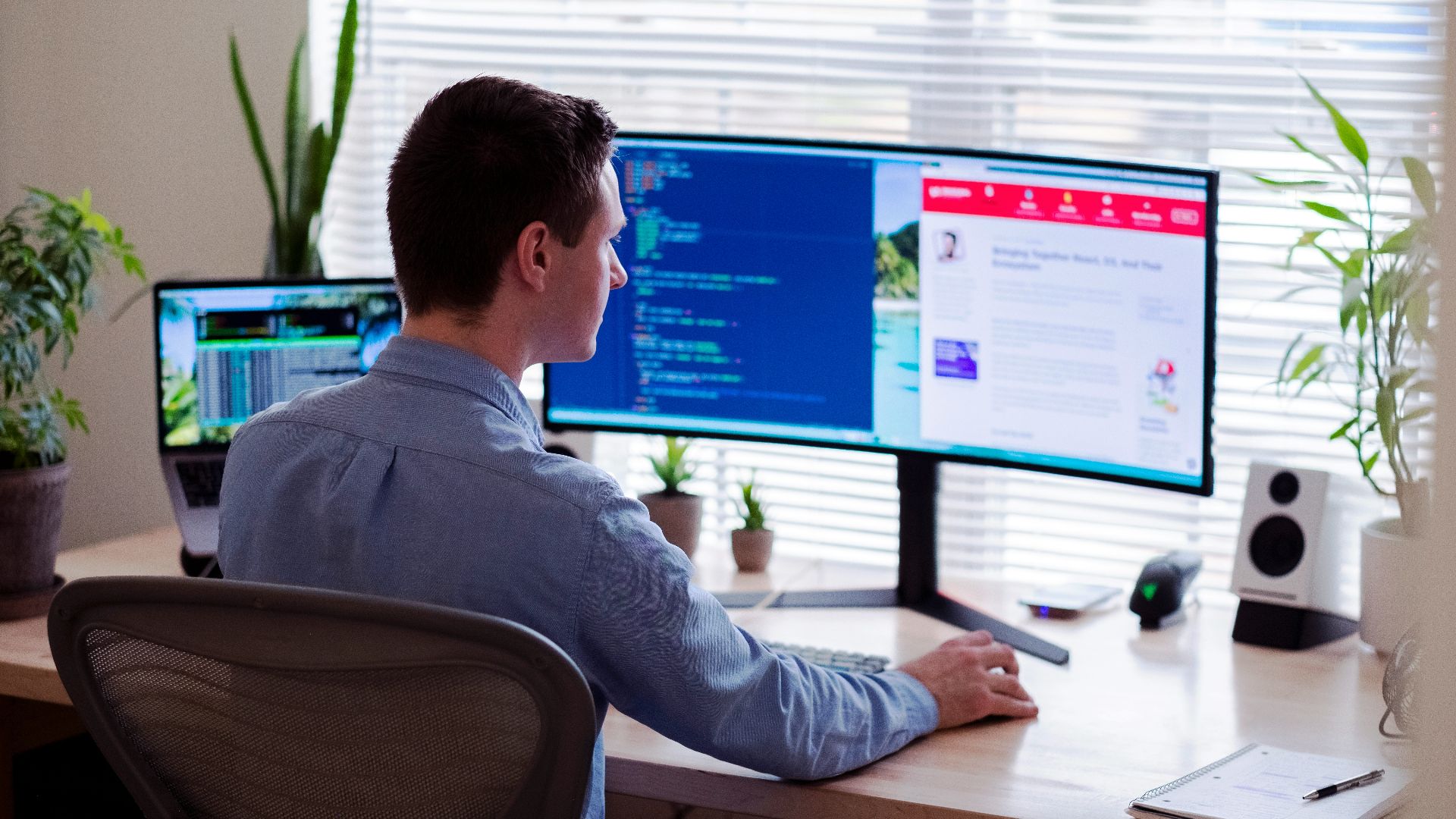
Over the past few years, the idea of working from your kitchen table felt fresh, freeing even. But now many employers are pulling back and demanding more office time.
So, if you’re re-thinking your own workflow or monitoring employer shifts, it’s worth digging into what the research says—because the “work from home” experiment turns out to be far more complex than it sounded.
Productivity Isn’t The Clear Winner
Some research shows that working from home can maintain or even boost productivity, but only with the right conditions. A report published by the U.S. Bureau of Labor Statistics highlights that while remote work had a small positive link to productivity across industries, the result depends heavily on job type, home environment, and management practices.
That means even if you’re doing your best work at home, your company might see inconsistent results. Without strong coordination and oversight, productivity gains won’t always stick.
Collaboration, Culture, And Oversight Take A Hit
When team brainstorming, spontaneous mentoring, or informal office moments vanish, so does part of what fuels long-term growth. Research from Stanford University found that workers who worked about 2 days from home were just as productive as in-office peers—but full remote setups still raised concerns about collaboration and career progression.
In short, for purely task-driven work, remote settings can suffice. But when innovation, training, and culture matter, physical presence often gives an edge.
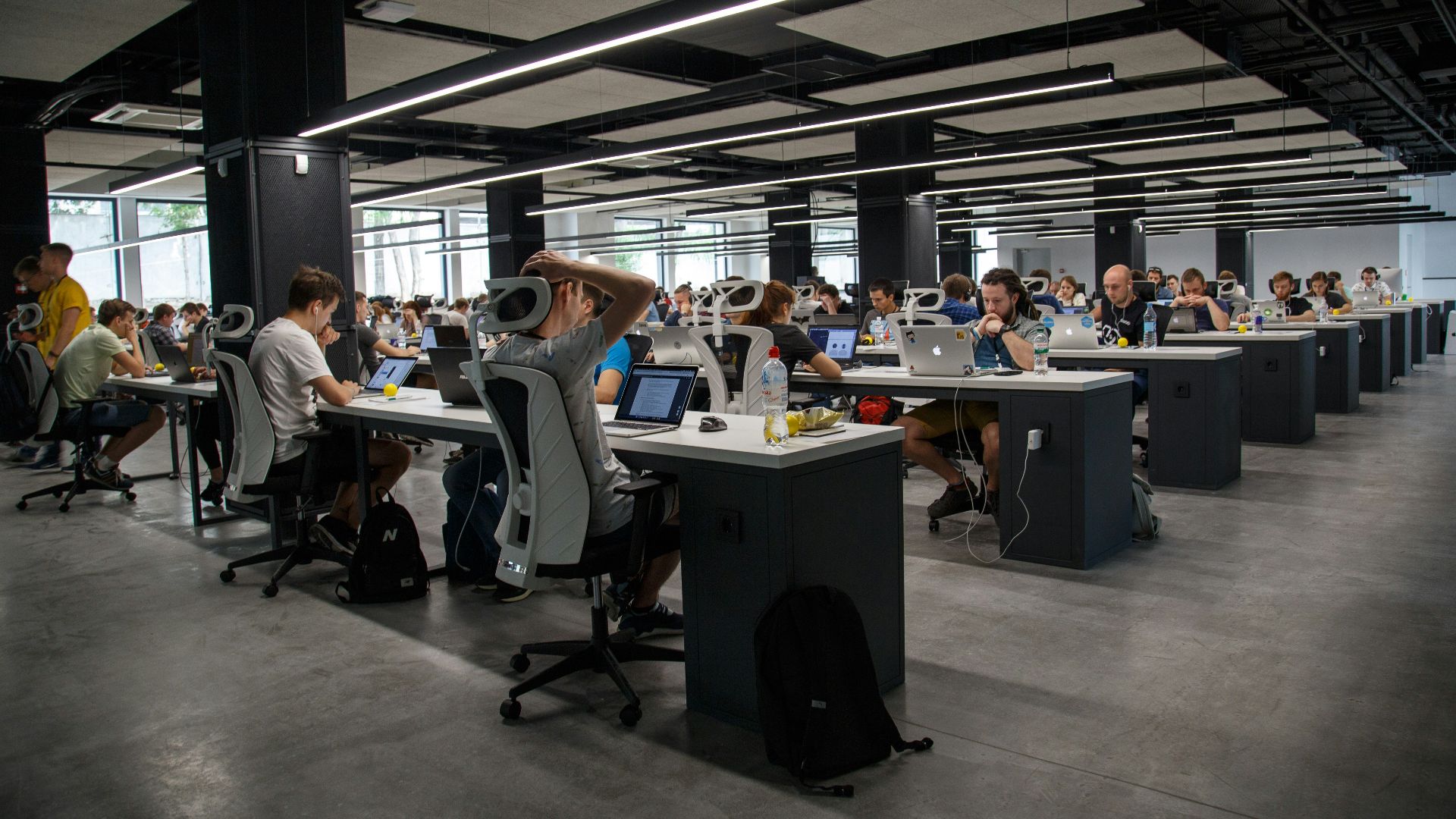
Why Employers Are Pushing Return-To-Office
Visibility and mentoring: Some firms believe the office fosters tacit learning and helps younger or newer staff be seen. When so many employees stay remote, that advantage fades.
Uneven productivity: Even though many remote workers perform well, studies show productivity drops when remote work isn’t managed well. A working paper suggested up to a 10-20 % productivity dip without strong frameworks (forbes.com).
Career development concerns: Workers who are fully remote risk slower promotion and weaker ties to company culture. That becomes a concern for leaders forecasting long-term capability.
Hybrid is proving more sustainable: Many companies now prefer models where employees work some days from home and some from the office rather than full remote. That strikes a balance between flexibility and oversight.
What This Means For You
If you’re working from home or negotiating your own schedule, stay aware: flexibility is valuable, but it doesn’t replace all aspects of being in the room.
Focus on building visibility with leadership, staying connected with teammates, and establishing a home workspace that supports your role. If your company asks for more in-office days, it may reflect broader strategic concerns.
And if you’re 45-65 and helping someone younger or balancing home life and work responsibilities, this shift might actually create an opportunity: understanding and adapting to what the employer values now could make you more indispensable. Balance your flexibility with clear results and make sure you’re not invisible behind the home screen.