
Hair Transplants Are More Popular Than Ever. Here's Why You Should Consider Getting One
Hair Transplants Are More Popular Than Ever. Here's Why You Should Consider Getting One
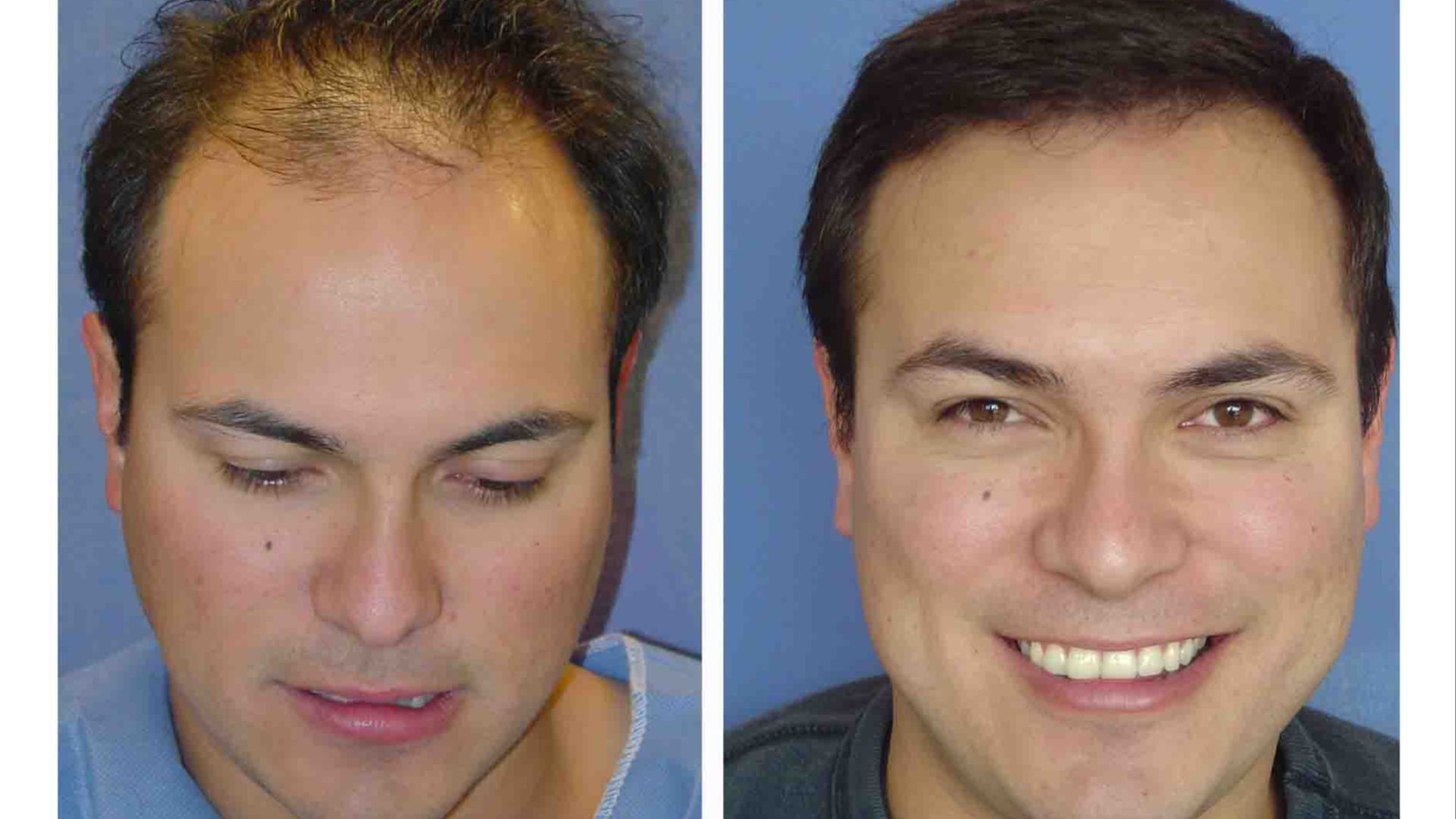
You're losing your hair. You've tried to address it with anti-fungal shampoos, special shower heads, and prescription pills, but nothing seems to work. Don't stress about it—modern technology has a solution, and it's becoming more mainstream, cheap, and accessible.
Androgenetic Alopecia, the most common cause of hair loss, affects about 50 million men and 30 million women in the US. Unfortunately, this form of hair loss is genetic and can't be solved with antifungal medication, leading many to turn to surgery.
Hair transplants popularity
Over the last decade, hair transplants have transitioned from a niche cosmetic procedure to one of the fastest-growing solutions for people experiencing hair loss, openly embraced by celebrities and influencers. 3.4 million hair transplants were performed in 2021; that's almost a million more than in 2019, according to statistics from the International Society of Hair Restoration Surgery. Advances in technology, improved outcomes, and reduced stigma have all contributed to this huge surge in popularity.
Why should you consider getting one?
You no longer have to look back at old photos wishing your hairline still looked like that. Your dream of a full head of hair is more attainable than you may think. Today’s hair transplants are more accessible and natural-looking than ever before, making them a compelling option for anyone seeking a long-term fix for their thinning hairline.
Hair makes a huge difference to your look. For women, long locks are a symbol of femininity, beauty, and fertility, whereas for men, a full head of hair is often equated with youth, health, and vitality. One 2015 study found that men with full heads of hair were seen as more successful and approachable than those who were balding.
Beyond a cosmetic issue, hair loss can significantly impact a person's self-esteem, leading to social withdrawal, depression, and feelings of reduced attractiveness.
Hair transplant technology
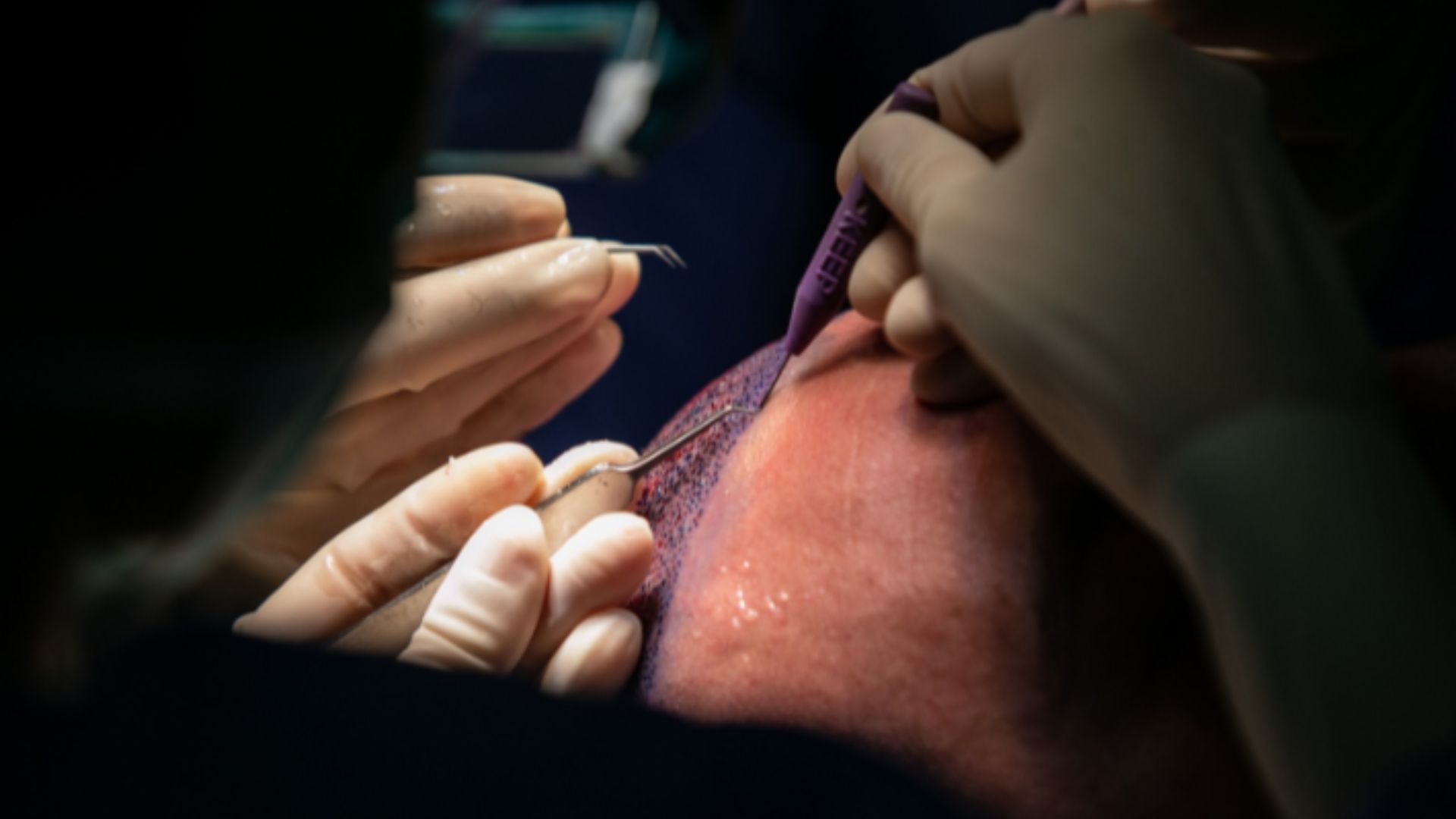
When you think of hair transplants, you might have the horrible image of a sewn-on toupée, which looks like some animal fur slapped on a scalp. Luckily, the technology has come a long way since this point. Gone are the days of obvious “plug-like” results.
Hair transplants work by surgically moving hair follicles from a "donor site," typically on the back of the head, to a thinning or bald area. The two main methods—FUE (Follicular Unit Extraction) and FUT (Follicular Unit Transplantation)—allow surgeons to move hair follicles individually or in very small clusters, creating soft, seamless hairlines that blend perfectly with existing hair.
These techniques also come with significantly shorter recovery times. Many people return to work within days, and because scarring is minimal or completely hidden, it’s often hard for anyone to tell that a procedure even happened.
Cost and accessibility have also improved. It's no longer a luxury reserved for the uber-rich. As demand has grown, more clinics around the world have begun offering high-quality procedures at competitive prices, giving people more options than ever. While it's still pricey in places like North America, countries like Turkey famously offer services by skilled surgeons for just a few thousand dollars, prompting a wave of medical tourism.
So, if the solution is affordable, effective, and accessible, why wouldn't you want to explore it? Transplants aren't just about looking more attractive, they're about taking back your confidence—one hair follicle at a time.