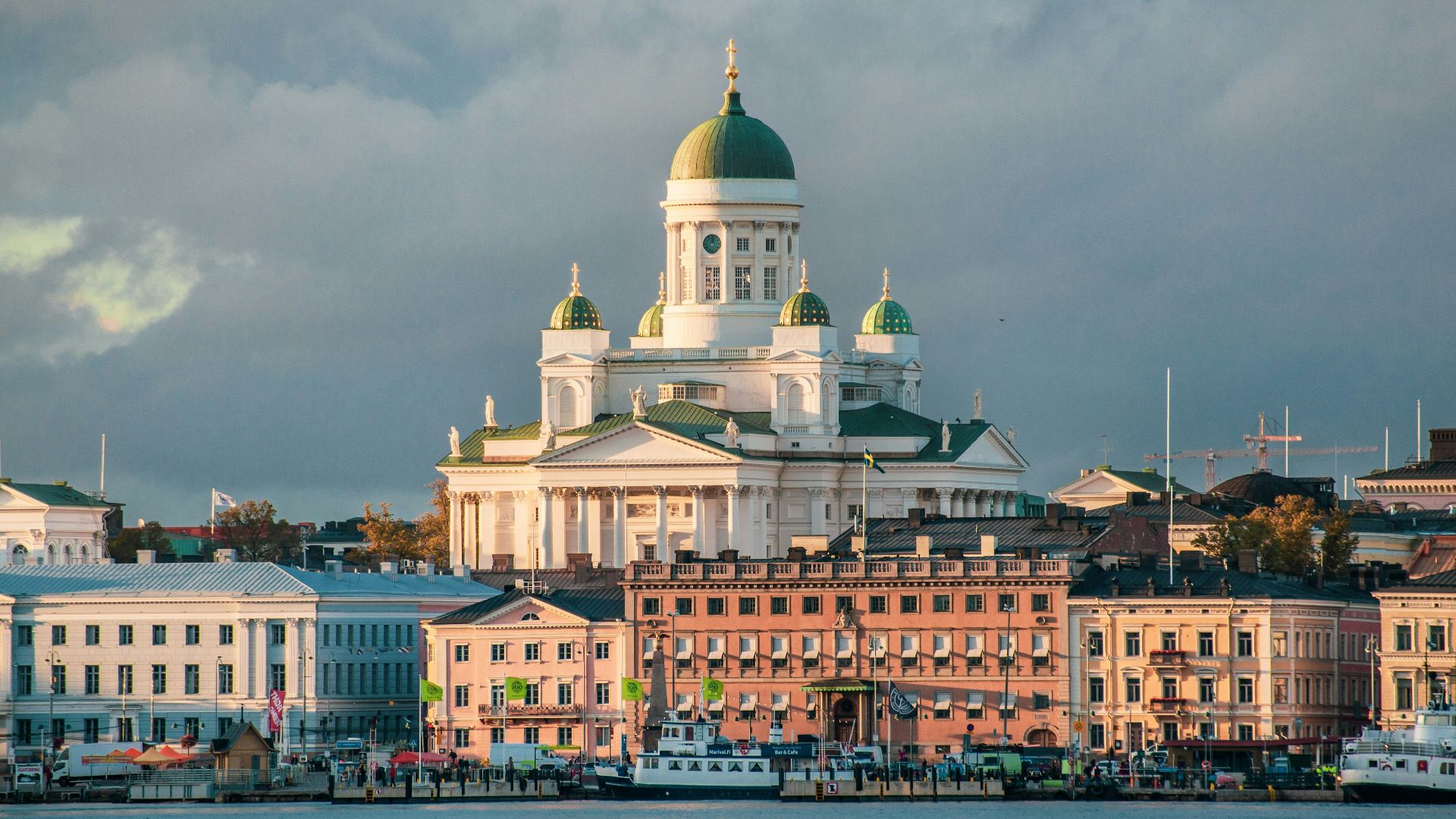
For the eighth year in a row, Finland has been ranked the happiest nation in the world. Despite the long and brutal winter and, perhaps an undeserved reputation seriousness, Finland consistently topped the charts of the World Happiness Report. While this may sound like a made-up study used as a scheme to launder money by the Finnish tourism board, we can learn a lot from the World Happiness Report.
Published by the University of Oxford, the World Happiness Report is a collaborative process between Oxford, Gallup Inc., and the Sustainable Development Solutions Network of the United Nations. These three bodies come together to measure countries by the Gross National Happiness.
How Do You Rank Happiness?
How exactly does one measure happiness? The WHR uses six specific variables to rank countries out of 10. These factors are:
- GDP per capita
- Generosity
- Individual Freedoms
- Life Expectancy
- Perceived Corruption
- Social Support
Combined, these six factors give a general overview of a country's quality of life. Finland and its fellow Nordic countries regularly claim the top spots on the World Happiness Rankings. Let's take a look at some reasons why.
While Sweden is known for fika coffee breaks throughout the workday, and Danes have perfected the art of hygge, Finland doesn't have one single reason that researchers can point towards as being the secret to happiness. Additionally, happiness likely looks different in Finland when compared to more materialistic countries such as the US and UK. Finns may not have smiles on their faces 24/7, but they've learned to be content with their lives in a way that many countries could benefit from.
One of the main reasons why Finland is such a happy country has to do with its social support system. Rather than encouraging citizens to pull themselves up by their bootstraps, Finland fosters a trusting relationship between citizens and their government. Imagine that, a government actually caring about people!
Why Is Finland Such A Happy Place?
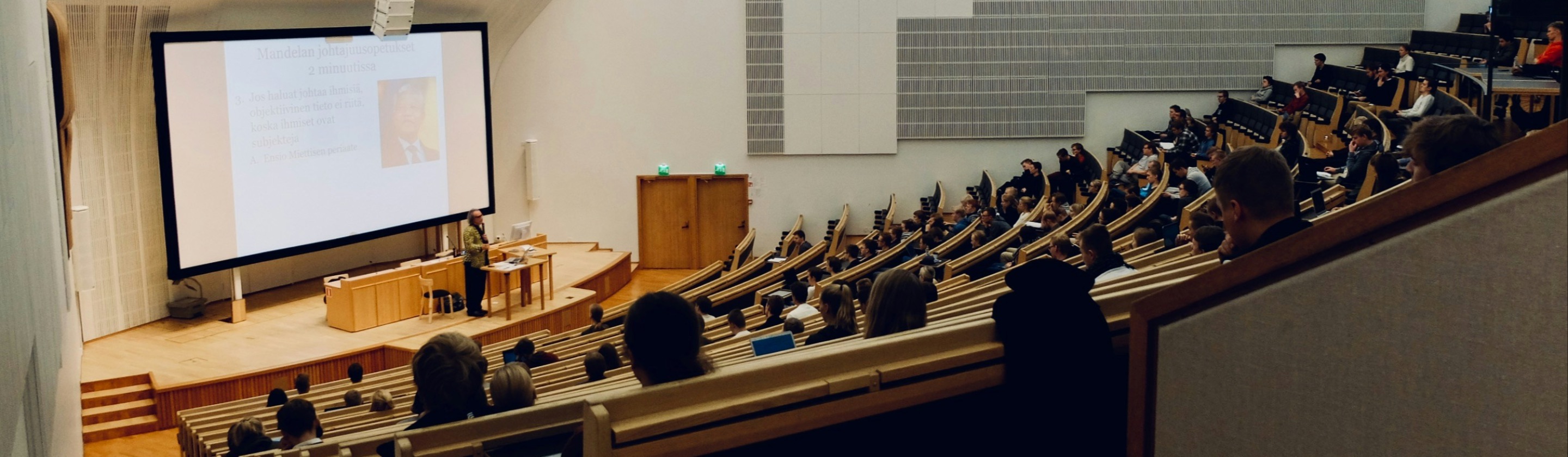
Finland understands that mental health can be a huge burden in achieving happiness, which is why there are as few barriers as possible. Education is much cheaper, if not free; health care is guaranteed; and work-life balance is prioritized with plenty of time off. Finland, like several other countries, has also experimented with implementing universal basic income, seeking to reduce homelessness and increase population stability.
For a prime example of Finland's support systems in place, look no further than the trains. Not only is Finland well-connected by efficient and affordable public transit, but many trains come equipped with play coaches. These coaches allow children to play, explore, and let out their energy without disrupting other passengers, making long journeys much more comfortable for everyone.
Another reason why Finns are so happy has to do with their surroundings. While Finland certainly has major metropolitan regions, the entire country has a population of less than New York City. This means that Finns, even those in cities, have much more space to breathe and interact with nature.
Come On, Get Happy

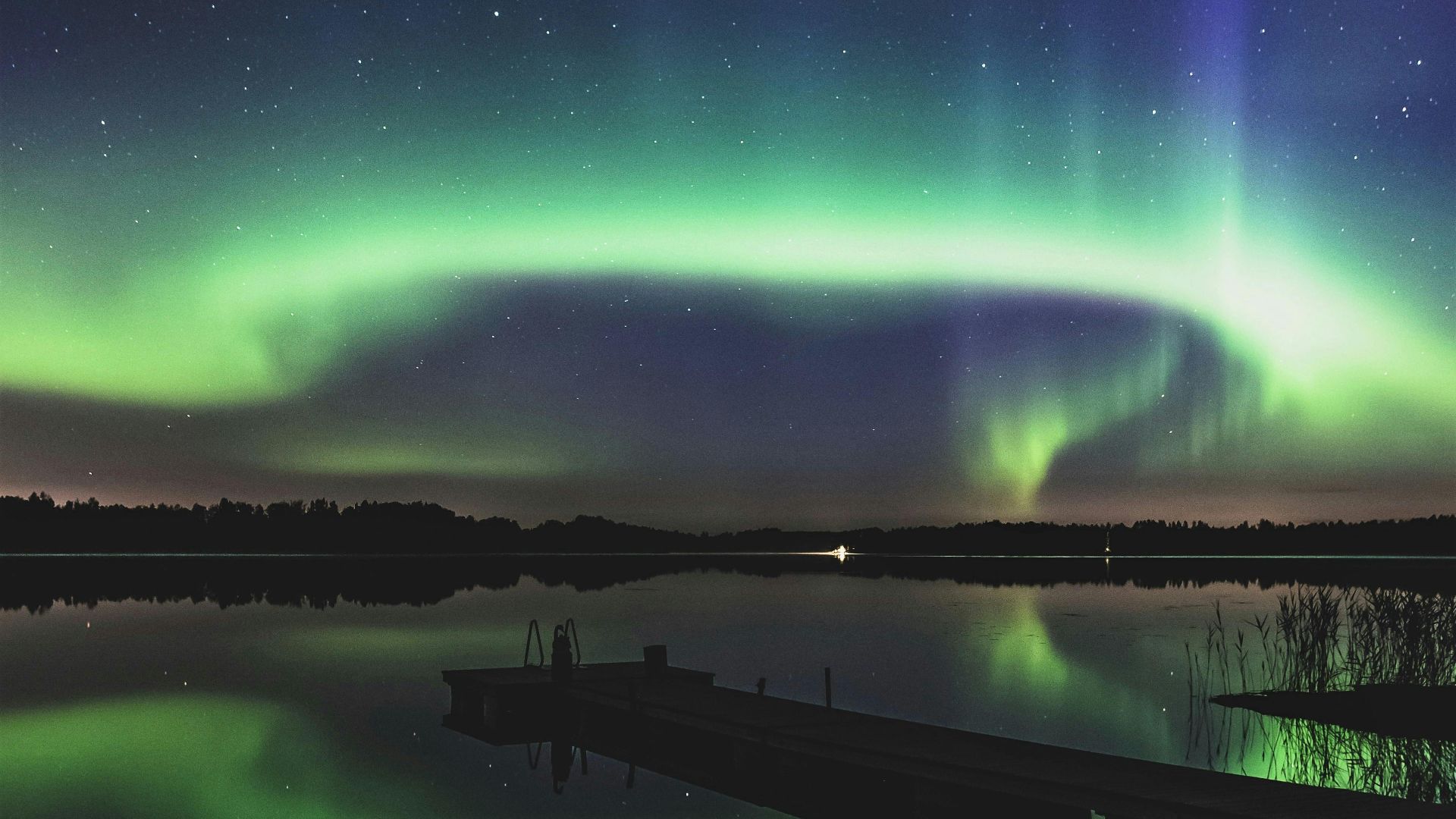
Don't underestimate the value that even a short walk can have on your mental health. In Finland, where winters are long, cold, and (in some cases) almost sunless, going out into nature for even 10 minutes can have an enormous impact on a person's mood. The possibility of beautiful Northern Lights displays certainly gives Finns something to look forward to in the winter.
Additionally, Finland and other Nordic countries, observes Everyman's Rights. This means that Finland's beautiful nature is free to use how you see fit, with some restrictions around the Lapland area. This means that if you want to forage, swim, ski, or go horseback riding in a public space, you're welcome to do so for free—provided you do not damage the ecosystem.
In short, it isn't simply economic prosperity or political stability that makes Finland the happiest country on earth. Rather, it's a sense of care that the Finnish government shows towards its people, as well as a willingness on the part of the people to seek out happiness, wherever they can find it. Maybe we can learn something from them.