
Ethical Non-monogamy Is On The Rise - Here's What That Means For Dating
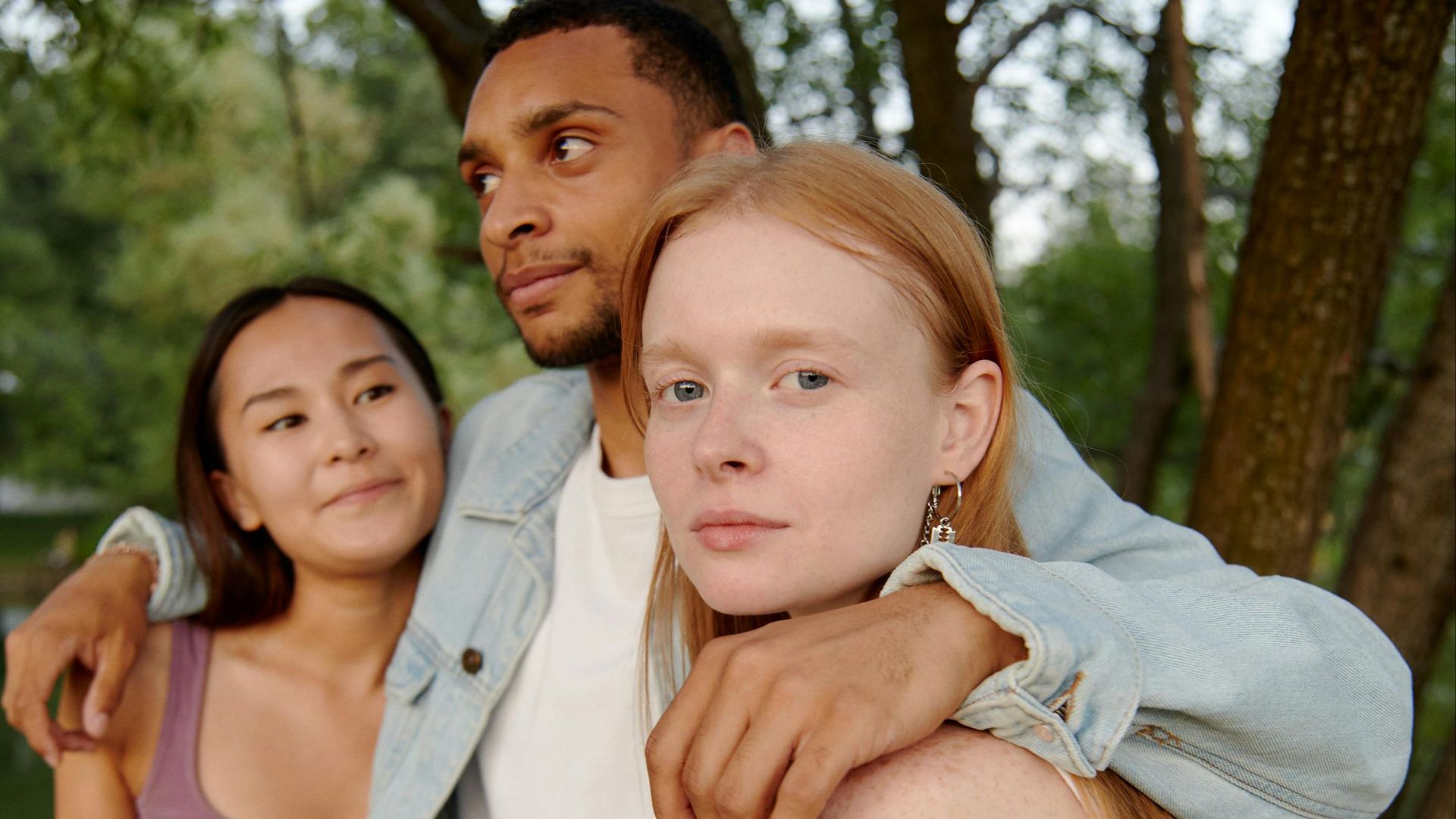
Ethical nonmonogamy, often shortened to ENM, used to be a relatively unknown or misunderstood term. Now it’s very much in the mainstream, showing up on dating profiles, podcasts, and social feeds. It's so common in some places that it can feel difficult to find traditional daters nowadays.
The interest is real, even if it’s easy to overstate it. A 2023 YouGov poll found that 34% of Americans described their ideal relationship as something other than complete monogamy, while dating-focused platforms like Feeld have reported user growth tied partly to interest in non-traditional relationship models. That doesn’t mean monogamy is vanishing; it just means dating is getting more open, more specific, and occasionally more complicated in the profile-bio department.
What Ethical Nonmonogamy Actually Means
Ethical nonmonogamy is an umbrella term for relationship arrangements where people can have more than one romantic, sexual, or emotionally intimate connection with the knowledge and consent of everyone involved. That can include open relationships, polyamory, swinging, relationship anarchy, or other customized agreements. The “ethical” part matters because it separates ENM from cheating, secrecy, or vague behavior dressed up in trendy language. If someone’s partner doesn’t know, it’s not ethical; it’s just messy with better branding.
Polyamory is one form of ENM, but the two terms aren’t identical. Polyamory usually involves the possibility of multiple romantic relationships, while an open relationship may focus more on sexual freedom outside a primary partnership. Some people want deep emotional connections with more than one partner, while others prefer a committed relationship with agreed-upon outside experiences.
The rise of ENM also reflects a broader shift toward naming what people want instead of defaulting to one script. Some daters still want lifelong monogamy. Others are questioning whether exclusivity automatically equals commitment, or whether intimacy can be structured differently. The important part is not which model sounds coolest, but whether the people involved are honest, kind, and emotionally realistic about it.
How It Changes The Dating App Experience
Dating apps have made ENM much more visible. Instead of only discovering someone’s relationship style after three dates, you may now see “poly,” “partnered,” “open,” or “ENM” right in a profile. That clarity can save time, but it can also create friction when people don’t read bios carefully or assume everyone is using the same definitions.
For monogamous daters, this shift can feel frustrating when they keep matching with people whose relationship goals don’t align. It’s not wrong to want exclusivity, and it’s not close-minded to swipe left on a relationship structure that doesn’t fit you. The same goes in reverse: ENM daters aren’t automatically commitment-phobic just because their agreements look different.
For ENM daters, the app world can be freeing but also oddly bureaucratic. You may need to explain whether you’re solo poly, partnered, hierarchical, non-hierarchical, open to romance, looking for casual dating, or just exploring. That can sound like filling out a tiny emotional tax form, but it’s often kinder than being vague. The more clearly people describe their situation, the less likely someone is to feel surprised in a bad way later.
Communication Becomes The Main Event

ENM tends to make communication non-negotiable because assumptions can turn into problems very quickly. People need to talk about safer sex, time management, emotional expectations, privacy, holidays, sleepovers, jealousy, and what information gets shared with whom. In other words, good ENM often runs on conversations that monogamous couples sometimes avoid until there’s a crisis.
Jealousy doesn’t disappear just because someone uses modern vocabulary. People in ENM relationships can still feel insecure, left out, protective, or unexpectedly tender about things they thought would be easy. The difference is that jealousy is usually treated as something to examine rather than as proof that the whole structure has failed.
Boundaries are also more specific in ENM than many people expect. One couple might be fine with casual dates but not sleepovers, while another might allow romantic relationships but require advance notice about new sexual partners. Some people want kitchen-table polyamory, where everyone can comfortably know each other, while others prefer more separation. There’s no universal rulebook.
What It Means For The Future Of Dating
The growth of ENM doesn’t mean everyone is secretly waiting to abandon monogamy. Most people still prefer monogamous relationships, and many will continue to choose them happily. What’s changing is the assumption that monogamy is the only serious or adult option. Dating is becoming more explicit about choice, which is useful even for people who choose the traditional path.
This trend may also push everyone, including monogamous daters, to get better at stating expectations earlier. Questions like “Are you looking for exclusivity?” or “What does commitment mean to you?” can save people a lot of emotional admin later. ENM didn’t invent these conversations, but it has made them harder to avoid.
The challenge is that openness without responsibility can become chaos very quickly. Some people may use ENM language to dodge accountability, avoid commitment, or keep someone waiting in a situation they didn’t truly agree to. That’s not ethical nonmonogamy; that’s bad behavior with a vocabulary upgrade. The healthiest version of this shift asks people to be more transparent, not more slippery.
So what does ENM’s rise mean for dating? It means more options, more conversations, and more chances to be honest about what you actually want. It also means you’ll need to read profiles more carefully, ask better questions, and respect the answer when someone’s relationship style doesn’t match yours. Romance may be getting less automatic, but it’s also getting more intentional, which isn’t the worst trade in the world.