
More Honest, More Flexible, More Balanced
For better or for worse, Gen Z’s often get blamed for how much they’ve changed the workplace. To some, it may look like a difference in priorities, or a lack of care about one's career. To younger generations, though, this shift has more to do with achieving a work-life balance and making their jobs work for them, not the other way around. Young people didn’t invent burnout or tough conversations with employers, but they did help make these common workplace qualms easier to deal with. With hybrid schedules, group chats, mental health awareness, and fast-moving tech now baked into daily work, a lot of old office habits feel more awkward than the newer ones. These are 20 workplace habits Gen Z helped make less uncomfortable for everyone.
 Lyubomyr Reverchuk on Unsplash
1. Asking If a Meeting Could Be a Message
The joke has been around for years, but it still works because people know exactly what it means. Gen Z helped make it more acceptable to ask whether a live meeting is needed when a short note, shared doc, or project comment could save everyone half an hour.

2. Setting Communication Preferences Early
Work runs more smoothly when people know how to reach each other. Saying email works better for longer notes, or that a message is best for something urgent, now feels less blunt and more helpful, especially on teams spread across too many apps.

3. Blocking Time for Focus Work
A calendar block used to look like someone was ducking work. Now, blocking time to write, plan, review, or think is a normal way to protect one's attention instead of hoping a quiet hour will appear on its own.

4. Talking About Burnout Before It Gets Worse
Gen Z helped make burnout something people can name before it turns into a bigger problem. Saying a workload isn’t sustainable still takes some nerve, but it’s better than acting fine while stress piles up.

5. Asking About Pay
Salary talk used to feel strangely hush-hush, even though everyone knew it mattered. Younger workers helped make it more normal to ask about pay ranges, benefits, raises, and growth paths before anyone spends time dancing around the obvious.

6. Asking for Feedback More Often
Waiting all year for one formal review can make feedback feel heavier than it needs to be. Gen Z helped normalize smaller check-ins, quick edits, and simple questions about whether a project is moving in the right direction.

7. Saying “I Don’t Know” Without Panicking
Pretending to know everything at work is exhausting, and people usually see through it anyway. Younger workers have made it less awkward to admit they haven’t done something before, ask a clear question, and learn without turning the moment into a crisis.

8. Asking What Should Come First
When every task is urgent, the real issue is usually unclear priorities. Gen Z helped make it more normal to ask managers what matters most.
9. Treating Flexibility Like Part of Work
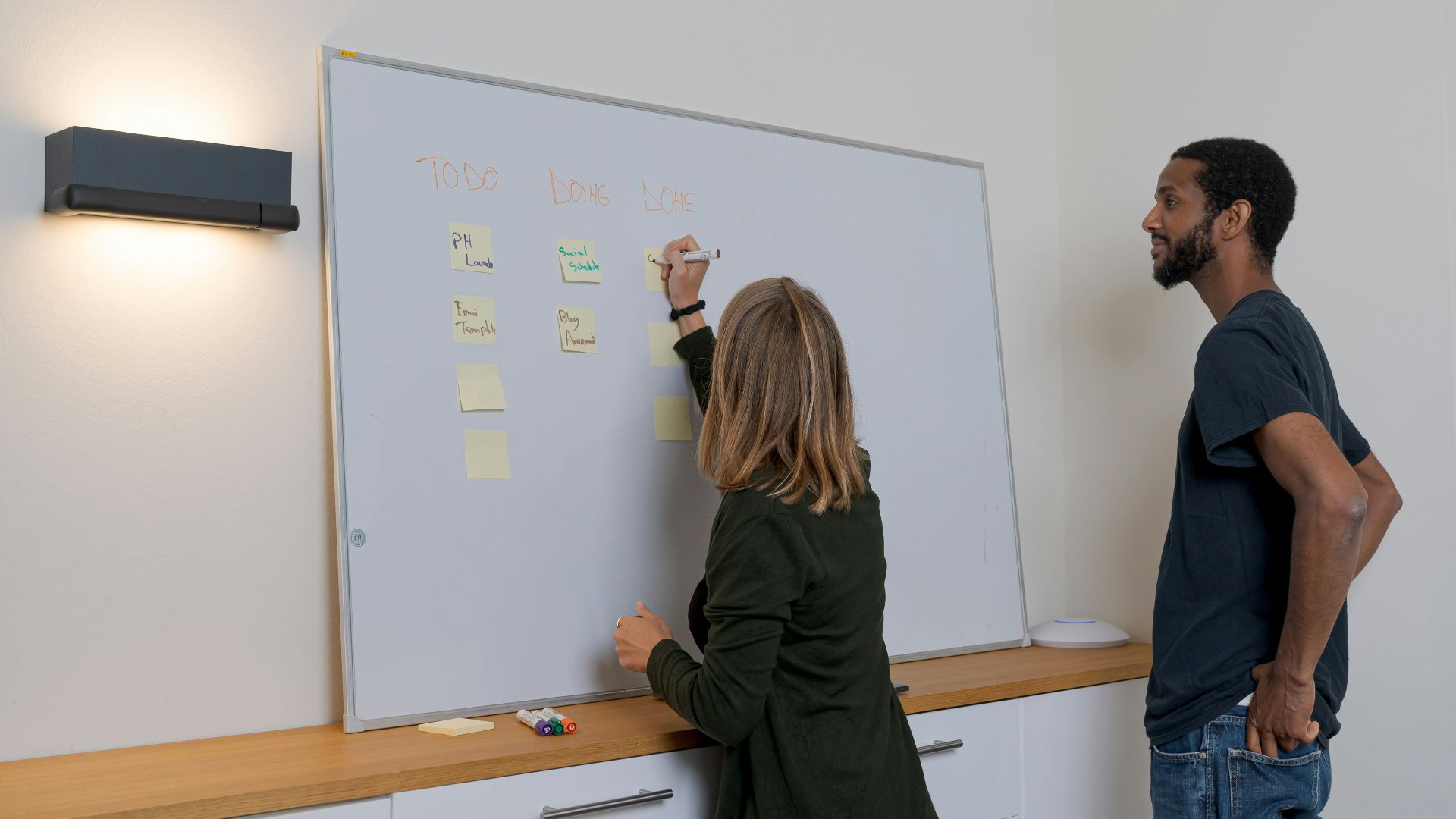
Flexible work used to feel like a special favor you earned after years of proving yourself. Now, more people talk openly about where, when, and how they do their best work, whether that means remote days, quiet hours, or flexible schedules to better maintain personal schedules.

10. Questioning Old Processes
“That’s how we’ve always done it” doesn’t end the conversation as neatly as it used to. Gen Z’s willingness to ask why can expose outdated reports, requiring multiple approvals, and small office routines that lasted mostly because no one challenged them.

11. Clarifying Names and Pronouns
Asking how to pronounce someone’s name, what name they use, or what pronouns they prefer has become a regular part of onboarding. It’s simple, useful, and easy to do during an introduction.

12. Being Open About AI Tools
Plenty of people use AI at work, but some still treat it like a secret shortcut. Younger workers helped make it more normal to talk about using AI for brainstorming, outlining, summarizing, and organizing ideas, all while still keeping human judgment in charge.

13. Expecting Consistent Learning Opportunities
Gen Z tends to ask about growth, training, mentorship, and new skills earlier in the job. This can be a huge help to the team at large, providing learning experiences that are useful for everyone to know. It also helps when it's a part of the workday, instead of something employees should do on their own time.
14. Giving Casual Shout-Outs
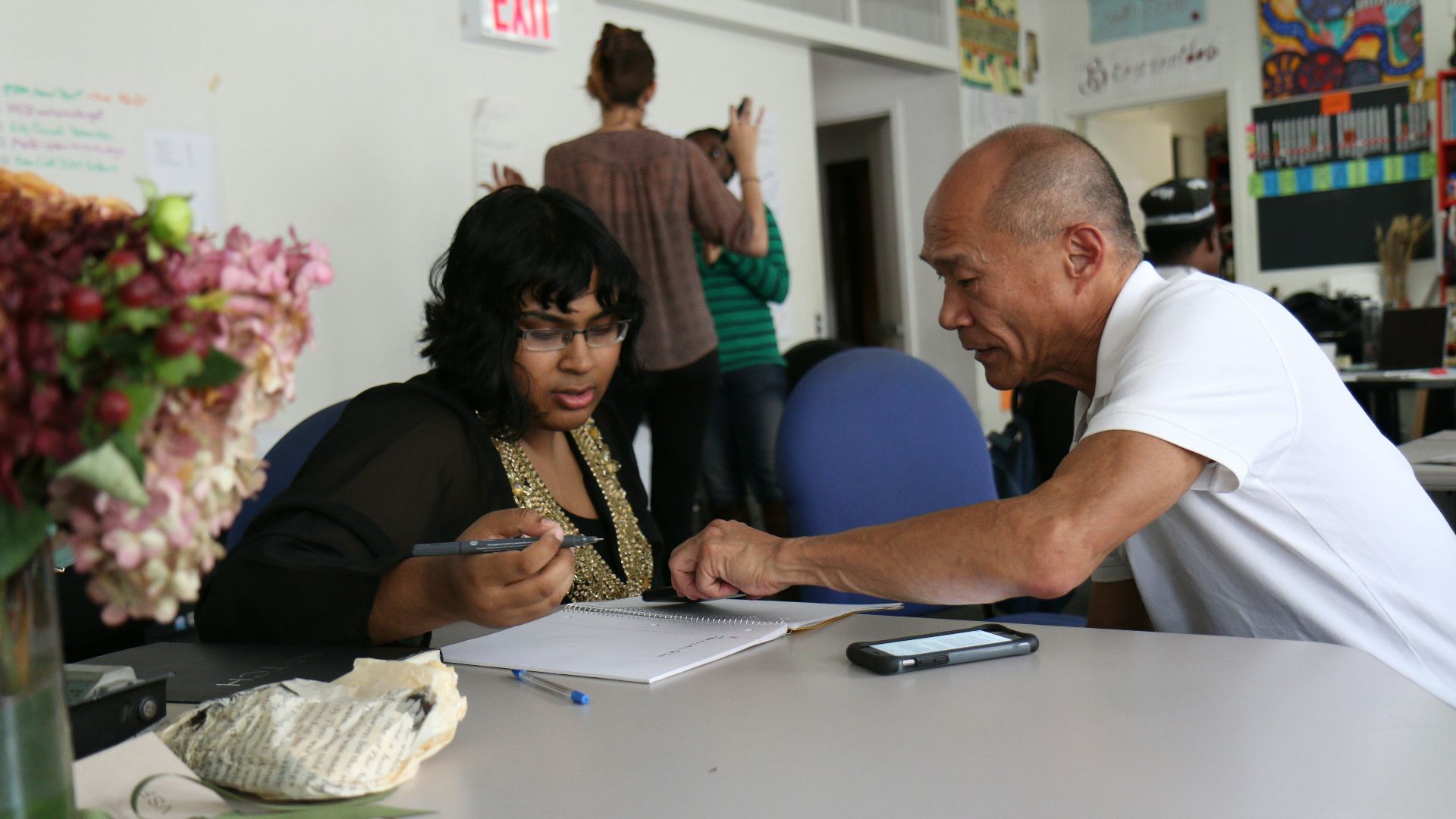
Recognition doesn’t need to be over-the-top for it to be appreciated. If you’re not a fan of receiving recognition in front of everyone, it’s still nice to get a note from the higher-ups or peers thanking you for your hard work.
15. Asking About Company Values
Younger workers are often more willing to ask whether a workplace actually lives up to the values it advertises. That can be uncomfortable, especially when the posters sound better than the policies, but it helps keep inclusion, wellness, ethics, and sustainability as a part of the business’s conversation.

16. Sending Recaps After Conversations
A short follow-up message can save everyone from the classic workplace confusion over who agreed to do what. Gen Z’s comfort with keeping written threads, shared docs, and texts has made this annoying part of team housekeeping much easier to manage.

17. Saying No
A good workplace doesn't have to sound harsh. Saying one task can be done by Friday, or another priority can be finished by Wednesday, gives people options, makes trade-offs visible, and keeps impossible workloads from continuing to stack sky high.

18. Making Small Talk Optional
Some people love office chatter, and some people just want to refill their coffee in peace. Gen Z helped make it less awkward to keep small talk brief, connect in quieter ways, and stop treating constant chattiness as the only way to be friendly in the workspace.

19. Asking What Success Looks Like
Vague instructions can create miscommunication down the road. Asking for examples, goals, deadlines, and what done should look like helps everyone avoid mind-reading, endless revisions, and that miserable realization two people have when they imagine completely different avenues for a project.

20. Treating Boundaries as Professional
Logging off, taking PTO, pausing notifications, and asking what’s truly urgent shouldn’t feel rebellious. Gen Z helped make boundaries look clear, consistent, and effective. It’s no longer seen as a lack of commitment to take the time you need.