Harder Than It Needs To Be
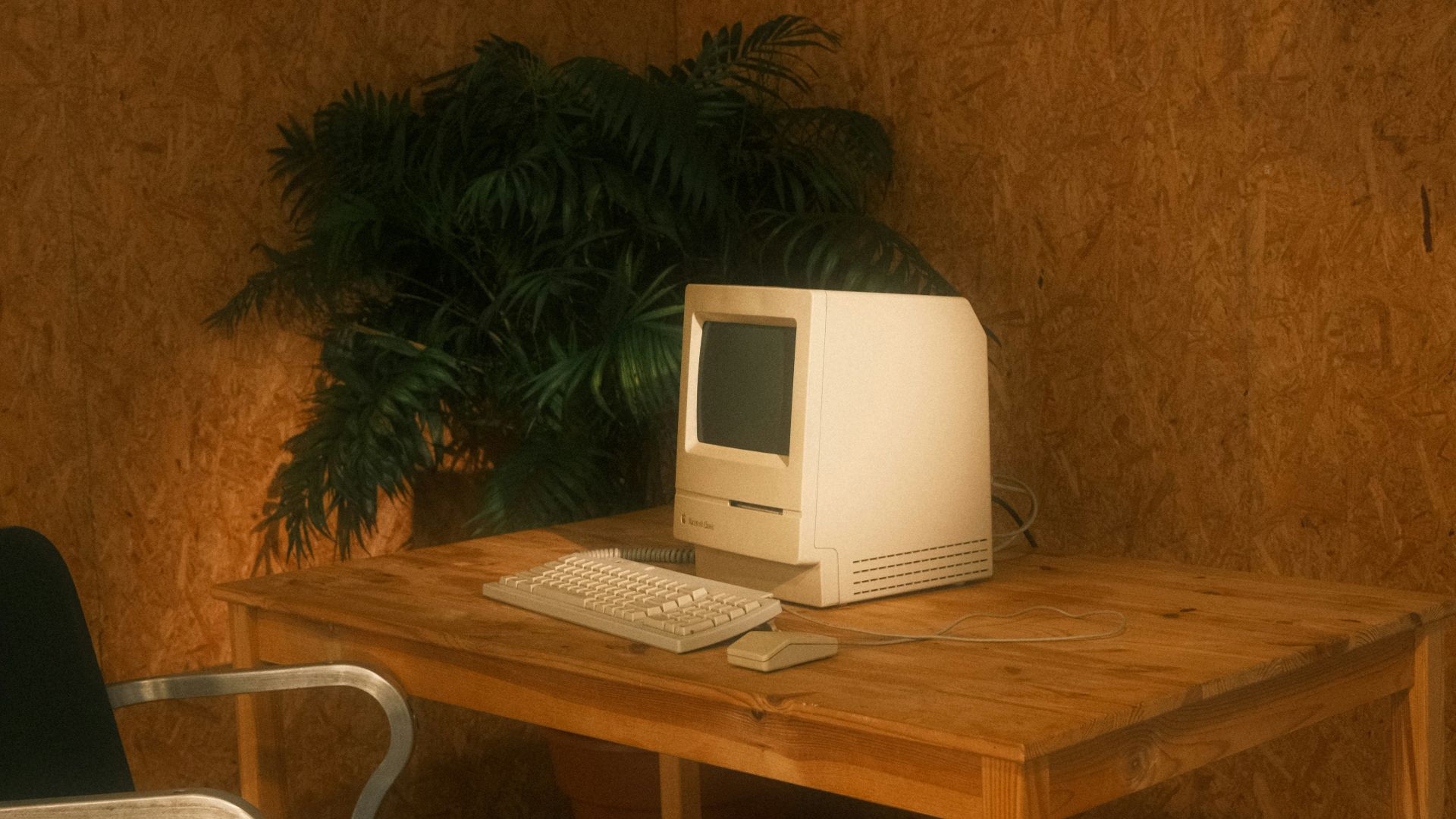
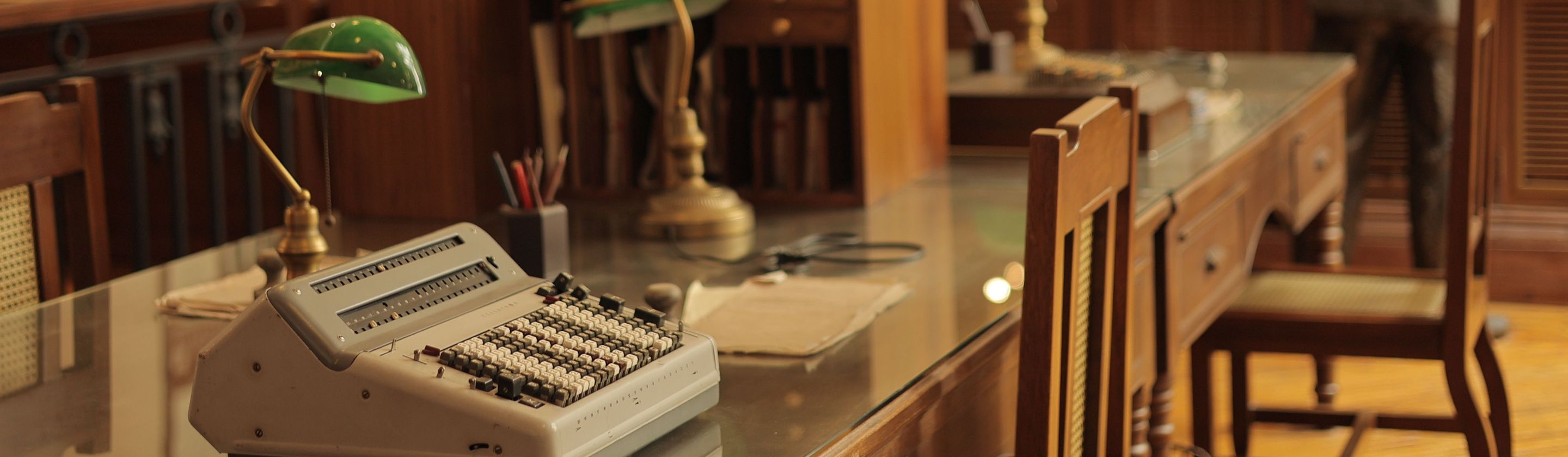
A workplace doesn’t need beige cubicles or a forgotten fax machine to feel behind the times. More often, the problem shows up in the daily routine: how managers talk to people, how feedback gets handled, who gets trusted, and what kind of behaviors everyone learns to accept. Modern employees still understand deadlines, standards, and accountability, but they also expect clearer communication, fairer systems, and a little respect for work-life balance. When a company keeps defending habits that slow people down, the job starts to feel heavier than it should. These are 20 signs your workplace may be stuck in the past.
1. Desk Time
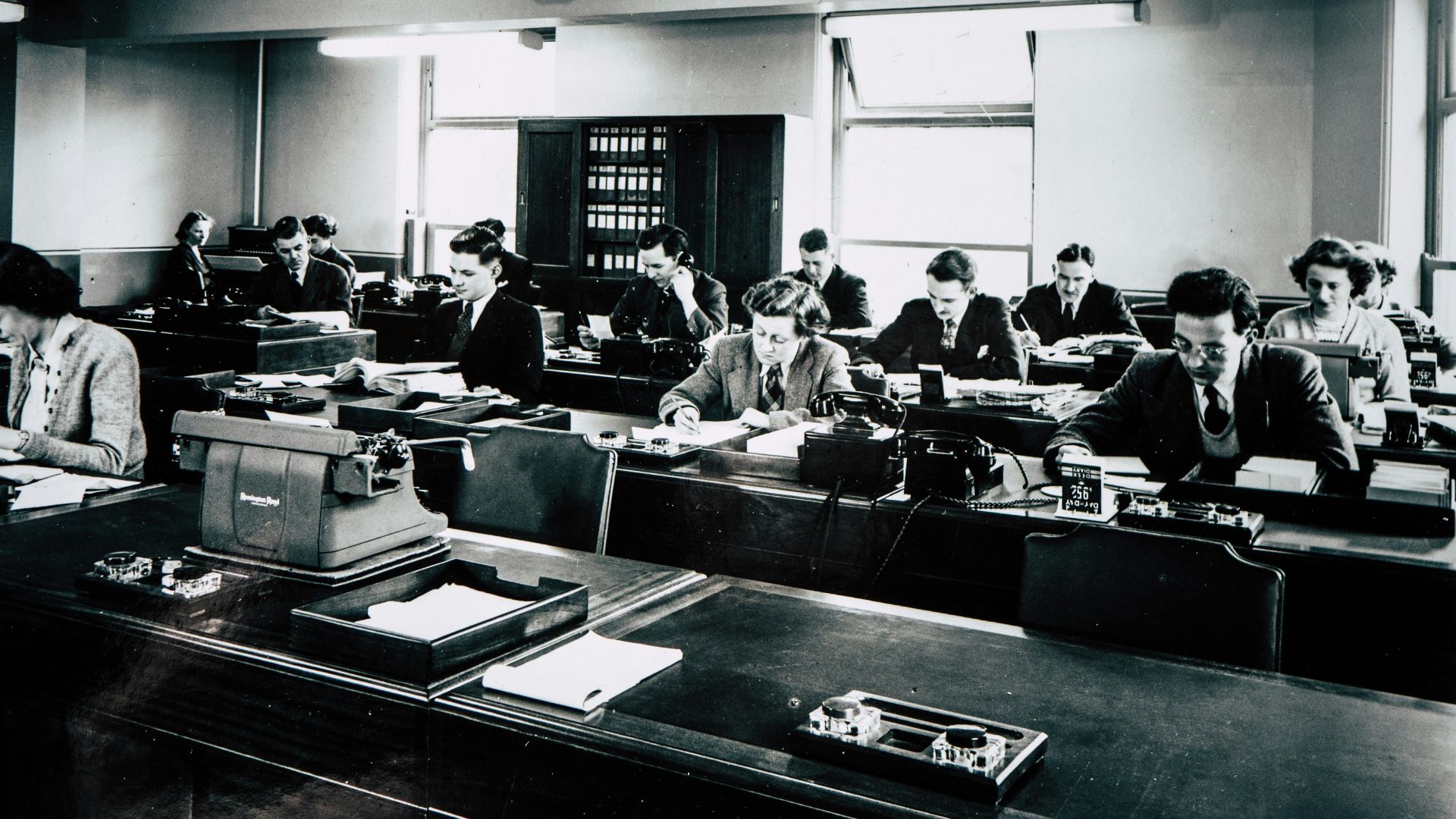
If the person who stays the latest is always treated like the most dedicated employee, the company may be measuring the wrong thing. Good work should come down to quality, reliability, follow-through, and how well people work with others. Extra hours in a chair don’t automatically mean better results.

2. Remote Work
Sure, some jobs do require folks to be onsite. The problem is when remote or hybrid work gets dismissed without a real explanation, even for roles that can clearly be done somewhere else. That kind of reaction usually says more about control than trust.

3. Every Small Decision Needs Approval
A dated workplace can make even the simplest of choices feel complicated. When capable employees can’t solve everyday problems without waiting on several nods of approval, the whole team loses momentum. Clear limits are useful, but constant sign-offs turn normal work into a slog.

4. Feedback
Annual reviews can serve a purpose, but they shouldn’t be the only time employees hear how they’re doing. Waiting 12 months to tell someone what’s working, what isn’t, and where they can improve makes the feedback less useful. Regular, specific conversations give people a fair chance to adjust.
5. Managers Are Picked By Seniority
The person who’s been there the longest isn’t necessarily the right person to manage a team. Leading people takes communication, fairness, patience, coaching, and the ability to set priorities when things get messy. When companies promote people without helping them learn those skills, everyone feels the gap.

6. AI Is Either Banned Or Ignored
A workplace doesn’t need to chase every new tool, but acting like AI isn’t changing work feels out of step. Employees need practical guidance on what’s allowed, what’s risky, and where human judgment still needs to lead. Without shared rules, people either avoid useful tools or use them unchecked.

7. Training Stops After Onboarding
If real learning ends after the first week, the company probably isn’t investing enough in its people. Tools change, roles change, and employees need chances to build new skills while they’re already doing the job. Taking the time to learn and grow should always be a part of the workday.

8. Burnout
Some workplaces still act as if exhaustion is just poor time management. Burnout is often tied to heavy workloads, unclear expectations, weak support, and constant urgency. Telling people to toughen up won’t fix a system that keeps draining them.

9. Long Hours Are Bragged About
A busy stretch happens in plenty of jobs, but constant overwork shouldn’t be treated like a badge of honor. When skipped breaks, late-night messages, and weekend catch-ups get praised too often, employees learn that boundaries come with a cost.

10. Pay Is Kept Mysterious
A workplace starts to feel old-fashioned fast when no one understands how raises, salary ranges, or promotions are decided. Secrecy can create suspicion, especially when the rules seem to change depending on who asks. You don’t need to know how much everyone makes, but it does promote transparency within the company.

11. Promotions Depend On Visibility
If advancement mostly goes to the loudest person in the room, the process needs work. Strong employees can get overlooked when leaders reward face time, office politics, or constant self-promotion more than actual contribution. A fairer system makes expectations clear before promotion decisions happen.

12. Diversity Practices
Obviously, an office should reflect the world we live in. What we mean by this is when someone is hired solely so an office can check off a box. If the same employees keep getting promoted, heard, protected, and sponsored, the culture hasn’t changed as much as it thinks. Inclusion has to show up in opportunity, leadership, everyday respect, and who gets the benefit of the doubt.

13. Bad Behavior Gets Excused As Personality
Every workplace has different personalities, but bullying, harassment, and constant disrespect aren’t harmless quirks. A company stuck in the past may protect a high performer who makes everyone else miserable simply because dealing with the problem would be uncomfortable. Culture is shaped by what leaders allow.

14. Accessibility Is Handled As An Afterthought
Employees shouldn’t have to fight for basic tools, accommodations, or setups that allow them to do their jobs well. Accessibility can include flexible scheduling, assistive technology, accessible spaces, and meeting habits that don’t leave people out. A thoughtful workplace plans for different needs.

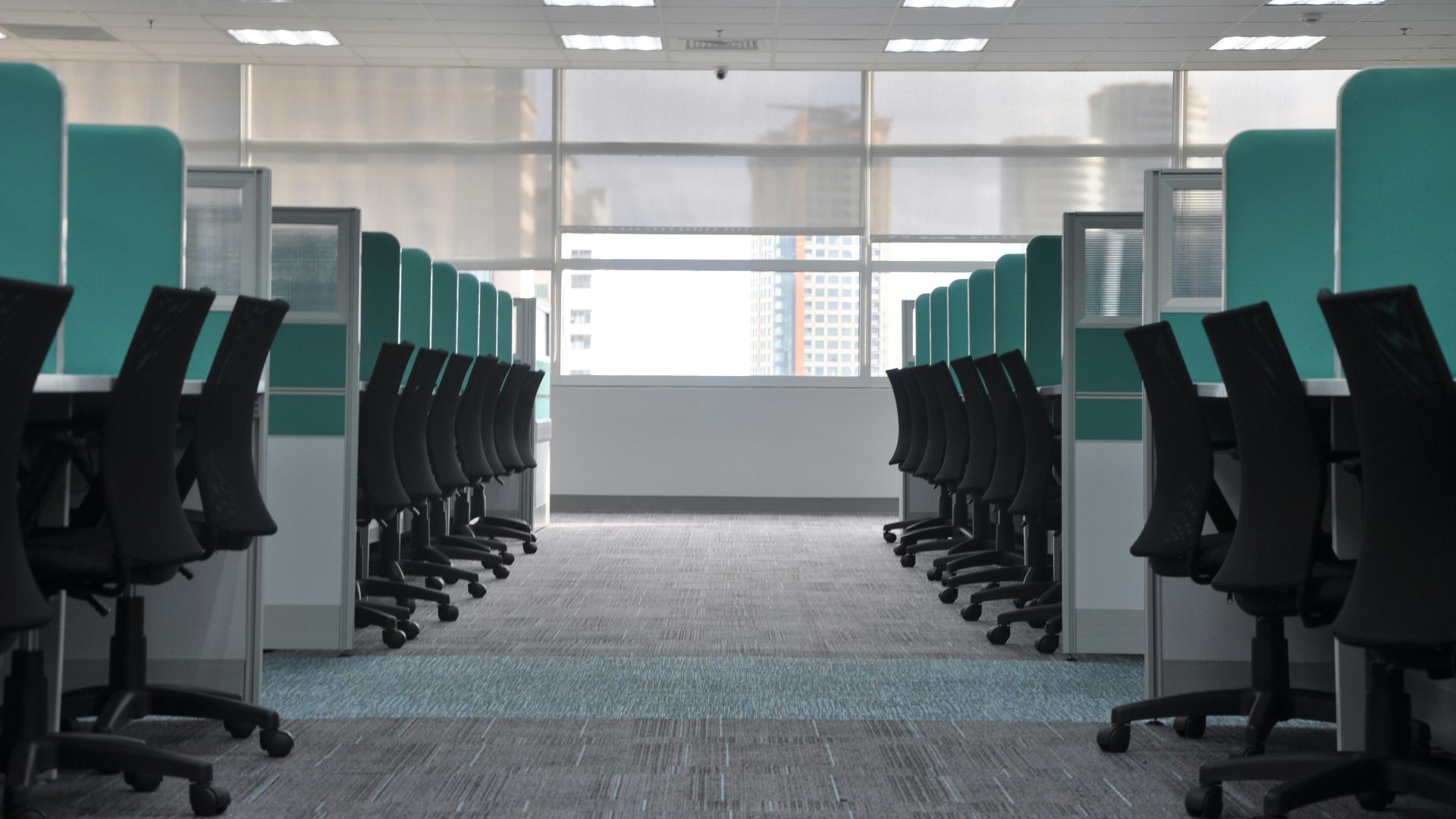
15. The Physical Workspace Is Uncomfortable
Bad chairs, harsh lighting, loud layouts, and awkward desks can make the workday more draining than it needs to be. Comfort matters when people spend much of the week in the same space. A company that ignores basic ergonomics and safety is asking employees to work around problems that could often be fixed.
16. Meetings Are The Answer To Everything
Some conversations need a meeting, but not every update deserves a calendar invite. If employees spend more time talking about work than doing it, the company may be stuck in performative busyness. Better agendas, smaller invite lists, and clear written updates can give people more room to actually get things done.
 Christina @ wocintechchat.com M on Unsplash
17. Employee Feedback Goes Nowhere
Surveys and suggestion boxes don’t mean much if nothing ever changes afterward. People notice when leadership asks for honest feedback, but doesn’t do anything with the results. A healthier workplace explains what was heard, what will change, and what can’t change right now.

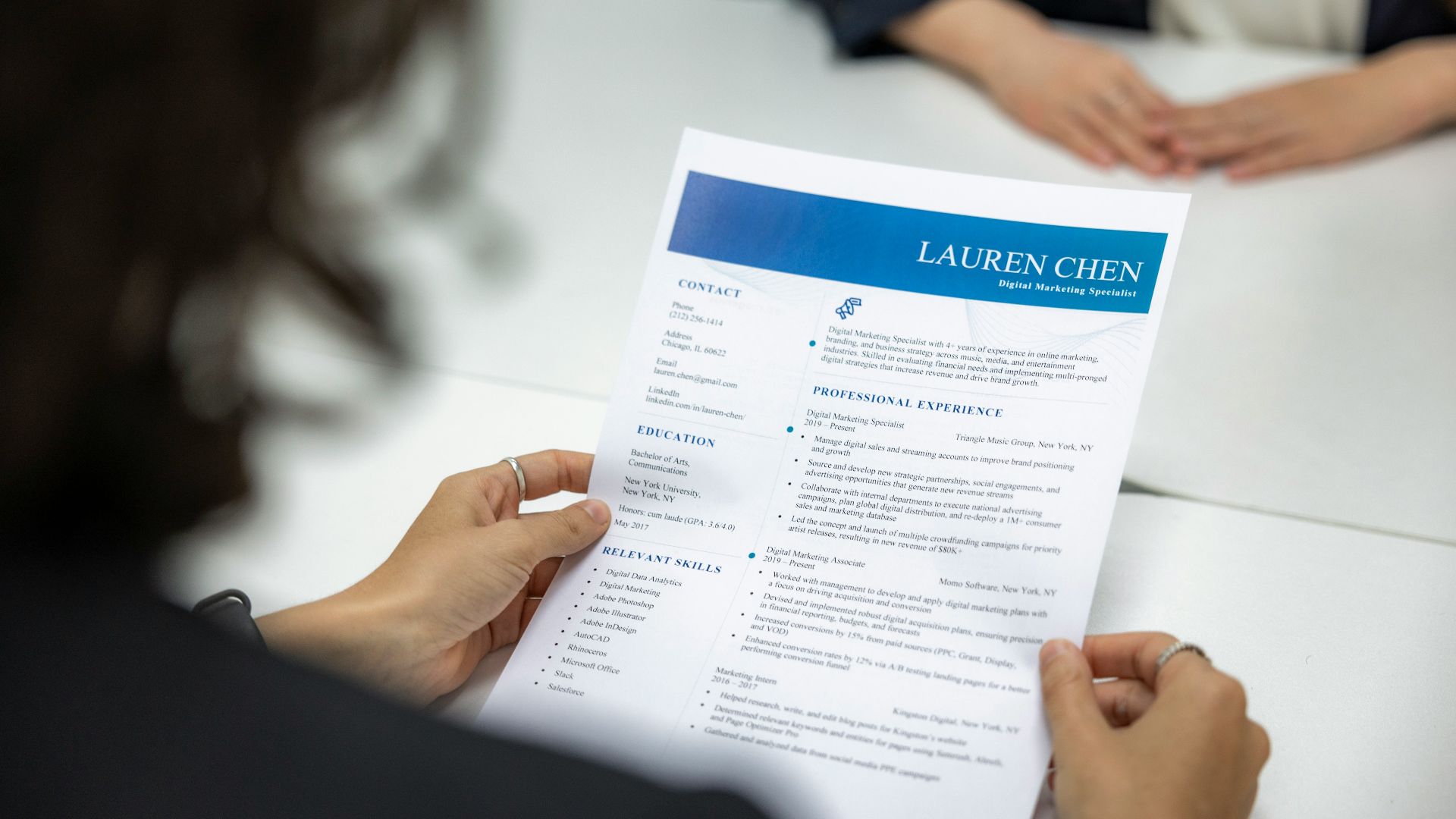
18. Hiring Still Worships The Perfect Resume
A polished resume can be useful, but it doesn’t always prove someone can do the job. Some workplaces still overvalue degrees, familiar titles, or tidy career paths even when practical skills matter more. Looking at ability, experience, and potential can open the door to stronger candidates.
19. Boundaries
Employees can care deeply about their work and still make time for themselves. A dated workplace quietly rewards constant availability, then judges anyone who sets limits. Healthy boundaries help people work better, not care less.

20. “We’ve Always Done It This Way” Ends The Conversation
Few phrases shut down improvement faster than “we’ve always done it this way.” Not every old method is bad, and not every new idea is worth chasing, but habits still need to be questioned from time to time. A workplace that can’t rethink anything eventually makes even simple improvements feel harder than they should.