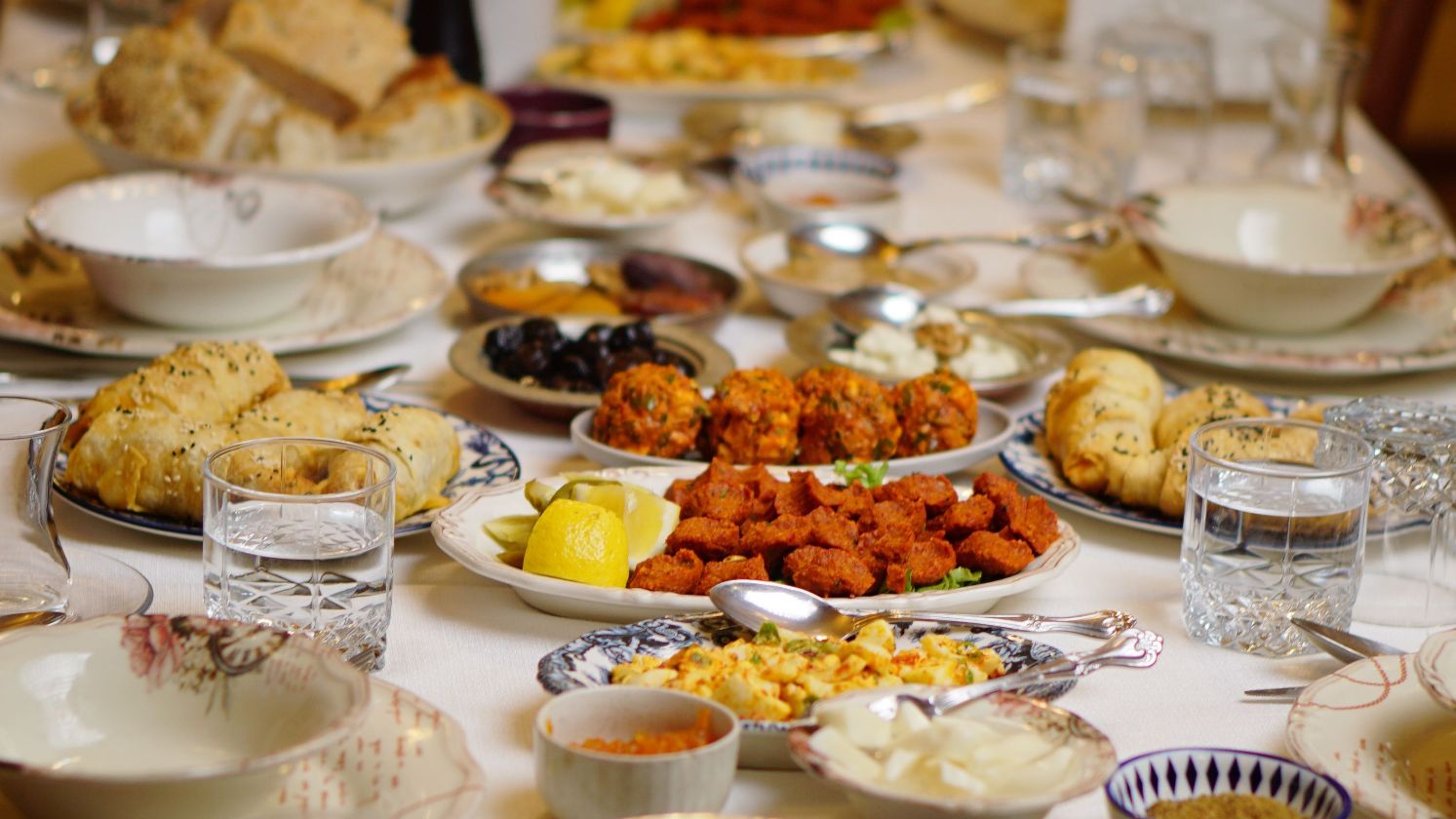

When caring for a guest within your home, it’s often that you’ll hear the phrase “southern hospitality.” This phrase comes with a characterization of being a kind, generous, and gracious host. It points to a kind of welcome people tend to recognize. At its best, Southern hospitality is about making people feel seen, fed, and comfortable before they have to ask for anything.
Like any phrasing in the English language, this phrase has a textbook's worth of history behind it, and it isn’t as cut and dry as people make it out to be. The tradition has a cultural, class, and race-based bias, often shown through the South’s desire to share their lifestyle with the rest of America and the world at large.
The History
Southern hospitality has been studied as both a social practice and a regional myth. Anthony Szczesiul’s The Southern Hospitality Myth, published by the University of Georgia, looks at how more than two centuries of hospitality became treated as a defining cultural trait of the South. Despite the commonness of this phrase, we know that hospitality is practiced in many different ways by many different people.
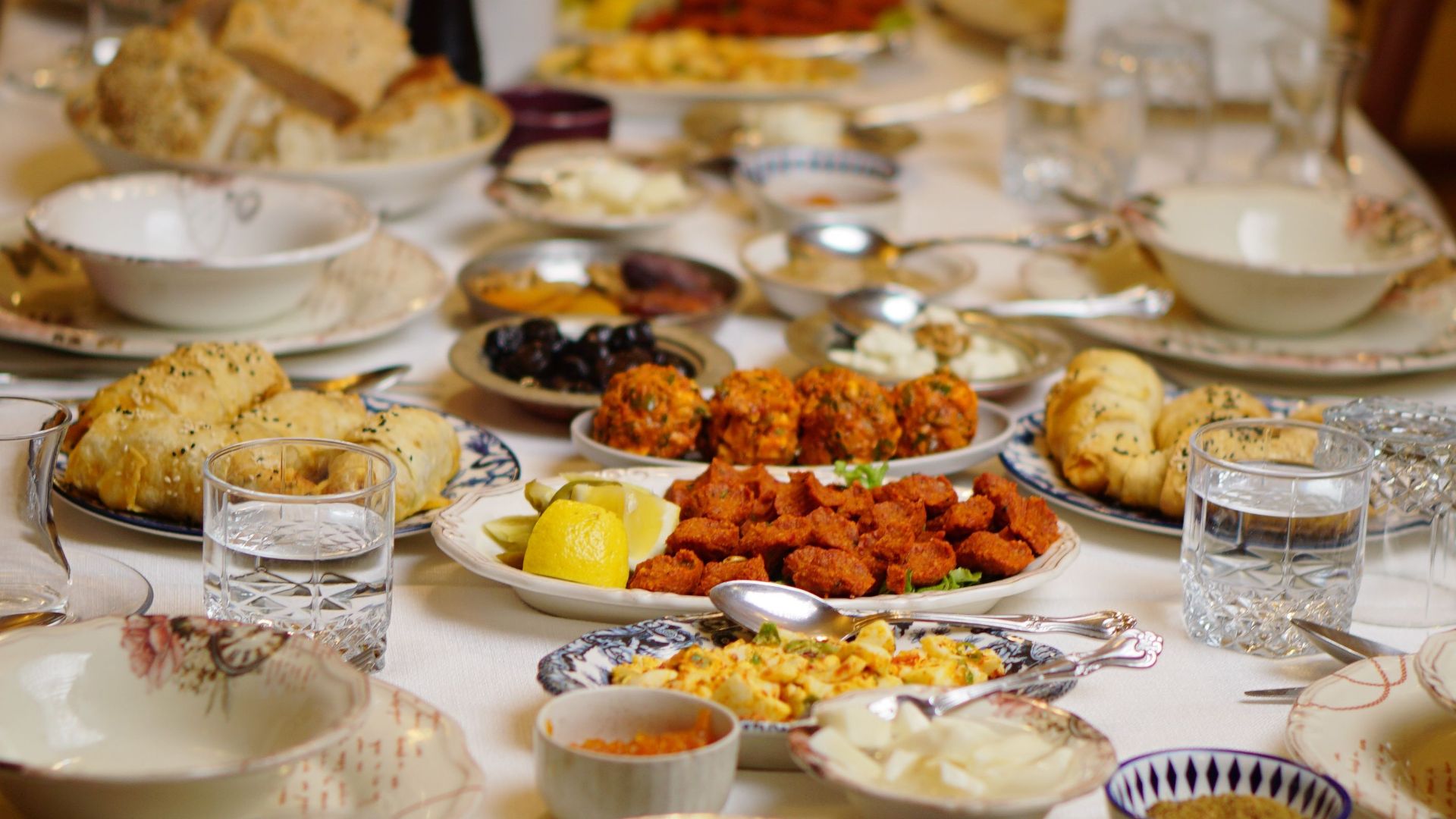
When you think of a “traditional” southern home, or host, a few images likely come to mind: open door policies, a smattering of food across a large wooden dining table, and groups of people chatting and laughing on the front porch. These images carry cultural weight for the South, but it also simplifies a very complicated region of the United States.
In daily life, hospitality usually shows up through practical care. Someone brings food after a funeral, checks on a neighbor after bad weather, or makes sure a guest has a place to sit. These cultural observations are examples of the gestures folks refer to when they talk about Southern hospitality.
A Visible Welcome
Food may be the clearest language of Southern hospitality. Feeding someone turns a welcome into something practical, something based on routine. Food works as comfort and invitation at the same time. It gives people something to do, something to offer, and something to share. The generosity comes from making sure your community has enough to eat.
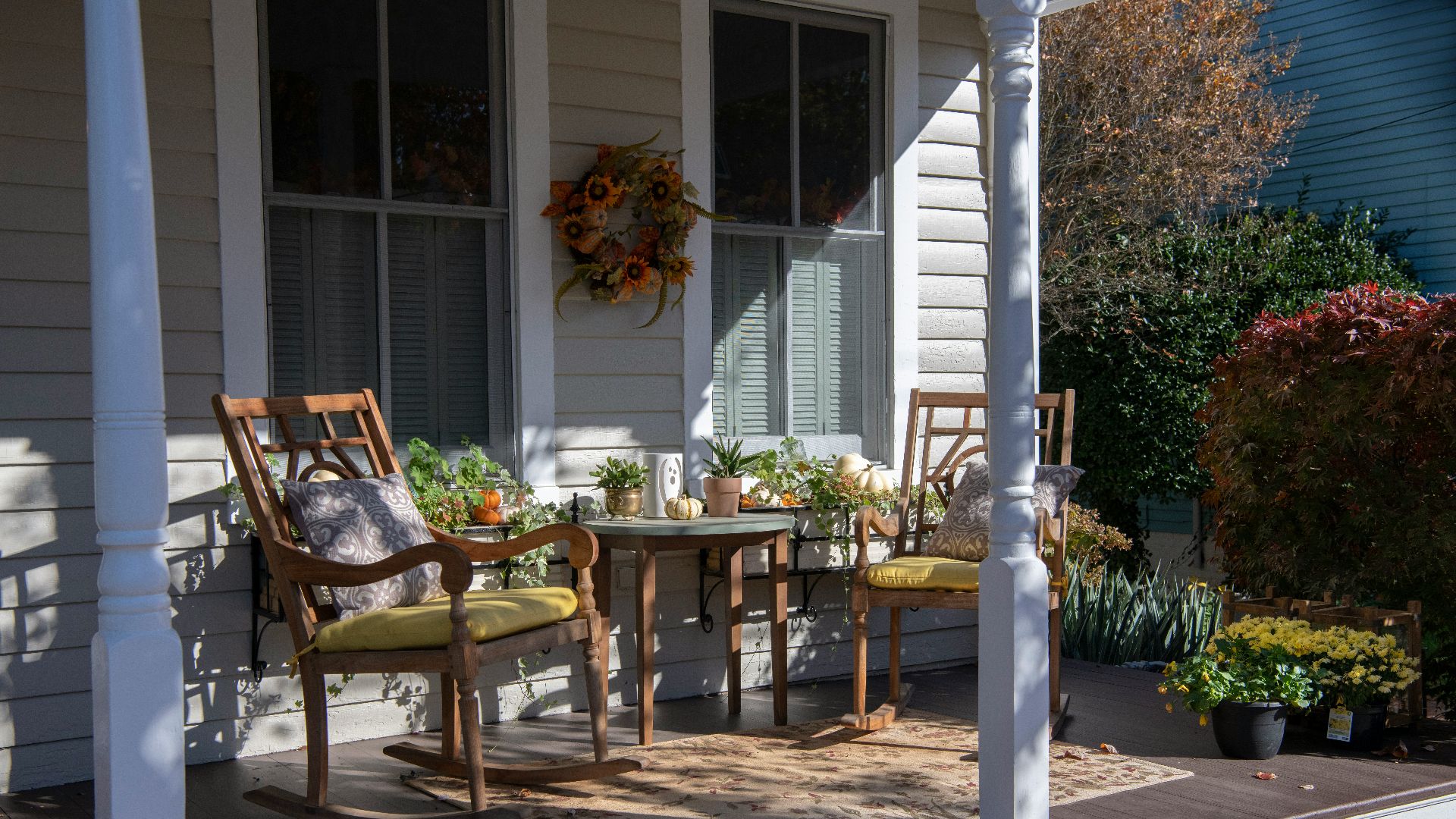
The front porch carries a similar meaning. Southern Cultures describes the porch as a place where people cooled off, watched the world, talked things over, and met for conversation and business. The same essay says, “The home and the road came together at the porch.”
That helps explain why the porch still feels so tied to Southern welcome. It sits between private life and public life, giving people a place to pause without fully stepping inside someone’s home. Even as air conditioning, suburbs, and busier schedules have changed how people gather, the porch still carries the feeling of an easy invitation, connecting the space to comfort and community.
The Other Side
 Robin Jonathan Deutsch on Unsplash
Any serious look at Southern hospitality has to include its limits. The charming version of the phrase often leaves out slavery, segregation, racial exclusion, and class barriers. Real generosity existed in Southern communities, but that doesn’t mean everyone was welcomed in the same way.
The history of The Negro Motorist Green Book shares this historical tension. The Library of Congress describes it as an annual guidebook for African American roadtrippers, founded and published by Victor Hugo Green from 1936 to 1967. It helped travelers find lodgings, businesses, and gas stations that would serve them during the Jim Crow era, when discrimination was widespread.
That history doesn’t erase Southern hospitality, but it does poke holes in the idea of a fully welcoming space. A region can have deep traditions of neighborly care and still have a history of exclusion.
The Full Picture
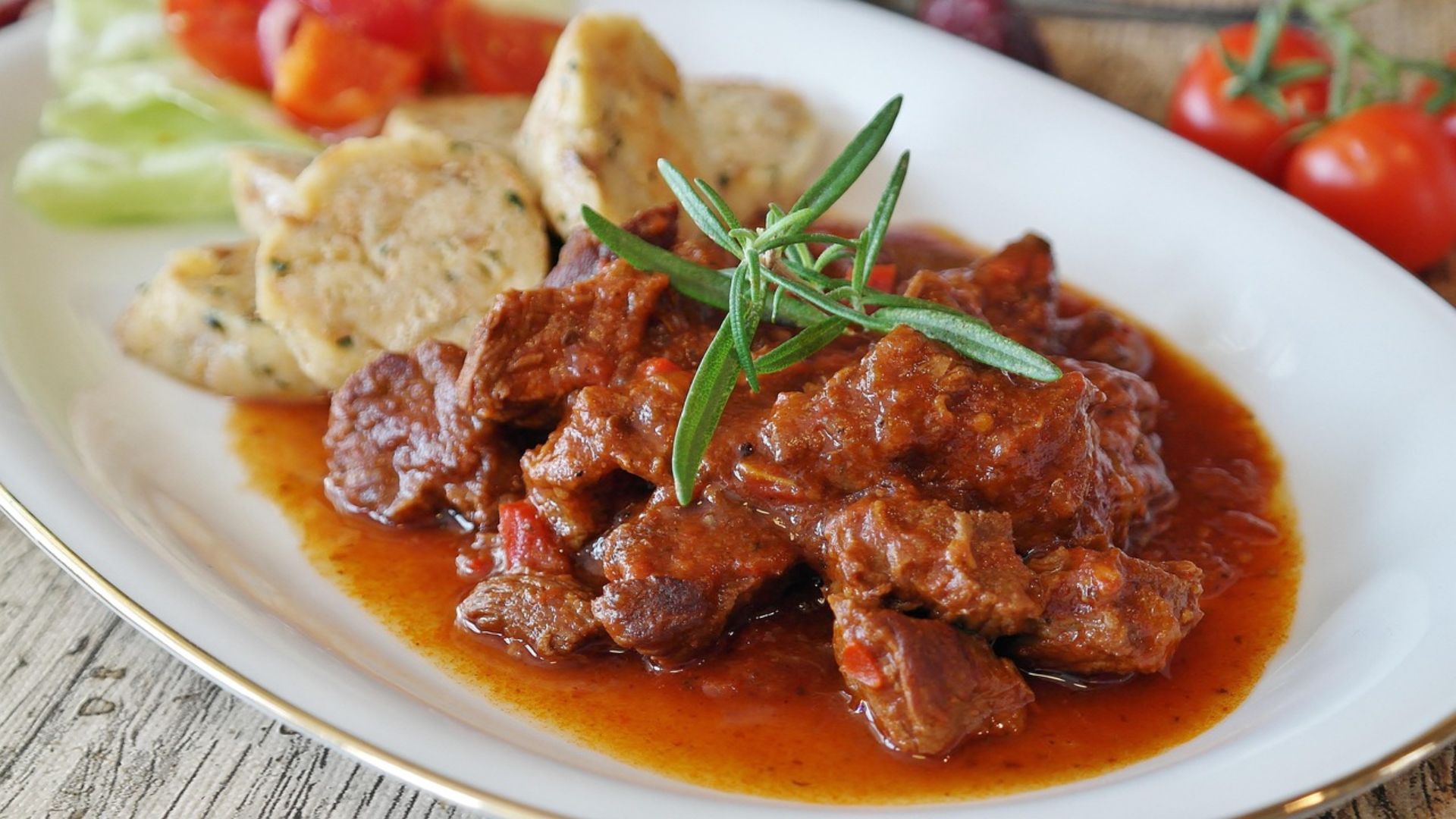
When you use the term “Southern hospitality" today, it’s unlikely that you’re wanting to turn back the clock by 100 years. The phrase today has less to do with the pomp and circumstance of high-class American Southerners. Instead, it’s simply about paying attention to your community. It’s the care of bringing a dish when someone is struggling, making room at the table, or noticing when someone is uncomfortable.
This also means that regardless of where you are in the world, manners are still important. Southern Living has described modern Southern manners as traditions that can adapt while keeping kindness, community, and respect at the center.
That’s why Southern hospitality still means something. It's never been perfect, but at its best, it’s a daily practice of making people feel less alone, one plate, one porch chair, and one meal at a time.