
A Gentle Reality Check (With Love)
Nobody wakes up and thinks, “Today I’ll be the office headache.” But if your coworkers get mysteriously quiet when you walk into a room, it might be time for a quick, friendly self-audit. This isn’t about shame or drama; it’s about noticing the little habits that make people tense up and protecting your reputation before you become a running joke in the group chat. Let’s explore a few classic signs that you may actually be the issue!

1. You Treat Every Message Like a Fire Drill
If you ping people with urgency for things that could wait until tomorrow, you’re only training everyone to ignore you. Over time, your real emergencies won’t land because you’ve cried wolf too many times. Also, nobody’s nervous system deserves daily meltdowns over a missing spreadsheet.
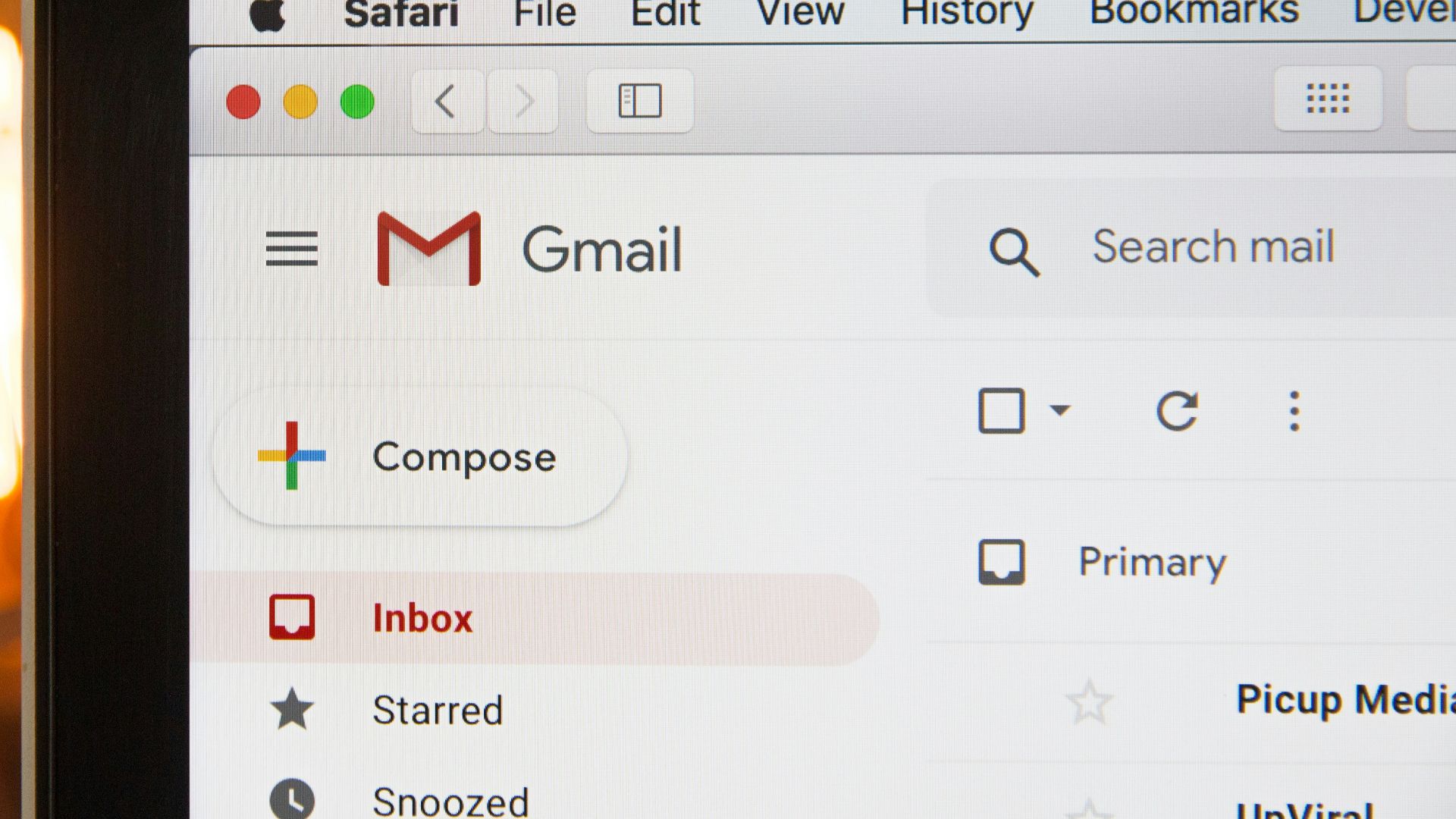 Stephen Phillips - Hostreviews.co.uk on Unsplash
2. You Talk Over People
When someone starts a sentence, and you jump in before they finish, it signals that you don’t value what they’re saying. Meetings are no longer a collaboration; they’re a race to see who can speak first, and no one appreciates that.

3. Annoying “Just Circling Back” Messages
Following up is fine, but sending three reminders in one afternoon isn’t exactly productive. If you’re anxious about a response, try setting a reasonable timeline instead of hovering. People work faster for someone who respects their boundaries and their time.
 Ruan Richard Rodrigues on Unsplash
4. You Reply-All to Every Email
Not every message needs public airtime, especially when it’s only between two people. Flooding inboxes makes everyone’s day harder, and it’s a fast way to become background noise. When in doubt, ask yourself if the intern in another department truly needs this update.

5. Taking Credit for Other People’s Ideas
If you present a win like you built it alone, people notice, and not in a flattering way. Teams remember who shares the spotlight and who grabs it—and they won’t forget you stole credit. Giving someone their proper due is free, and it buys you trust like nothing else.

6. You Turn Small Issues Into Public Drama
Calling attention to every minor mistake makes people feel watched instead of supported. It creates a culture where everyone’s defensive and nobody wants to take initiative. Handle tiny fixes privately, and save public callouts for actual learning moments.

7. You Treat Meetings Like a Podcast
If you love hearing yourself talk, that’s fine, but your coworkers didn’t subscribe. Long monologues suck the oxygen out of the room and leave no space for other people’s ideas. A good rule is to make your point, pause, and invite others in.

8. “Quick Questions” That Aren’t Quick
“Got a sec?” sounds harmless until it happens ten times a day. Those little interruptions shatter concentration, so collect your questions, send one message, and let people answer when they come up for air. The last thing you want to do is bombard others.

9. You Overshare
Talking about your weekend is normal, but recounting every argument, medical detail, or personal crisis can put people in an awkward spot. Coworkers shouldn’t feel like they’re accidentally trapped in therapy. Keeping some things for friends outside work protects everyone’s comfort, including yours.

10. You Don’t Want Input
Asking for input and then steamrolling every suggestion makes people stop offering ideas. Eventually, they’ll nod, smile, and mentally check out. If you want buy-in, you have to show you can be influenced by what you hear.
 Arlington Research on Unsplash
11. You Constantly Complain Without Offering Anything Useful
Venting once in a while is human, but a steady stream of negativity drains the room. People start avoiding you because they know they’ll leave the conversation feeling worse, and in a dead-end job, no one wants another downer.

12. “Brutal Honesty”
Honesty is great, don’t get us wrong. However, “brutal honesty” is often nothing more than cruelty. If your feedback regularly leaves people embarrassed, then the delivery is the problem. You can be direct while still being kind.

13. You Micromanage
Checking every detail might feel “thorough” to you, but it reads as insecurity to everyone else. It slows projects down and makes capable people feel useless. Clear expectations plus space to execute is how you get great work without becoming the office hovercraft.

14. You Overstep Boundaries
If someone says they’re offline at 6 and you keep texting anyway, that’s not exactly dedication—it’s inconsiderate. Work expands to fill whatever space you force open, so respecting boundaries makes people more willing to help when it matters.

15. You Show Up Late and Act Like It’s Cute
A few minutes here and there add up, especially when others are waiting on you. It sends the message that your time is more important than theirs, which, as you can guess, doesn’t make you very popular. Being on time is a small habit that signals reliability without you saying a word.

16. You Hog the Spotlight
It’s dismissive to try to top someone else’s story or work success. People want to be heard, not redirected, so try asking a follow-up question before making it your moment.

17. You Play Volume Wars in Shared Spaces
Taking calls on speakerphone or chatting at full blast in a quiet area is a bold choice—and not a popular one. Resentment quickly builds when you disrespect the space! Use your inside voice, don’t take personal calls, and definitely don’t make a scene in your cubicle.

18. The “As Per My Last Email” Threat
That phrase doesn’t clarify anything; it just adds to the tension. It makes you sound annoyed, even when you’re trying to be helpful, so if you need to reference something, do it plainly and keep the tone calm.
 LinkedIn Sales Solutions on Unsplash
19. You Make Jokes That Put People on the Spot
If your joke makes someone uncomfortable, it’s not a joke anymore. Humor that relies on embarrassment is a fast track to being labeled “that person.” Aim for laughs that don’t make someone regret showing up (or regret talking to you).
 The Jopwell Collection on Unsplash
20. You Ignore the Room
Reading the vibe is a skill, and it makes you easier to work with instantly. Pay attention to tone, timing, and context to ensure you don’t overstep people’s comfort zones. That empathy can also make you someone people turn to, not away from.