
Build a Future You Actually Want
Early retirement isn’t about sprinting through life with zero fun, and it definitely doesn’t require living like a monk. It’s more like setting up some smart systems so your money keeps working even when you’re off doing the things you enjoy. If you start stacking the right habits now, you’ll give yourself the kind of freedom that feels almost unfair in the best way. Here are 20 ways to set yourself up for early retirement.
 Land O'Lakes, Inc. on Unsplash
1. Automate Your Investing So It Happens on Autopilot
Set up automatic transfers so investing happens right after payday, before spending gets any bright ideas. When the process runs in the background, you stop negotiating with yourself every month. Over time, that consistency can matter more than any single “perfect” money move.

2. Raise Your Savings Rate Whenever Your Income Rises
Each raise is a chance to speed up your retirement timeline without making your daily life feel tighter. Try increasing savings first, then decide what extra spending is truly worth it. You’ll still enjoy the raise, just with fewer long-term strings attached.

3. Define Your “Enough” Number and Make It Real
Early retirement gets easier when you know what you’re aiming for instead of guessing. Pick a yearly spending target you’d feel good living on, then work backward to a savings goal. That clarity helps you say “no” faster to things that don’t belong in your plan.

4. Keep Your Housing Choice From Becoming a Cage
Housing can either support your freedom or quietly eat it alive with monthly payments and upkeep. Choosing a place you like that’s also comfortably affordable gives you breathing room for investing. You can still have a great home without buying yourself an extra decade of work.

5. Stop Treating Cars Like Monthly Memberships
A huge car payment costs money and steals flexibility in a very predictable way. Buying reliable and keeping it longer keeps cash available for goals that actually move the needle. If you want a splurge, make it one you can afford without financing your future.

6. Eliminate High-Interest Debt Like It’s an Emergency
High-interest debt is one of the few financial problems that gets worse even when you do nothing wrong. Paying it off is a guaranteed return, and it’s usually a pretty great one. Once it’s gone, your budget will feel like it finally exhaled.

7. Build a Buffer That Mitigates Surprises
An emergency fund keeps a surprise expense from becoming a credit-card spiral. Even a few months of expenses can protect your investing routine when life gets chaotic. It’s basically financial shock absorbers for the road you’re already driving.

8. Learn to Love Diversified Investing
You don’t need a complicated strategy to retire early; you need one you’ll stick with. Broad, low-cost diversified funds can do a lot of heavy lifting without drama. The less you tinker, the more likely you are to let compounding do its job.

9. Increase Your Earning Power With Strategic Skills
Saving is important, but earning more gives you extra fuel for the same engine. Pick skills that have clear market value and that you can actually tolerate practicing. When you combine higher income with steady investing, the timeline gets noticeably shorter.
 Christina @ wocintechchat.com M on Unsplash
10. Create Side Income That Won’t Make You Miserable
A side hustle shouldn’t feel like you added a second full-time job to your life. Choose something flexible, repeatable, and realistically manageable with your current schedule. Even modest extra income can accelerate savings without turning your evenings into a grind.

11. Cut Recurring Expenses You Don’t Even Notice
Subscriptions and “small” monthly charges are sneaky because they blend into normal life. Audit them a few times a year and cancel anything you wouldn’t repurchase today. Redirecting that money to investments is an easy win that doesn’t feel like deprivation.

12. Use Goal-Based Budgets Instead of Guilt-Based Ones
Budgeting works better when it’s about priorities, not punishment. Give your money to things that match your goals, including fun, so you don’t rebel later. When your plan feels livable, you’ll actually keep following it.

13. Practice Purposeful Spending
Impulse spending isn’t always about wanting the item; it’s often about wanting the feeling. Pause before making a purchase and ask whether it supports the life you’re building. You’ll still buy plenty of things, just fewer that you regret the next day.

14. Track Your Spending
Tracking your spending isn’t meant to scold you; it’s there to show you patterns you can’t see otherwise. Once you know where your money is spent, you can make wiser decisions. Think of it like turning on the lights, not handing yourself a lecture.

15. Plan Your Taxes Strategically
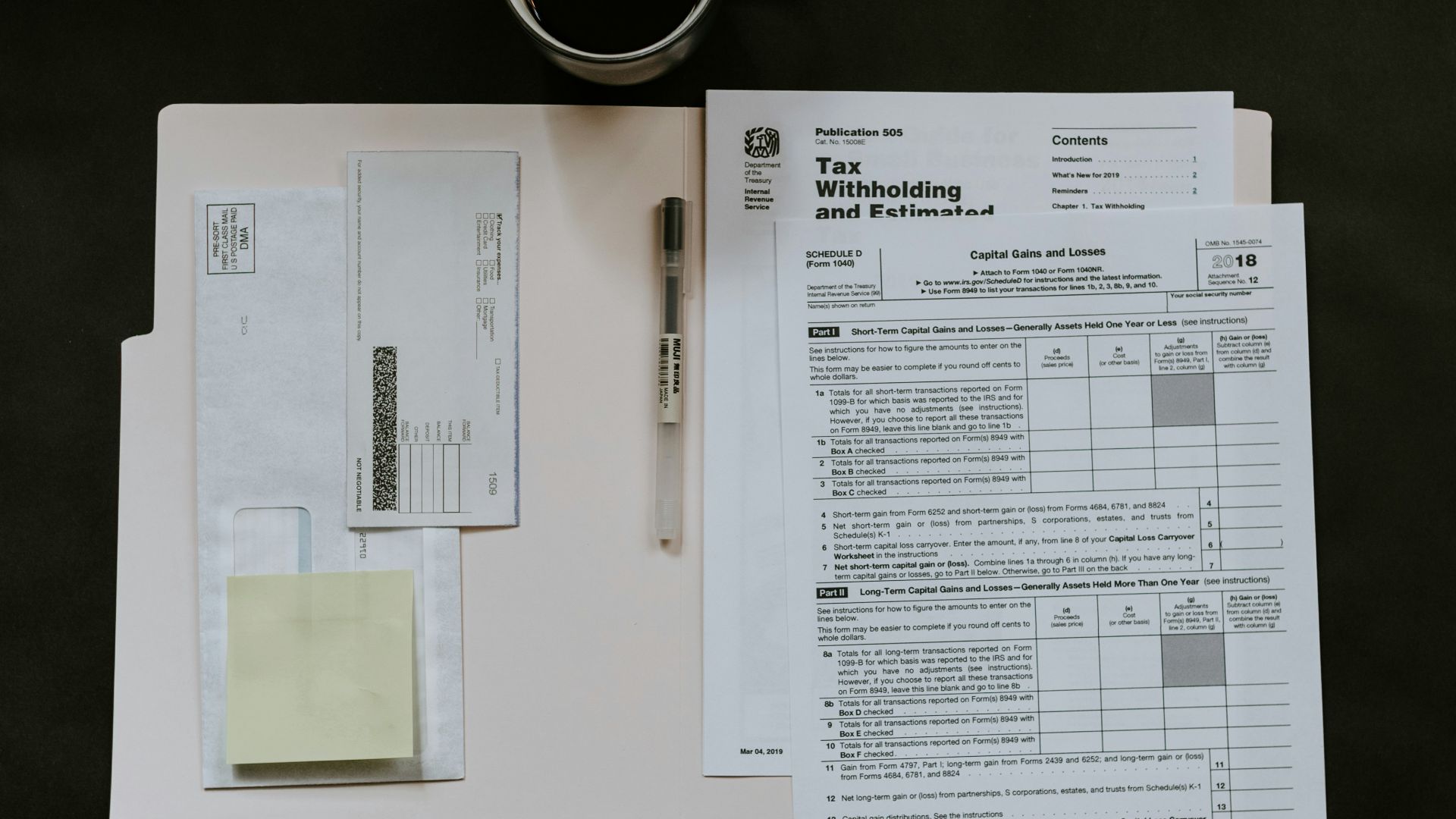
Taxes aren’t just a springtime annoyance; they can shape your long-term results. Learn the basics of tax-advantaged accounts and how different income types are treated. Keeping more of what you earn means more money stays in the game, compounding for you.
16. Protect Your Time the Same Way You Protect Your Money
Time is what you’re trying to buy back, so it deserves some respect right now, too. Build routines that keep you energized instead of constantly drained and overscheduled. A sustainable life makes it easier to stick with an early-retirement plan for years.

17. Make Health a Non-Negotiable Line Item
A body that feels good is one of the best early-retirement perks you can give yourself. Prioritizing sleep, movement, and basic preventive care can reduce future costs and stress. You’re not trying to retire early just to feel terrible doing it.

18. Choose Friends That Don’t Pull You Off Course
If everyone around you treats overspending like a hobby, your plan gets harder to maintain. Seek out people who value independence, smart choices, and long-term thinking. The right environment makes “normal” feel a lot more aligned with your goals.
 Priscilla Du Preez 🇨🇦 on Unsplash
19. Recheck Your Plan Regularly and Adjust When Needed
Life changes, and your retirement math should change with it. Review your savings rate, spending, and goals a few times a year so you don’t drift off track. Small course corrections now are way easier than big rescues later.

20. Design an Early Retirement You’d Actually Enjoy
Retiring early isn’t the goal if you don’t know what you’re retiring to. Think about your ideal days, your hobbies, your social life, and what keeps you feeling useful. When the vision feels real and exciting, it’s much easier to stay consistent and dedicated today.