
Make 2026 Goals Stick
January energy fades fast. One week you're crushing your goals, the next you're slipping back into old habits. Sound familiar? That’s because staying committed all year long takes more than a bold start. This list explores smart, often overlooked strategies that help you follow through. Discover how to protect your momentum and finally meet your 2026 resolutions—read on for twenty powerful ways to stay on track.

1. Short-Term Goal Sprints
Huge resolutions feel exciting until they don’t. That’s why breaking them into weekly steps or five-day sprints works so well. Each tiny win gives your brain a hit of dopamine, and honestly, that’s how micro-goals earned their reputation for long-term success.

2. Mapped-Out Progress Tools
There’s something satisfying about checking a box—Franklin knew it, and your 2026 planner does too. With AI setting milestones and apps like Trello showing what’s done, you’re not guessing. Additionally, writing it down helps you remember, and seeing it helps you keep going.

3. Monthly Video Logs
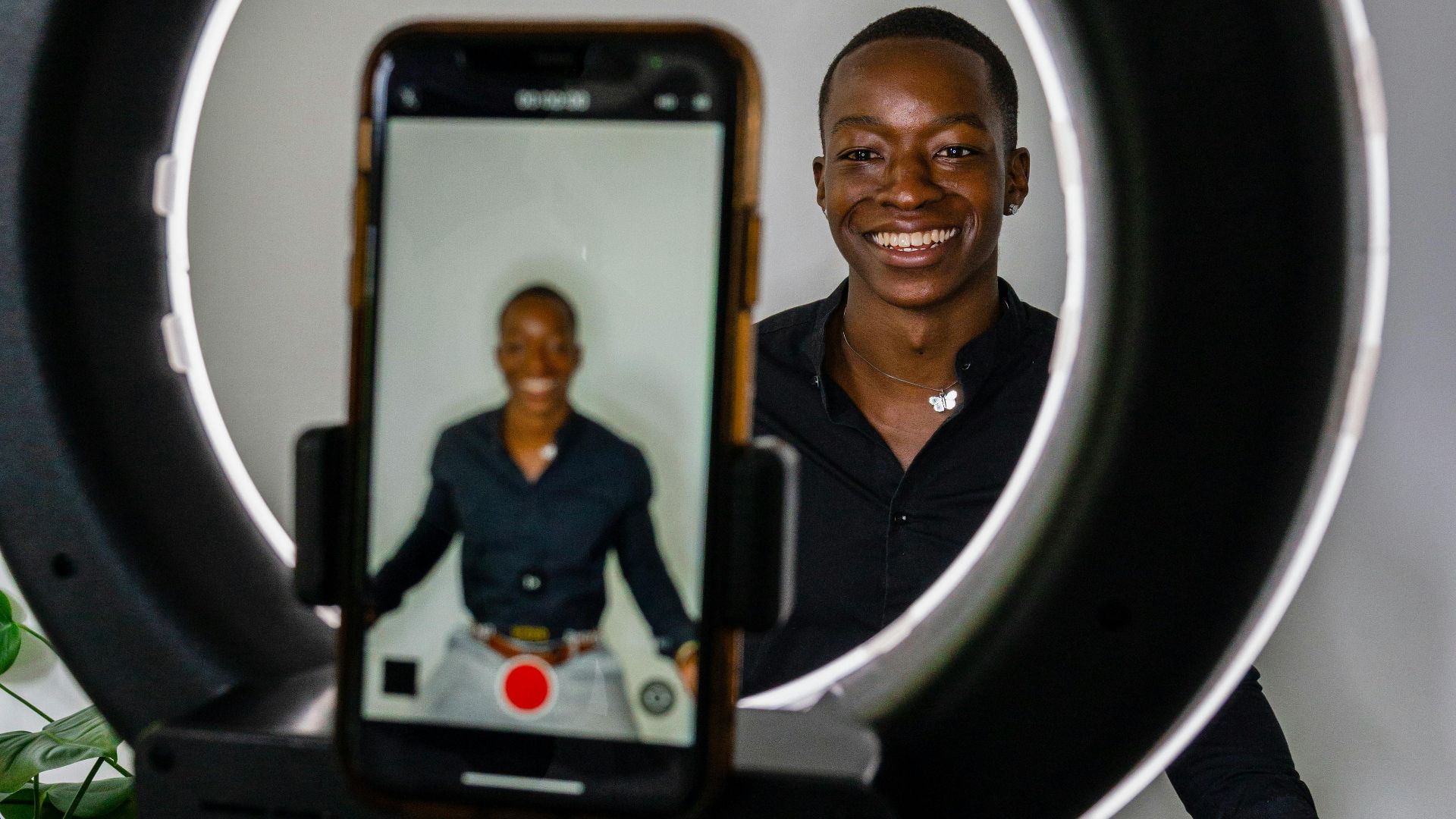
Your camera can do more than selfies. Monthly video check-ins create accountability and honest reflection. Apps like Notion and Daylio make it simple to log progress. No surprise that YouTubers turn these vlogs into content—and keep themselves motivated in the process.
4. Resolution Playlist
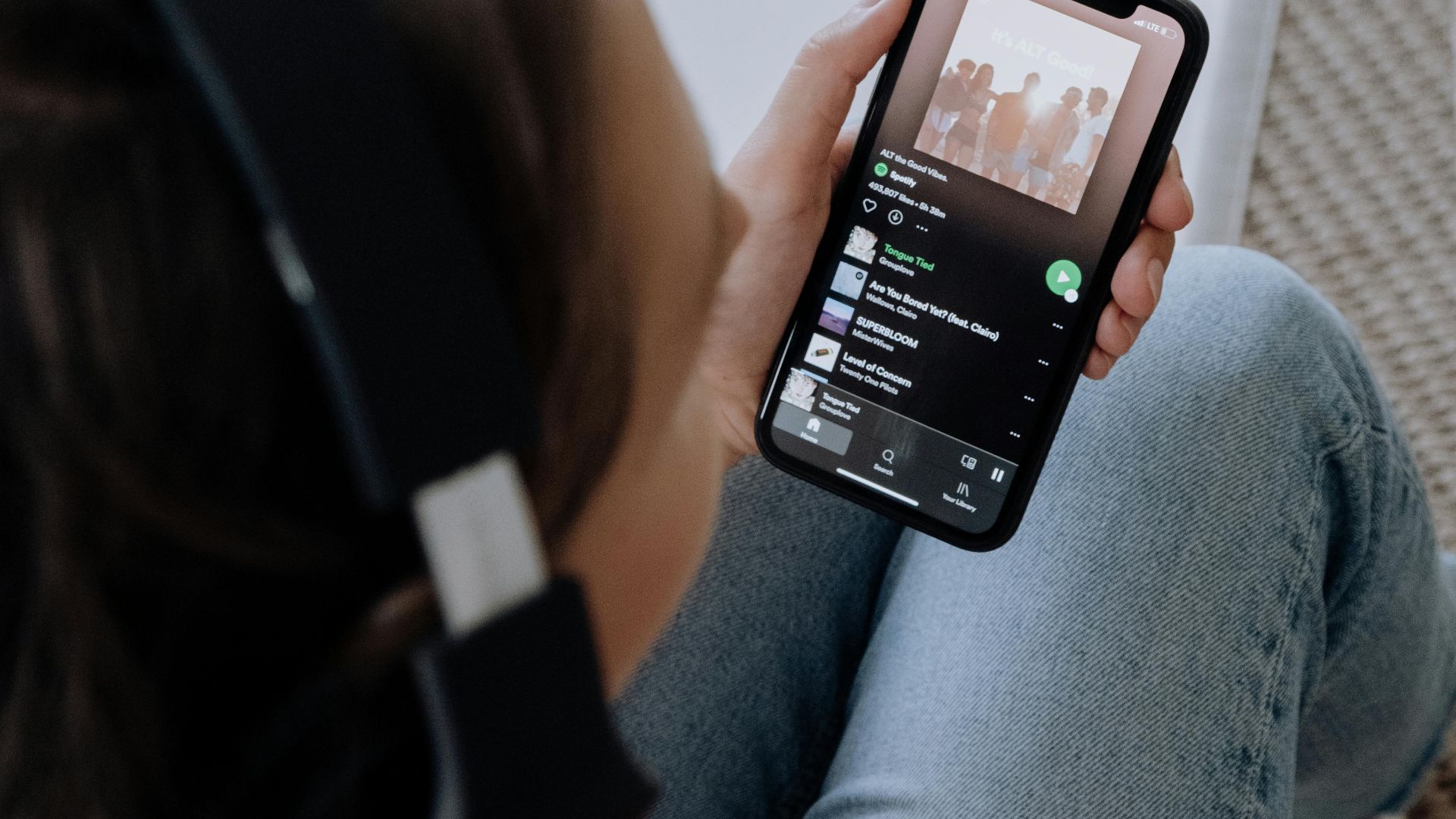
Your playlist might be the secret to showing up. Music lights up your brain’s reward system and makes routines less boring. In 2026, platforms like Spotify build goal-based mixes—and yes, Beethoven still sneaks into a lot of deep focus tracks.
5. Accountability Buddy System
Why go at it alone when someone can keep you on track? Buddy systems help you stay consistent, especially when you're logging check-ins on Notion or Google Sheets. Around mid-January, when most give up, that kind of support makes a difference.

6. Habit Stacking
Tacking a new habit onto an old one might sound too easy, but your brain loves the shortcut. It’s called habit stacking, and it works. James Clear made it popular, but S.J. Scott actually gave it a name back in 2014.

7. Gamified Habit Apps
Gamified apps turn small wins into full-blown quests. Habitica rewards brushing your teeth, and newer tools track sleep, steps, and mood with wearables. Add in a few badges and a streak counter, and suddenly, habits start to feel like gameplay.

8. Anchoring Your Why
A personal motto gives you something quick to hold on to. A vision statement? That’s your long-game motivator. Together, they give your goals meaning. Oprah swears by vision boards, and let’s be honest, “Just Do It” still kind of works.

9. Resolution Retreats
Stepping away from the noise can help you dial back in. Resolution retreats create space for focus, reflection, and change. They blend mindfulness and wellness traditions in a way more than your average hotel ballroom goal-setting session.

10. Public “Anti-Goals” Wall
Focusing on what you’re avoiding can be surprisingly helpful. Creating a list of “anti-goals” keeps bad habits in sight and out of reach. Whether it's a sticky note wall or a digital post, this visual reminder keeps you grounded in change.

11. Financial Apps For Money Goals
Managing money feels less stressful when your phone handles the heavy lifting. Apps like YNAB and Mint now flag overspending and suggest smarter swaps. The idea started decades ago with Quicken, and now budgeting tech feels more like having a financial co-pilot.
12. Seasonal Resolution Themes
You’re not lazy—just out of sync. Spring brings energy, fall invites a slowdown. That’s why seasonal goal themes work better than year-long pressure. Even the ancient Romans timed resolutions with Janus, their god of transitions, because change tends to follow nature.

13. Environmental Design
Want to exercise more? Leave your shoes by the door. Behavioral design says small tweaks in your space lead to big shifts in behavior. Even Steve Jobs used layout tricks at Pixar to spark creativity. Your surroundings can seriously shape action.

14. AI-Powered Nudges
You don't need motivation 24/7—just a nudge at the right time. In 2026, smart devices read your schedule and even your stress level to trigger gentle prompts. These cues work quietly in the background, giving you a helpful push forward.

15. Sunday Reflection Journaling
There’s something about a quiet Sunday that makes space for clarity. Weekly journaling lowers stress and helps spot what needs adjusting. The habit goes way back—think monks or even da Vinci—because taking time to reflect never really goes out of style.

16. Subscription Services That Reinforce Goals
Sticking with goals gets easier when reminders show up at your door. Subscription boxes bring fitness gear, snacks, or meditation tools, while apps handle the digital side. It all started with Birchbox, and now, monthly deliveries help habits feel automatic.

17. Future Self Letter
Writing to your future self feels oddly powerful. It builds patience and commitment. Platforms like FutureMe deliver these notes months or years later—and yes, people have been doing this online since the early 2000s, when the trend quietly exploded.

18. Physical Triggers For Focus
Smells, textures, and even lighting can help lock in habits. Lighting a specific candle while journaling or using a textured mat for workouts can turn actions into routines. These small physical cues create mental associations that boost focus and reduce resistance over time.

19. Reward Jar
Hit a goal and earn a reward—simple, but powerful. A reward jar lets you treat yourself after staying consistent for a set time, whether that’s five days or a full month. It turns discipline into something fun and totally worth chasing.

20. Habit Reset Days
Progress doesn’t have to be perfect. A reset day gives you a chance to pause and start fresh, even midweek. Many digital planners now include reset options because people are realizing it's easier to stay consistent when failure isn’t final.