How To Stay Smart, Suave, and Consistent
A successful side hustle usually comes down to three things: a clear offer, steady execution, and realistic expectations about time. You do not need a brand-new idea, a huge audience, or fancy tools to get started, but you do need a plan you can stick to. If you set things up simply and make small improvements every week, you will build momentum without burning yourself out.

1. Pick One Clear Niche
Choose a specific problem you can solve for a specific type of customer. Broad ideas sound flexible, but they often make marketing and pricing harder than it needs to be. A clear niche helps people understand what you do and whether you are for them.

2. Use Skills You Have
Start with something you can already do well enough to deliver confidently. You can improve over time, but you shouldn’t begin by selling a service you’ve only just started trying out. Making use of preexisting skills shortens the time between “idea” and “income.”

3. Validate Real Demand
Before you build anything big, confirm that people will actually pay for it. Ask potential customers what they need, what they have tried, and what they would pay to fix the problem. A few honest conversations can save you weeks of wasted effort.

4. Keep Startup Costs Low
Limit spending until you have proof that the hustle can generate consistent revenue. Free or low-cost tools are usually enough in the early stages. You can always upgrade later when your orders start to justify it.

5. Set a Weekly Schedule
Block time for your side hustle in your calendar and treat it like a real commitment. Consistency matters more than occasional bursts of intense work. A steady rhythm also helps you avoid last-minute stress or potential customer frustration.

6. Define Your Exact Offer
Write out what you provide, who it is for, what it includes, and what it does not include. When your offer is precise, it is easier to sell and easier to deliver. Clear boundaries also help to remove any confusion as to what you do and do not offer. You can also create an FAQ page to answer any recurring questions.

7. Price With Confidence
Avoid pricing so low that you resent the work or cannot sustain it. Consider your time, your costs, and the results your customer is getting. You can start simple, but you should still charge in a way that respects your effort.
8. Create a Simple Portfolio
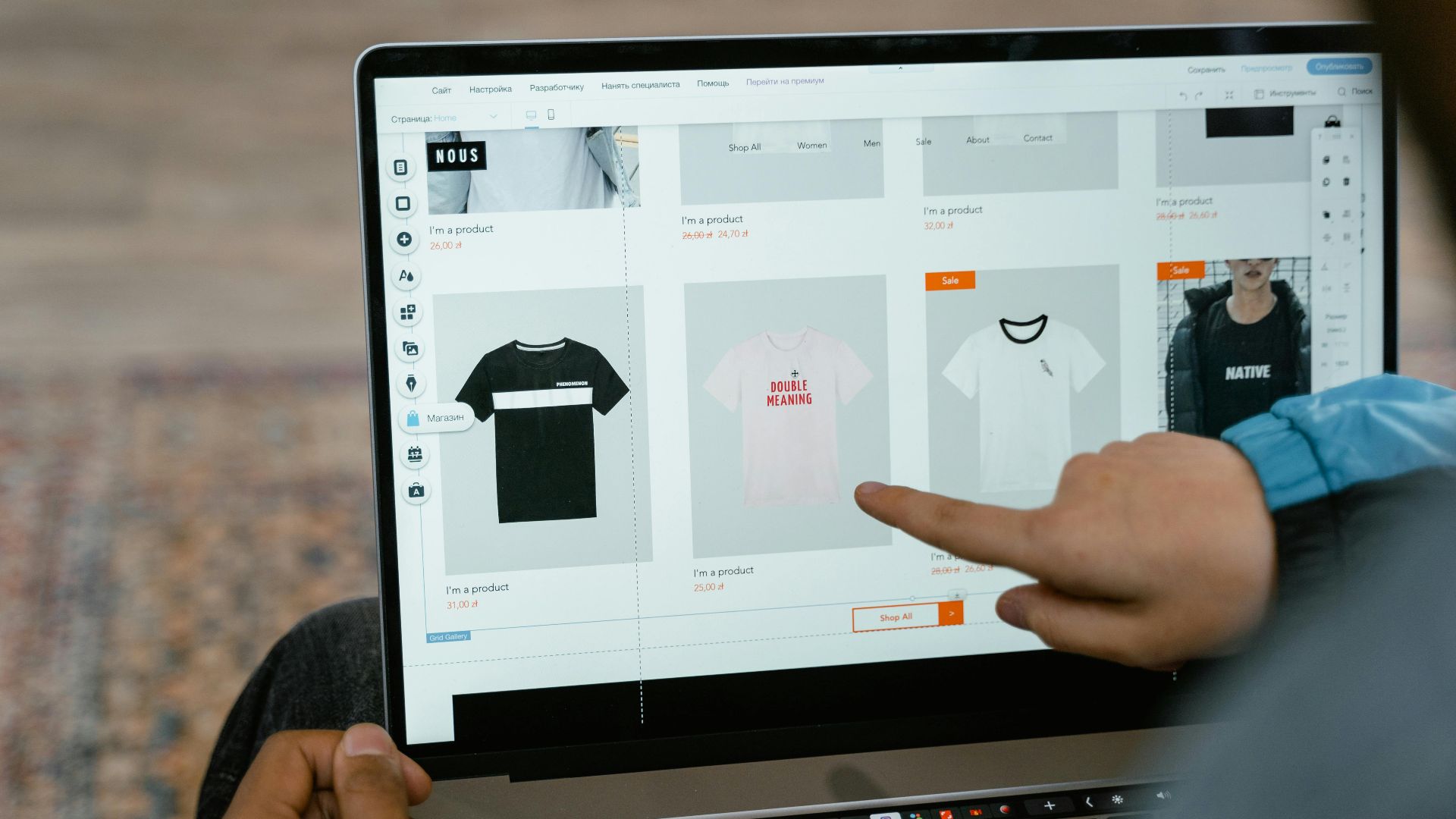
People want proof, even if it is basic proof. Build a small portfolio with sample work, a short case study, or a before-and-after result. If you are brand new, do a couple of trial projects for a reduced rate to bulk up your resume.

9. Choose One Marketing Channel
Pick a single place to show up consistently, such as LinkedIn, Instagram, a local community group, or a freelance platform. Spreading yourself across five channels usually means doing none of them well. One well-maintained channel done consistently easily outperforms five haphazard business accounts.

10. Make It Easy to Buy
Reduce friction so interested people can take the next step quickly. A simple website, a clear pricing page, or a booking link can be enough. If someone has to guess how to work with you, they probably won’t even bother.

11. Track Key Numbers
You do not need complex dashboards, but you do need visibility. Track leads, conversions, hours worked, and profit so you can make decisions based on facts. When you know what is working, it’s easier to make your workflow easier.

12. Build Repeatable Processes
Write down the steps you take to onboard clients, deliver work, and close out projects. Repeating the same process reduces mistakes and saves time. It also makes your work feel more professional, even if you are a team of one.
 Hyundai Motor Group on Unsplash
13. Deliver Great Communication
Fast, clear communication gives you an edge in almost any side hustle. Set expectations early, provide updates, and follow through on what you promised. Clients will remember your reliability.

14. Protect Your Time
Be realistic about what you can handle alongside your main job and personal life. Set boundaries for availability, so your side hustle doesn’t take up each and every evening. This makes sure you won’t get burnt out, and leaves time to relax, catch a movie, or do other hobbies.

15. Collect Feedback Often
After each project or sale, ask what the customer liked and what they would change. Feedback tells you what people value and what is confusing in your offer. You can use what you learn to improve your service, your messaging, and your process.

16. Improve One Thing Weekly
Choose one small improvement each week, such as refining your pitch, updating your portfolio, or simplifying delivery. Small changes add up faster than people expect. This approach also keeps progress steady without requiring huge overhauls.

17. Learn Basic Sales Skills
You don’t need to be pushy, but you do need to be clear and direct. Practice describing the problem you solve, the outcome you deliver, and the next step to get started. A calm, professional sales conversation makes you sound more confident and helps your potential customer feel secure in purchasing something from you.

18. Use Referrals Intentionally
Ask satisfied customers if they know anyone who would benefit from your service. Make it easy by offering a short message they can forward or a simple link to share. You could even add an incentive for your customer to get a discount if they refer someone else.

19. Handle Money and Taxes
Separate your side hustle finances from your personal accounts as soon as you can. Track income and expenses so you’re not scrambling to organize later, and set aside money for taxes. Solidifying a solid and well-managed payment structure early on prevents headaches and protects your profit.

20. Decide When to Scale
Once you have a stable demand, choose a clear next move: raise prices, create packages, productize a service, or outsource small tasks. Growth should improve your life, not just increase your workload!