
20 Ways Getting a Job Was Completely Different Before the Internet
Job Hunting Used to Require a Lot More Legwork
Today, you can search hundreds of openings from your couch, upload the same resume to multiple employers, and hear about new opportunities without leaving your phone. Before LinkedIn, Glassdoor, and Indeed.com, finding work was much more physical, local, and dependent on who or what you happened to know. Job seekers relied on newspapers, phone calls, personal connections, and face-to-face conversations. Here are 20 ways finding a job was different before the internet.

1. You Searched the Newspaper Classifieds
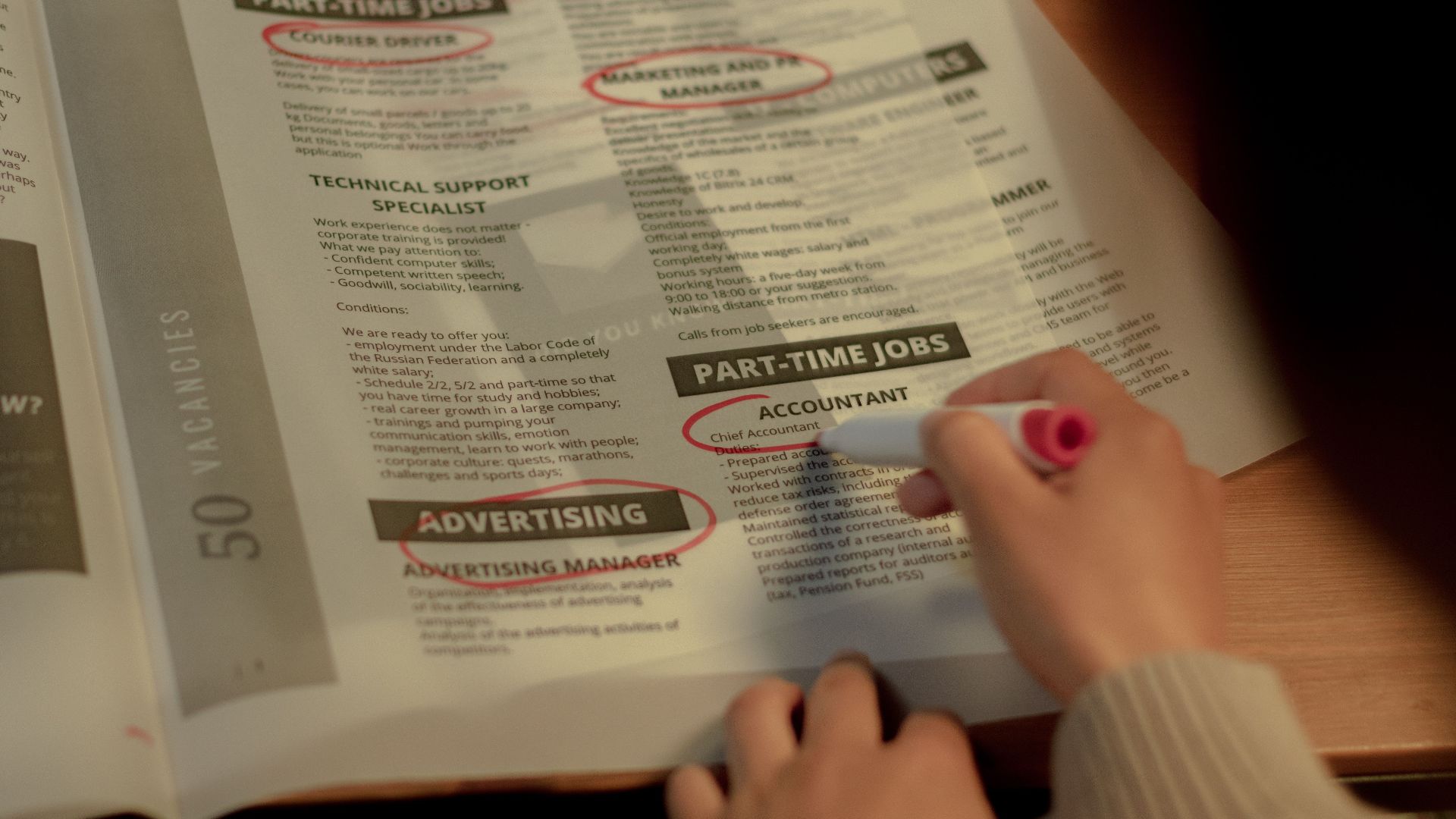
For generations, the classified section was one of the first places people looked when they needed a job. Newspapers printed pages of openings organized into categories ranging from office work to construction. You might circle promising ads with a pen and start making phone calls afterward. Missing that day's paper could mean missing an opportunity entirely.

2. You Actually Walked Into Businesses
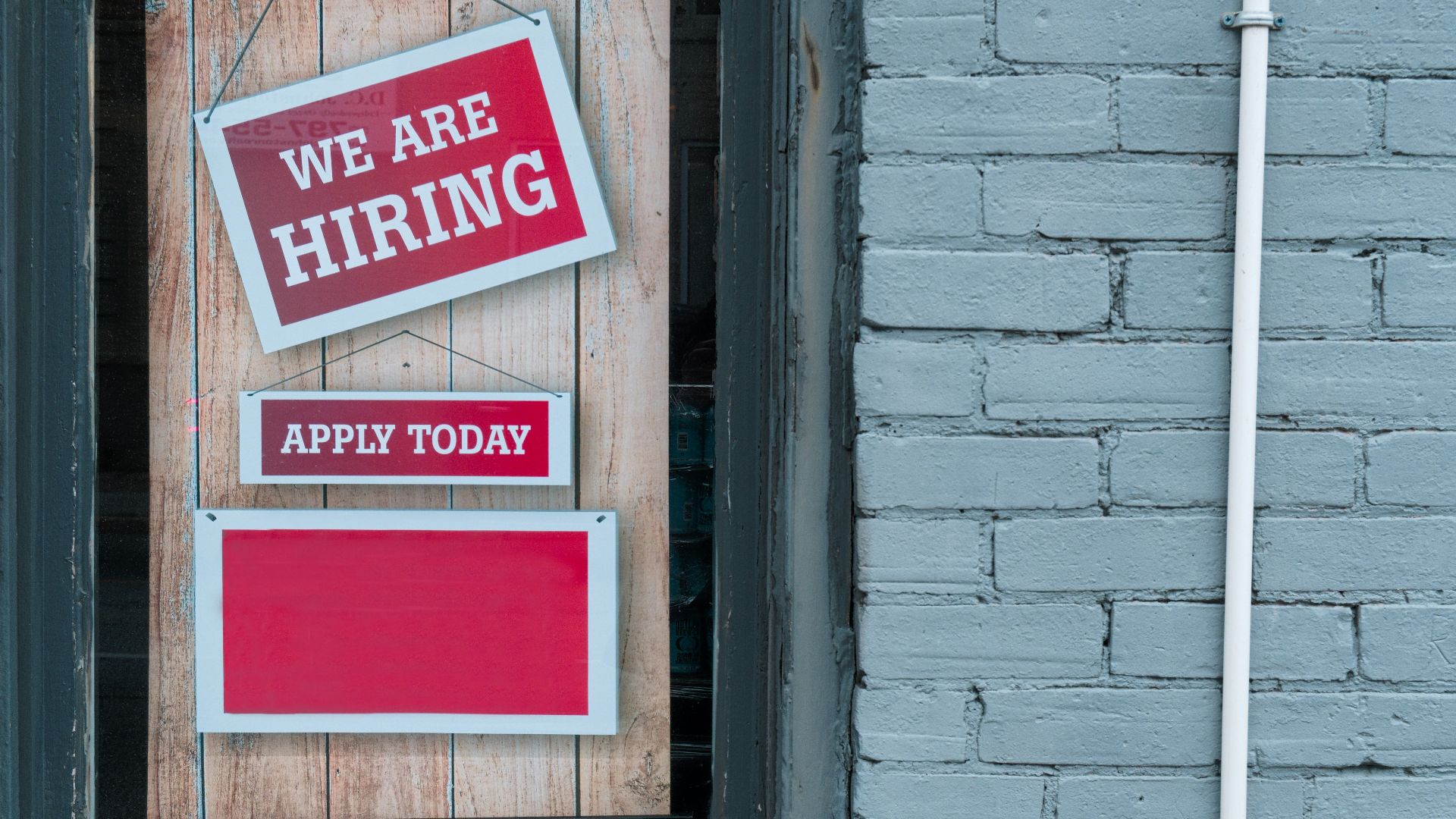
"Now Hiring" signs carried a lot more weight when there wasn't an online careers page to check. Job seekers regularly walked into stores, restaurants, factories, and offices to ask whether positions were available. Sometimes you'd receive an application immediately and fill it out on the spot.
3. Resumes Had to Be Printed
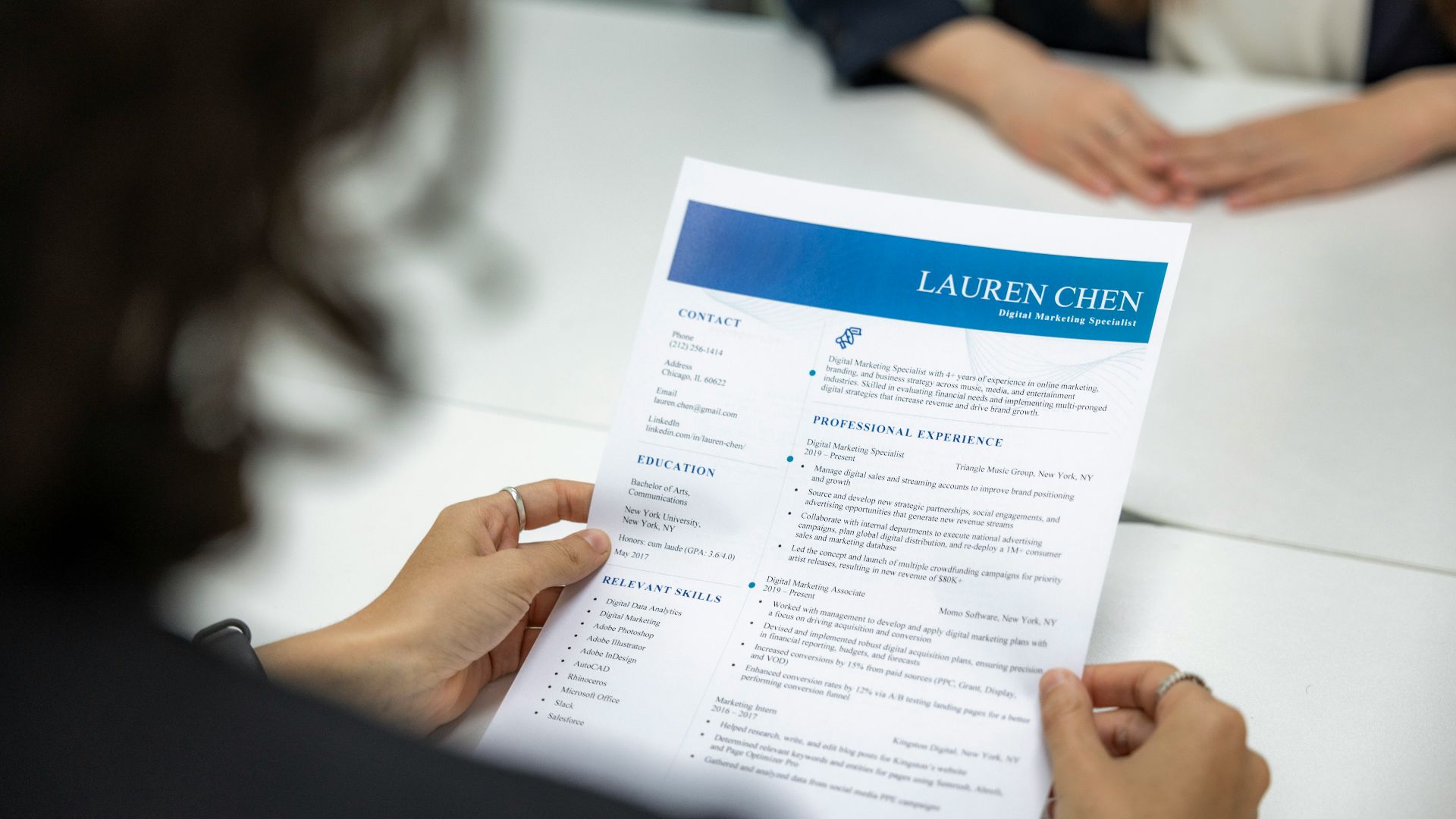
Sending out 30 applications once meant producing 30 physical copies of your resume. Paper quality could even become part of the presentation. You also had to make sure you carried enough copies when visiting employers.
4. Applications Were Filled Out by Hand
Online forms hadn't yet introduced job seekers to the joy of entering the same employment history into 12 different boxes. Instead, businesses kept stacks of paper applications behind counters or at reception desks. Applicants usually filled them out using a pen, which made neat handwriting particularly helpful. A mistake could mean crossing something out or asking for a fresh form.

5. Cover Letters Were Sent Through the Mail
There's a reason they're called "letters." Your resume and cover letter went into an envelope, received a stamp, and traveled through the postal system to the employer. That meant you couldn't submit an application five minutes before a deadline.

6. You Used the Yellow Pages to Find Employers
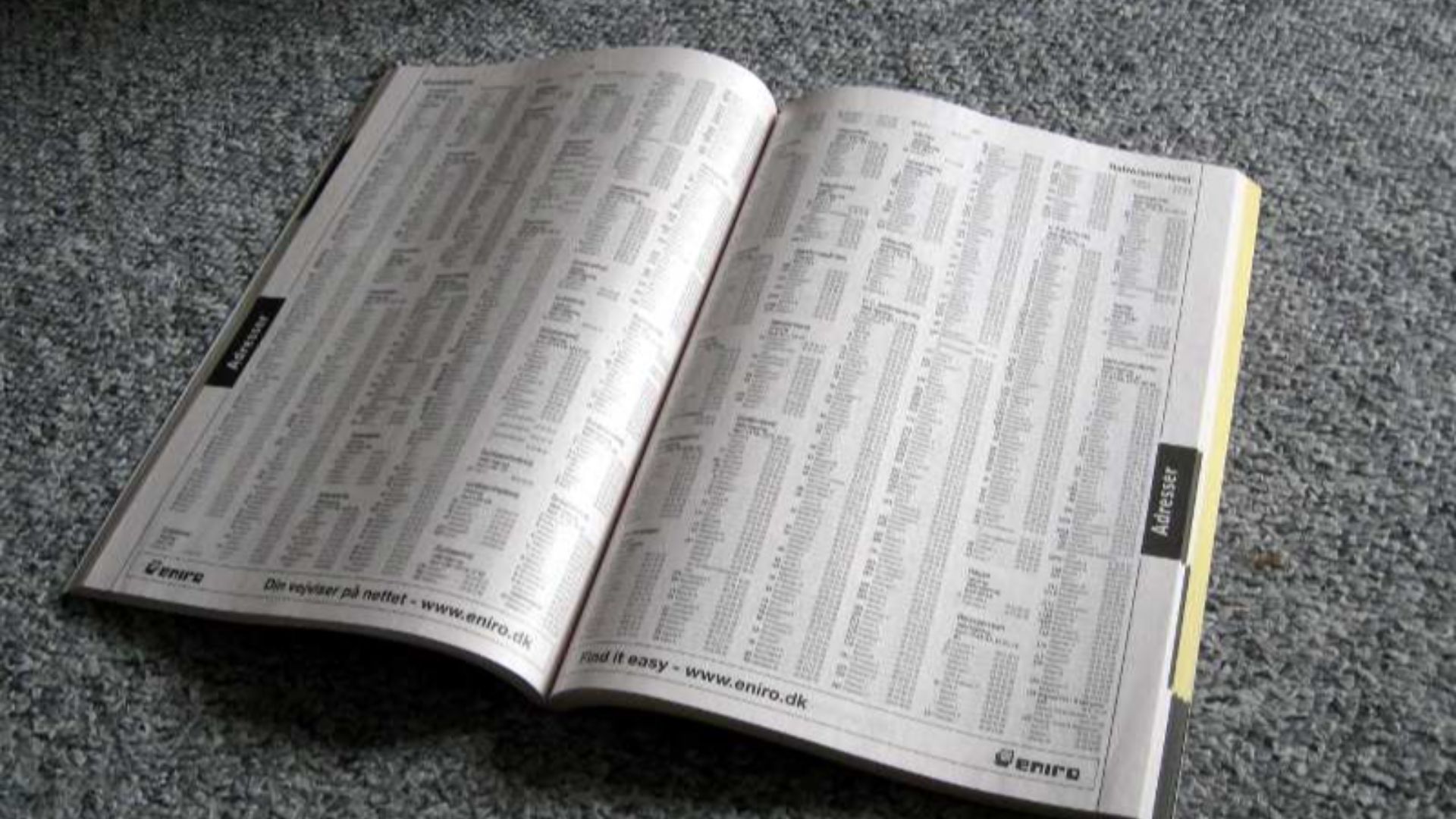
Sometimes there wasn't a specific opening to respond to at all. Job seekers could flip through telephone directories and create their own lists of companies to contact. Someone looking for restaurant work, for example, might simply call establishments listed under restaurants. It required a lot more effort than typing a few words into a search bar.
 © 2010 by Tomasz Sienicki on Wikimedia
7. Cold Calling Was Much More Normal
Calling a business out of nowhere and asking whether it was hiring wasn't particularly unusual. In some industries, making enough phone calls was simply another way to uncover opportunities. There wasn't always an HR portal standing in the way so you might speak directly with a manager or owner and introduce yourself.

8. Personal Connections Were Even More Important
Knowing somebody who knew somebody could dramatically expand your job search. Friends, relatives, neighbors, former coworkers, and community members often passed along news about openings before advertisements ever appeared. These informal networks were especially valuable when information moved slowly. Word of mouth essentially worked as a human job board.

9. Employment Agencies Played a Bigger Role
Staffing and employment agencies helped connect job seekers with companies that needed workers. Applicants might visit an agency office, complete paperwork, take skills tests, and discuss available positions with a recruiter, while temp agencies were particularly useful for administrative and clerical work. Without large online job platforms, these businesses filled an important information gap.

10. Bulletin Boards Could Lead to Jobs
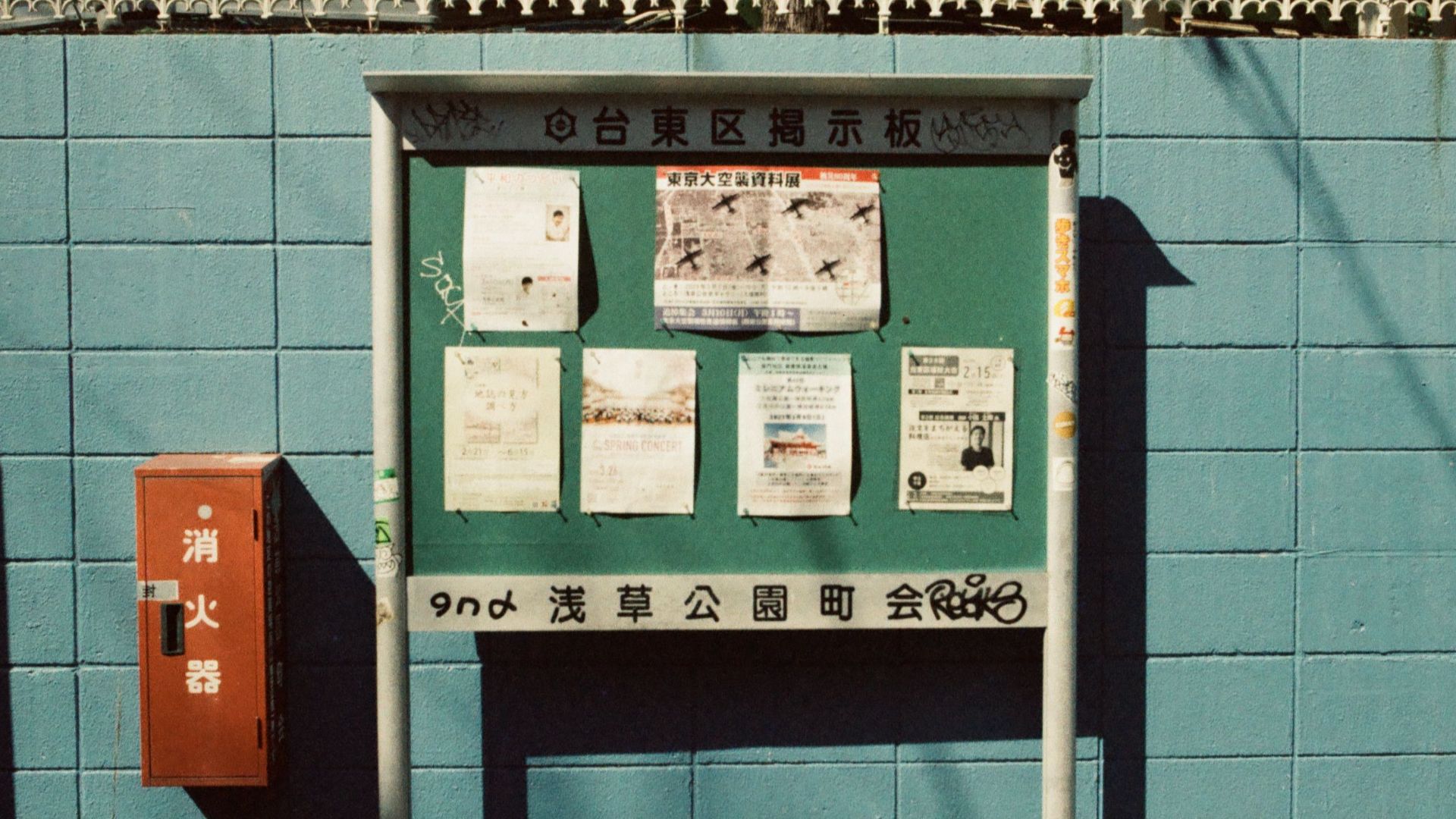
A promising career opportunity might once have been hanging between an apartment advertisement and a flyer for piano lessons. Libraries, colleges, grocery stores, community centers, and local businesses commonly maintained public bulletin boards. Employers posted openings where they knew neighborhood residents would see them, meaning finding work sometimes involved simply paying attention while running errands.
11. Career Fairs Mattered Much More
Career fairs offered something that was difficult to get elsewhere: multiple employers gathered in one place. Job seekers dressed professionally, carried stacks of resumes, and moved from booth to booth introducing themselves. For recent graduates in particular, these events could provide direct access to recruiters.

12. College Career Offices Were Major Resources
Students and graduates often depended heavily on their school's career center. Staff maintained physical listings of available jobs, arranged employer visits, and helped connect graduates with companies. For many, visiting the career center became a regular part of senior year.

13. Networking Happened Almost Entirely in Person
There was no LinkedIn profile quietly working for you around the clock. Professional relationships developed at conferences, trade meetings, alumni events, community gatherings, and everyday social occasions. Business cards mattered because they gave you a tangible way to keep someone's contact information.

14. Employers Couldn't Easily Look You Up
Hiring managers didn't have your social media accounts, personal website, and entire professional history sitting a few clicks away. Unless you'd appeared in newspapers or public records, employers generally knew what you chose to provide them. That gave applicants considerably more separation between their personal and professional lives.
15. Researching a Company Took Real Effort
Walking into an interview knowing everything about a company wasn't nearly as easy as it is today. Applicants would have to read newspaper coverage, visit libraries, request company materials, or ask people familiar with the business. You couldn't simply spend 20 minutes browsing the company's website beforehand.

16. Following Up Usually Meant Calling
There wasn't an application portal where you could watch your status remain "under review" for three weeks. If you wanted to know whether an employer had made a decision, you often had to call. That created the awkward task of deciding how soon was too soon to contact the hiring manager. Some applicants also mailed short thank-you or follow-up letters after interviews.

17. Long-Distance Job Searches Were Much Harder
Searching for work in another city required much more planning. Newspaper subscriptions, employment agencies, personal contacts, and mailed applications could help, but you couldn't casually browse thousands of listings nationwide. Interviews might require expensive travel before you had any idea whether you'd get the position.

18. You Couldn't Apply to Hundreds of Jobs Easily
One-click applications have made it possible to send out a huge number of resumes in relatively little time. Before digital applications, though, every submission required some combination of printing, mailing, calling, traveling, or completing paperwork. That naturally limited how many positions most people could pursue.
19. Some Jobs Spread Almost Entirely Through Word of Mouth
Smaller companies didn't necessarily advertise every vacancy publicly. A manager might tell employees that a position was opening and ask whether they knew anyone interested. Local businesses often filled jobs through family members, regular customers, former employees, or community connections, so if you weren't plugged into the right circles, you might never know an opening existed.

20. Waiting for an Answer Really Meant Waiting
There were no email notifications arriving seconds after an employer made contact. A company might call your home phone, leave a message with someone else, or send you something through the mail. If you weren't around when the phone rang, you could spend hours wondering whether you'd missed an important call. Getting hired involved plenty of patience, and sometimes quite a bit of staring at the telephone.