A Library That Lives
There's something almost sacred about a home library—not the stuffy, leather-bound kind you see in old movies, but a real space filled with books you actually read and love. Building one is all about creating a corner of your home that feeds your mind and gives you peace. Whether you've got an entire room or just a single bookshelf, these tips will help you build a library that works for you.

1. Start With Your Reading Personality
Think about the books that actually make you happy, not the ones that look impressive on Instagram. Your library should reflect who you are as a reader. Don't build a collection to impress visitors—build one that pulls you in every single day.

2. Choose Location Based on Natural Light
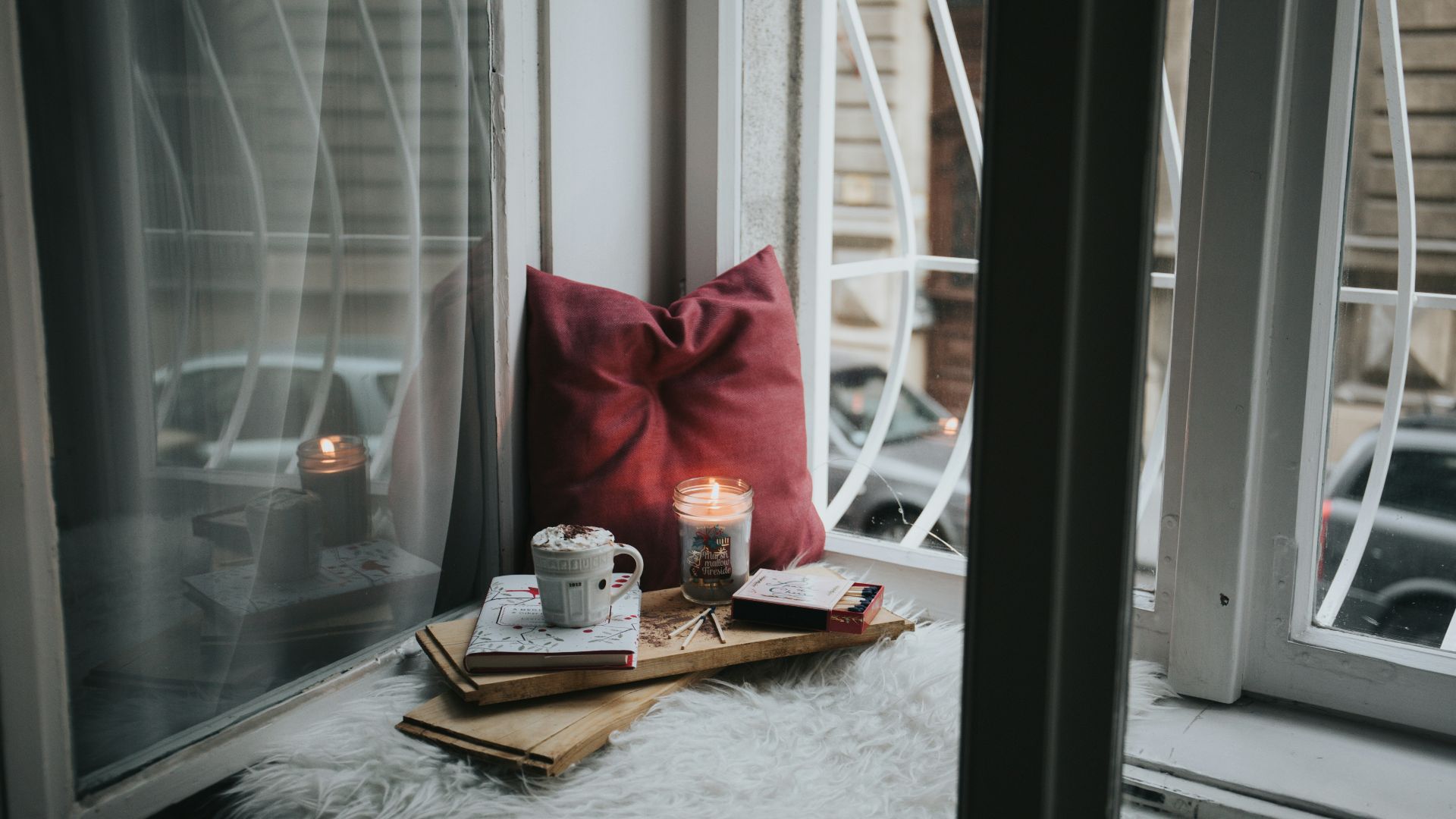
Windows can be your library's best friend or worst enemy. Morning light is perfect for reading nooks, but direct afternoon sun will fade your book spines and yellow the pages over time. Position your shelves perpendicular to bright windows, or invest in UV-filtering curtains that protect your collection.
3. Mix Vertical and Horizontal Stacking
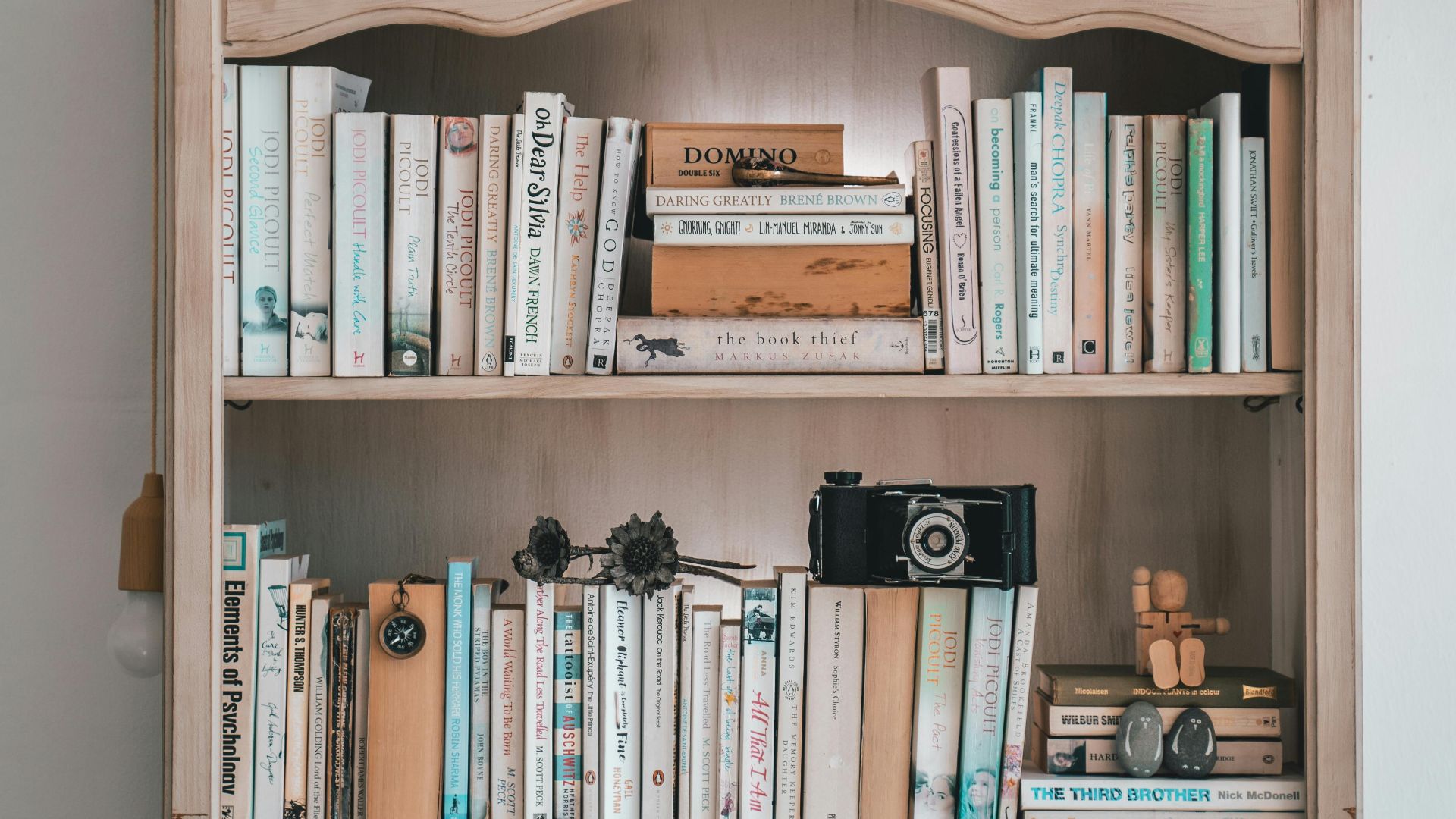
Standing books upright isn't your only option. Laying some horizontally breaks up the monotony and creates natural bookends for your vertical stacks. This approach also works beautifully for oversized art books or vintage editions.
4. Invest in Adjustable Shelving Systems
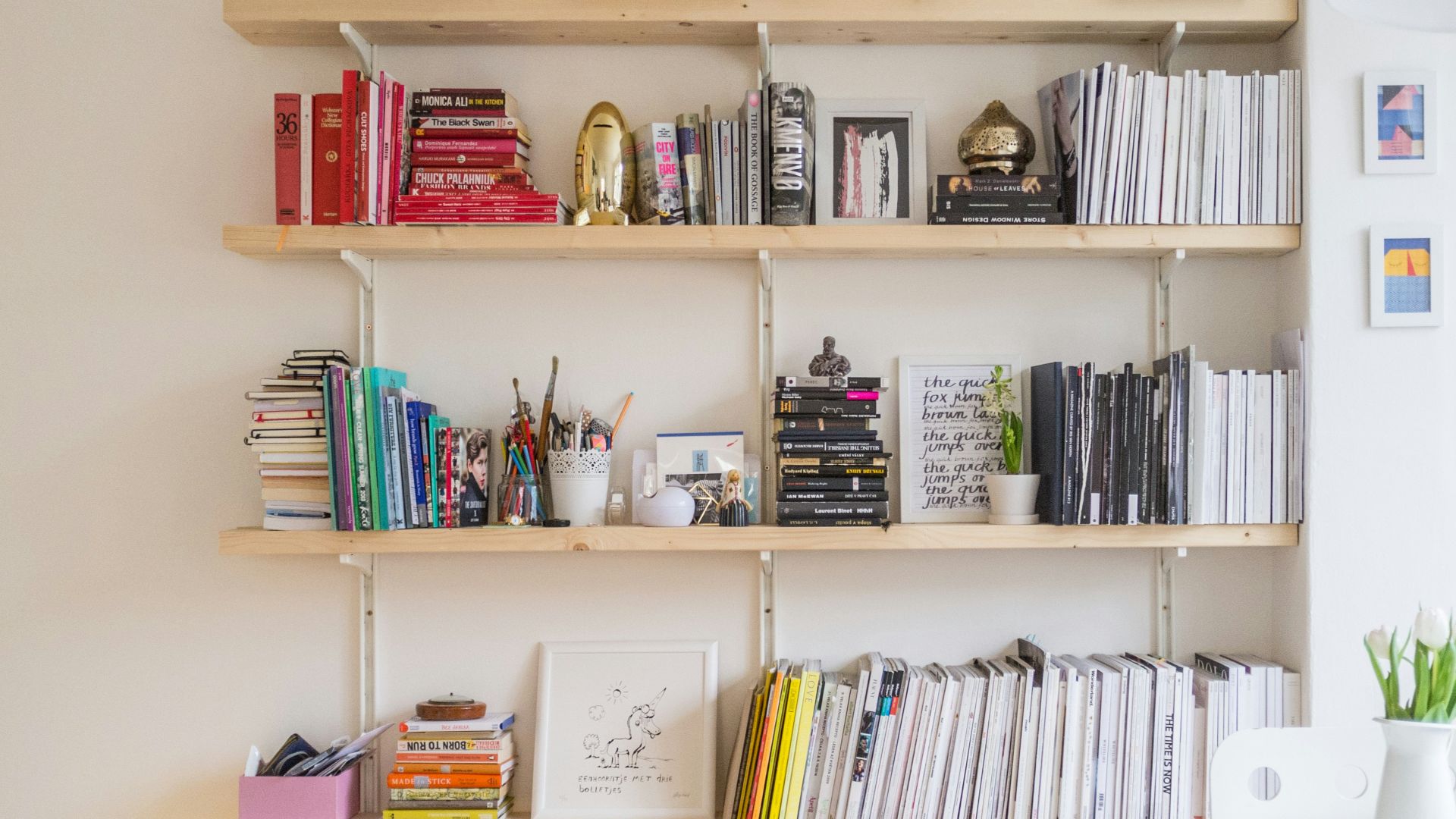
Your collection will grow in unexpected ways! Adjustable shelves let you accommodate everything from paperback thrillers to massive coffee table books without wasted space. Look for systems with multiple hole placements so you can reconfigure as your needs change.
5. Create Zones for Different Reading Moods
Dedicate separate areas for different types of books and reading experiences. Keep beach reads and light fiction near your comfy chair, reference books by your desk, and cookbooks accessible from the kitchen. This practical organization means you'll actually use your books.
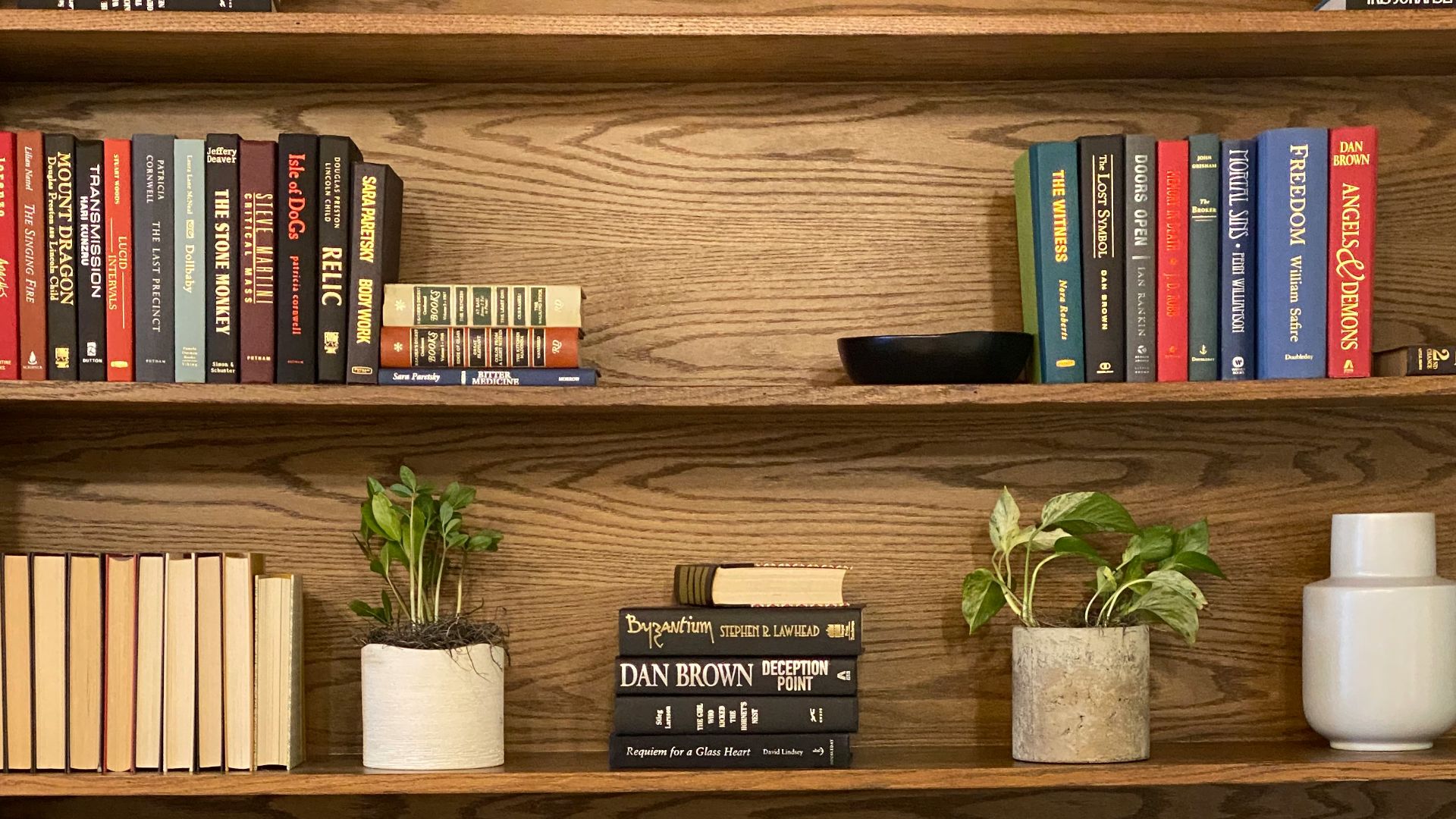
6. Leave Room for Growth on Every Shelf
A completely packed shelf looks cluttered and makes adding new books impossible. Leave about 20% of each shelf empty so new purchases have a home without requiring a complete reorganization. This breathing room also makes your collection look more curated and intentional.
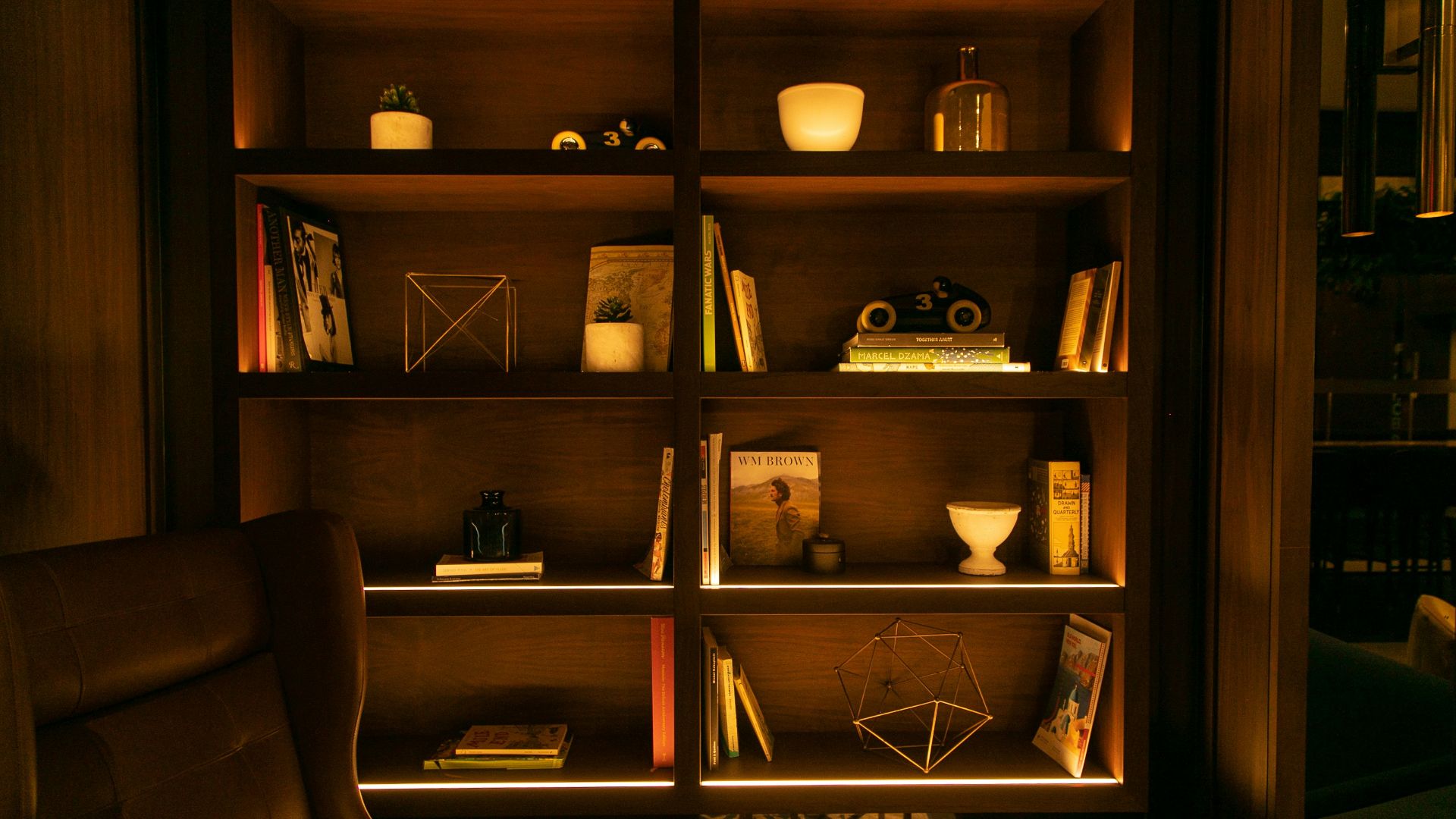
7. Install Proper Lighting
Reading in dim light strains your eyes, and badly lit shelves hide half your collection. Add LED strip lights under shelves to illuminate lower rows, and position adjustable reading lamps near your favorite chair.
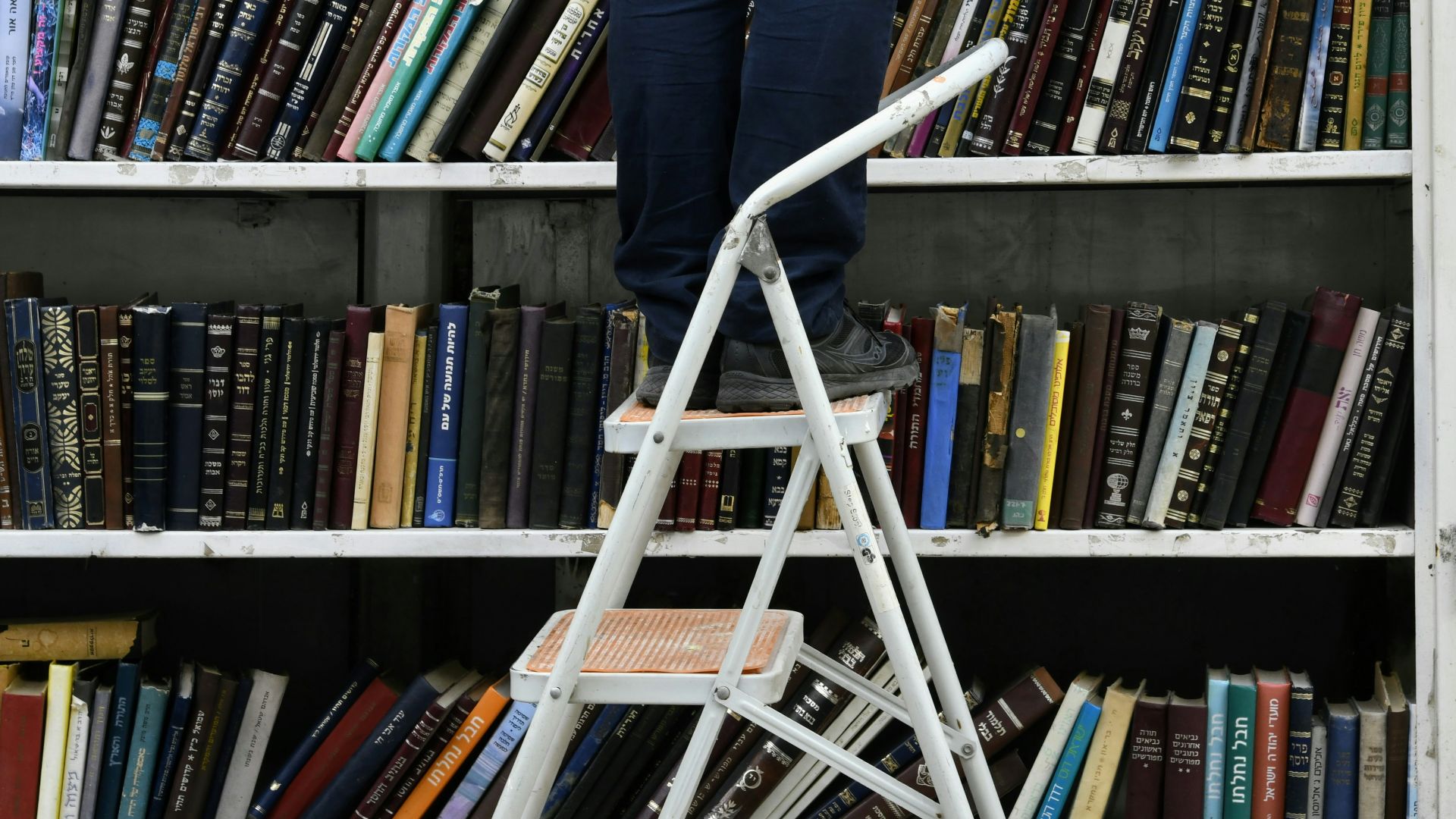
8. Use Library Ladders for High Shelves
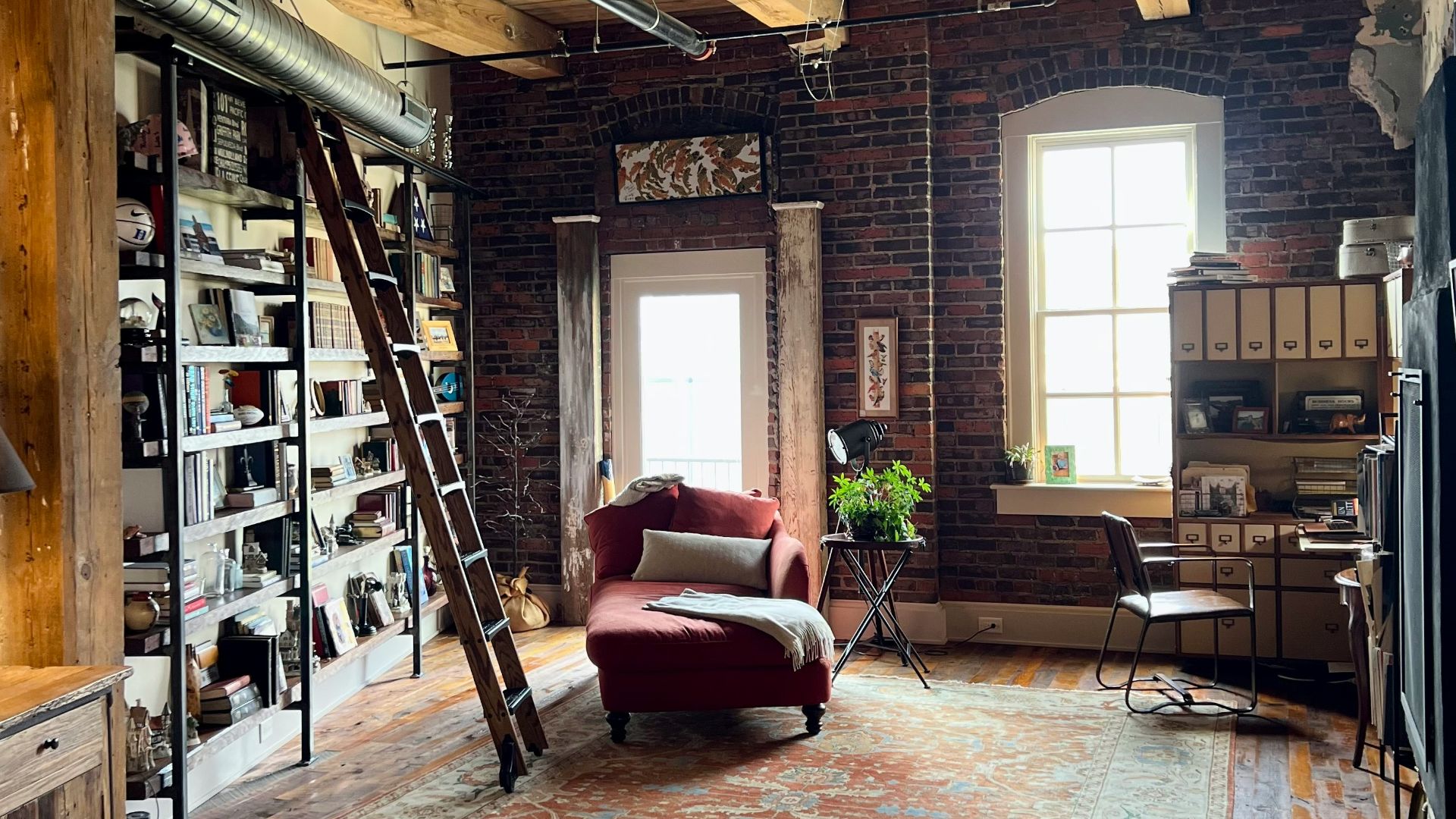
There's something magical about a rolling library ladder. Beyond the aesthetic appeal, it makes floor-to-ceiling shelving actually functional, so choose one with a secure rail system and rubber wheels that won't damage your floors.
9. Organize By Whatever System Works for You
Forget the Dewey Decimal System unless it genuinely makes sense to you! Some people arrange by color, others by author, and some by the order they plan to read them. Your organizational method should help you find books quickly and feel good when you look at your shelves.

10. Comfortable Seating is Priority One
Bookshelves without somewhere to sit are just storage, not a library. Invest in a chair that supports long reading sessions—deep enough to curl up in, with good back support and adequate cushioning. Position it near natural light with a small side table for coffee.
11. Control the Temperature
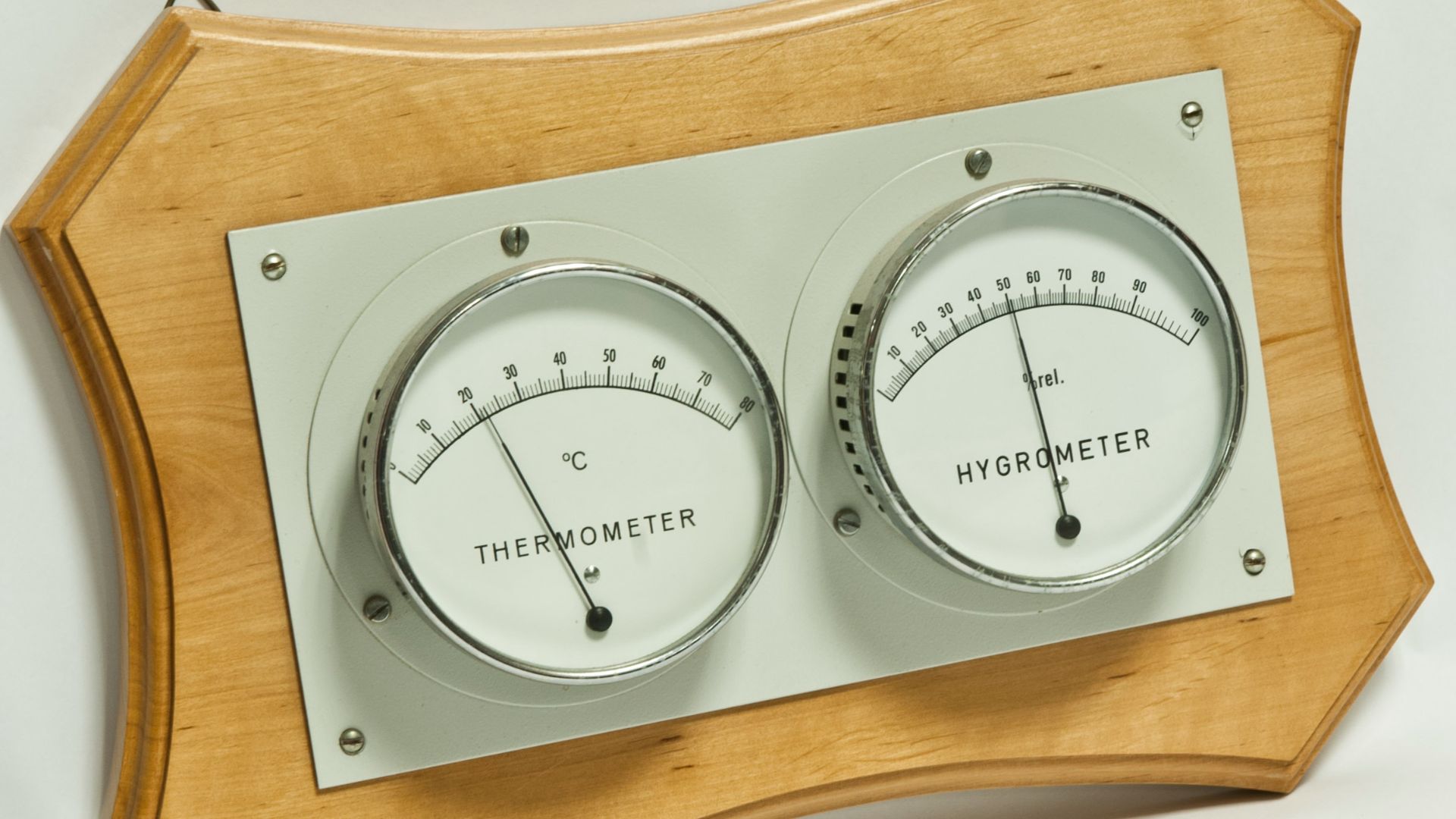
Books are surprisingly fragile; high humidity causes mold and warping, while dry air makes pages brittle and bindings crack. Aim for 30–50% humidity and temperatures between 60–70°F to preserve your collection. A simple hygrometer helps you monitor conditions, especially in storage areas that are prone to dampness or fluctuating moisture levels.
12. Display Some Books Face-Out
Spine-out shelving maximizes space but hides beautiful cover art. Reserve some shelf space for face-out displays for books with gorgeous covers or ones you're currently excited about. Rotate these displays regularly to keep your library feeling fresh.
13. Incorporate Personal Objects Between Books
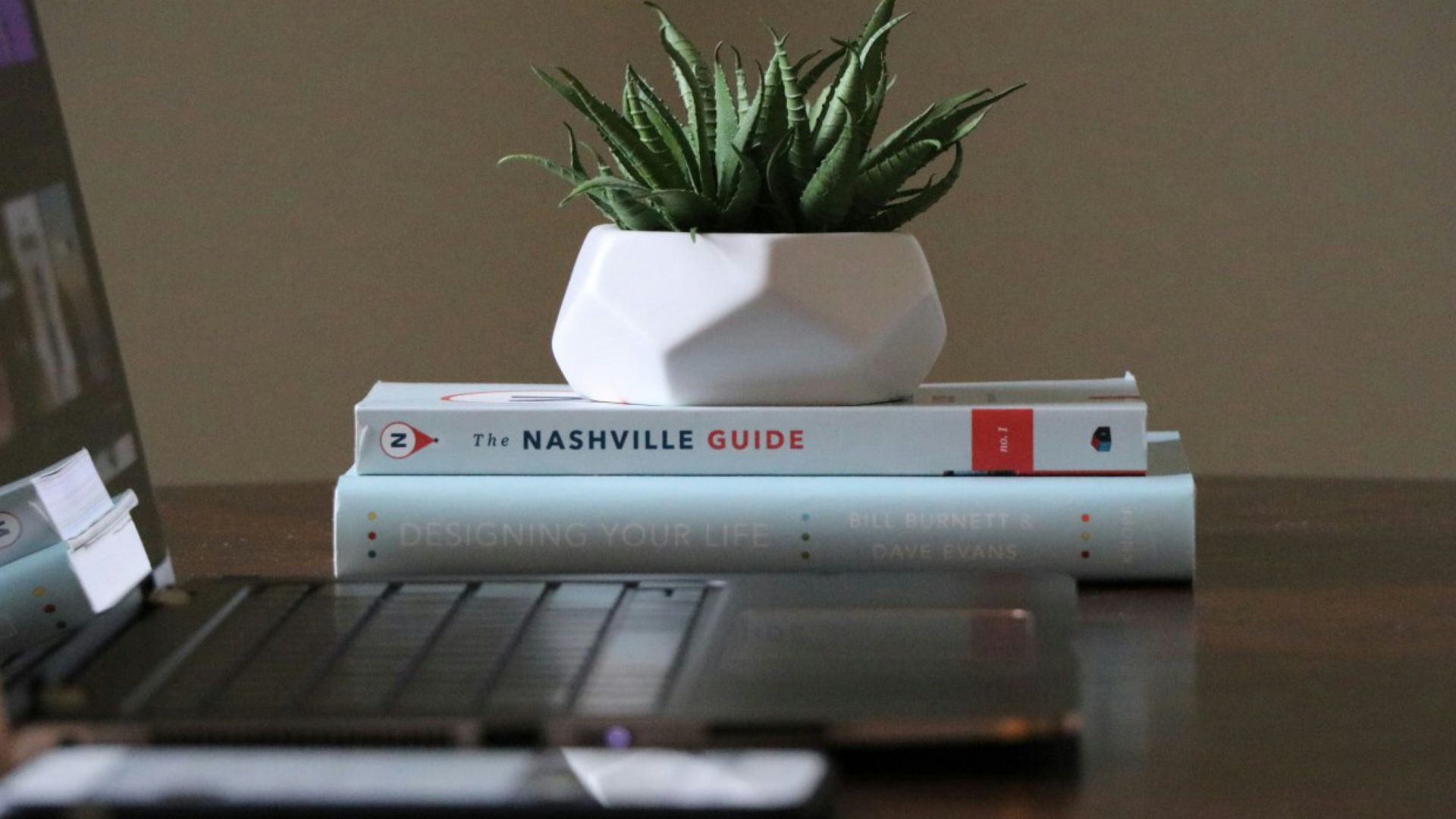
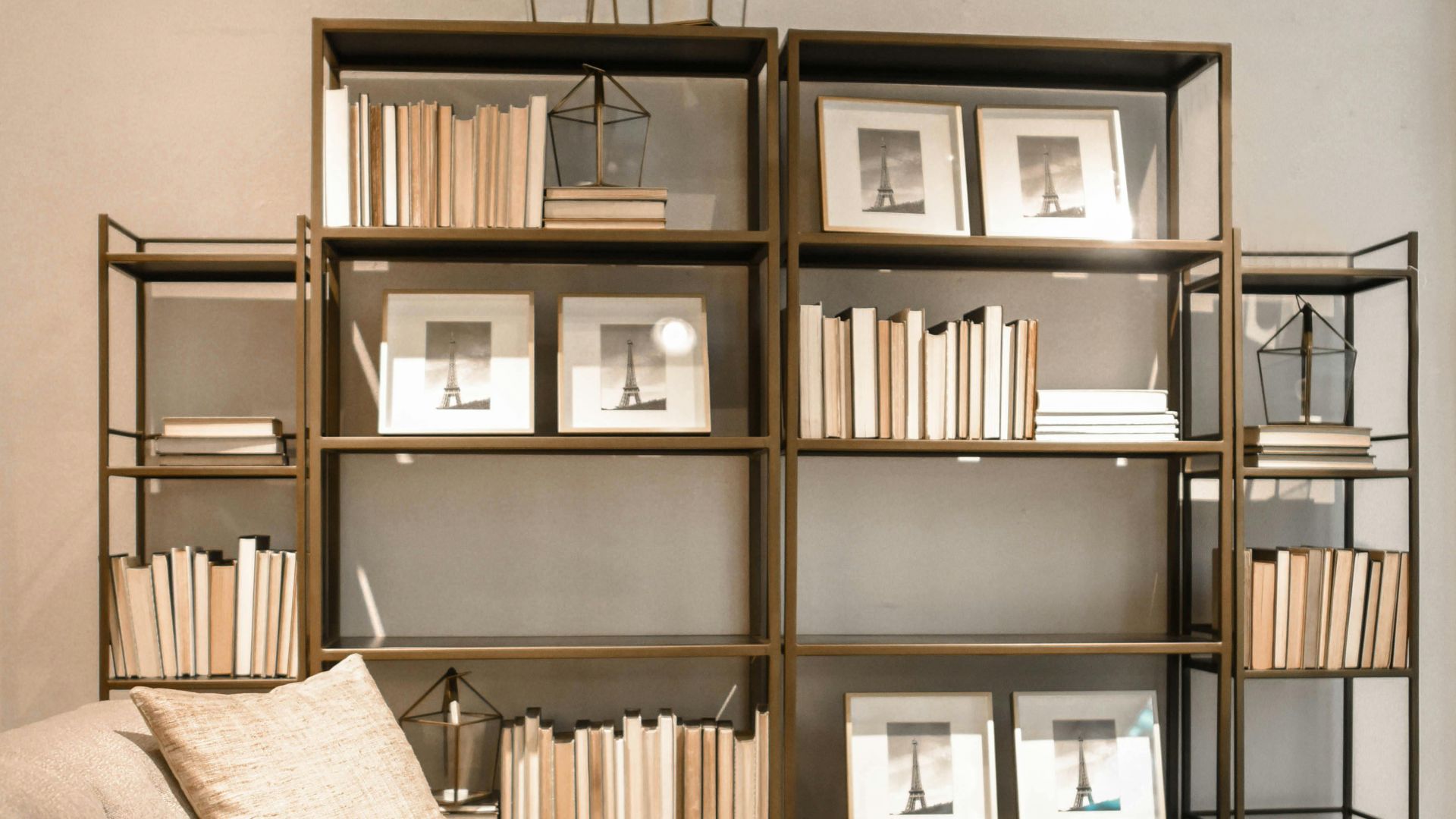
Your library shouldn't look like a bookstore. Intersperse framed photos, small plants, travel souvenirs, or art objects among your books to add personality and visual breaks. These personal touches tell your story and prevent that overwhelming wall-of-text feeling that makes some home libraries feel cold and uninviting.
14. Consider Closed Storage for Paperbacks
Paperbacks are wonderful for reading, but can look messy on open shelves due to varying heights and worn covers. Use cabinets or boxes for mass-market paperbacks you want to keep but don't need to display.

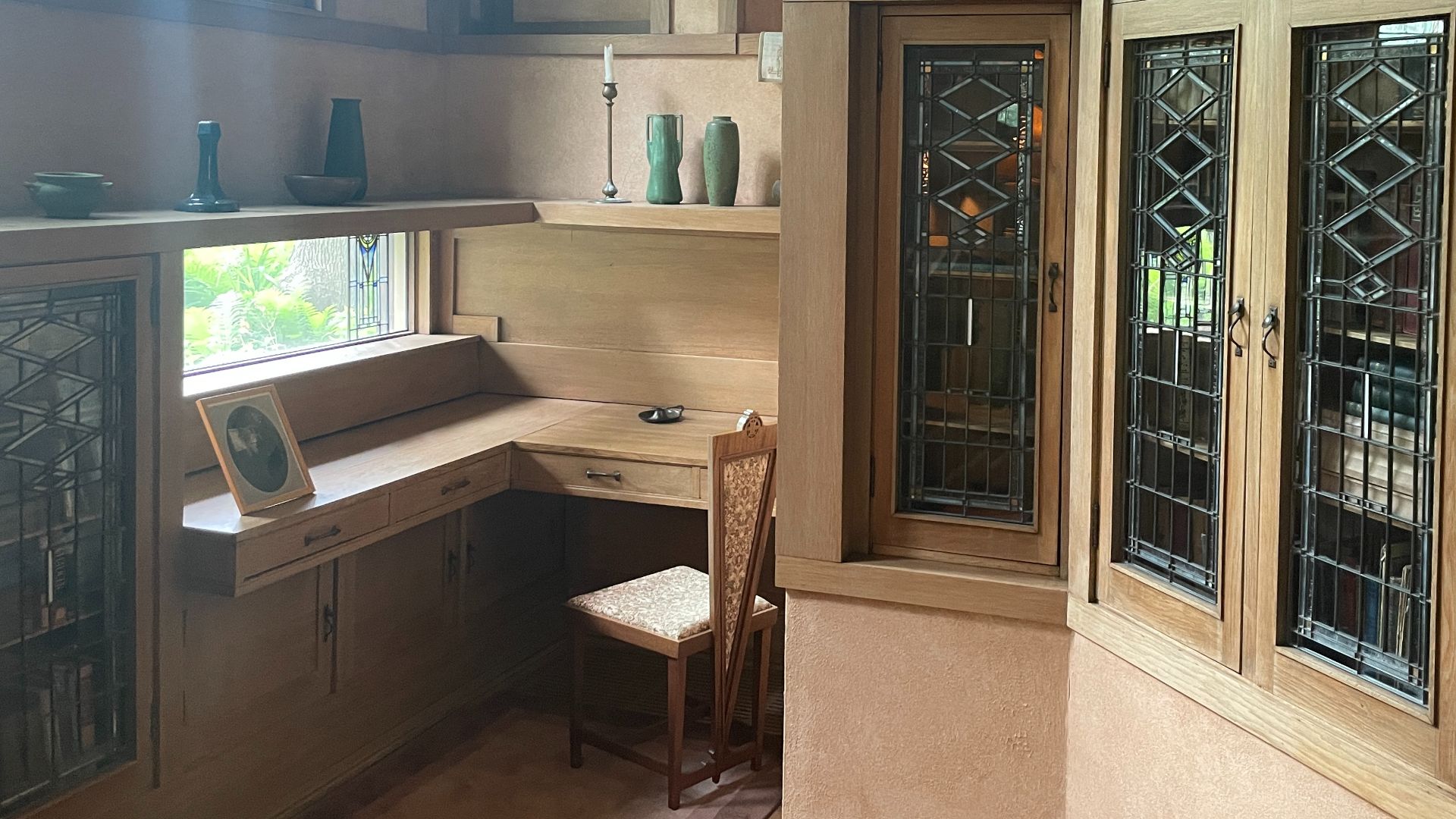
15. Build in a Small Workspace
Every serious reader needs a spot to take notes or research related topics, so add a small desk or writing surface to your library with good task lighting and storage for notebooks and pens.

16. Use Floor Space for Oversized Books
Coffee table books, atlases, and art volumes often don't fit standard shelving. Designate floor space or low platforms for these oversized beauties, either stacked or displayed on bookstands. This approach prevents awkward shelf gaps and gives impressive volumes the visual prominence they deserve in your collection.

17. Install Baseboards
Built-in bookshelves look amateurish without proper trim work! However, decorative molding along the upper edge and finished trim at the base integrate your shelving into the room's architecture, making it feel permanent and professional. Paint or stain these elements to match your woodwork for a cohesive, high-end look.

18. Plan for Electrical Outlets
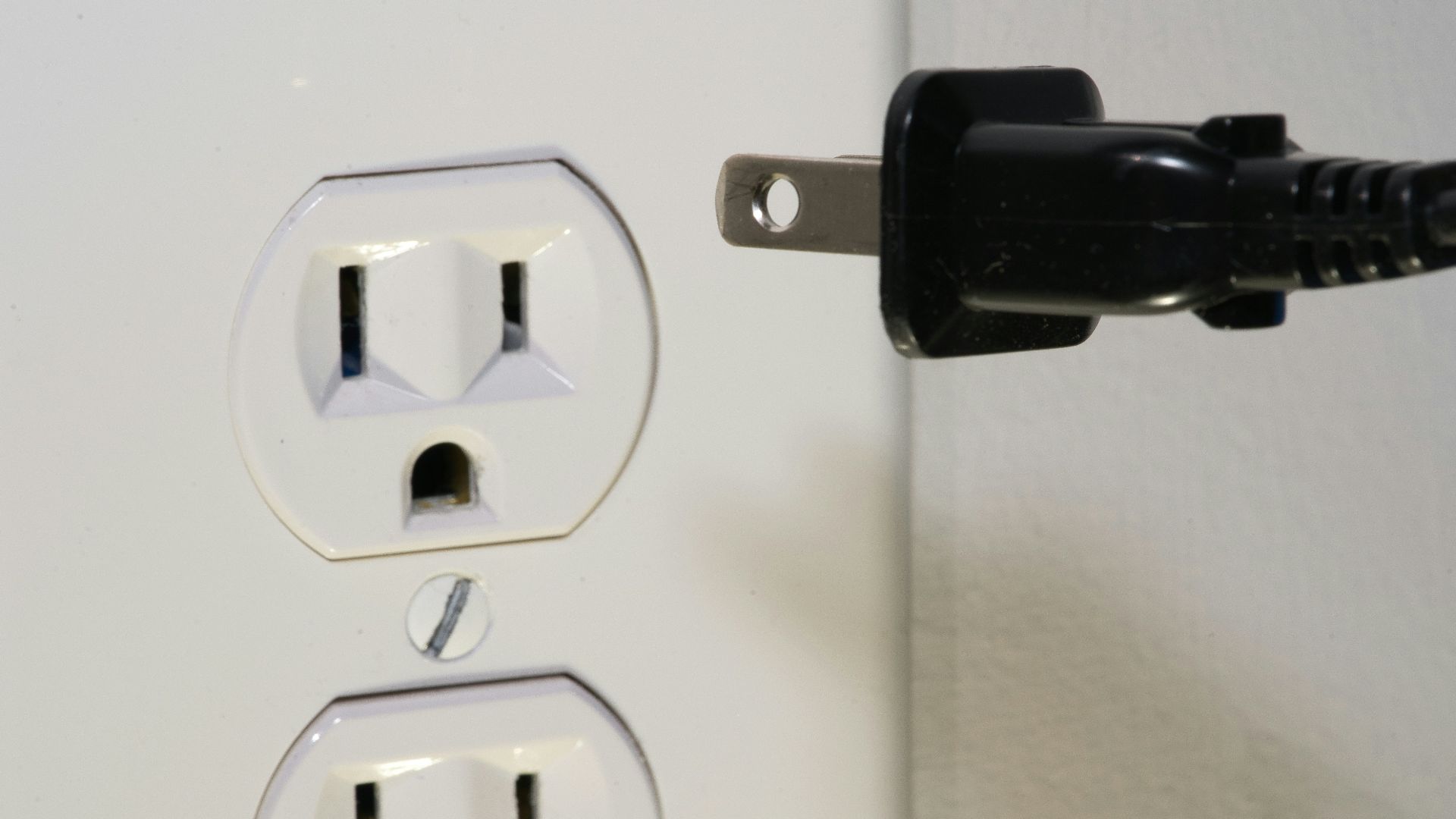
Modern reading involves tablets, e-readers, phones, and reading lights that all need power. Install outlets every six feet along your library walls, and consider USB ports for charging devices. Nothing wrecks a reading session faster than realizing your e-reader died, and the nearest outlet is across the house.
19. Keep a Wishlist Visible
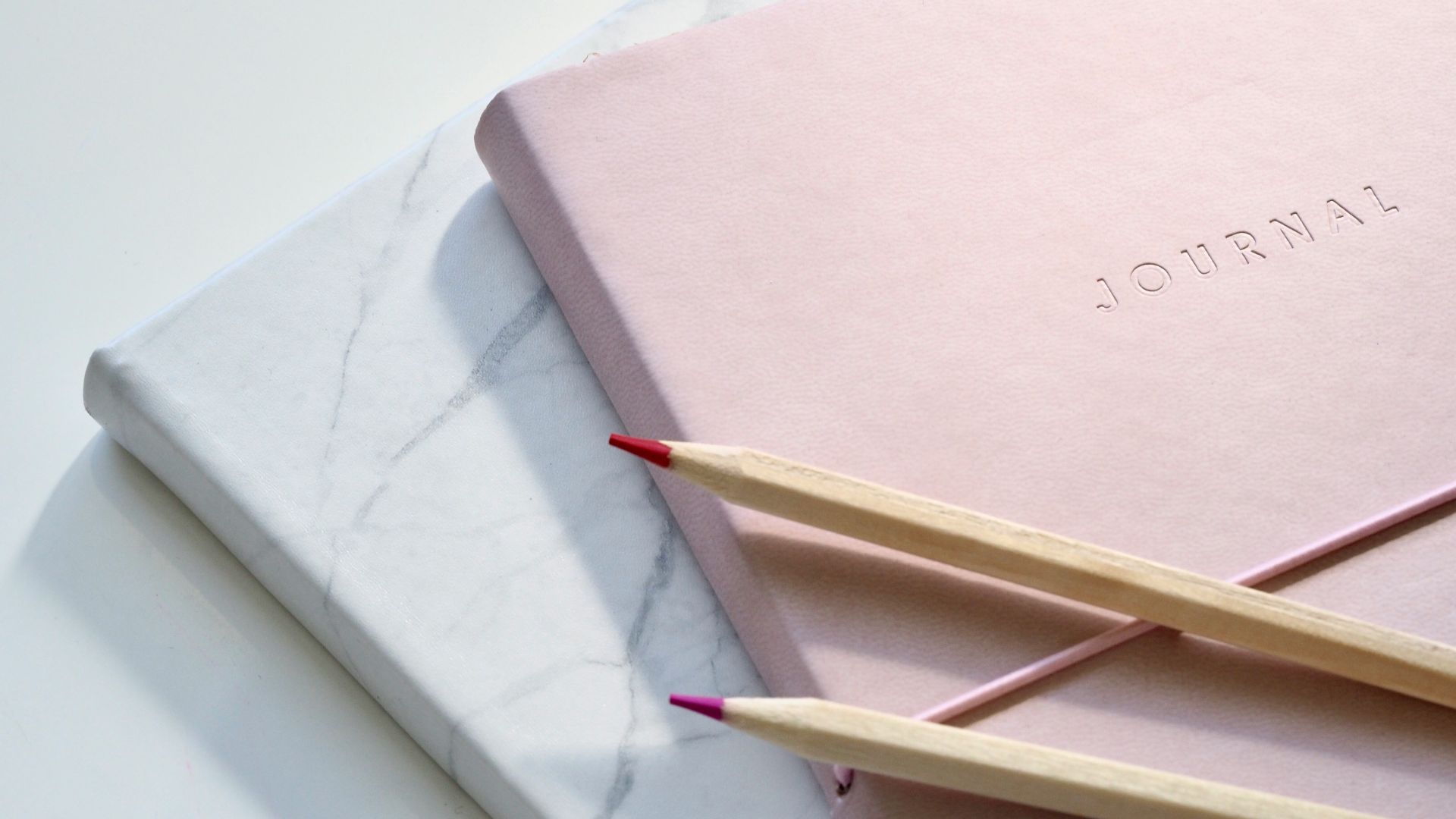
Dedicate a small whiteboard or journal to tracking books you want to acquire. This prevents impulse purchases of books you already own and helps gift-giving friends and family. Plus, anticipation is part of the joy—seeing your wishlist reminds you of all the adventures waiting just around the corner.
20. Establish a One-In-One-Out Policy Eventually
Once your library reaches your ideal size, prevent it from becoming overwhelming. When you buy a new book, donate or sell one you've finished and won't reread. It's a mindful approach that keeps your collection curated.