
The Trip That Tells You Everything
Good vacations teach you almost nothing. Everyone is pleasant when the room is ready early and the restaurant held the table. You can float through a whole week like that without learning a single new thing about the person next to you. The useful information shows up when the train is canceled and nobody has eaten since the airport. You learn how someone behaves on a day with no good options. Here's 20 things a bad trip will tell you about a person.

1. How Hunger Changes Them
Four hours past lunch, stuck in a line that hasn't moved, you meet a version of your partner that doesn't come out at home. Everyone gets short on an empty stomach, so a clipped tone is barely information. The part to watch is whether they can name what's happening and go find food before the afternoon turns into a referendum on your planning.

2. What They Assumed You Packed
The first real fight of a bad trip is usually about a small object that's now 4,000 miles away. One of you packed the chargers and the good sunscreen, and one of you assumed somebody had handled it. Whether they own the assumption or spend ten minutes explaining why it was reasonable tells you how the next decade of household logistics is going to go.

3. Where the Blame Goes First
Something will eventually go wrong that neither of you caused. A rail strike, maybe, or a hotel that somehow overbooked by one room. What matters is what happens next. Some people start looking for a solution immediately; others start looking for someone to blame. That difference becomes hard to ignore once you’ve traveled together long enough.
4. How They Handle Being Lost
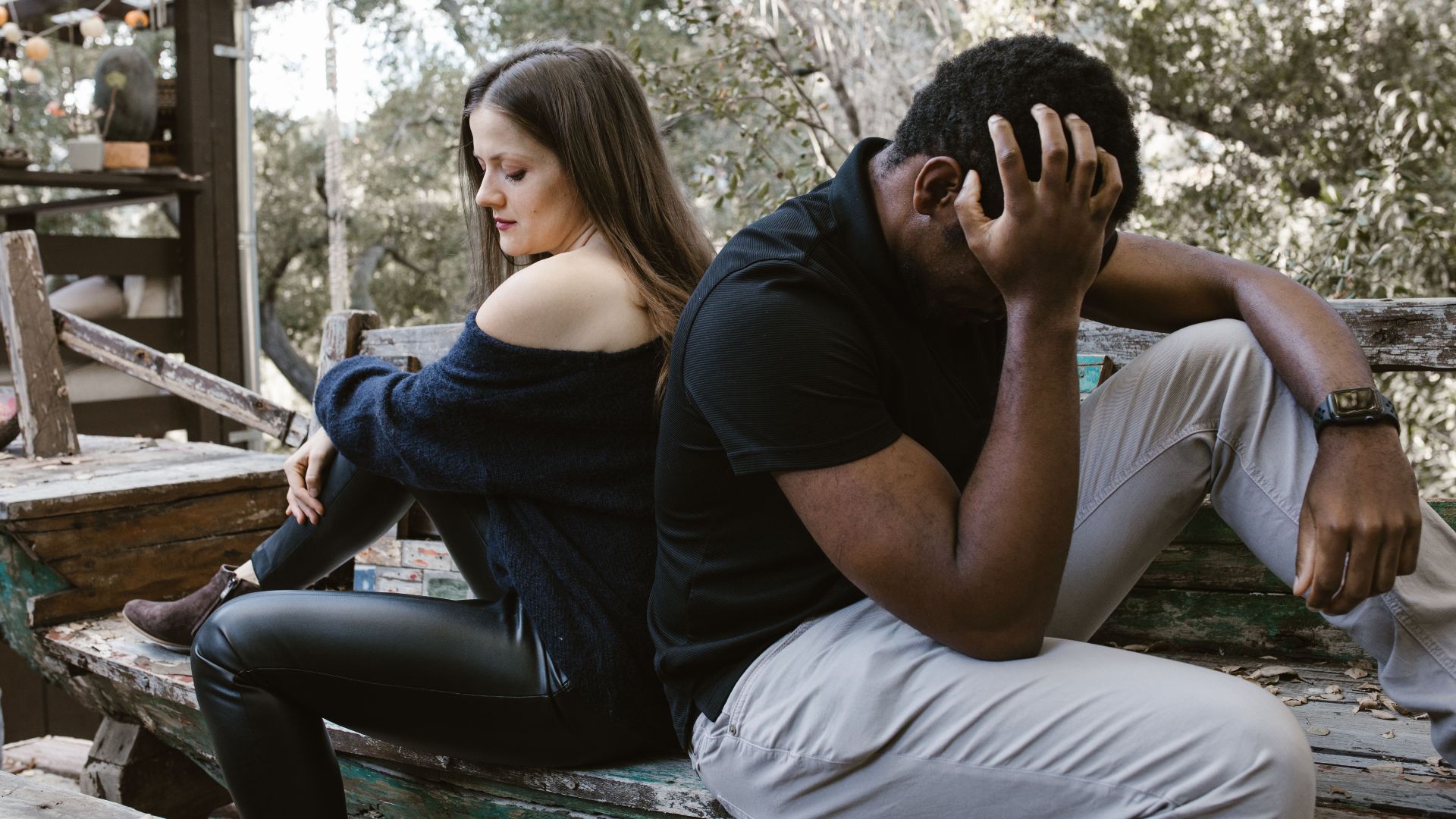
Nobody is honest about navigation until the battery hits 4%. One person stops, checks what you actually know, and figures out the next move. The other keeps going in the same direction because turning around would mean admitting the last few turns were guesses.

5. How They Talk to Staff
The woman at the desk did not cancel your flight and cannot un-cancel it. Whether your partner can hold onto that at 11pm, after a day that fell apart by increments, is not something you can learn over dinner at home. Decency at that counter also tends to produce the better room.

6. What Missed Sleep Does to Them
A couple of bad nights can tell you a lot about someone. Some people stay basically themselves when they're exhausted; others get irritable fast. It helps to know whether tiredness makes your partner need more support or makes them harder to be around.

7. How They Argue About Money
A $240 mistake in a currency you're still converting in your head pulls up something much older than the money. Usually one of you suspects the other of being careless with it, and the trip just handed that suspicion a receipt. The identical argument shows up three years later over a transmission.

8. Their First Reaction to a Missed Connection
Eleven hours in an airport is a long time to spend with somebody's first instinct. Rebooking in the first ten minutes and rebooking after a long walk and a beer are both workable approaches. What costs you the rest of the day is when they need the walk and won't say so.
9. How Fast They Apologize
On a bad trip, there usually isn’t much space to avoid each other, so you find out quickly how someone handles an apology. A good one is direct and doesn’t come with a long explanation of why they were tired or stressed. If every apology turns into a debate over who was really at fault, that tells you something too.
 Priscilla Du Preez 🇨🇦 on Unsplash
10. Whether They'll Ask a Stranger for Help
Pride is easy to carry while the bus is running. Once it stops, the options are walking into a shop to ask a question in terrible Spanish or circling the block twice trying to solve it from a phone with no signal. The ones who ask tend to come back with directions and a restaurant recommendation nobody requested.

11. How They Ask for Alone Time
Nine days in one room with one bathroom finds anybody's limit. Some partners say they need an hour and take it without any drama attached, while others go distant and strange until you ask what's wrong twice. An hour alone costs nothing, and not saying so costs the afternoon.

12. Their Tolerance for Being Uncomfortable
There's a mileage number past which a person stops being pleasant, and a bad trip finds theirs fast. The useful detail is how they carry it once they get there. Narrating the blister every twenty minutes is a choice, and so is walking the last mile without mentioning it.

13. Who They Want When They're Sick
Getting food poisoning on a trip is one of those situations where you learn a lot about each other quickly. You find out whether they want company or space, and how patient they are when the other person needs help. At home, most of this is easier because you know where everything is and can recover in familiar surroundings.

14. How Much of the Schedule They Need to Control
A wrecked itinerary is hardest on whoever built it. Watch what happens to the 2pm reservation once the morning falls apart. Canceling it takes thirty seconds, and bending the rest of the day around it takes the whole afternoon.

15. Whether They Can Enjoy the Backup Plan
The castle is closed for restoration, so the day turns into a diner lunch and a long drive. Fifteen minutes of sulking about that is normal. Four hours of it is a problem you'll hit again every time something gets canceled.

16. How Long They Stay Mad
Every couple fights on a bad trip. Time how long it takes to get back to a normal conversation about something unrelated. Forty minutes is fine, and two days of silence in a shared room with one bathroom is not.

17. How They Treat Their Own Mistakes
Somebody is going to book the wrong date or leave a passport in the room safe. Compare how hard they go on with how hard they went on you for the mix-up on day three. Tough on their own mistakes and easy on yours is the rare combination, and it's the one worth having.

18. Whether They Keep Score
On day six, something from day two comes up again, and you realize it never really went away. Some people keep track of every irritation and bring them back later. A trip just makes that habit easier to notice than it is at home.

19. How They Describe the Trip to Family
At some point they'll be on the phone with their mother in the next room, not quite out of earshot. You get to hear their version of the week, including who was difficult and who was holding things together. It's uncomfortable, and it's the most honest account of the trip you'll get.

20. Whether They Can Laugh Before It's Over
Everybody laughs about the flooded campsite two years later. Doing it while the sleeping bags are still wet is rare, and it's most of what you're looking for. A partner who can find something funny at hour nine of a nine-hour delay makes everything else easier.