
Is Your Manager the Best or the Worst?
You can land the perfect role in your dream job and still hate every second of it if it turns out you have the worst manager ever. But how can you tell whether you've landed yourself in hot water or hit the jackpot? Here are 10 signs your boss may be making your work life miserable, followed by 10 signs you got one of the good ones.

1. They Save Important Feedback for Later
Getting feedback is useful, but getting it much too late probably isn't such a good thing. Case in point: if you only find out in December that your manager has been unhappy with your performance since March, that's a serious problem. It doesn't help, either, when despite the delayed criticism, you're not given a fair opportunity to improve.

2. Every “Emergency” Is Caused by Their Poor Planning
While some workplace emergencies really are unavoidable, others happen because a manager waited until the last possible minute. Suddenly, it's the entire team's fault, and everyone has to cancel plans or work late because your manager forgot about a deadline. Making their lack of preparation your responsibility isn't a good trait.

3. They Change the Goal After You've Finished the Work
Ever got hit with a completely different game plan after completing exactly what you were asked to do? Worse yet, your manager may even act as though they'd suggested the new requirement from the beginning, and you were supposed to read their mind.

4. They Only Act Involved When Executives Are Around
Pay attention to your manager when the seniors show up. Do they immediately jump into meetings or speak about team accomplishments as though they personally directed every detail? Do they slink back to their corner and scroll on their phone once the attention disappears? If so, constantly leaving everyone else to handle the difficult parts is a bad, bad sign.
 Henri Mathieu-Saint-Laurent on Pexels
5. They Use High Performers as the Main Solution
You might be great at your job, but being competent can become a punishment under the wrong manager. Instead of addressing underperformers or hiring enough people, you might be handed more work on top of projects you already have, all while your manager twiddles their thumbs.
 ANTONI SHKRABA production on Pexels
6. They Make You Compete for Information
Unsurprisingly, a dysfunctional manager may also be incredibly disorganized, giving different employees different pieces of information, which only forces everyone to compare notes just to understand the big picture. If your team can never operate efficiently, it's probably because it's impossible to track down all the pieces your manager was supposed to give.

7. They Punish People for Problems They Were Warned About
Ever pointed out that a timeline is unrealistic, only to have your concerns dismissed? Then, when the exact problem you predicted pops up, your manager is furious, demanding to know why you didn't prevent it. But why should it be your problem when they just didn't listen?

8. Their Favorites Play by Different Rules
If your manager has favorites, you already know that they're getting all the best assignments or easy work. Heck, they might be extremely forgiving when their favorites are late, but harsh when you're tardy because you had to run a separate work errand! It's not hard to see how unfair it is.

9. They Treat Your Time Off Like an Inconvenience
Down with a sudden cold? Too bad. A bad manager may technically approve your sick day while still making you regret taking it. They might, for example, deliberately schedule important meetings during your absence or make comments about how difficult things became because you didn't chip in. In other words, they don't care about your physical or mental health.

10. They Believe Everything They Do Is Right
Some managers seem completely incapable of thinking they might be the problem. No matter what mistake pops up, they're never the ones at fault—they're always pointing fingers instead. You'll quickly learn that constructive feedback only travels in one direction.
Of course, not every demanding manager is a terrible one, and even excellent leaders can have off days. So, how can you know whether you've hit the jackpot with your manager? Here are 10 green flags to look for:

1. They Tell You What Success Looks Like Before You Start
A great manager doesn't expect you to read their mind; whenever you're handed an assignment, they're there to explain exactly what they're looking for. That clarity saves everyone time and allows you to focus your energy on doing good work instead of constantly guessing what they actually want.

2. They Can Admit They Were Wrong
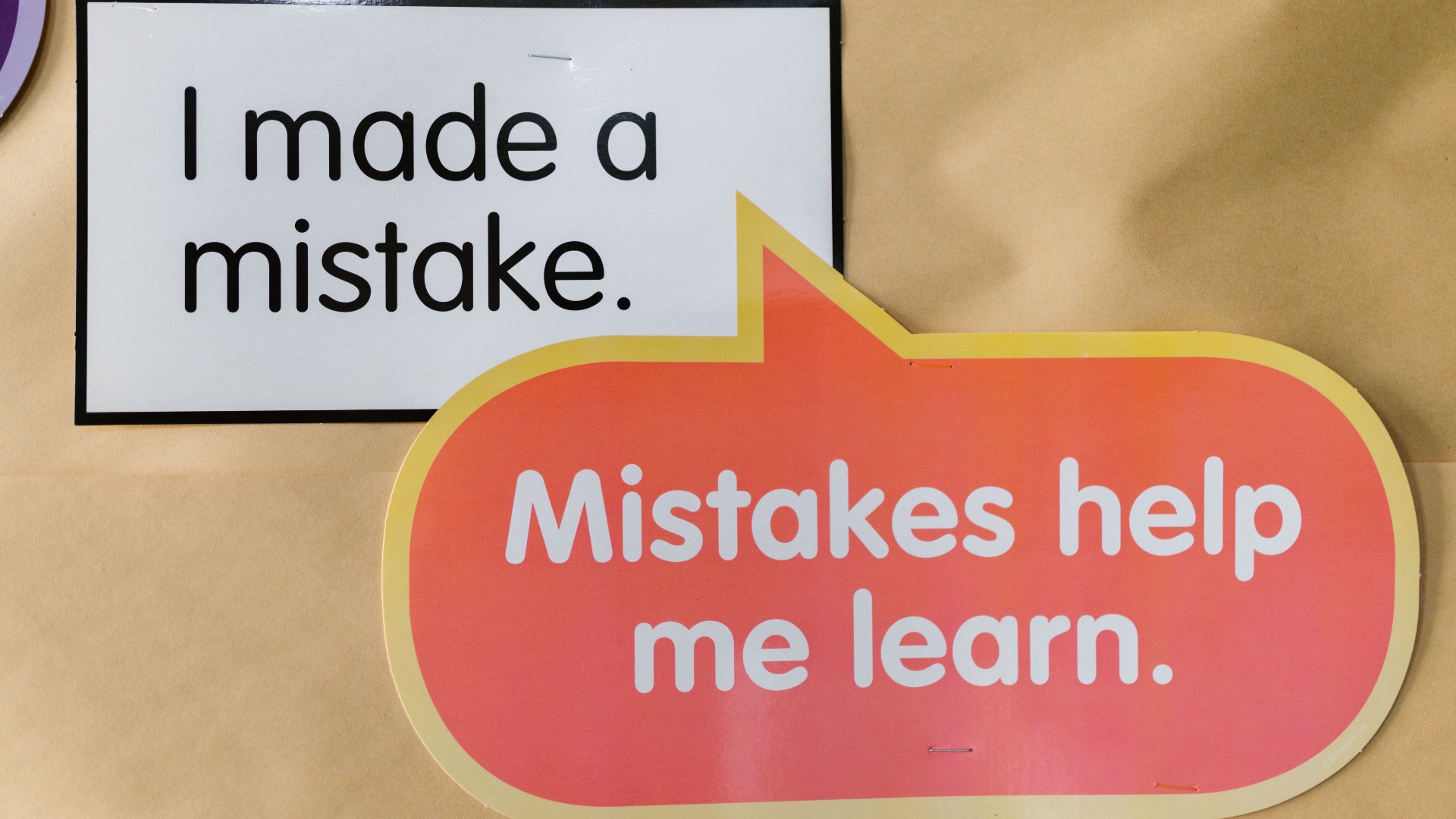
Even the best managers aren't perfect, and rather than shifting the blame, they'll own up to their mistakes. That attitude sends an important message to the team: we're all human, and errors can be acknowledged and corrected without making it a big deal.
3. They Don't Automatically Say Yes to Leadership
One of the most valuable things a manager can do may happen in meetings you're not present in. If they know you or your team has been struggling, they won't just blindly accept every unrealistic request from senior leadership and pass the pressure downward—they'll work out a more feasible timeline, ensuring that no one gets burnt out.

4. They Notice Who Gets Interrupted
Instead of letting the same people talk every time, good management includes paying attention to team dynamics and making sure everyone gets heard. That means if one employee repeatedly gets talked over or has their ideas ignored, a thoughtful manager will take note and adjust the conversation so there's equal opportunity to contribute.

5. They Give Proper Credit
There's a big difference between saying, “The team did a great job,” and explaining exactly who contributed what. Strong managers give credit where it's due, no matter how small. Getting regular recognition also helps make employees more keen to contribute.

6. They Trust Their Employees
Managers who trust their employees don't insist on inserting themselves into every conversation. In fact, they're comfortable allowing you and the rest of the team to make decisions within your responsibilities. That independence can therefore help you work faster while also allowing you to develop better judgment.

7. They Ask What Should Come Off Your Plate
Bad managers continue to pile on your plate when you're already full, but the best ones know to ask what should come off your plate. They check in constantly to see whether you can handle your workload; if you admit you can't, they'll simply shift the responsibility somewhere else without ever making you feel bad.

8. They Support Your Growth
A great manager understands that helping someone grow further in their role and career is part of good leadership, even if it creates inconvenience for the current team. They might, for example, recommend training or give you extra opportunities to build new skills, or even encourage you to apply when they see a position that's right for you.

9. They Handle Mistakes in Private and Praise in Public
Rather than embarrassing or belittling you in front of others, good managers know when feedback belongs in a private conversation or when credit should be given in public. In other words, they take your feelings into account and support you in every way.

10. You Can Bring Them Bad News Early
Perhaps the strongest sign of a great manager is that you never feel tempted to hide a problem from them until you've figured out how to fix it yourself. Instead, you're an open book around them—they just make you feel comfortable enough to be honest.
 Christina @ wocintechchat.com M on Unsplash