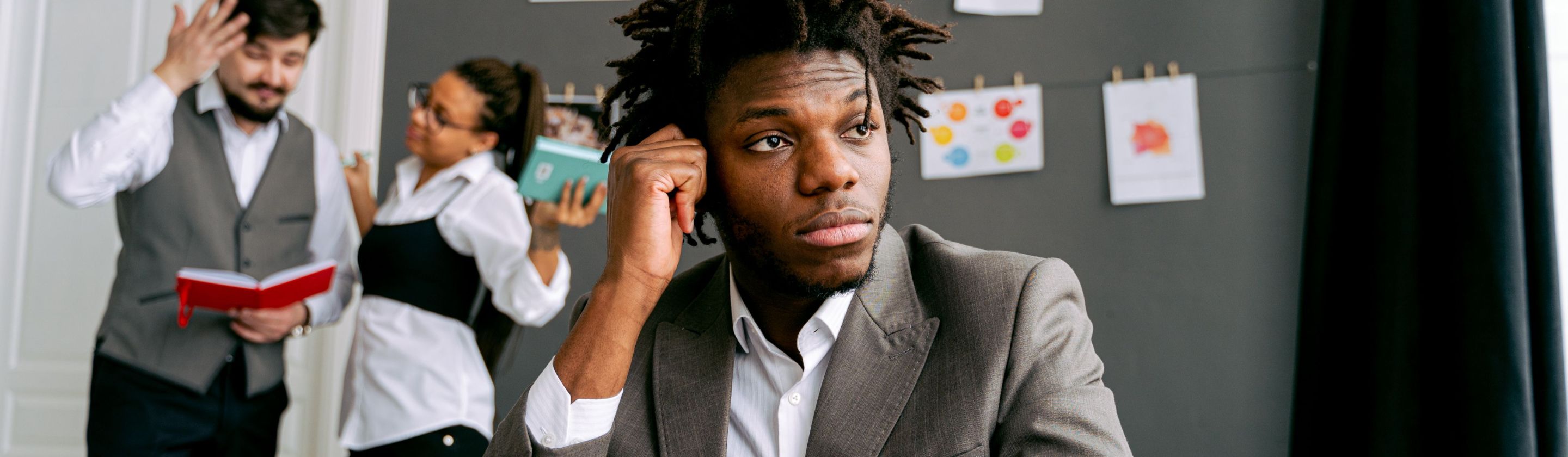
20 Things People Do at Work That Make Them Seem Entitled
Little Habits That Can Send the Wrong Message
Most people don’t walk into work trying to seem entitled, but certain habits can give that impression pretty quickly. It's a pattern of small behaviors that make coworkers feel ignored, inconvenienced, or taken for granted. The tricky part is that many of these things can seem harmless in the moment, which is why it helps to know what might be raising eyebrows. Here are 20 things people do at work that make them seem entitled.

1. Expecting Everyone to Work Around Their Schedule
Some people act as if every meeting, deadline, and group plan should bend around their calendar. Of course, everyone has busy days, but it starts to look entitled when one person’s availability is treated like the only one that matters. When coworkers are constantly rearranging their time for someone who never returns the favor, the frustration builds fast.
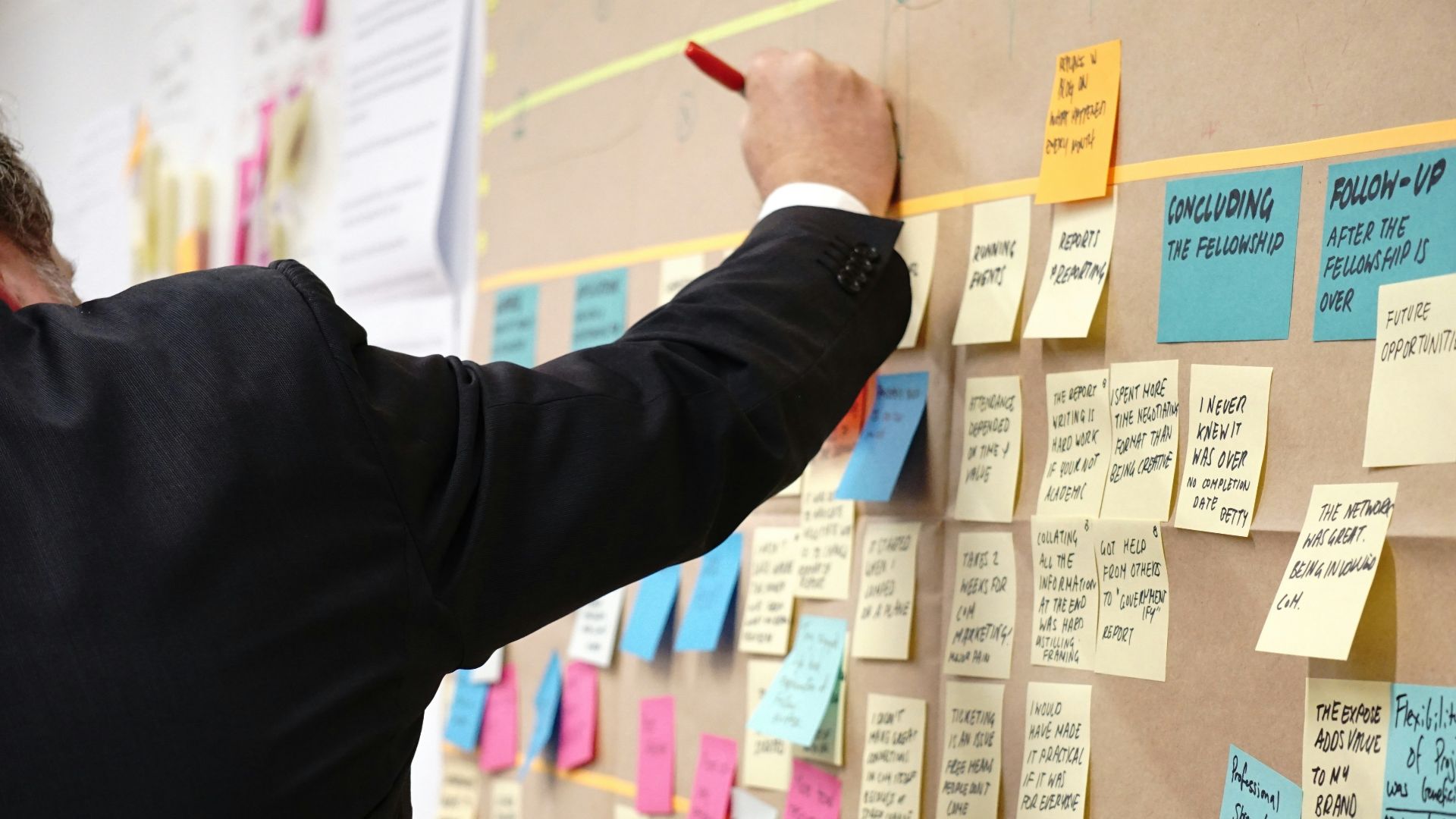
2. Taking Credit for Group Work
Nothing makes a team tense quite like someone presenting a shared effort as if they carried the whole thing alone. It can happen in meetings, emails, or casual conversations with managers, and it usually doesn’t go unnoticed.

3. Ignoring Basic Office Etiquette
Leaving messes in shared spaces, talking loudly during focused work time, or treating the office kitchen like a personal pantry can make someone seem inconsiderate. These things may feel minor, but they tell coworkers that everyone else is expected to tolerate the inconvenience.

4. Assuming They Deserve Special Treatment
There’s a difference between asking for help and acting like normal rules shouldn’t apply to you. Some employees expect easier deadlines, better shifts, more flexibility, or extra attention without a clear reason. When that becomes a habit, coworkers may start to feel like it's unfair.

5. Constantly Interrupting Others
Interrupting people in meetings or conversations can make it seem like your thoughts matter more than theirs. It’s especially frustrating when someone jumps in before a coworker has finished explaining an idea. Even if the interruption comes from excitement, doing it repeatedly can make people feel dismissed.

6. Treating Support Staff Like Personal Assistants
Receptionists, office coordinators, IT staff, and administrative workers are often asked to help with a lot, but that doesn’t mean they’re there to handle every personal inconvenience. When someone barks requests, skips basic courtesy, or assumes immediate help is guaranteed, it reflects poorly on them.

7. Complaining About Tasks They’re Paid to Do
Everyone vents now and then, but it can seem entitled when someone regularly complains about ordinary responsibilities that are clearly part of their job. Coworkers who are handling their own duties may not have much patience for someone acting shocked that work involves work.

8. Expecting Instant Replies
Some employees send a message and then follow up two minutes later as if the world revolves around their text. People are often in meetings, finishing projects, or simply trying to concentrate, so not every message can be answered right away. Expecting immediate responses can make coworkers feel like they’re being treated as on-call staff.

9. Refusing to Help Unless It Benefits Them
A workplace runs better when people occasionally pitch in beyond their exact job description. When someone only helps if there’s praise, visibility, or personal gain involved, it can make them seem self-important. You don’t have to say yes to everything, but always asking “what’s in it for me?” gets old quickly.

10. Acting Above Entry-Level Tasks
Some people seem offended when they’re asked to do basic work, even if it’s necessary for the team. They may treat filing, cleaning up after a meeting, taking notes, or handling simple admin tasks as beneath them.

11. Showing Up Late Without Apologizing
Being late happens, and most people understand that life gets messy. The problem is when someone walks in late again and again without acknowledging that others had to wait. Skipping the apology can make it seem like everyone else’s time doesn’t count.

12. Asking for Exceptions but Never Offering Flexibility
There are times when people need understanding from their workplace, and that’s completely normal. It starts to look entitled when someone frequently asks for exceptions but refuses to be flexible when others need the same grace.

13. Using Seniority as a Free Pass
Experience matters, but it shouldn’t become an excuse to avoid teamwork, kindness, or accountability. Some longtime employees act as if their years on the job mean they no longer need to follow the same standards as everyone else.
 LinkedIn Sales Solutions on Unsplash
14. Leaving Problems for Someone Else
Passing off messy work, unfinished details, or avoidable mistakes can make a person seem careless. It’s even worse when they assume someone else will quietly fix everything without complaint. A team can handle the occasional slip, but repeated cleanup duty quickly gets frustrating.

15. Talking Down to Coworkers
A condescending tone can turn even a simple conversation into an uncomfortable one. Whether someone is explaining an obvious point, correcting people too harshly, or acting amused by basic questions, it can make them seem full of themselves.

16. Expecting Praise for Every Small Task
Recognition matters, and it’s nice when hard work gets noticed. Still, it can seem entitled when someone expects applause for doing the bare minimum or completing routine assignments. A quick thank-you is reasonable, but not every finished email needs a standing ovation.
 Sebastian Herrmann on Unsplash
17. Taking the Best Resources Without Asking
Whether it’s booking the nicest meeting room, the best desk, or snagging everyone's favorite supplies too often, this habit can irritate a team quickly. Shared resources are supposed to be for everyone, not just the person who gets there first and refuses to budge.

18. Making Their Stress Everyone Else’s Problem
Work can be stressful, but spreading that stress around doesn’t help. Some people snap at coworkers, send frantic messages, or expect the whole team to stop what they’re doing because they’re overwhelmed. It’s understandable to need support, but constantly creating urgency for others can feel unfair.

19. Dismissing Feedback
Feedback can be awkward, especially when it’s not what you wanted to hear. However, brushing it off, making excuses, or acting insulted every time someone offers a suggestion can make a person seem unwilling to grow. Coworkers and managers may eventually stop trying to help, which usually isn’t a great sign.

20. Acting Like Policies Don't Apply to Them
Every workplace has rules that may not be thrilling, but most people still follow them. When someone treats attendance policies, expense rules, dress codes, or approval processes as optional only for themselves, it can definitely come across as entitled.