The Stress of Freedom
Freelancing can sound like a pretty sweet setup from the outside. You may picture slow mornings, flexible hours, a quiet workspace, and no boss watching the clock. Some of that really can happen, and those perks are a big reason many people choose this kind of work. The tougher side is that freelancing also means finding your own clients, handling your own taxes, dealing with slow payments, and planning for the months when work gets quiet. These 20 reasons show why freelancing can be frustrating, and why so many people still think it’s worth doing.

1. Uneven Income Can Make Budgeting Hard
Freelance pay doesn’t always arrive in steady amounts. You might have one month filled with projects, then another month with fewer emails, fewer bookings, and a lot more waiting. Unfortunately, rent, groceries, internet, insurance, and other bills still show up on time, even when client payments don’t.

2. Taxes Are Suddenly Your Job
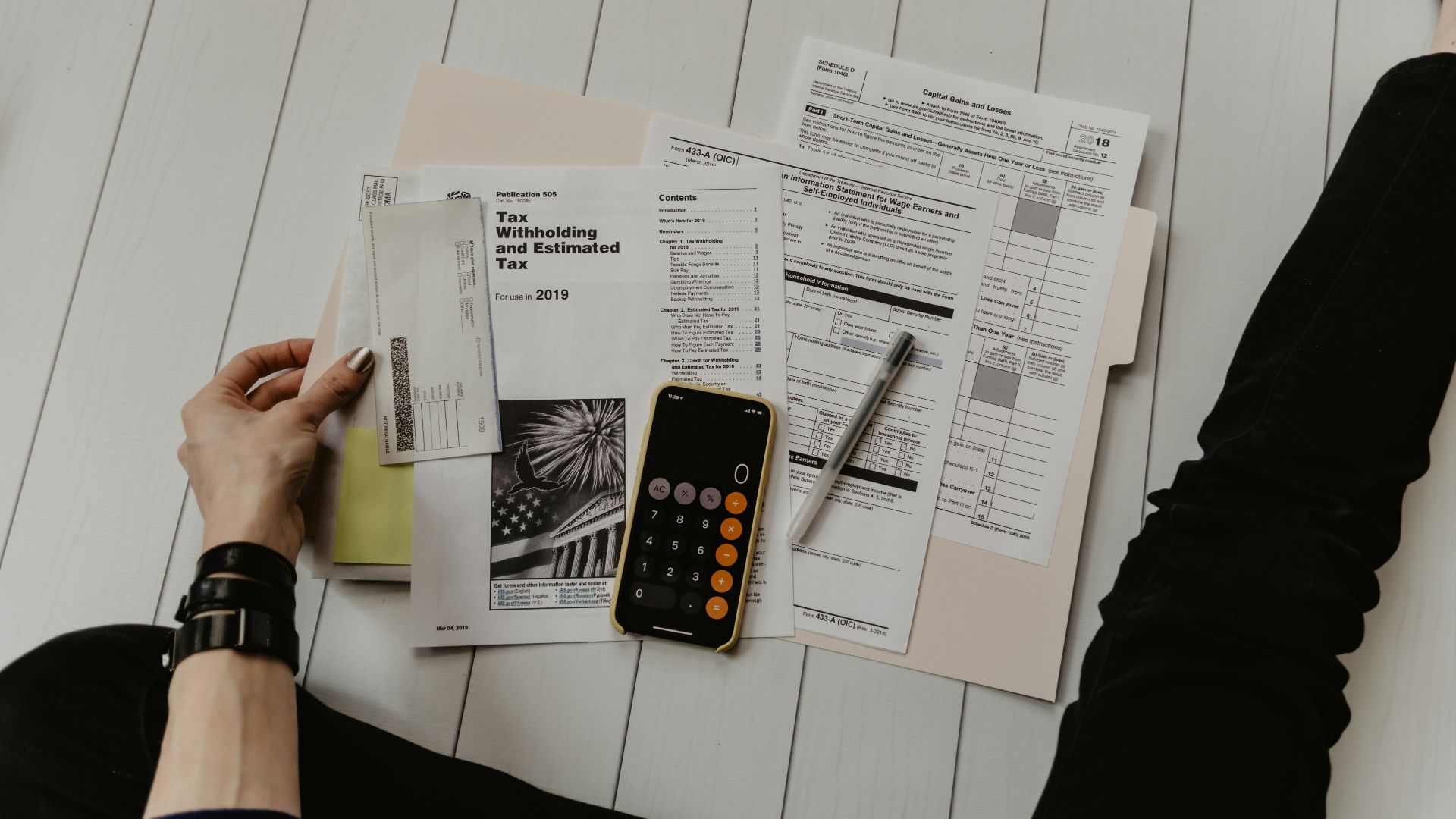
When you work for yourself, taxes aren’t usually handled before the money reaches you. You have to set money aside, track what you earn, track what you spend, and stay prepared for tax payments.
3. Benefits Aren’t Built In Anymore
A regular job may come with health coverage, paid vacation, sick leave, or retirement options. Even when those benefits aren’t perfect, they can make life feel steadier. Freelancers often have to arrange those things on their own.

4. You Don’t Just Do The Work You Sell
A freelance writer doesn’t only write, and a freelance designer doesn’t only design. Freelancers also answer emails, send invoices, follow up with clients, schedule calls, track payments, and keep basic records. That extra work can take up more time than people expect.

5. Late Payments
Finishing a project should feel good, but that feeling fades fast when the payment takes too long to arrive. You did the work, sent the invoice, and held up your part of the deal, yet the money may still take longer than expected.

6. Projects Can Grow Beyond The Original Plan
A small job can get bigger when the details aren’t clear from the start. One extra revision can become several, or a short call can turn into a regular meeting you never planned for. If the work keeps growing but the fee stays the same, the project can become much less worthwhile.
7. Work Can Move Into Personal Time
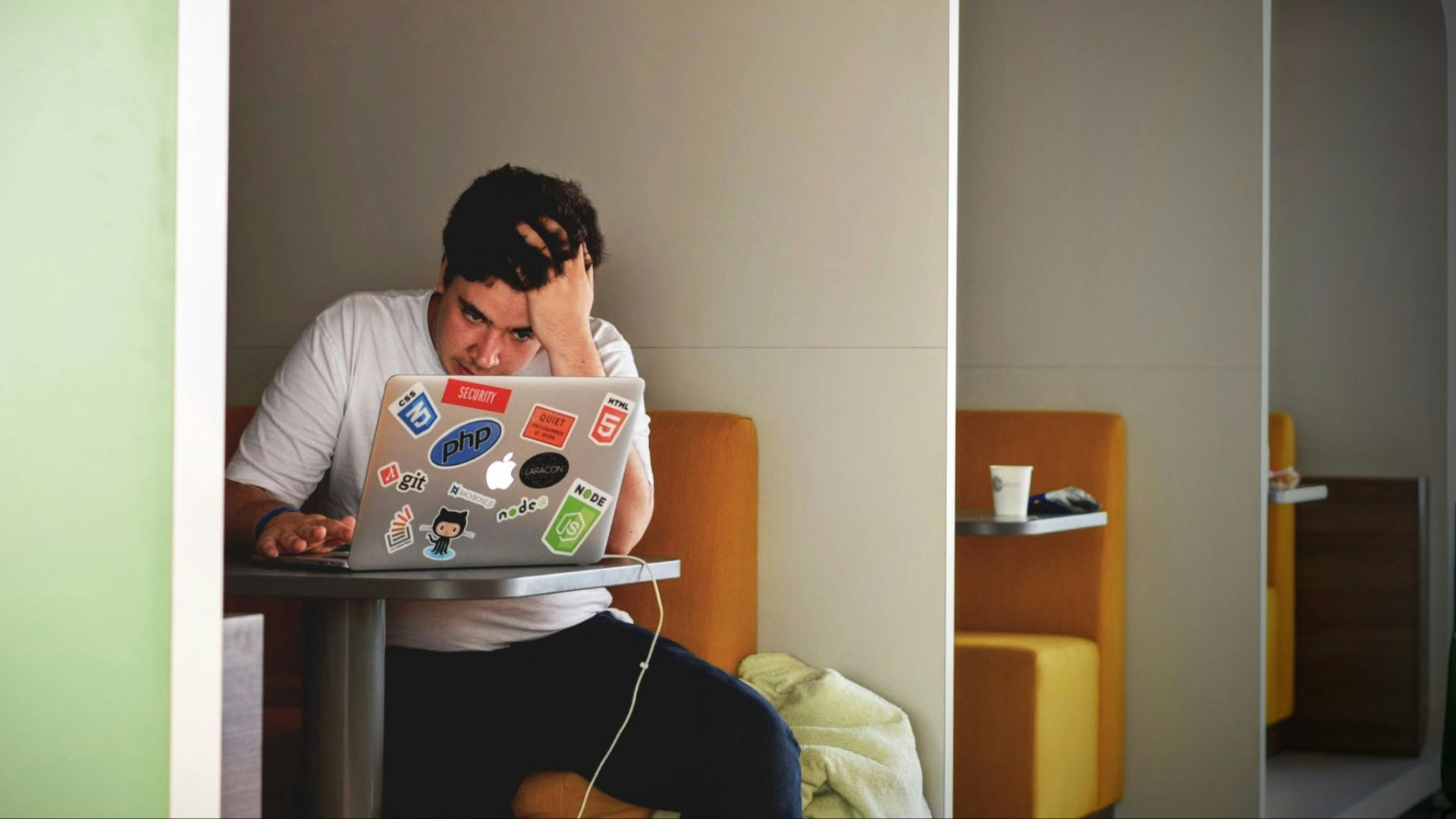
Freelancing often means your laptop and phone are always close by. A quick email after dinner can turn into more replies, edits, and small tasks. Without clear limits, work can take over evenings, weekends, and time you meant to keep for yourself.

8. Working Alone Can Feel Lonely
Working by yourself can feel peaceful at first. There’s no commute, no office noise, and no random interruptions when you’re trying to get something done. That said, freelancers often need to make a real effort to stay connected through friends, work groups, shared workspaces, or regular calls with people who understand the job.

9. You Always Have To Think About The Next Job
Freelancers often need to look for future work while they’re still doing current work. That means reaching out to clients, updating work samples, sending pitches, and keeping in touch with people who may hire them again.

10. There Isn’t A Clear Promotion Path
When you freelance, there isn’t a set career path waiting for you. You have to decide when to raise your rates, change your services, learn new skills, or stop taking work that no longer fits.

1. You Get More Control Over Your Day
One of the best parts of freelancing is having more control over your time. You can often plan your day around your energy, family needs, appointments, or the hours when you do your best work. You still have to meet deadlines, but you may have more say in how and when the work gets done.

2. Work Can Fit Your Life Better
Freelancing can be helpful for people who don’t fit well into a standard office schedule. Parents, caregivers, students, frequent movers, early risers, night owls, and people with personal needs may find that flexible work gives them more room to manage life.

3. You Can Choose Better Clients Over Time
Many freelancers start by taking almost any project that pays and seems reasonable. That early stage can teach useful lessons, even when some of those lessons aren’t especially fun. Over time, you can become more careful about who you work with. You can look for clients who explain things clearly, respect your time, pay on time, and understand the work you do.
 LinkedIn Sales Solutions on Unsplash
4. Your Income Has More Ways To Grow
A salary can be steady, but it can also be hard to change. Freelancers can raise prices, create service packages, offer ongoing work, add consulting, or move toward higher-paying projects.
 micheile henderson on Unsplash
5. You Learn Quickly
Freelancing teaches you fast because every project gives you something to learn from. You figure out how to price your time, ask better questions, spot problems early, and handle difficult moments without falling apart. Over time, these lessons can make you much better at your work and at running your business.
6. You Can Have More Than One Income Source
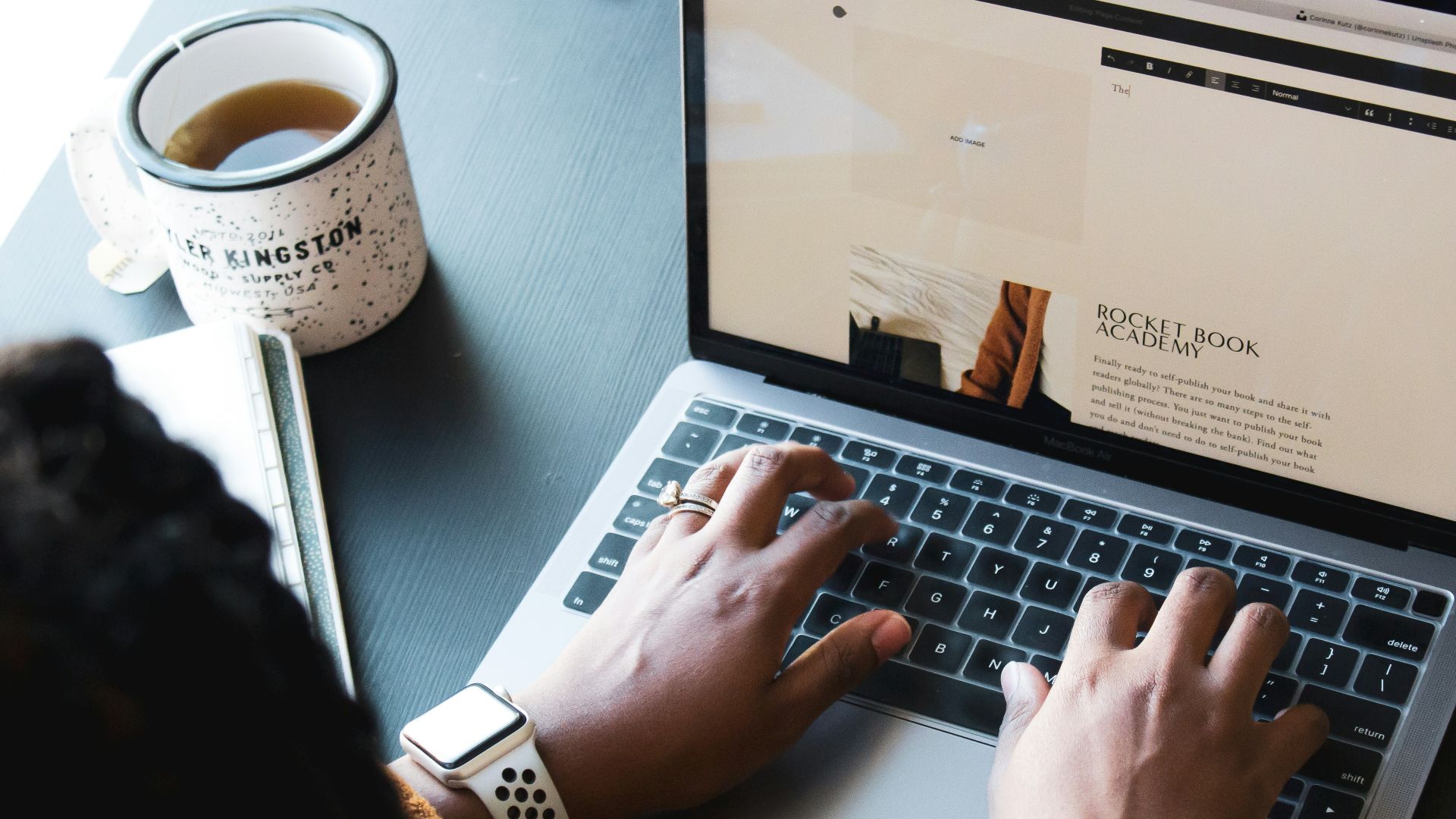
A regular job can feel stable, but it usually depends on one employer. Freelancers can earn money from several clients, services, products, or platforms. That doesn’t remove all risk. It can, however, make your income less dependent on one company or one person’s decision.

7. You Can Work With Clients Outside Your Area
Many freelance jobs don’t depend on where you live. Depending on the work, you may be able to help clients in other cities, states, or countries. That can create more chances to find good projects. It can also help you find clients who are a better match for your skills.

8. Your Portfolio Belongs To You
Freelancers can use strong projects, kind client feedback, and case studies to show future clients what they can do. Each good project can keep helping long after the work is finished. Over time, that proof can support better opportunities and stronger rates. It also gives you something real to build from one client to the next.

9. Freelancing Can Grow Into A Bigger Business
Some people stay solo freelancers for years, and that can be a good path. Others use freelancing as the start of an agency, consulting work, a course, a newsletter, a template shop, or another small business. The useful part is that freelancing can start small. You can test what people need, see what you enjoy, and build from work you already know how to do.
10. The Freedom Can Be Worth The Mess
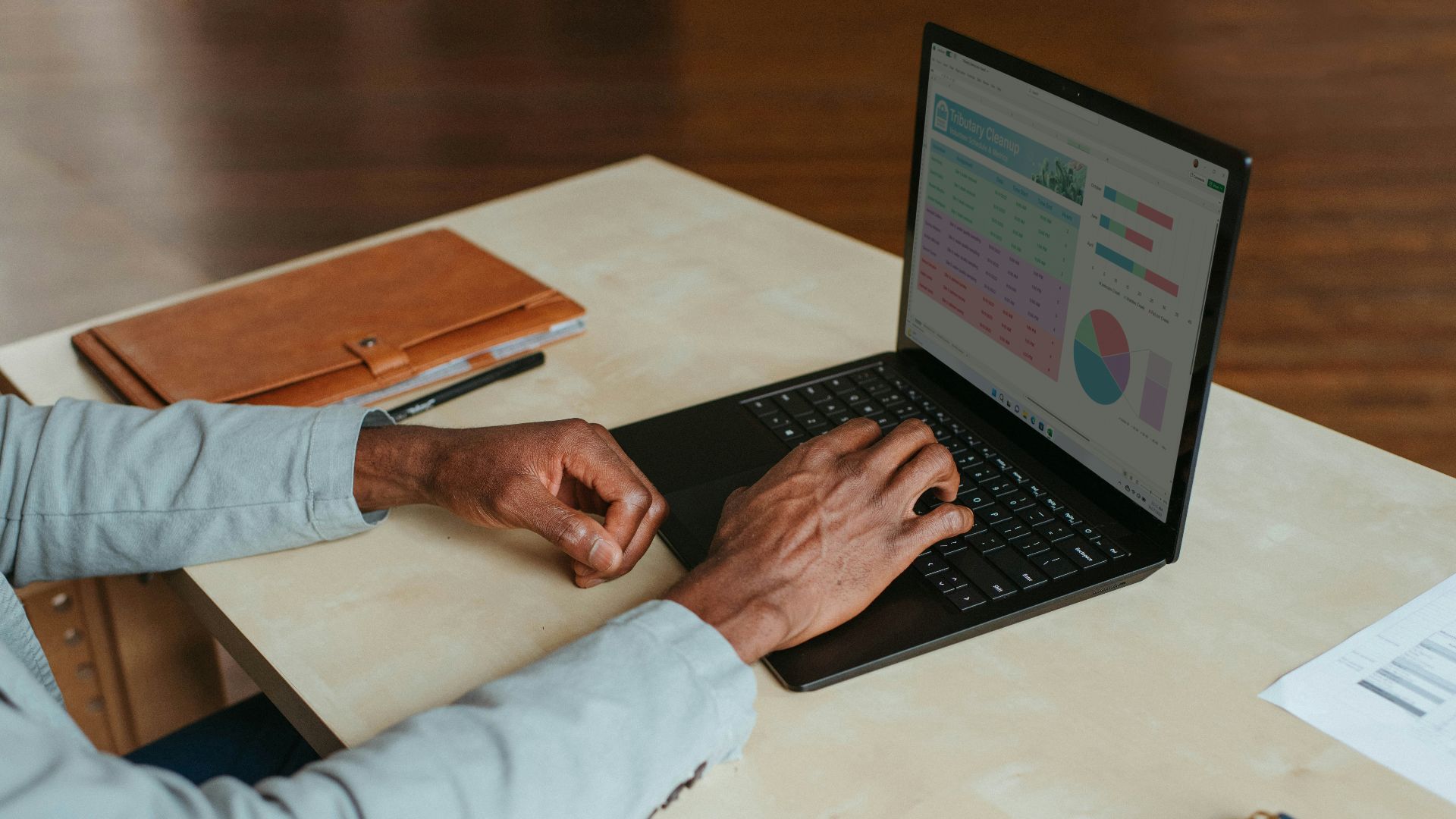
Freelancing can be stressful, uneven, and full of tasks nobody really warned you about. There can be late payments, slow weeks, blurry boundaries, and projects that take more patience than expected. There are also days when it feels worth it. A good client signs on, a payment comes in early, a project goes well, or you take a midday walk because your schedule belongs to you.