20 Things Kids Notice About Their Parents More Than Adults Realize
Little Eyes Pick Up a Lot
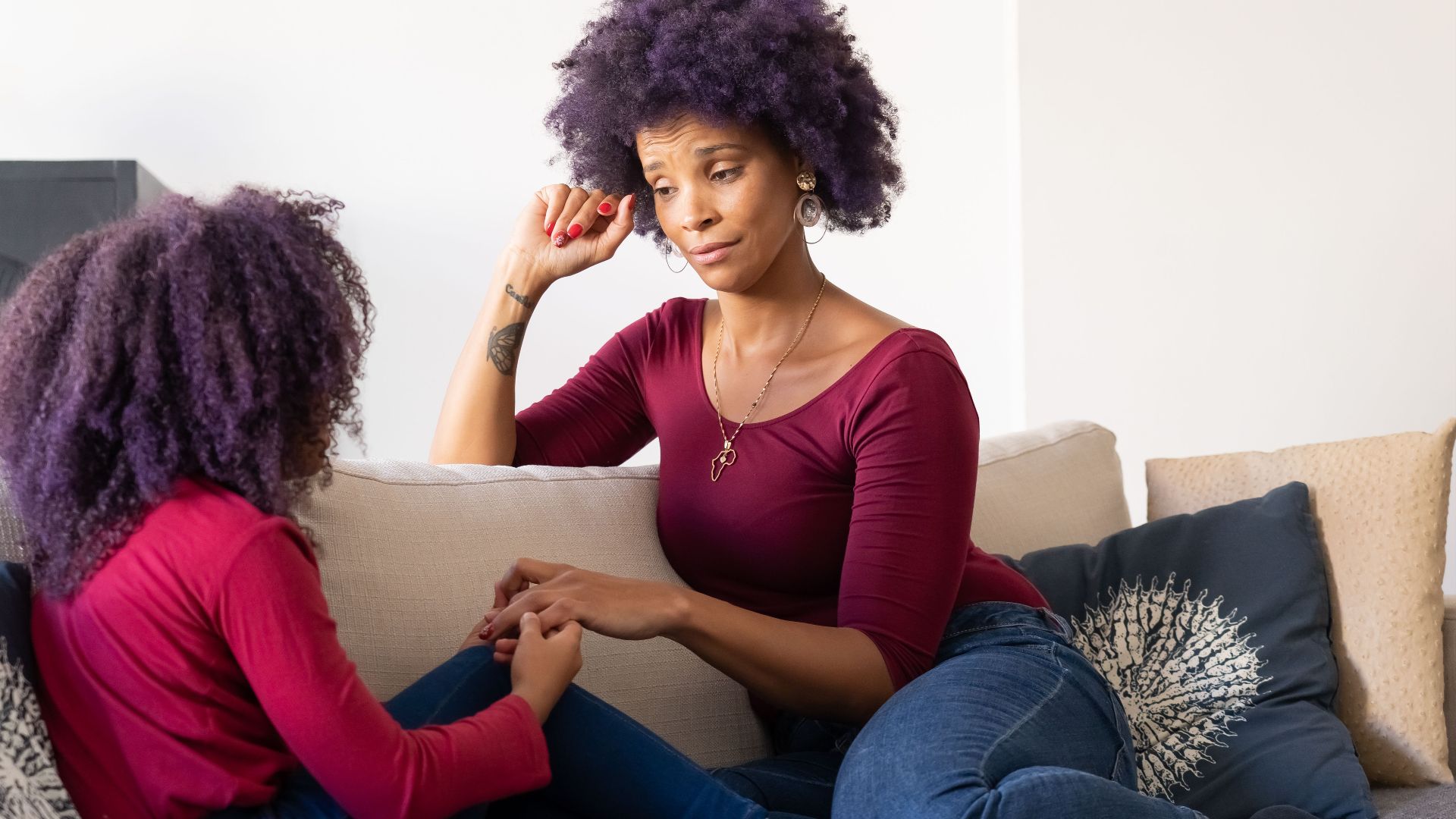
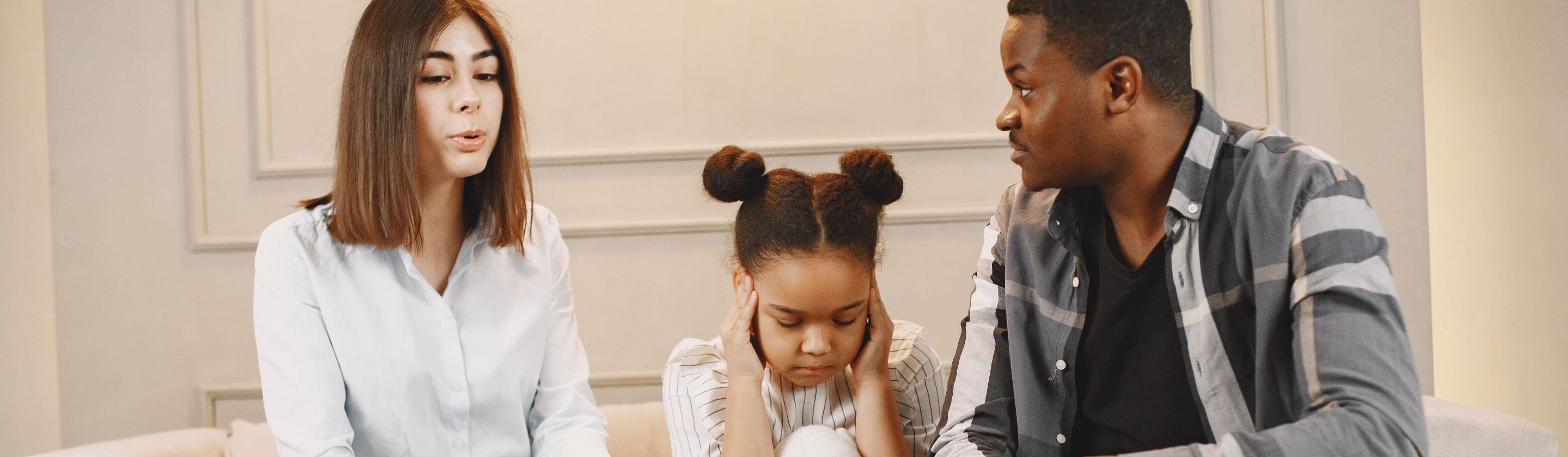
Kids may seem distracted by snacks, cartoons, toys, or whatever mysterious object they found under the couch, but they notice far more than adults often realize. They pay attention to tone, habits, moods, relationships, and the tiny everyday moments parents assume are slipping by unseen. Even when they don’t have the words to explain what they’re observing, children are constantly learning from how the adults around them move through the world. Here are 20 things kids notice about their parents more than adults realize.
1. How Their Parents Talk to Themselves
Kids notice when parents criticize their own bodies, intelligence, mistakes, or appearance out loud. We all feel self-critical at times, but verbalizing these feelings around kids can have a lasting impact. Over time, they may start using the same kind of language about themselves without consciously realizing where it came from.

2. Whether Their Parents Are Really Listening
Children can usually tell when an adult is half-listening while scrolling, typing, or mentally planning dinner. They may keep talking anyway, but they notice when eye contact, questions, and attention aren’t really there. Even a few minutes of focused listening can mean more to them than a long conversation where the parent is barely present.
3. The Way Their Parents Handle Stress
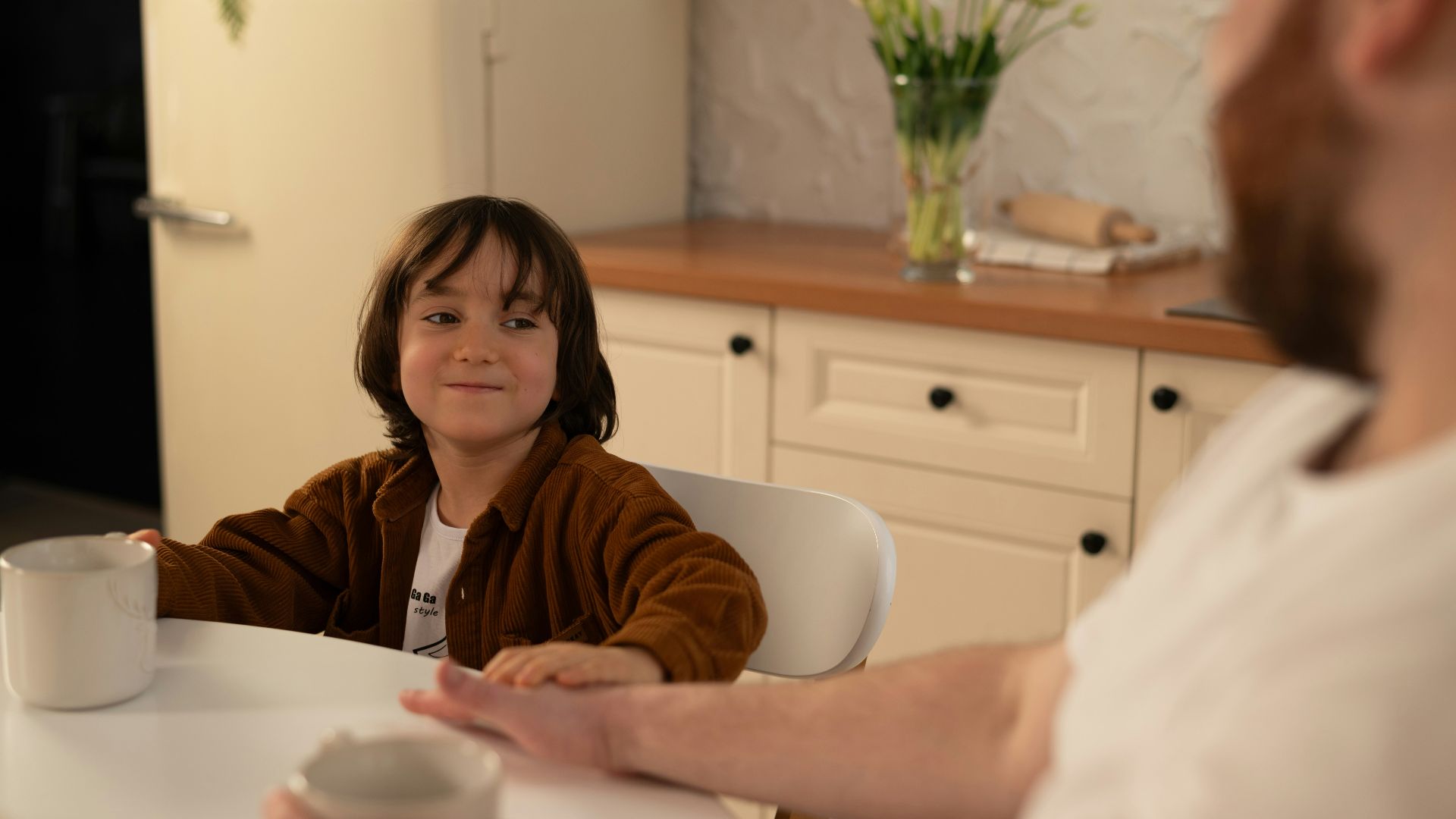
Kids may not understand bills, deadlines, or adult responsibilities, but they notice the atmosphere stress creates. They pick up on tense voices, rushed movements, heavy sighs, and sudden quiet. When parents model healthy ways to calm down, children learn that stress can be handled instead of feared.

4. How Their Parents Treat Service Workers
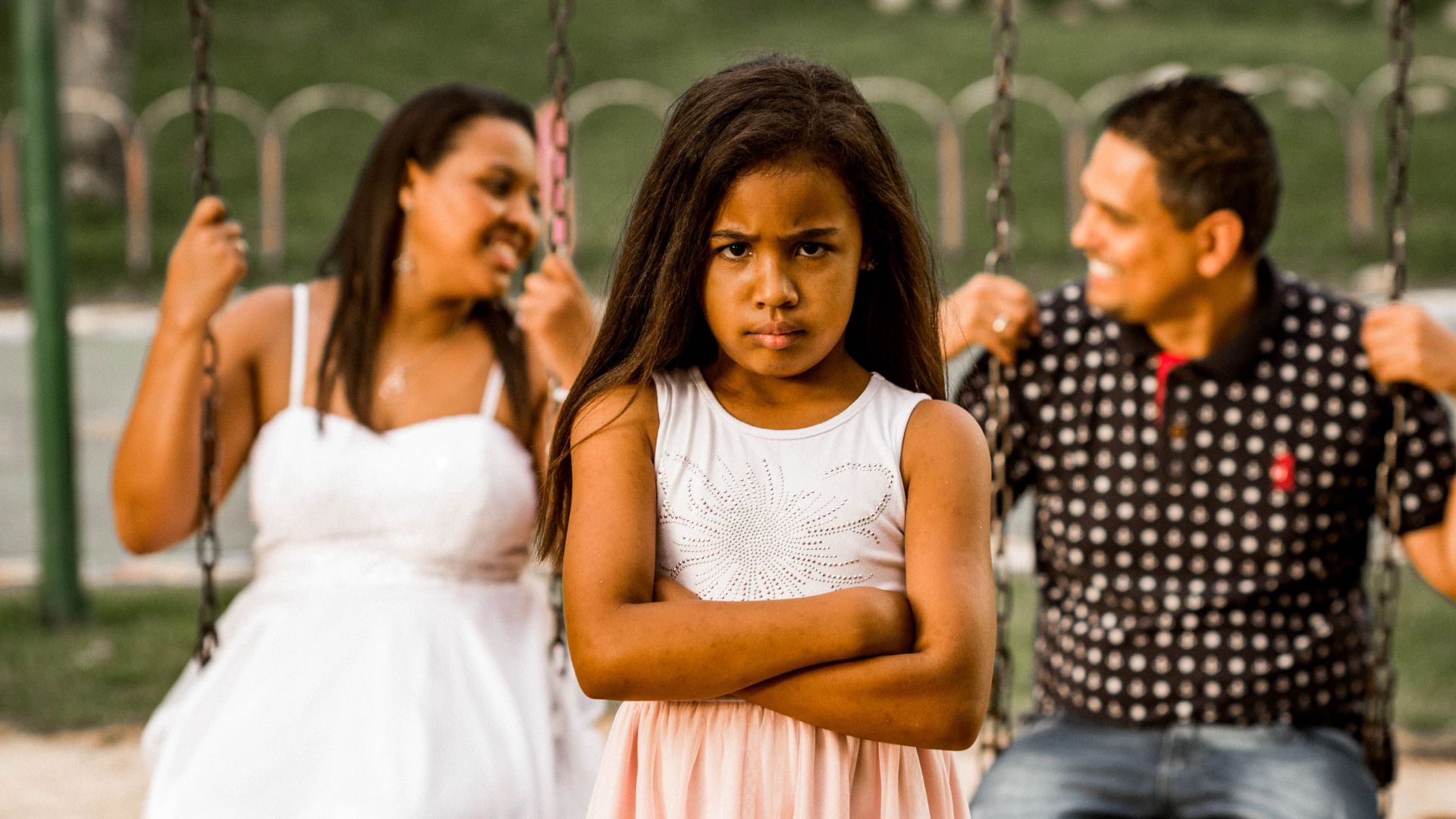
Children notice how adults speak to servers, cashiers, delivery drivers, cleaners, and receptionists. If a parent is kind and patient, that teaches one lesson; if they’re rude or dismissive, that teaches another. Kids often learn respect less from speeches and more from watching how adults behave when they don’t have to impress anyone.

5. Whether Apologies Come Easily
Parents don’t need to be perfect, but kids do notice whether adults can admit when they’re wrong. A sincere apology after snapping, misunderstanding, or overreacting can stay with a child in a good way. It shows them that authority and humility can exist in the same house.

6. How Their Parents Talk About Other People
Gossip, criticism, and judgment don’t always pass over a child’s head just because they’re playing nearby. Kids hear how parents describe neighbors, relatives, coworkers, and strangers. Those comments can shape how children think about kindness, difference, and what people say when someone isn’t in the room.
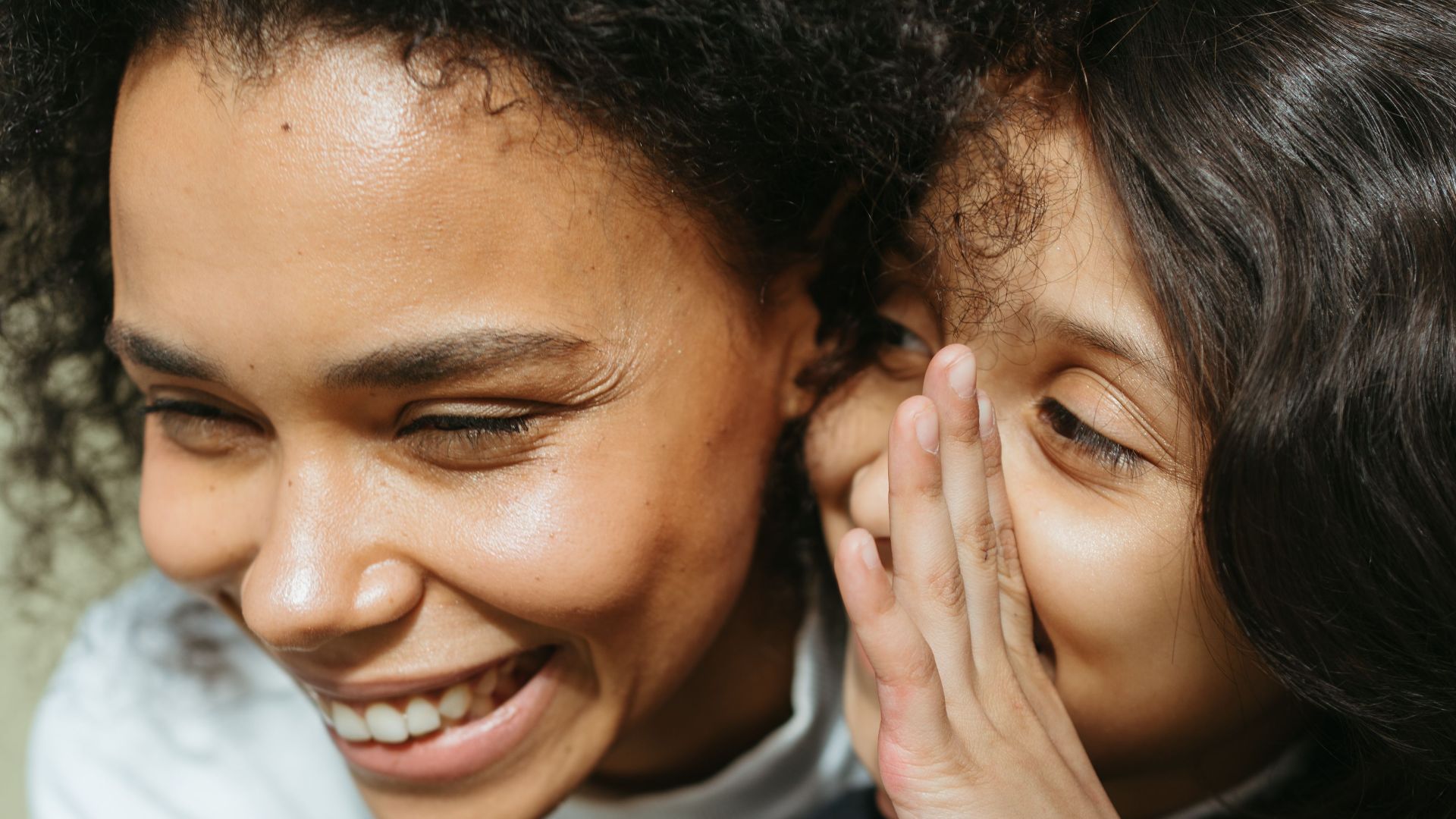
7. Whether Their Parents Keep Promises
A forgotten promise may seem small to an adult, especially when life gets busy. To a child, though, “we’ll do it later” can become something they quietly track. Following through, even on simple things, helps kids feel that their hopes and words matter.
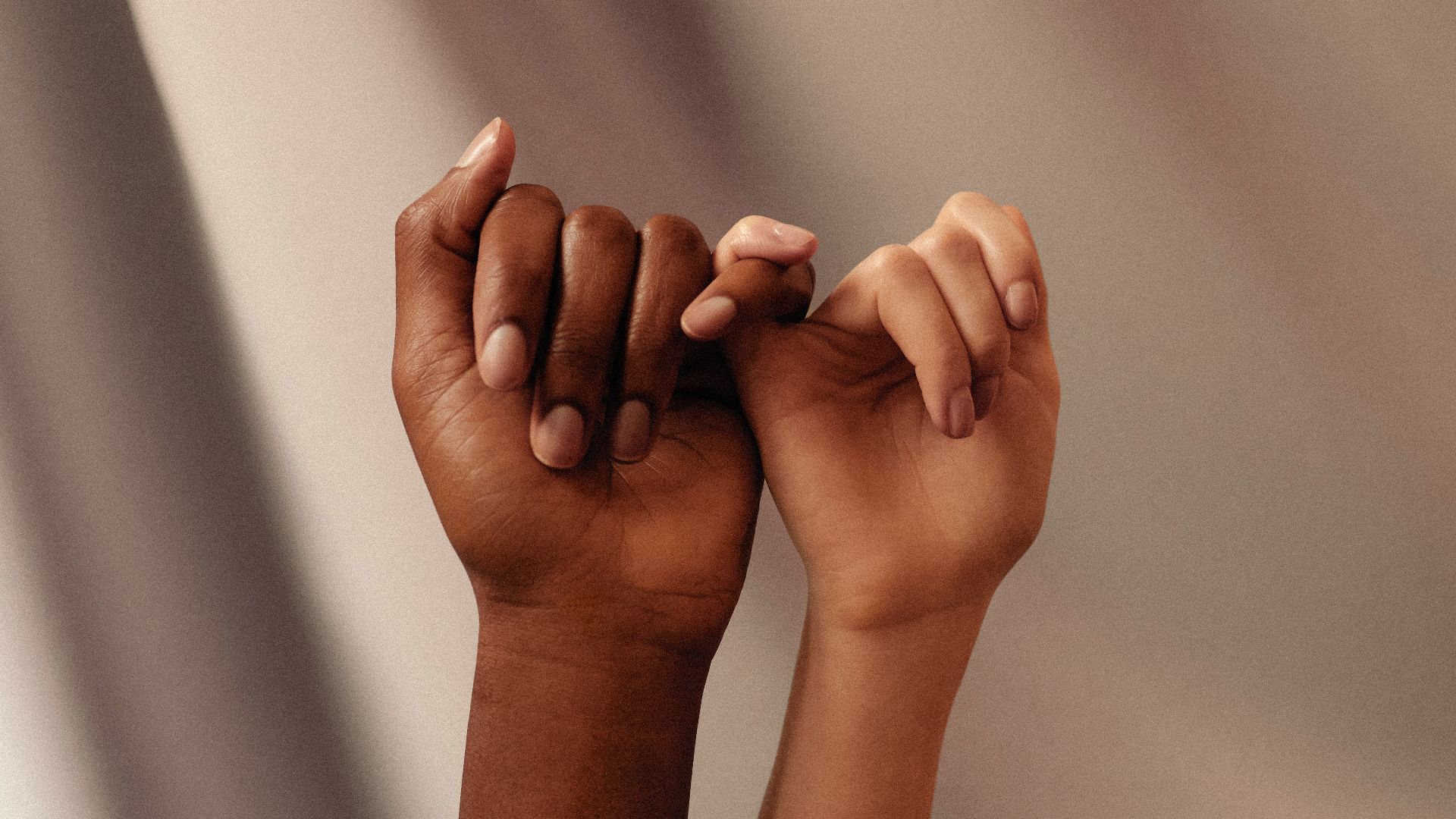
8. How Their Parents Act Around Screens
Children notice when phones get more attention than conversations, meals, or family time. They also notice when parents set a screen rule and then immediately break the spirit of it themselves. It’s hard to convince a kid that devices need limits when the adults don't have limits for themselves.
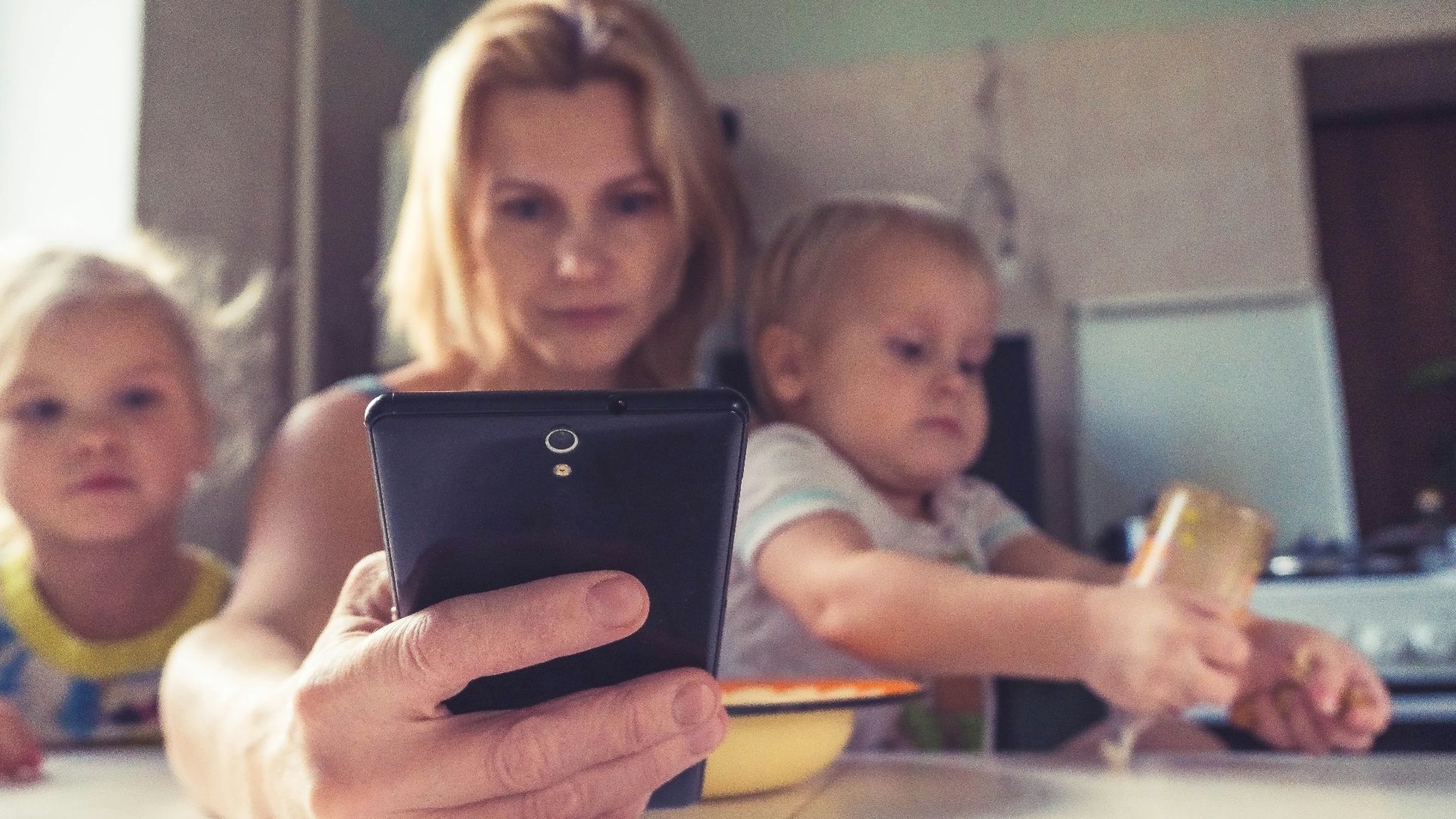
9. The Way Their Parents Show Affection
Kids pick up on hugs, kind words, small gestures, and the everyday ways love gets expressed. They also notice when affection feels rare, rushed, or tied only to achievements. What may look like a simple pat on the shoulder can become part of how secure they feel.

10. Whether Their Parents Enjoy Each Other
Children often notice the mood between adults, even when nobody is openly arguing. They can sense warmth, teasing, patience, tension, or distance. A peaceful home doesn’t require constant cheerfulness, but kids do pay attention to whether the people they love seem to like being around each other.

11. How Their Parents Talk About Money
Kids may not understand the family budget, but they can hear panic, resentment, secrecy, or confidence in conversations about money. They notice whether spending is discussed calmly or whether every purchase seems loaded with stress. Even without details, they learn early whether money feels like a practical topic or a scary one.

12. Whether Their Parents Have Fun
Children notice when adults laugh, dance, sing badly, play games, or enjoy little moments. They also notice when grown-ups seem too tired or serious to enjoy anything. Seeing parents have fun can teach kids that adulthood isn’t just chores and serious clothes.

13. How Their Parents Respond to Mistakes
A spilled drink, a missed turn, or a forgotten appointment can become a lesson without anyone announcing it. Kids watch whether parents laugh it off, fix it calmly, blame someone else, or fall apart. The response often matters more than the mistake itself.

14. Whether Their Parents Treat Themselves With Care
Children notice if parents are always last on their own priority list. Skipped meals, no rest, constant self-sacrifice, or refusing help can send a message about what love is supposed to look like. Caring for yourself in front of your kids teaches them that people’s needs don’t disappear just because they’re responsible for others.

15. The Tone Used at Home
Kids can be deeply sensitive to tone, even when the words sound harmless on paper. A sharp “fine,” a cold silence, or a tired answer can carry more meaning than adults intend. Children may not always know what happened, but they often know when the emotional weather has changed.
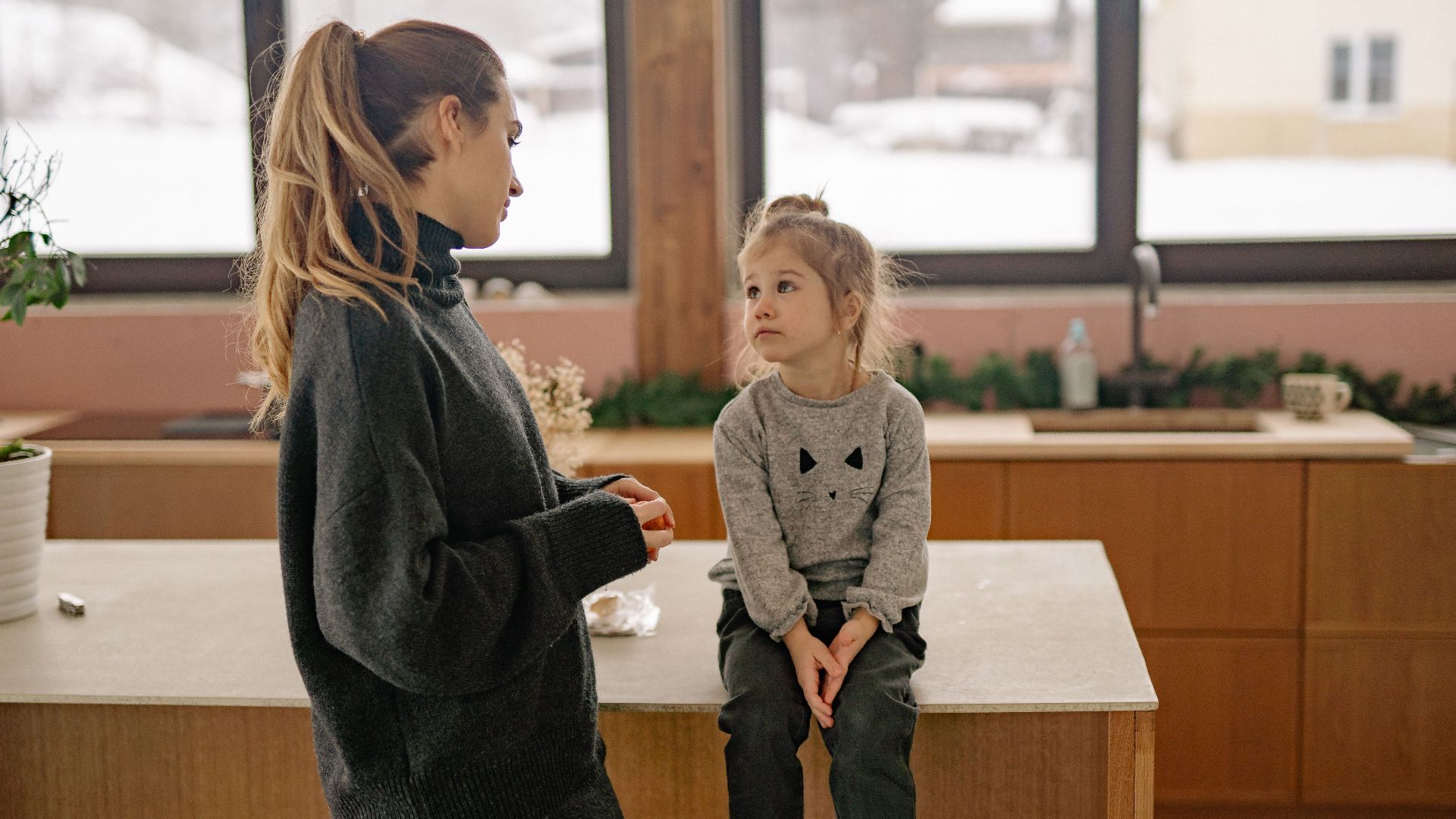
16. Whether Their Parents Are Fair
Children notice when rules shift depending on mood, sibling order, convenience, or who happens to be watching. They may not always be right about what’s fair, but they’re definitely paying attention. Consistency helps them feel safer, even when they don’t love the rule itself.
17. How Their Parents Handle Their Own Parents
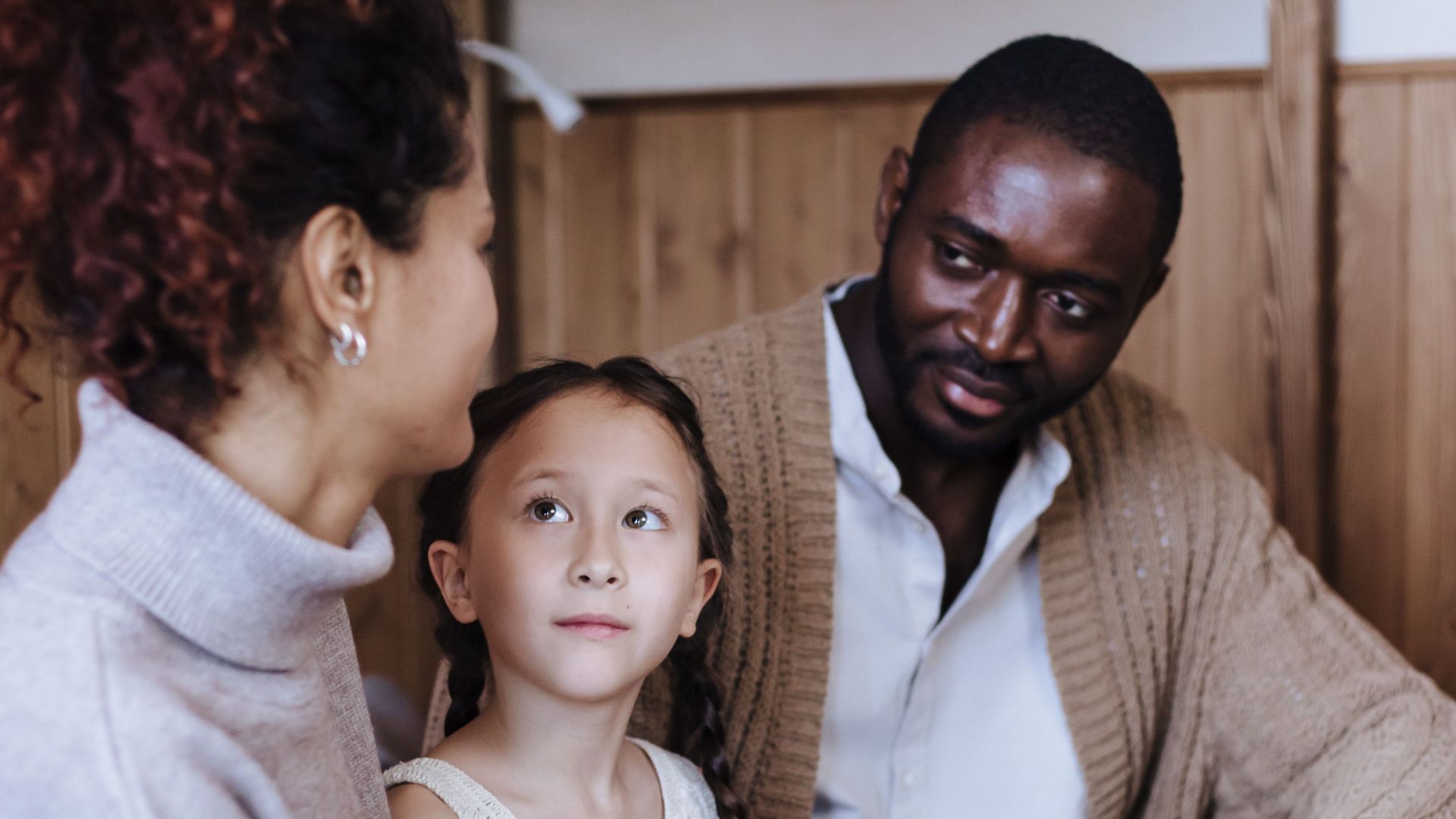
Relationships with parents can be complicated, but kids tend to watch those closely. They notice patience, irritation, affection, boundaries, and old tensions that adults assume are subtle. Those interactions can shape what children think family loyalty and respect are supposed to look like.
 LOGAN WEAVER | @LGNWVR on Unsplash
18. Whether Their Parents Are Curious About Them
Kids can tell when parents are genuinely interested in their thoughts, hobbies, friendships, and weird little stories. They notice when questions feel automatic versus when someone really wants to know the answer. Taking their interests seriously helps them feel like more than a small person being managed.
19. How Their Parents Deal With Differences
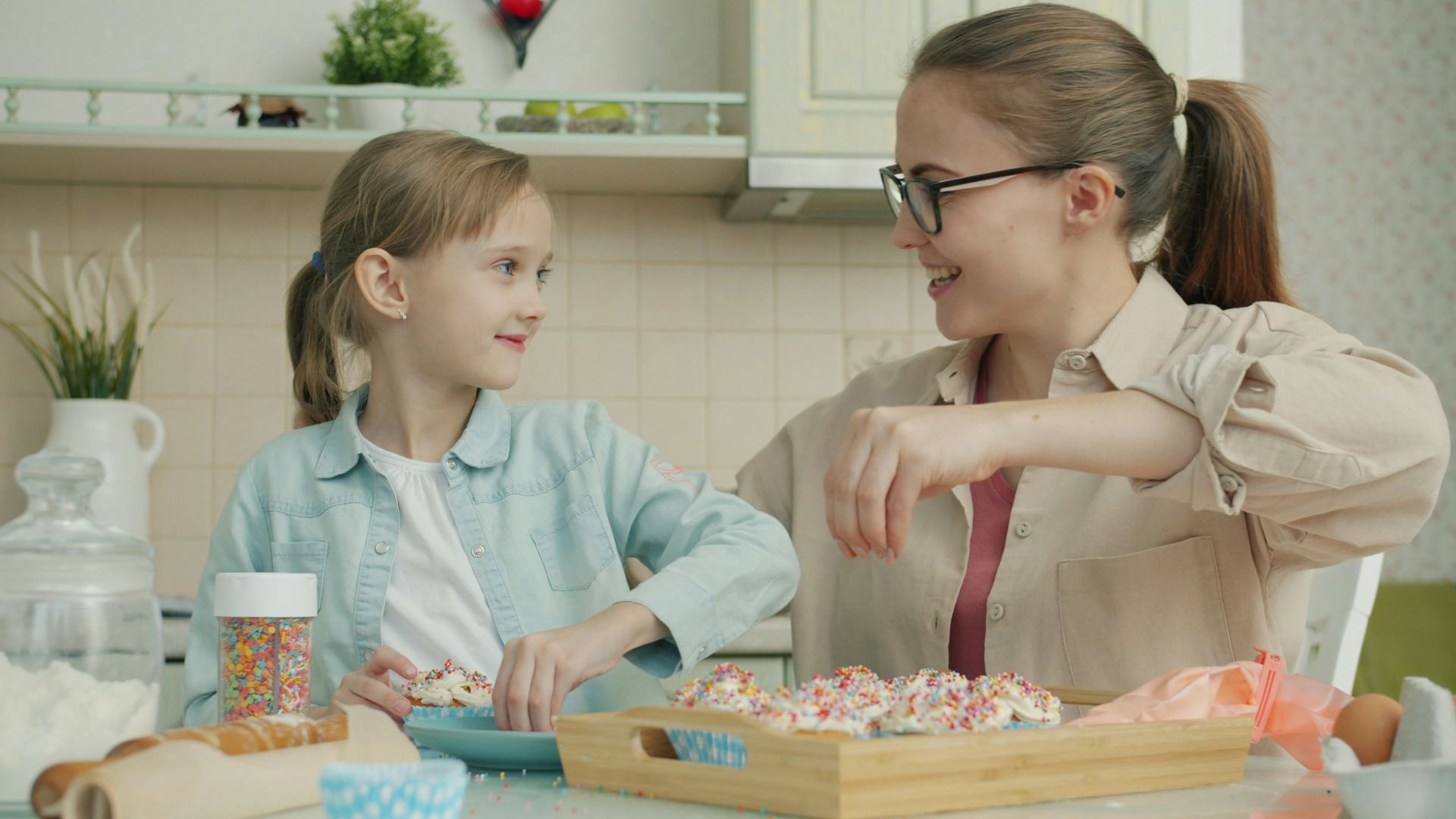
Children notice how adults respond to people with different backgrounds, beliefs, abilities, appearances, or lifestyles. They hear the comments made in the car, at the store, during the news, or around the dinner table. Those reactions can teach either openness or suspicion long before a formal lesson ever happens.
 Juliane Liebermann on Unsplash
20. How They React to Honesty
More than almost anything, kids notice what happens when someone tells the truth. If honesty is met with panic, yelling, mockery, or instant punishment, they may learn to hide things. When parents respond with calm curiosity and reasonable consequences, children are more likely to believe home is a place where hard conversations can still be safe.