
20 Things Couples Stop Doing Right Before They Start Growing Apart
Distance Usually Starts in Very Ordinary Ways
Most couples don't wake up one morning and suddenly feel miles apart for no reason. More often, the drift starts through small habits that quietly disappear, little efforts that seem optional until the relationship starts feeling flatter, colder, or more mechanical than it used to. That's what makes this kind of distance so sneaky, because nothing looks dramatic at first. If you pay attention, though, there are usually a lot of tiny things couples stop doing right before they start growing apart. Here are 20 of them.

1. They Stop Really Listening
One of the first things to go is genuine listening. Conversations start sounding more like background noise than real connection, and one person is often half-present while the other is talking. That kind of inattention adds up faster than people expect because feeling unheard has a way of turning everyday life lonelier.

2. They Stop Asking About Each Other’s Day
At first, this seems like a tiny thing, but it matters more than it seems. When couples stop checking in with real curiosity, daily life becomes more parallel than shared. You can live in the same house and still stop knowing what's going on in each other’s worlds.

3. They Stop Touching Casually
Not every moment of physical affection has to lead somewhere. A hand on the back, a kiss in the kitchen, or sitting close on the couch helps keep warmth alive without needing a special occasion. When those small touches disappear, the relationship can start feeling strangely formal. Distance often shows up in the body before people admit it out loud.

4. They Stop Laughing Together
Shared humor does a lot of quiet work in a relationship. Once couples stop joking around, teasing gently, or finding the same things funny, the atmosphere can get noticeably heavier. It's hard to feel close to someone when everything between you starts sounding practical or flat.

5. They Stop Saying Thank You
Gratitude tends to disappear when people get too used to each other. Instead of noticing the little things their partner does, they start treating them like part of the furniture of daily life. That shift may seem minor, but feeling unappreciated can slowly harden into resentment.
 Priscilla Du Preez 🇨🇦 on Unsplash
6. They Stop Being Curious
Long-term love still needs curiosity to stay alive. When couples stop asking questions, exploring each other’s thoughts, or noticing what's changing, they start acting like the relationship is already fully understood. Nobody is ever actually that finished. Once curiosity fades, so does a lot of the energy that keeps people emotionally engaged.

7. They Stop Flirting
Flirting doesn't have to be dramatic to matter. A playful comment, a knowing look, or a little teasing keeps the relationship from feeling purely logistical. When couples stop doing that entirely, attraction can start feeling like something that belonged to an earlier version of the relationship.

8. They Stop Making Time on Purpose
A lot of couples still spend time near each other long after they stop spending time with each other. There's a difference between sharing space and being intentionally present together. When that intention disappears, connection often starts living on leftovers.

9. They Stop Checking in After Conflict
Arguments happen in healthy relationships, too, but what matters is what happens afterward. Couples who are drifting often stop circling back to repair, clarify, or make sure the other person feels okay again. Instead, conflict just gets dropped and quietly added to the pile.

10. They Stop Giving Each Other the Benefit of the Doubt
When closeness is fading, interpretation starts getting harsher. Little things get read in the worst possible light, and ordinary mistakes begin feeling more personal than they probably are. That change in tone can poison a relationship quickly. It's hard to stay close when generosity disappears from the way you see each other.

11. They Stop Sharing Random Thoughts
One of the underrated signs of connection is how often you tell someone little, pointless things. A weird story, a half-formed idea, something you saw on the way home, or a thought that barely matters still helps build intimacy. When couples stop sharing that kind of small mental clutter, life gets strangely filtered.

12. They Stop Looking Up From Their Screens
Phones are excellent at creating low-grade disconnection. If couples spend more time half-scrolling than looking at each other, it becomes easier to lose the feeling of being chosen in the moment. Attention is one of the clearest forms of affection, so if the screen keeps winning, that's not a great sign.

13. They Stop Apologizing Properly
A lazy “sorry” isn't quite the same as a real apology. Couples who are growing apart often stop taking the time to acknowledge hurt in a meaningful way, especially when pride or emotional fatigue starts running the conversation. Without repair, tension tends to stay in the room longer than it should.

14. They Stop Planning Little Things Together
Couples don't need nonstop date nights and dramatic gestures to stay close. Still, small plans help, whether that means dinner out, a weekend errand together, or something mildly fun to look forward to. Anticipation does wonders for closeness.

15. They Stop Noticing Each Other
People want to feel seen by their partner even after years together. That means noticing mood changes, effort, new worries, small wins, or just the fact that the other person is there, being a person instead of a function. Once that awareness fades, emotional distance gets easier to ignore for a while.

16. They Stop Protecting the Tone
Every relationship has a tone, and couples help create it together. When they stop caring about how they speak, how they respond, or whether the atmosphere feels warm or tense, the relationship can become much rougher, and not just around the edges.

17. They Stop Being a Team in Daily Life
It's difficult to feel close when life starts feeling like a quiet competition in exhaustion, responsibility, or sacrifice. Couples who are pulling apart often stop functioning like teammates and start acting more like two people separately managing the same household. That shift affects everything, including affection.

18. They Stop Letting Each Other In
Sometimes distance starts when one or both people become more private, more guarded, or more emotionally edited. They still talk, but not in a way that lets the other person really know what's going on underneath. That kind of self-protection can look calm on the surface, but it often feels much lonelier underneath.
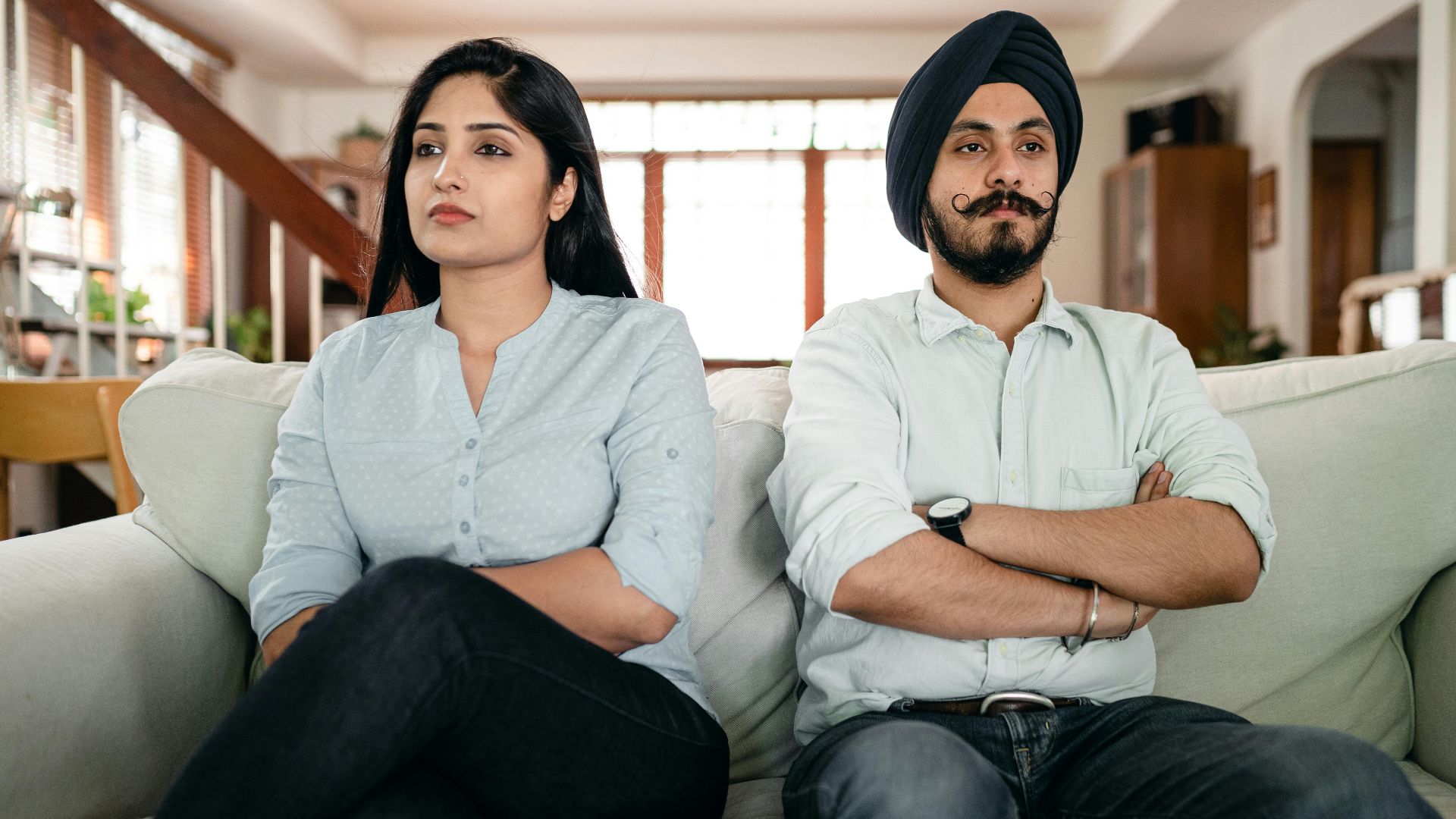
19. They Stop Repairing the Little Ruptures
Not every hurt needs a summit meeting, but the small cuts still matter. A dismissive tone, a forgotten promise, a cold response, or a moment of unnecessary sharpness can usually be repaired if people care enough to do it. When they stop doing that, the relationship starts collecting unresolved damage.

20. They Stop Actively Choosing Each Other
Strong relationships usually involve a quiet but ongoing choice to turn toward each other, pay attention, stay soft, and keep showing up with effort. When that active choice fades, couples can remain together while becoming less and less connected. Growing apart often starts the moment the relationship becomes something they assume will run on autopilot.