
Everyday Habits That Have Disappeared
For many Baby Boomers, everyday life involved routines that required more patience, more face-to-face interaction, and a little less dependence on technology. Things that once felt completely ordinary, from looking up a phone number to watching television according to a fixed schedule, can seem surprisingly unfamiliar today. You might still do some of these things, but many have become less common as modern conveniences have changed how people work, communicate, shop, and spend their free time.

1. Look Up Phone Numbers in a Phone Book
Phone books were used before we all had smartphones with almost everyone's phone number stored on them. Whether you wanted to call a company or a neighbor, you would have to know where your phone book was and look up the number. Not too thrilling of a concept, but it was done often.
 Keiron Crasktellanos on Unsplash
2. Call Someone Without Knowing If They'd Answer
Not only did you not know if the person was at their house or not, but you also may not have known who was calling. No caller ID, most likely, and if they didn't answer, you left them a voicemail or called back.

3. Watch Television at a Specific Time
There was always going to be a specific time your favorite show was on. So if you wanted to watch something, you either sat down and watched it or remembered to record it. Missing an episode could mean waiting for a rerun, asking a friend what happened, or simply accepting that you'd missed it.

4. Read the Newspaper Every Morning
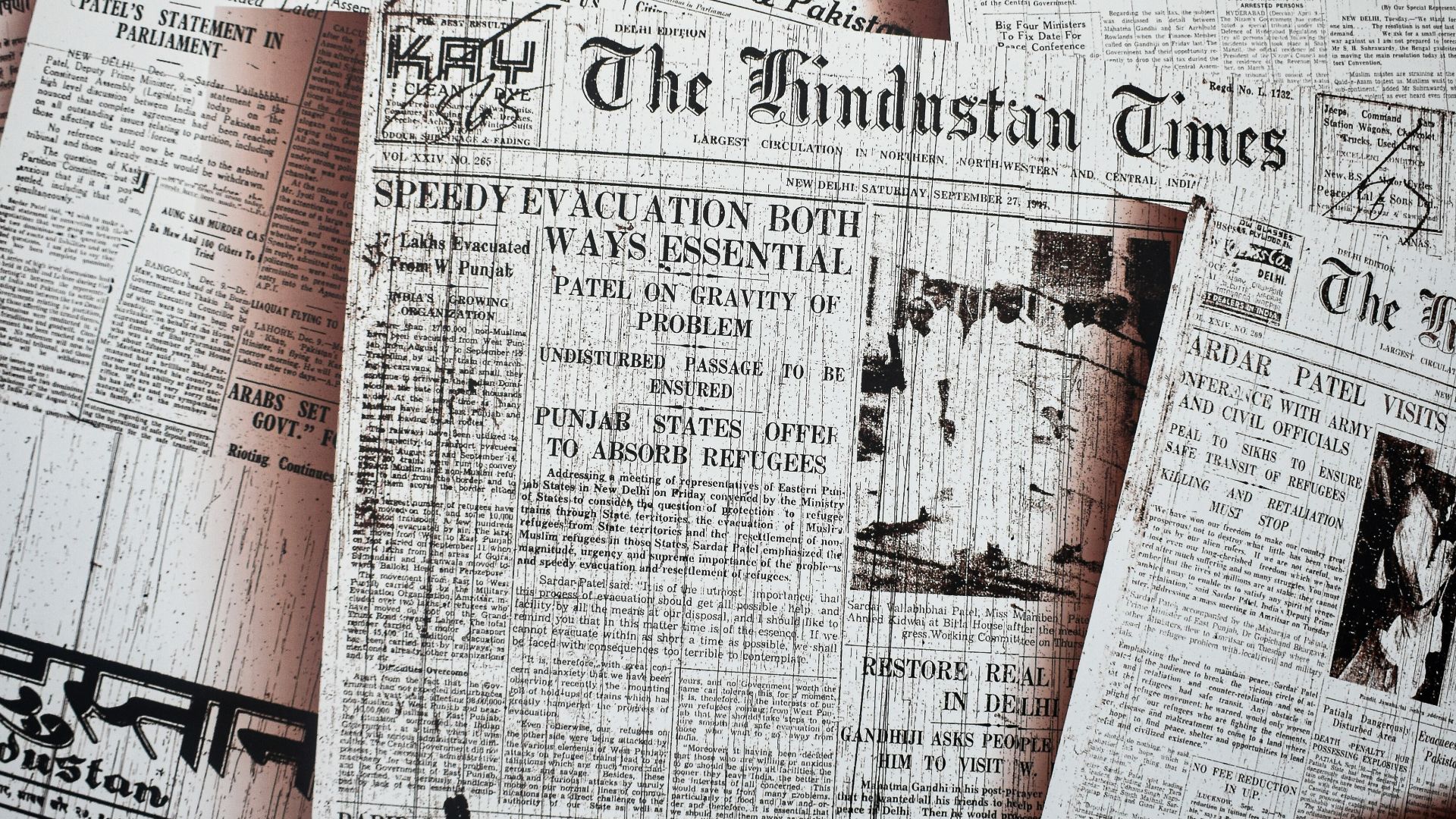
This was always something that many of us did growing up. Sitting down and reading through everything from things happening in your area to sports, news, business, and more. Today, you can get breaking news on your phone before you've even finished making breakfast.
5. Develop Photos Instead of Seeing Them Immediately
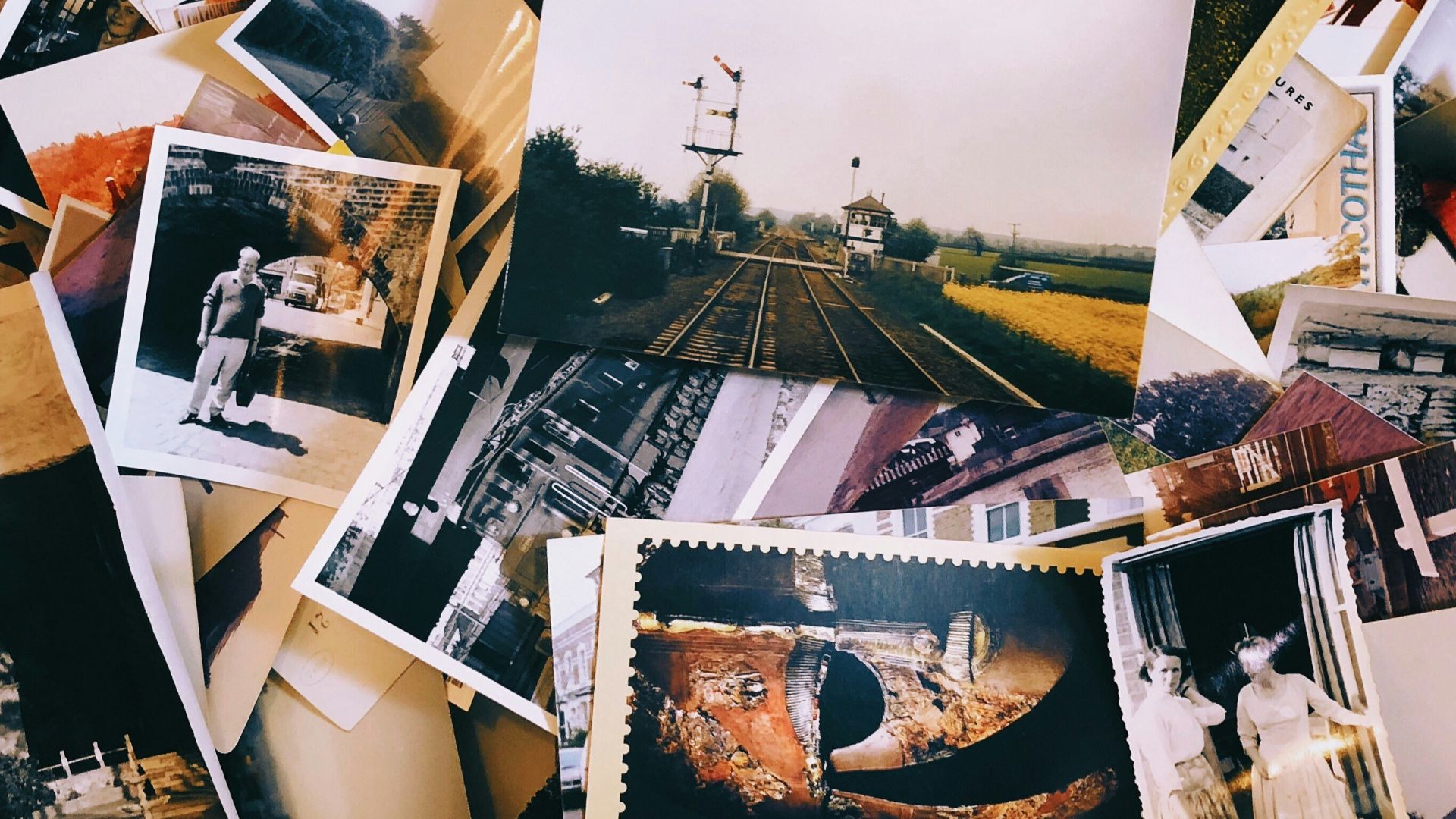
Taking a picture once meant using actual film and waiting to see how the photographs turned out. You could easily discover that someone's eyes were closed or that half the picture was accidentally cut off. Getting the film developed was part of the experience, so every photograph felt a little more deliberate than taking dozens of pictures in a few minutes.
6. Use a Map Without GPS
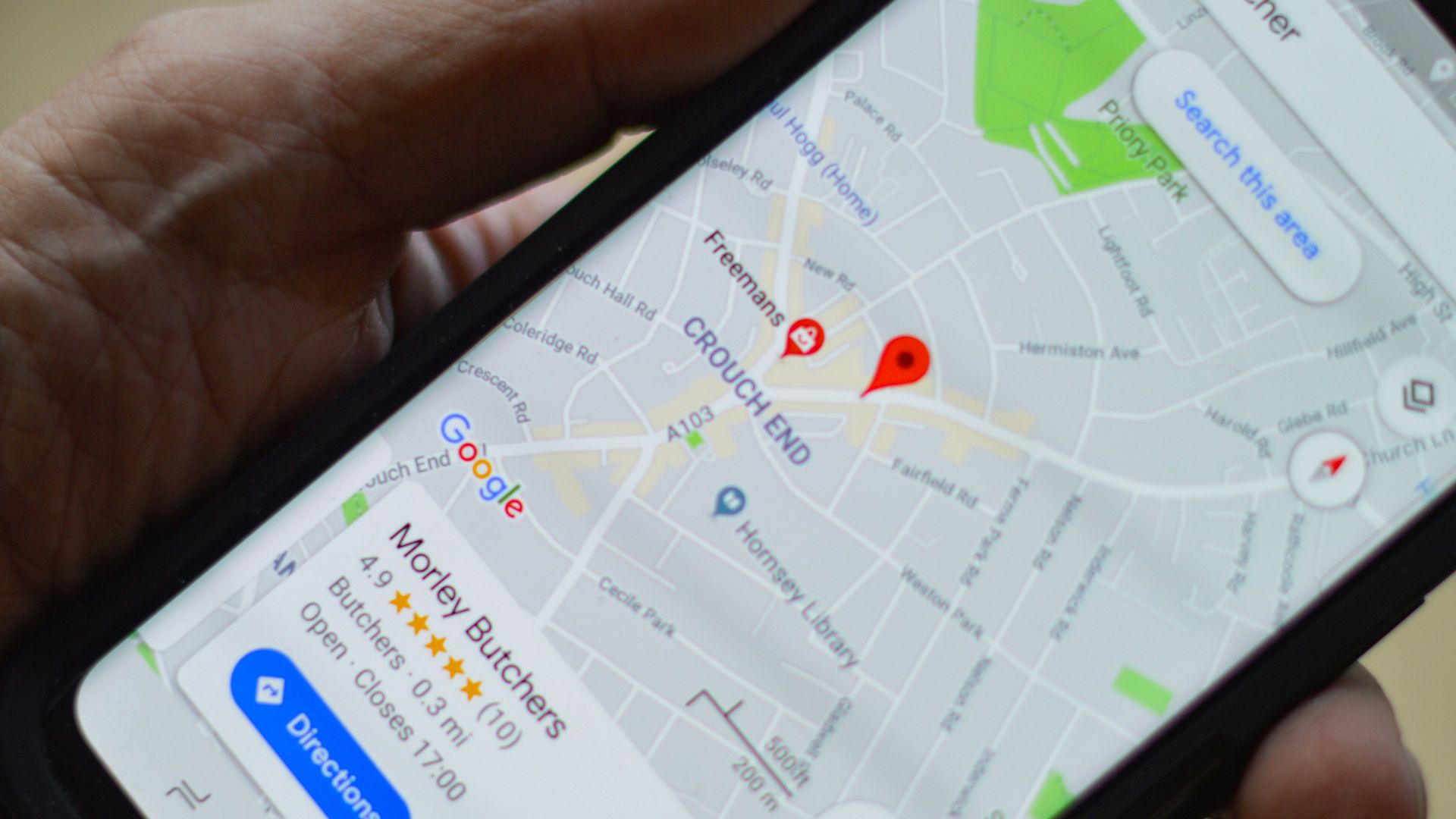
When you were going to travel, there was no computer in your car telling you where to turn. You would have to take out your map and make sure you knew where you were going. If you got lost, you'd have to stop somewhere and ask for directions instead of simply checking your phone.
7. Visit the Library for Information
Not only was the library a good place to find your next novel, but it was also helpful for finding information. You'd search through shelves, encyclopedias, newspapers, and card catalogs instead of typing a question into a search engine.

8. Memorize Important Phone Numbers
You didn't have all of them stored on your phone. Everyone most likely knew their family members', friends', and local businesses' phone numbers. Today, your phone can remember hundreds of numbers while you struggle to recall your own number without checking.
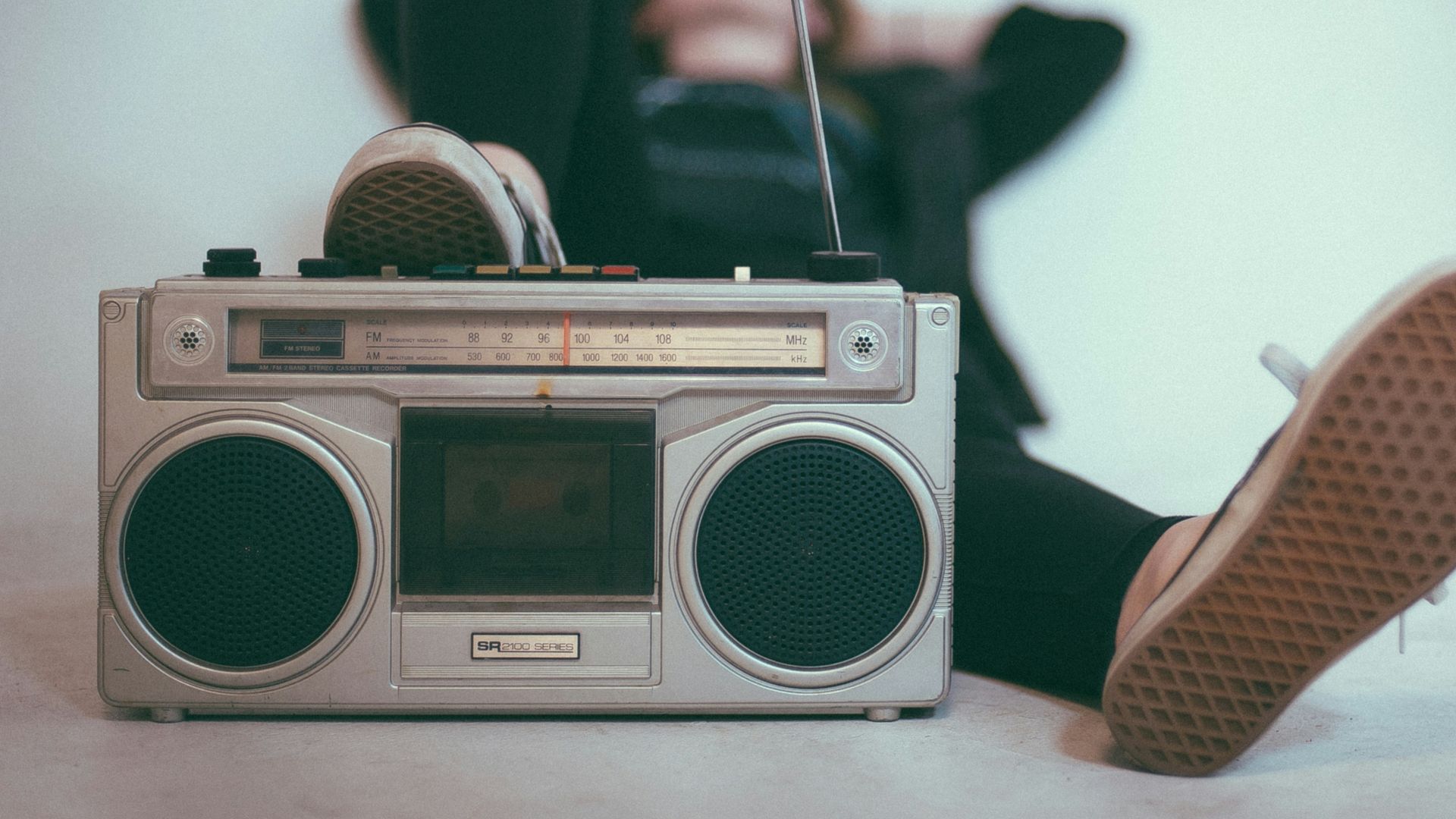
9. Listen to the Radio for Music
If you liked to listen to music, there were many ways to do that, but radio was convenient. You'd listen to whatever the station happened to play, sometimes waiting patiently for a favorite song. If you wanted to hear it again, you couldn't simply tap a replay button whenever you felt like it.
10. Sit Outside and Talk to the Neighbors
There was a good chance you knew who lived near you. If not, you could go outside and get to know them. Maybe you would borrow something from them, or they could help you out if you needed something.

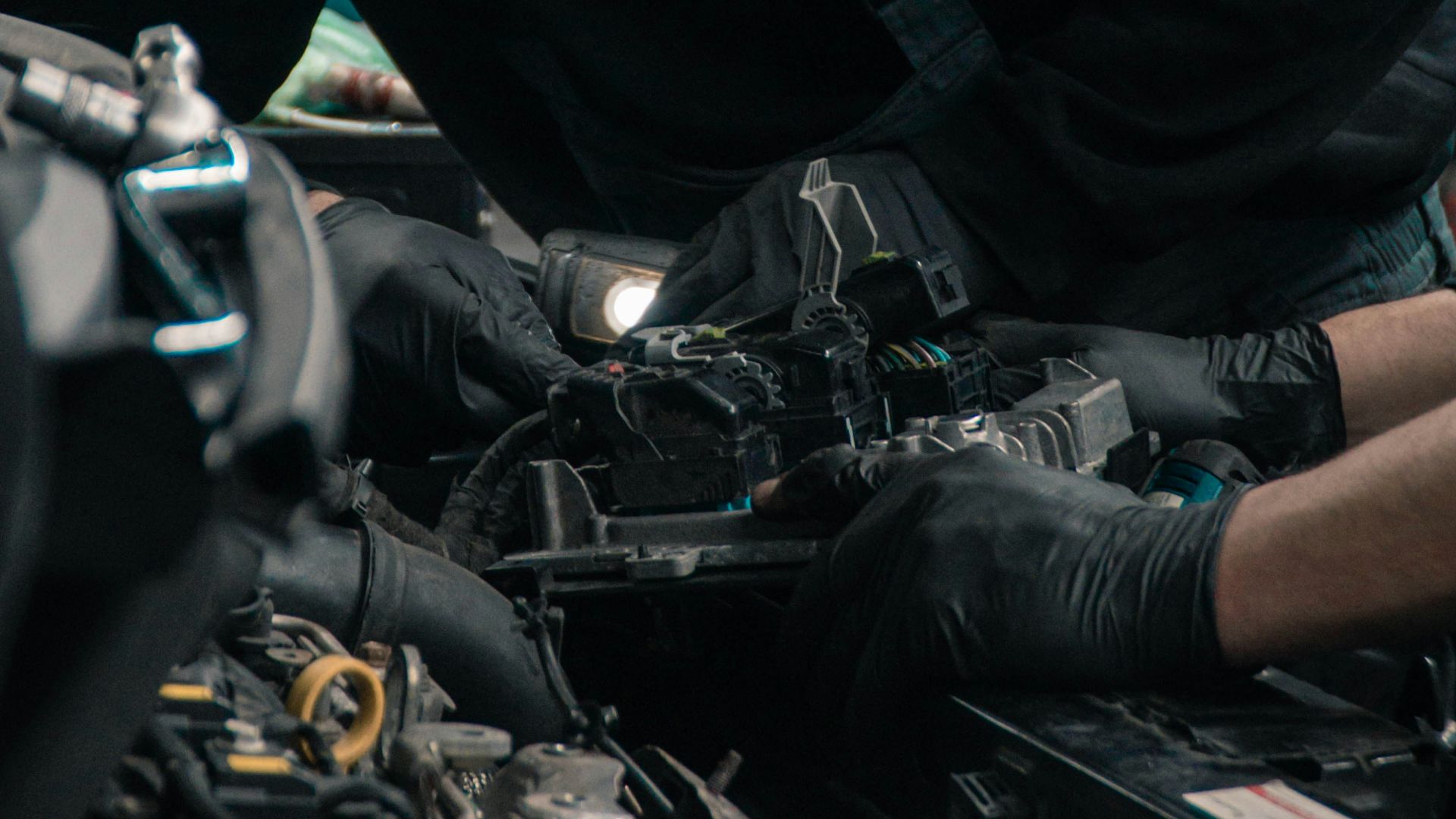
11. Repair Things Instead of Replacing Them
Whether it be clothing or that appliance that you bought years ago, there was always a chance that you would fix it instead of buying a new one. Whether they fixed it themselves or took it to someone who knew what they were doing, repairing things was a normal part of keeping a household running.
12. Write Letters by Hand
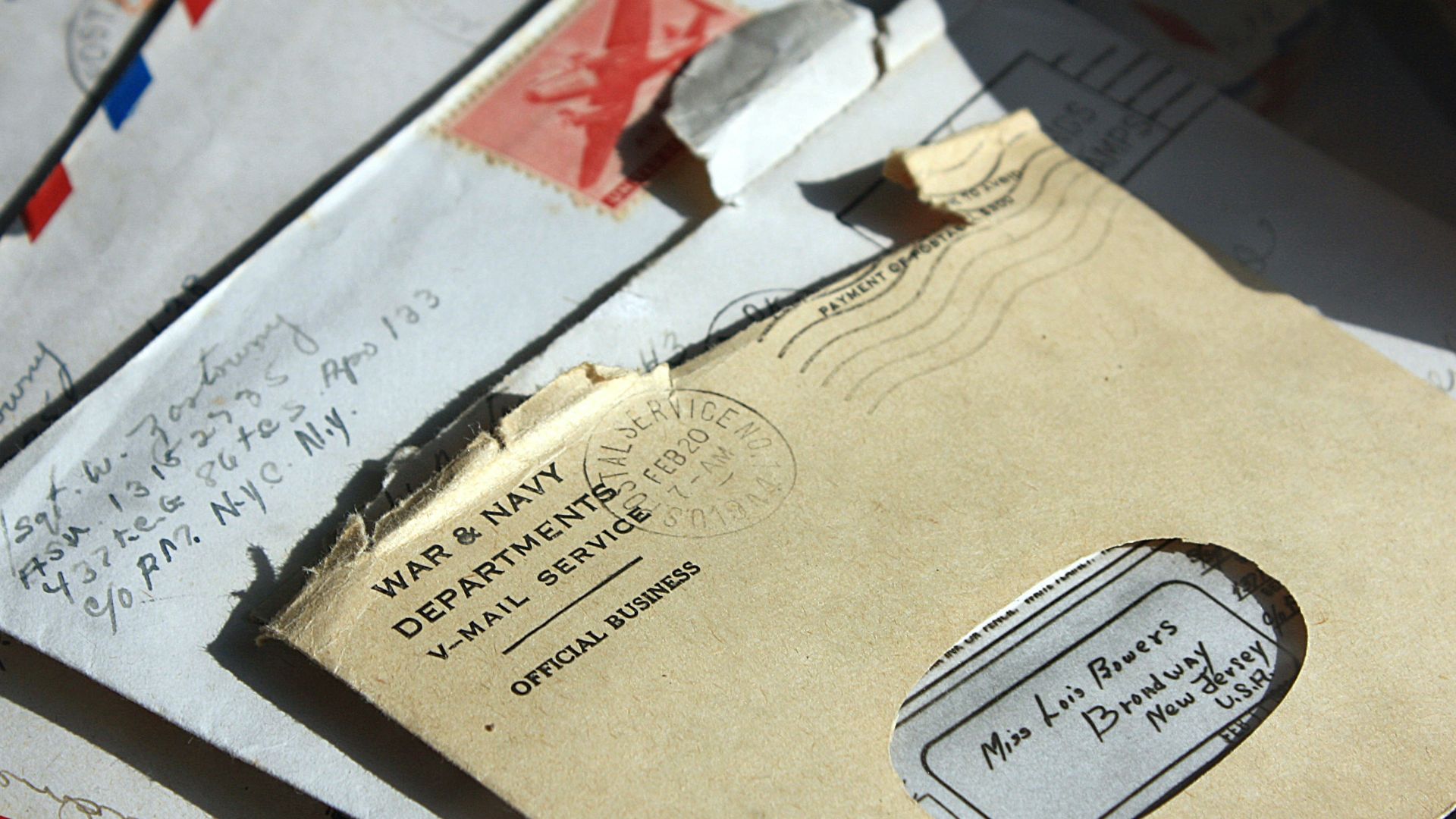
Sending letters to friends and family was another great way to communicate with them. You could write anything you wanted to, put it in the mail, and hopefully receive a response. Waiting several days for a response was completely normal because instant replies simply weren't an option.
13. Pay Bills by Mailing Checks
When you had a bill you owed, you could simply mail in your check. You had to make sure you paid your bills on time and kept track of your stamps, mail, and so on. Automatic payments and online banking have made the process much faster, but they've also removed one of those little monthly routines from everyday life.
14. Get Directions From Other People
If you were ever lost, you wouldn't just pull out your phone and ask Google Maps where to go. You would pull over and ask someone or maybe drive to a nearby gas station and ask. Directions could involve landmarks, street names, and memorable buildings, which meant you had to pay attention and remember what you were told.

15. Go Shopping Without Checking Reviews First
People didn't spend hours researching things they were going to buy. You would go to the store and check out what was offered. Today, it's common to read dozens of reviews and compare prices online before even leaving the house.

16. Spend Evenings Without Constant Notifications
You didn't have your phone constantly notifying you about something that night. You could sit and do what you wanted. You could read, watch television, play a board game, work on a hobby, or simply sit around and talk.

17. Keep a Household Encyclopedia
Many houses used to have encyclopedias on their shelf. Whether you wanted to look up someone who was influential or know more about a country, you could go to your set of encyclopedias and look that up.

18. Use a Physical Alarm Clock
You didn't have to rely on your phone to wake you up. Unless you used that as your alarm clock, there was a chance you had an alarm clock on your nightstand. Some people probably still use them, but the phone alarm has made the separate bedside clock much less necessary.

19. Play Games Without an Internet Connection
Not everything you do has to be done online. You can always play a game that doesn't require the internet or your best friend playing with you across the world. Whether it's card games or your favorite video game, you can still play without an internet connection.

20. Know the People Who Lived Nearby
People used to know who lived around them. Maybe you shared food with each other or helped them out if they were in need of something. Although we have become more advanced in technology, we don't know our neighbors like we did.