
Enjoy Them Before They’re Gone Forever
Technology has a funny way of making services that once seemed completely ordinary feel unnecessary almost overnight. Some businesses will adapt and survive, but others depend on habits that are already disappearing as automation, artificial intelligence, and digital alternatives become more common. Nobody knows exactly what the world will look like three decades from now, but these services have particularly strong reasons to expect a very different future.

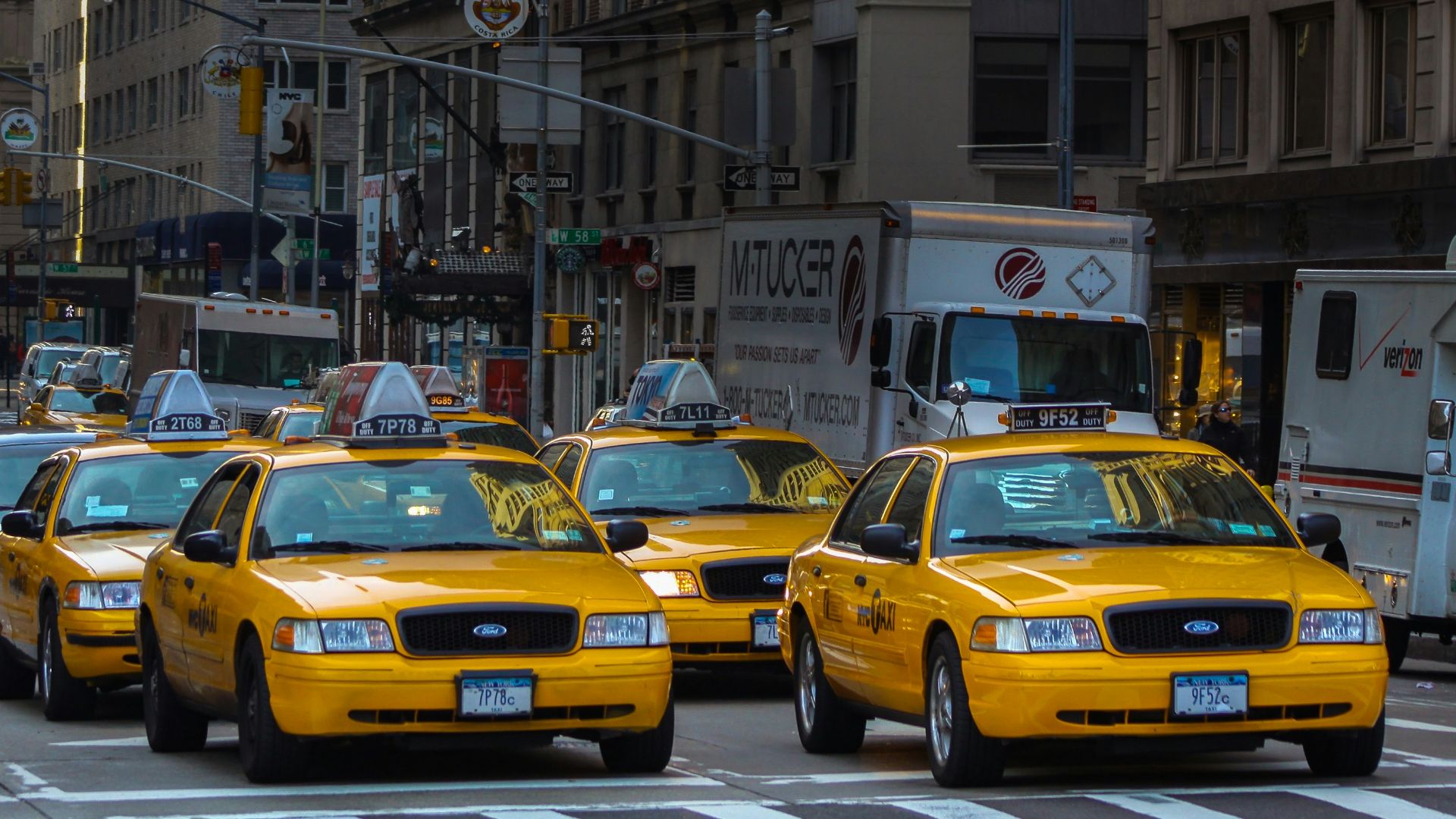
1. Traditional Taxi Dispatch Services
You call the taxi company, speak to a dispatcher, and wait for someone to show up. You can open an app these days, request a ride, track the driver’s location, and pay without speaking to a soul. Throw in self-driving cars, and there might not be any dispatchers to speak to.
2. Bank Teller Services
Bank branches aren’t going away overnight, but tellers are becoming obsolete each year. Deposit slips, smartphone apps, automated processing, and advanced ATMs now cover most banking trips. Future generations may wonder why you would ever wait in line to pay someone to move money for you.
 Ferran Fusalba Roselló on Unsplash
3. Travel Agent Services
Planning a vacation used to require sitting down with someone and letting them pull options for you. Now you can sit down at a computer or smartphone and find flights, hotels, rental cars, and activities in minutes. AI will eventually make planning personalized trips even easier, leaving traditional travel agents with few customers.

4. Check-Cashing Services
Cash isn’t going away completely, but the use of actual checks is declining. Deposits and instant transfers already negate the need to physically cash a paycheck at many businesses. Eliminate the use of checks entirely, and all those check-cashing businesses will go out of business.
5. DVD Rental Services
Redbox is already clinging to life by a thread as streaming continues to grow. The idea of driving somewhere to rent a movie will be foreign to future generations. Video stores may stick around for collectors, but renting physical media will be done largely online.

6. Traditional Photo Printing Services
Again, physical photos aren’t going away, but smartphone cameras have eliminated the need to print pictures for most people. You can take thousands of digital photos, share them instantly, and make albums without going to a shop. There will always be demand for printed photos, but one-stop photo shops are unlikely to survive.

7. Telephone Directory Services
Who even has a phonebook anymore? Online search and digital maps already give people access to contact information much faster. There’s no need to wait for a directory to print before your business can be found.

8. Cash-Only Vending Services
Vending machines aren’t going anywhere, but the ability to only accept cash is. Contactless cards, phones, and digital wallets already allow quick and convenient cashless payments. Expect future vending machine operators to treat accepting cash as a nice feature rather than a necessity.

9. Human-Powered Customer Support Lines
You’ll still need customer support eventually, but far fewer people will need to talk to a human being each year. Software can already reset passwords, answer billing questions, change appointments, and troubleshoot basic issues. Support bots will only get better, leaving companies to save live representatives for the most unusual issues.
 Berkeley Communications on Unsplash
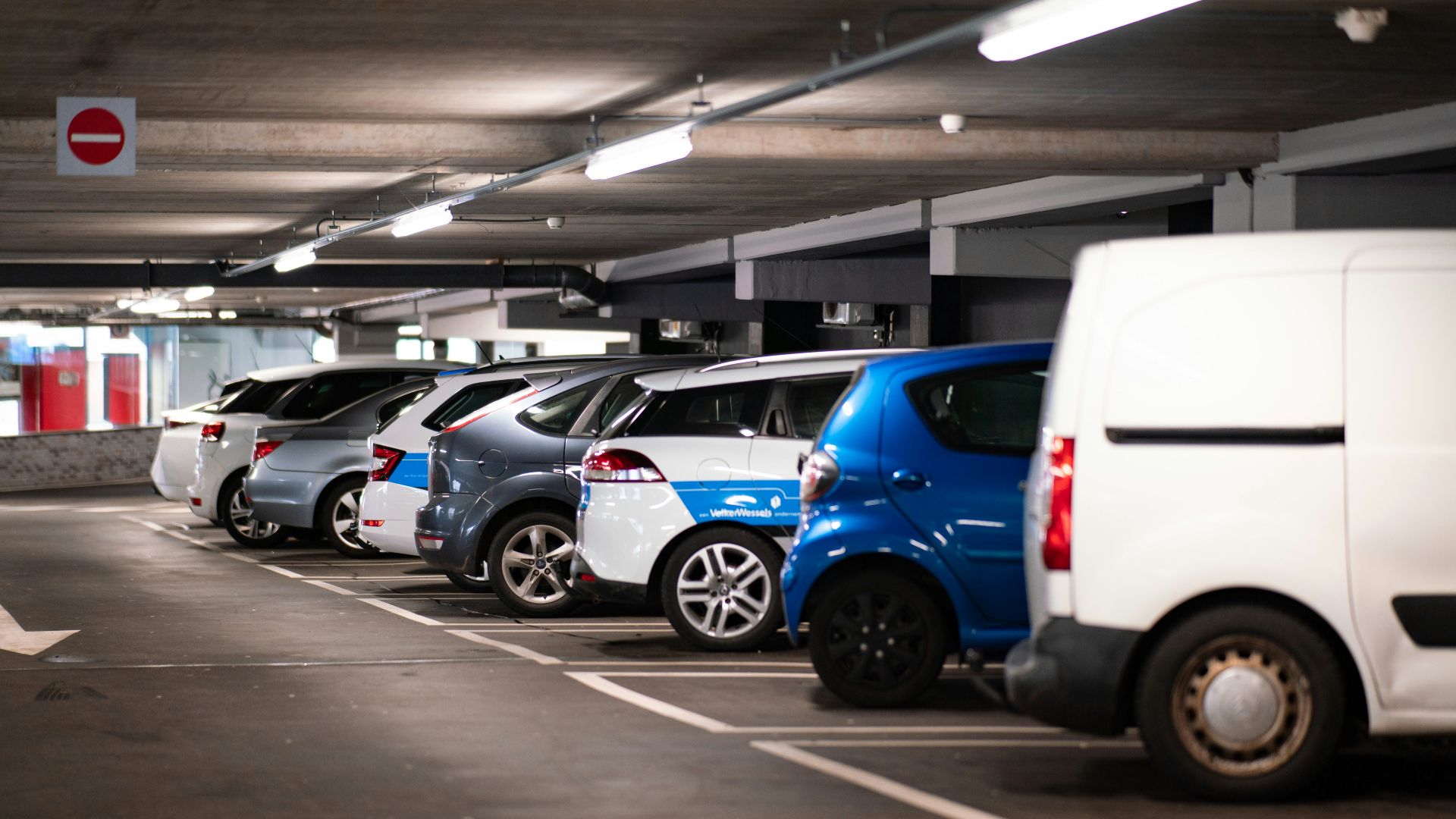
10. Traditional Parking Attendant Services
Full-service parking attendants will stick around for busy hotels, restaurants, and events, but automated garages are on the rise. Payment systems, license-plate recognition, and vehicle technology are steadily decreasing the need for parking attendants. Hand your keys to a stranger when you can park yourself.
11. Physical Newspaper Delivery
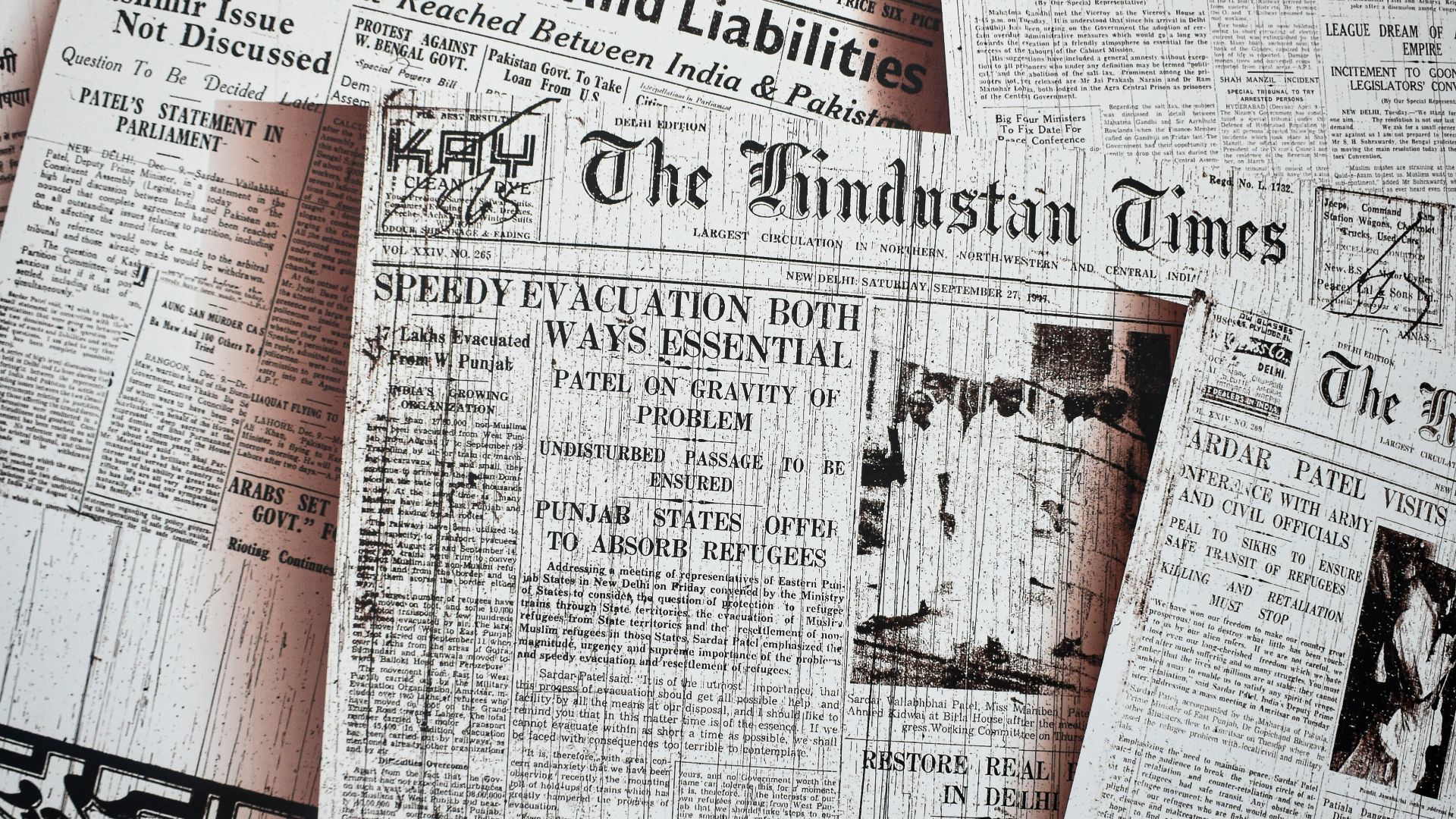
Print isn’t going away, but someone delivering your daily news is. Sure, you may order your local paper to be delivered each morning, but far fewer will be interested in paying for someone to drive around and leave newspapers on your doorstep.
12. Key-Cutting Services
Electronic locks are increasing in popularity, as are smart locks, access codes, and biometrics. Locksmiths won’t go away, but duplicating your house key could become a tiny fraction of their business. Wait until your car honks at you because your finger won’t fit on the fingerprint reader.

13. Manual Toll Collection
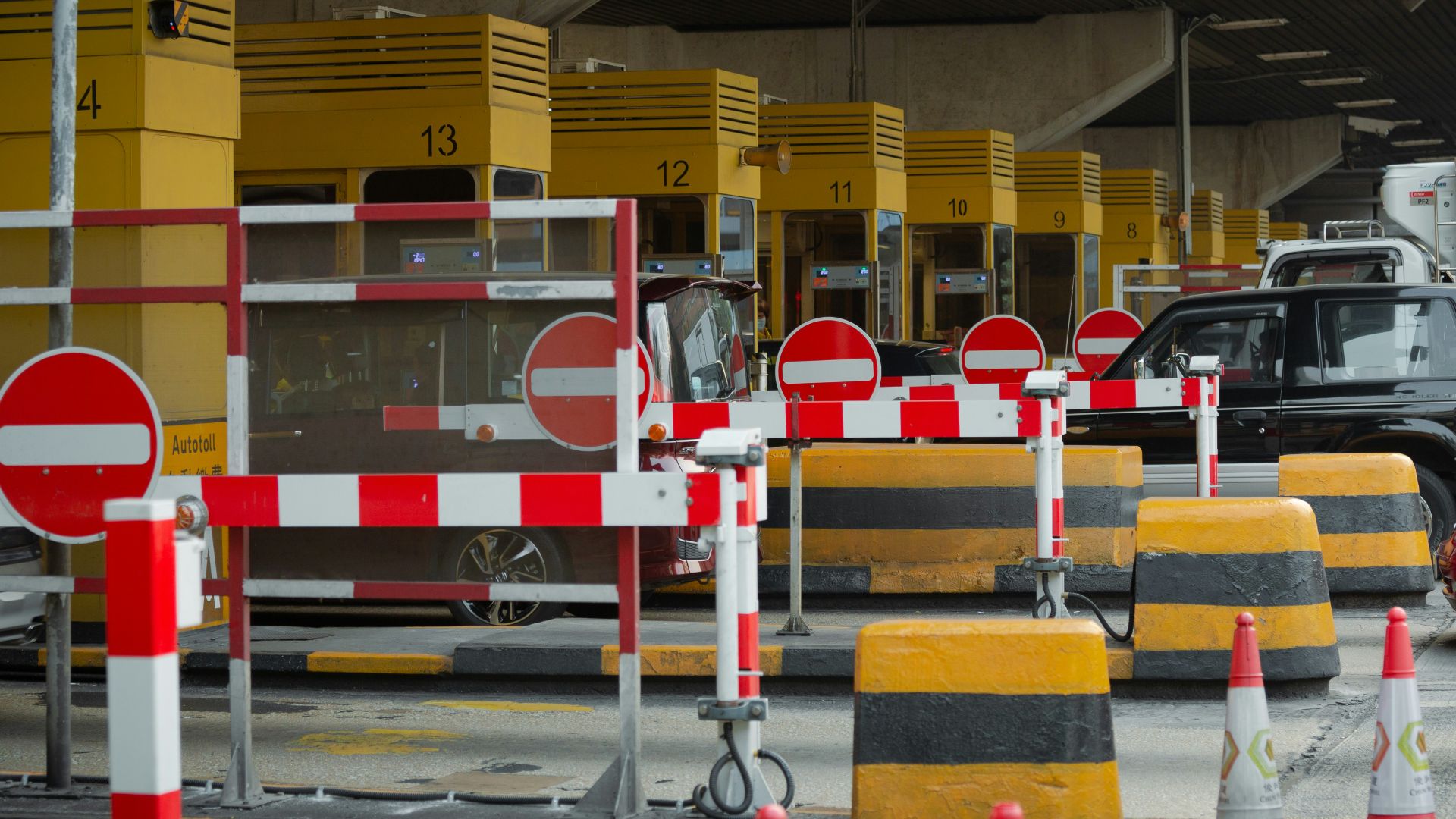
Paying your toll and pulling over to give an operator cash feels antiquated these days. States and toll road authorities have invested millions in electronic toll collection. After every road has gone digital, there won’t be a need for human operators.
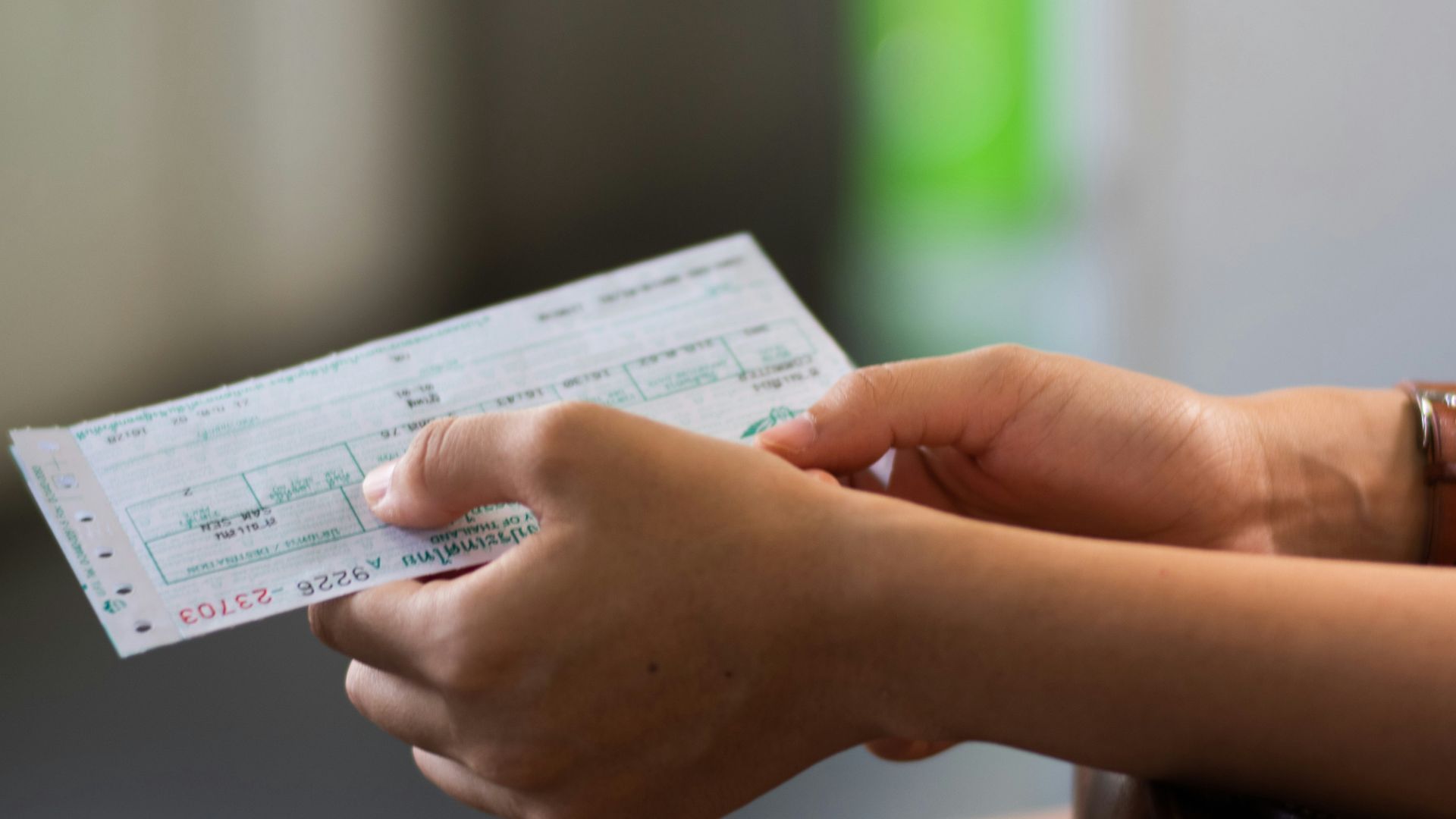
14. In-Person Ticket Booths
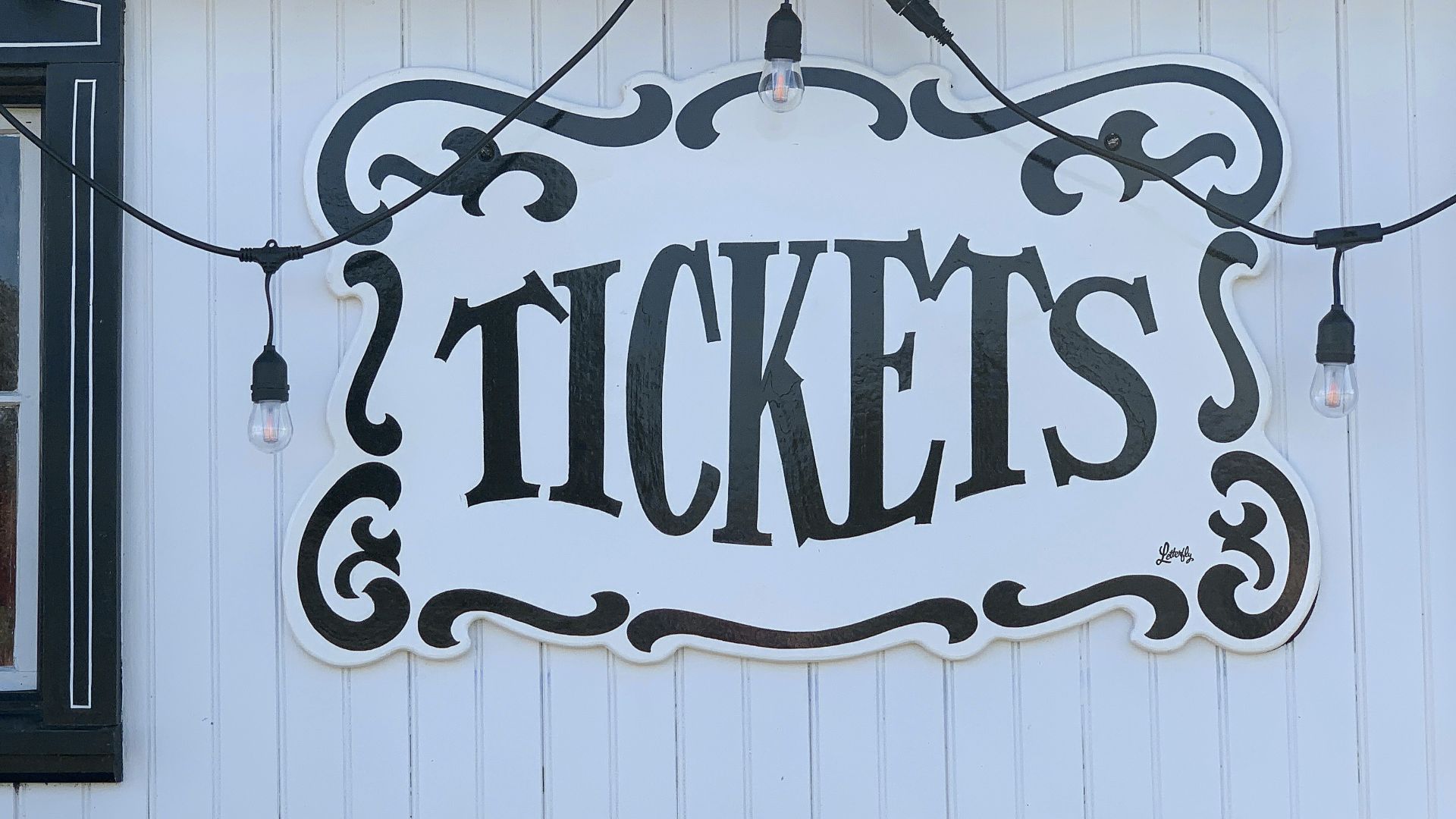
Ticketholders used to interact with employees to get their entry passes. Tickets are now predominantly digital for concerts, movies, sporting events, and even public transportation. There may always be a need for physical ticket booths, but selling tickets in person is going away.
15. Human Translators for Routine Documents
Translators won’t disappear because language is hard, some words don’t translate well, and culture plays a role in meaning. The truly mundane translations are already being processed by software quicker than any human can work. Human translators will spend more time on tasks that computers still struggle to reproduce.

16. Traditional Insurance Claims Processing
Filling out an insurance claim form means dealing with lots of documents, pictures, records, and usually repetitive decision-making. This makes insurance claims ideal for AI implementation and automation. Computers can already read and process documents/photos while flagging missing information for insurers.

17. Physical Mail Forwarding Services
Mail forwarding isn’t going away, but there will be less need as more bills, statements, invitations, and notices are distributed electronically. Eliminate paper bills/statements, and most people won’t receive mail that needs forwarding. Future generations who receive next to no physical mail may not see the need to pay for mail forwarding.

18. Human-Powered Information Hotlines
Remember when you used to call a number and speak to someone who could give you basic information? Nowadays, people Google it. Artificial intelligence and virtual assistants can even read out answers.

19. Traditional Car Rental Counter Services
Car rentals used to mean filling out paperwork, showing ID, getting keys, and talking to an employee. Self-check-in, mobile access, automated vehicle inspection, and driverless vehicles can remove most of this process. You’ll likely still rent cars in the future, but you won’t need to stop by a counter to pick up the keys.

20. Human Cashiers for Routine Purchases
Self-checkout is just phase one of stores removing cashier responsibility. Automated computer vision, smart carts, robot stores, and other technologies are making it so employees won’t have to work traditional checkout counters.