
Experience Still Counts
Picking up again in your 50s doesn’t mean throwing away everything you’ve accomplished. Years spent managing deadlines, dealing with difficult people, and keeping life organized can translate surprisingly well into a new profession. If you’re looking to switch careers, or wondering if there’s anything left in the job market, you still have plenty of places to go that won’t work you ragged!

1. Court Reporter
Court reporters create accurate written records of trials, hearings, and depositions—a great place for any detail-oriented person with serious typing skills. Entering the field normally requires specialized training in stenography or digital reporting, but it doesn’t require spending years in law school. Someone who listens carefully and respects confidentiality may find the work well suited to them.
 Christian Wasserfallen on Pexels
2. Pharmacy Technician
Pharmacy technicians do all kinds of things to help their community. They prepare prescriptions, manage inventory, process insurance information, and assist customers. Training requirements will almost always differ by state, although certificate programs can often be completed without pursuing a long and expensive degree.

3. Museum Visitor Services Associate
Museums need friendly, dependable employees to welcome guests, answer questions, and monitor spaces. It’s a lot more fun than it sounds, and it’s especially cool for a history enthusiast or an art lover. These positions also offer social contact without sticking you behind a desk.

4. Patient Advocate
Medical systems can be confusing, and it’s even harder to make heads or tails for older adults. Patient advocates help clients prepare questions for appointments and communicate with healthcare providers. If you already have years of nursing or insurance experience under your belt, you may already have a useful foundation.
 National Cancer Institute on Unsplash
5. Corporate Trainer
After years in the workforce, you probably know how to explain tasks. You likely know exactly how to spot common mistakes and help nervous beginners settle in, too. Well, corporate trainers do exactly that! You could easily lead onboarding sessions or teach new software to any fresh-faced intern.

6. Property Manager
Property management is a strong option for someone who can communicate clearly and keep accurate records. Of course, you’ll also need to show vacant units, collect rent, and arrange maintenance, but once you nab those licensing requirements, you can help people live in a good home.

7. Legal Assistant
You don’t have to become a lawyer to build a second career in a legal office—all you really need is an eye for detail and a respect for confidentiality. Assistants prepare documents, manage calendars, and communicate with clients who may be stressed or confused. An administration certificate can open doors at plenty of practices, too.

8. Hearing Aid Specialist
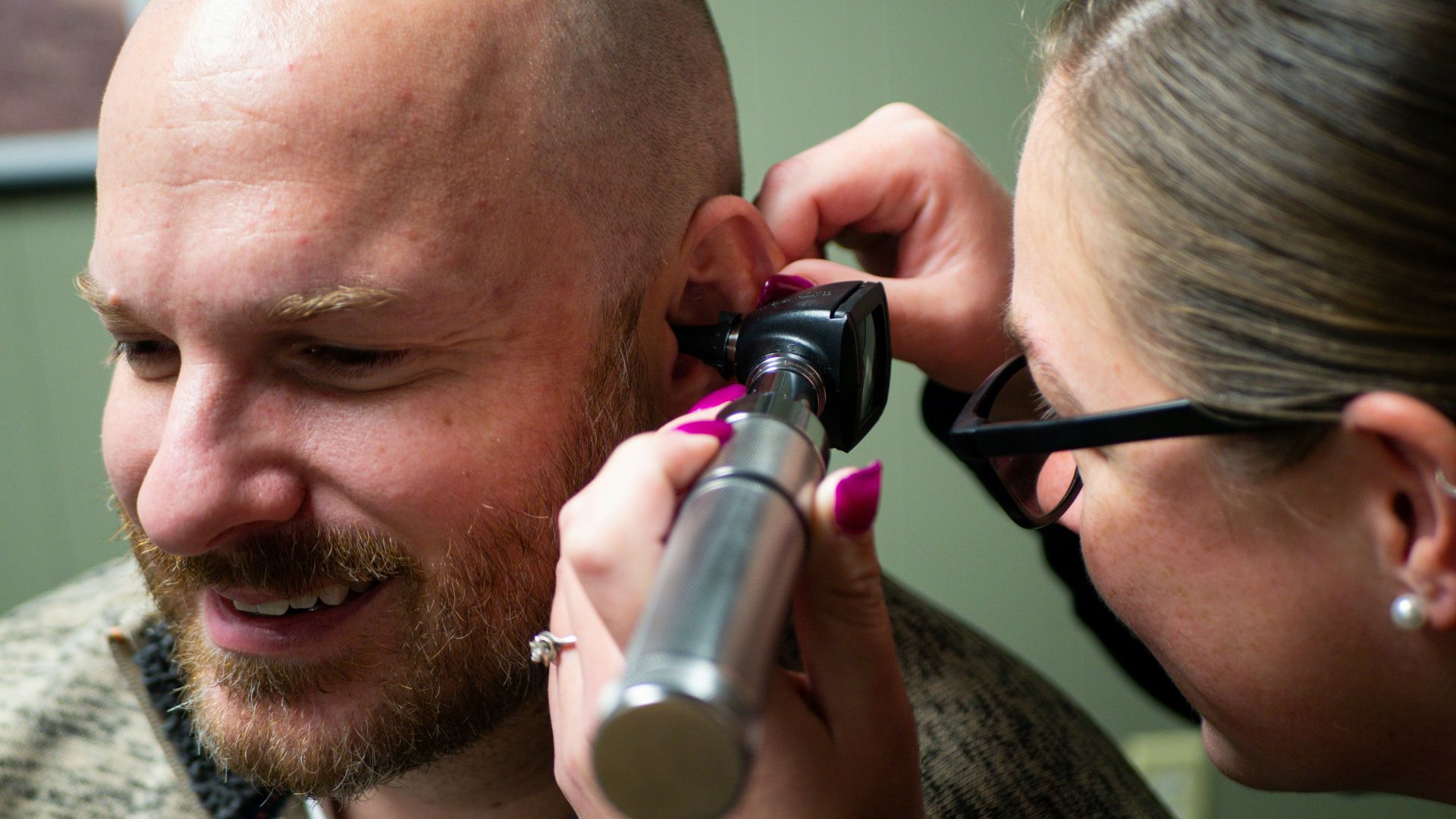
If you want to help people as they transition into a new phase of life, hearing aid specialists help with that. Their whole job is to test hearing, fit hearing devices, explain their features, and make adjustments when clients experience problems. Licensing rules vary, but many candidates train through approved courses rather than a traditional program.
9. Veterinary Receptionist
An animal clinic’s front desk needs someone who can organize appointments while remaining calm around worried owners and unpredictable pets. This one isn’t for everyone, especially because it can take a mental toll, but previous experience in customer service or pet care can make the adjustment easier.

10. Library Assistant
So, you’re looking for a little peace and quiet. No worries—library assistants spend a good chunk of their days checking materials in and out, helping visitors locate resources, and supporting community events. Modern libraries also need staff who can show patrons how to perform basic technological tasks.
 Alexei Maridashvili on Unsplash
11. Apartment Leasing Consultant
Leasing consultants may sound fancy, but it’s nothing necessarily something that requires thousands of dollars or years of schooling. They show available apartments, prepare applications, and explain property policies. Unlike real estate agents, they commonly work for one apartment community and usually get a regular wage rather than relying on commissions.

12. Sterile Processing Technician
Hospitals have all kinds of jobs within their walls, including sterile processing technicians who clean, inspect, assemble, and prepare instruments for safe reuse. You’ll need close attention to procedures, though, and certificates may improve your prospects.

14. Corporate Relocation Coordinator
Relocation coordinators help employees and their families manage the details of moving for a new job. Depending on the employer, you’ll do everything from arranging temporary housing, scheduling movers, explaining reimbursements, or even providing information about schools. This is a great path if you’ve already worked in human resources or executive assistance.

15. Medical Equipment Coordinator
Medical equipment coordinators might sound like a processing tech, but they’re actually quite different! Equipment coordinators arrange the delivery and maintenance of things like wheelchairs, oxygen equipment, and hospital beds. This career often suits someone who wants to support patients without any clinical procedures.

16. Employee Benefits Administrator
Insurance is hard enough to understand, but a benefits administrator helps workers enroll in workplace benefits. Much of the job involves breaking down jargon in forms, tracking deadlines, and updating records. People with experience in payroll or insurance may find that their existing knowledge transfers pretty well.

17. Credentialing Specialist
If you didn’t know, healthcare organizations actually use these specialists to verify that professionals hold valid licenses. Your day-to-day usually consists of contacting schools, tracking expiration dates, and preparing files. It might not be the most glamorous, but it’s a sensible option for detail-oriented career changers.

18. Accessibility Services Coordinator
Accessibility coordinators help organizations ensure that customers, students, employees, or event guests can fully use their services. What your day looks like sort of depends on where you work! For example, at a college, you might arrange testing accommodations, while a conference venue may need help organizing interpreters or mobility support. Experience in education or human resources is always a plus here.
 Wright Building Center on Unsplash
20. Bereavement Services Administrator
When you get devastating news, certain institutions like hospitals and community organizations have administrators to support families after a death. You’re normally responsible for sending resource information, coordinating support, and answering questions about available services. Mature professionals who communicate gently and handle sensitive information responsibly are especially valuable in such a tough role.