They Don’t Know What They’re Missing
Kids today still deal with homework, group projects, awkward gym classes, and teachers who somehow notice when someone isn’t paying attention. However, a lot of the everyday technology and routines that older generations remember have disappeared or become rare. From overhead projectors to handwritten research papers, these are 20 school experiences that many of today’s students will probably never fully understand.
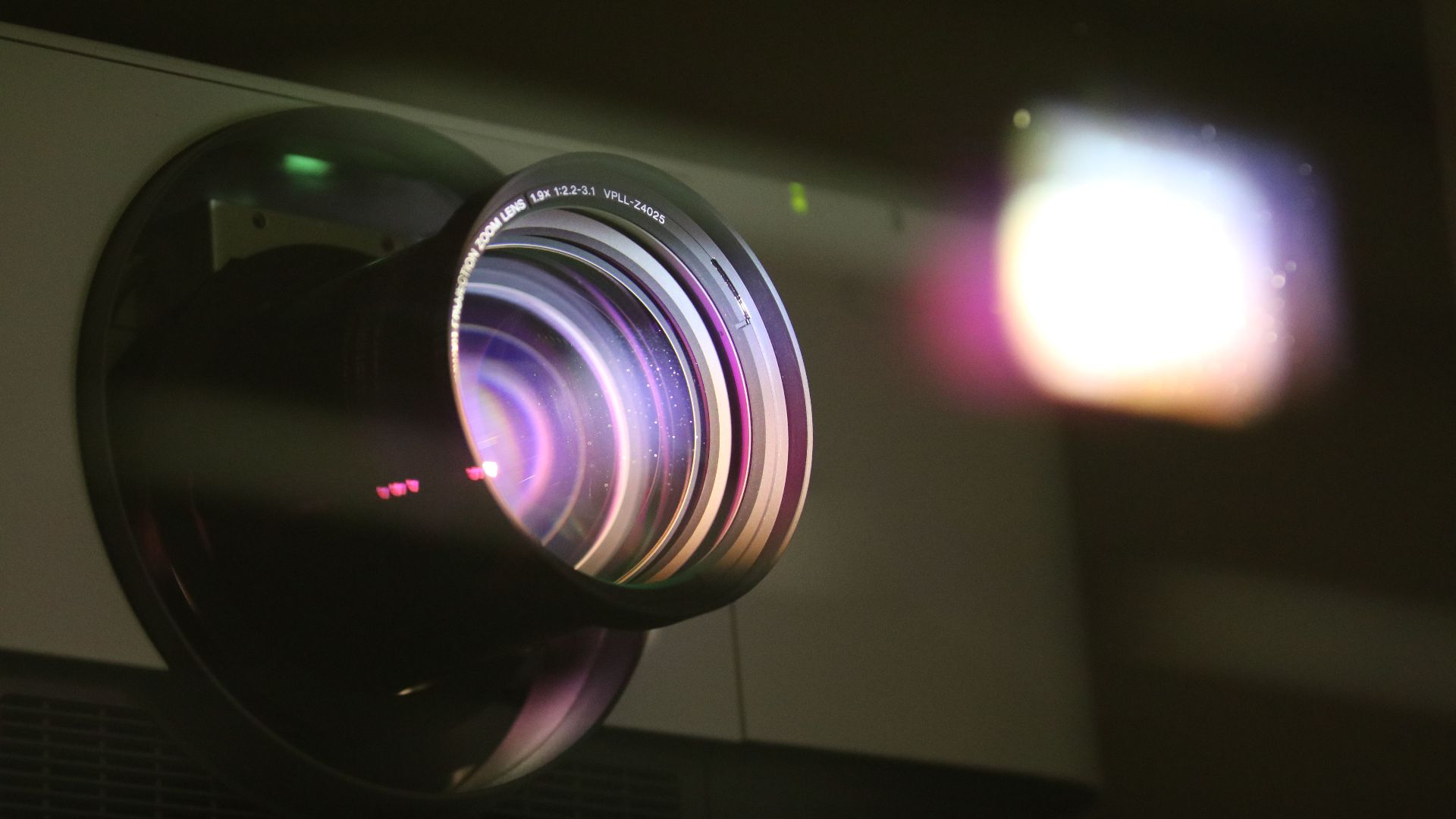
1. Overhead Projectors
Teachers used to hold classes in front of overhead projectors that displayed clear sheets of information on a screen. Everyone watched as the lights turned off and the teacher wrote on plastic with a marker. Best of all, maybe you got to crank it back into another classroom.
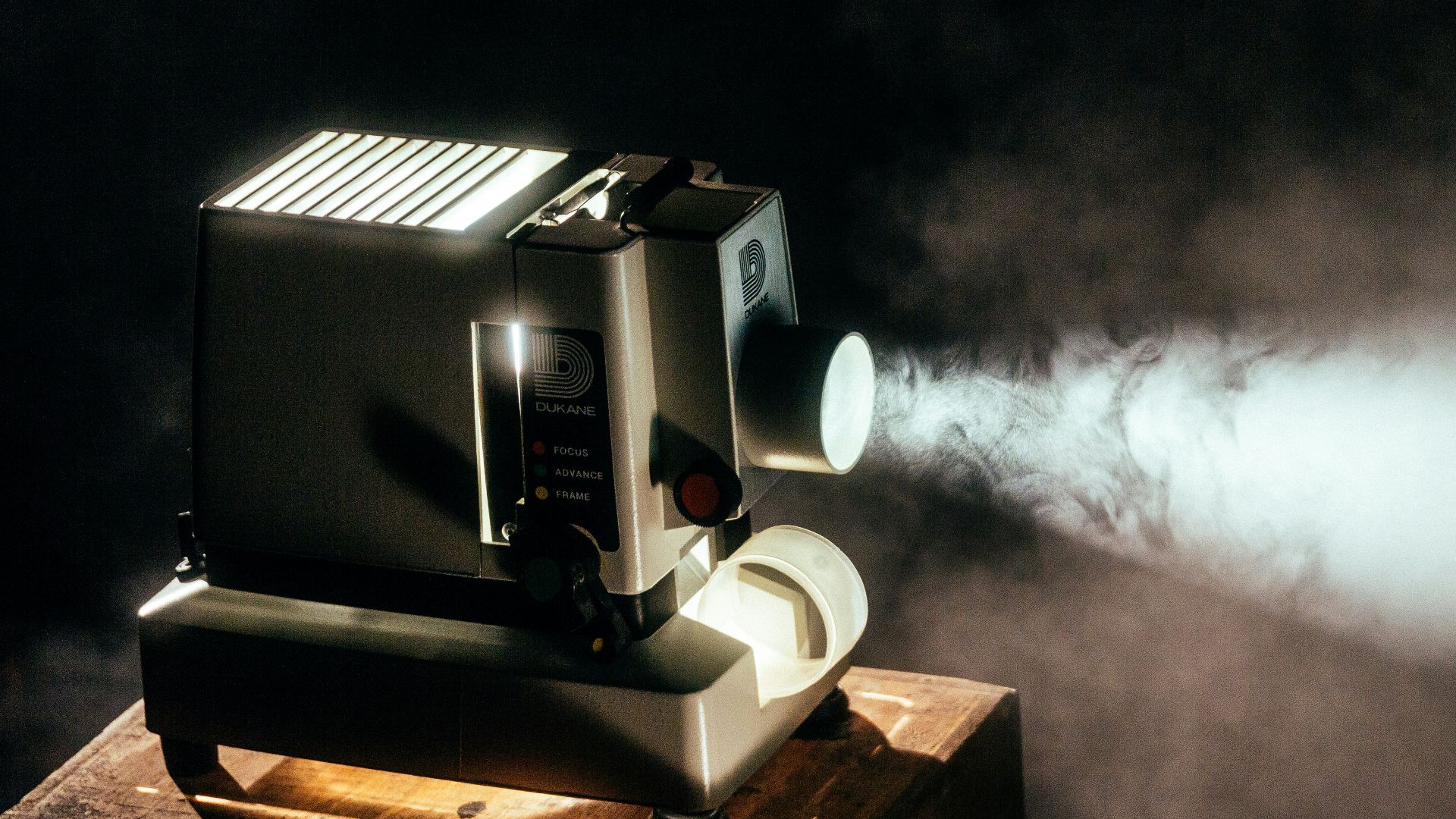
2. Filmstrip Projectors
When a teacher announced the class would be watching a filmstrip, you knew it was going to be a good day of schoolwork. Lessons came with a projector, screen, and sometimes an audio cassette that told the teacher when to flip to the next slide. Streaming didn’t sound quite as exciting back then, but no one was complaining.

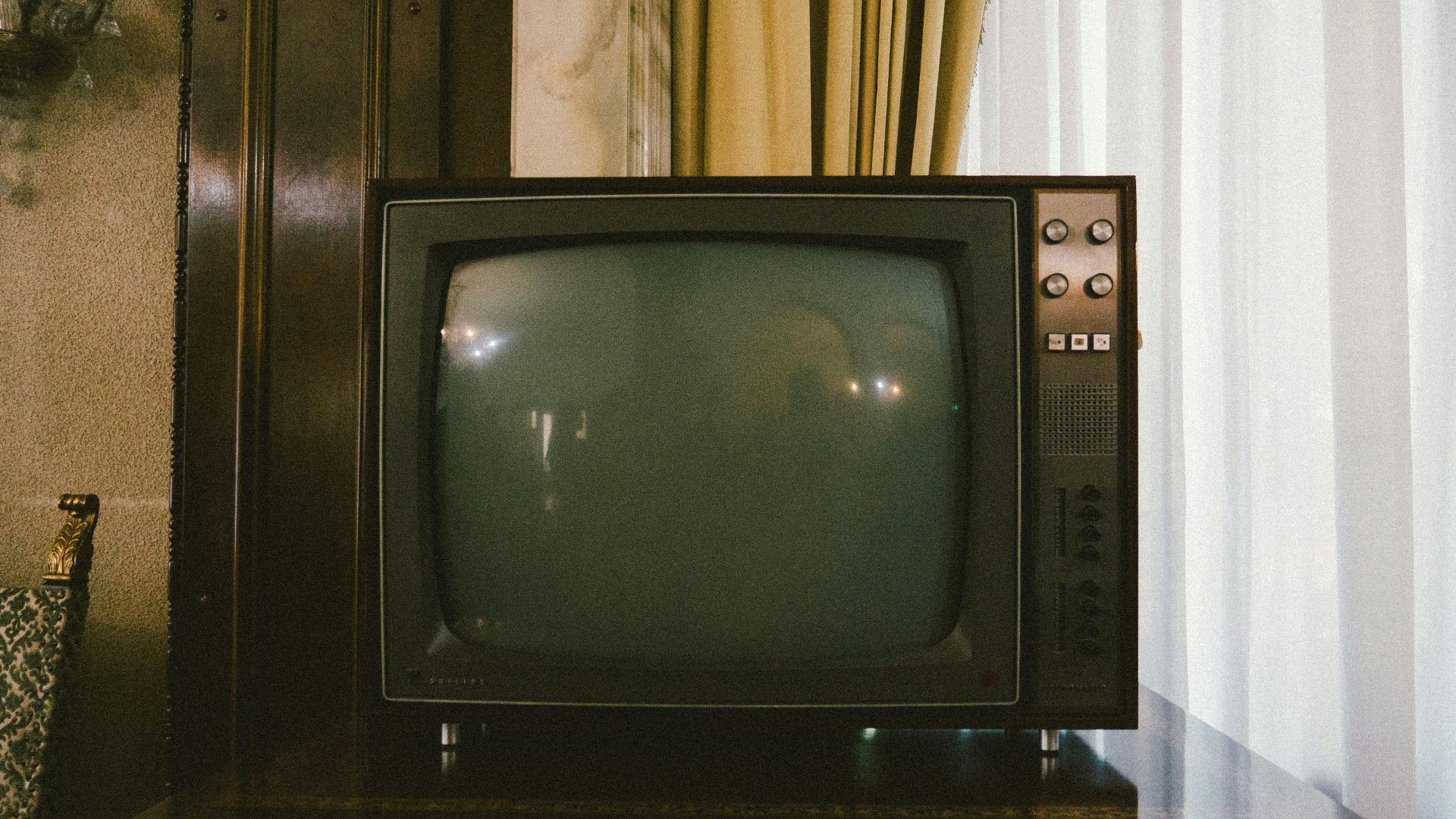
3. Rolling in the TV Cart
There was no better class announcement than hearing the teacher wheel a large television into the room. It was nearly guaranteed they had a movie or learning program to show, so everyone got an enthusiastic break from learning. The TV usually took minutes to connect, too, and someone always had to adjust the antenna.
4. Searching Card Catalogs
Long before Internet databases made research easy, students searched through library card catalogs. Every book available had its information written on a small paper card. Trying to find the right category could be tedious.
5. Writing Research Papers Without the Internet
Research used to mean heading to the library to dig through encyclopedias, books, newspapers, and any other resources you could find. If your school didn’t have a copy of what you needed, well, then you were out of luck. Having to wait for someone to return a reference book would be cruel punishment these days.
6. Using a Trapper Keeper
Kids these days will never understand how special a Trapper Keeper was to some students. They held papers, notes, and assignments along with forgotten crumbs from past lunches. The sound you made opening and closing yours was as unique as its color pattern.
7. Getting Your Schedule Printed on Paper
Students used to get excited about the paper they received on the first day of school. It listed every class and room number, which meant you couldn’t lose it under any circumstances. Someone might actually laugh at you if you suggested going online to retrieve a lost schedule.
8. Using a Chalkboard
Teachers don’t make chalk dust skies on blackboards very often anymore. They wrote lessons, diagrams, and the occasional message that sprinkled everything with white dust. Plus, someone had to take the chalk erasers outside and clap them together. Serious responsibility.
9. Making Copies With a Mimeograph
Mimeograph machines were the ancient ancestor to photocopiers. Teachers used them to print worksheets for class, and the fresh copies smelled incredible. You didn’t need someone to explain why the teacher told you to stop sniffing your pages.
10. Calling a Classmate’s House Phone
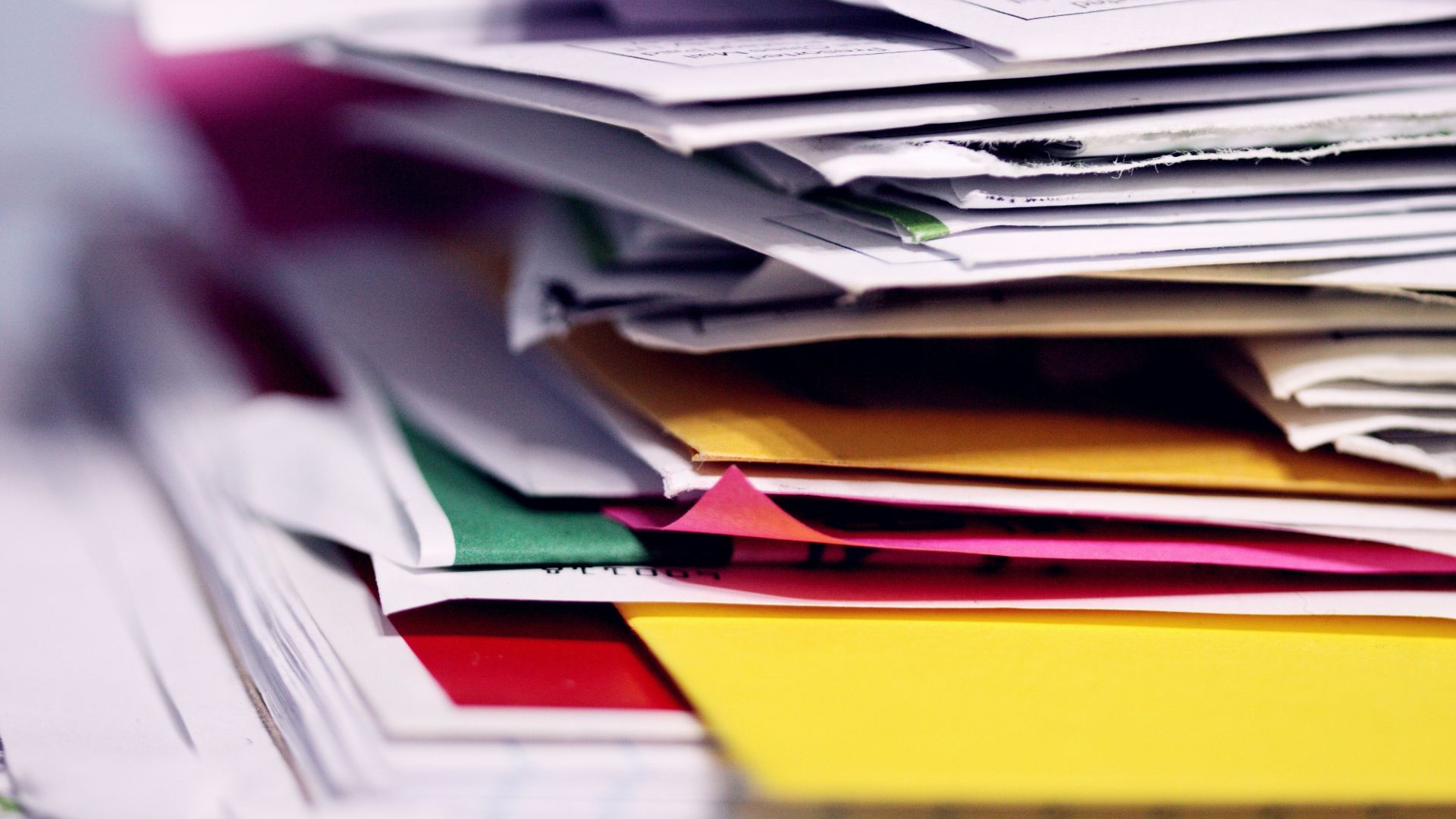
Home phones weren’t just for parents to answer; they were sometimes how you connected with classmates about homework questions. That meant a parent or sibling might answer, and you had to politely ask if your friend was available. There was no sending a quick message and hoping they replied five seconds later.
11. Watching Educational Movies on VHS
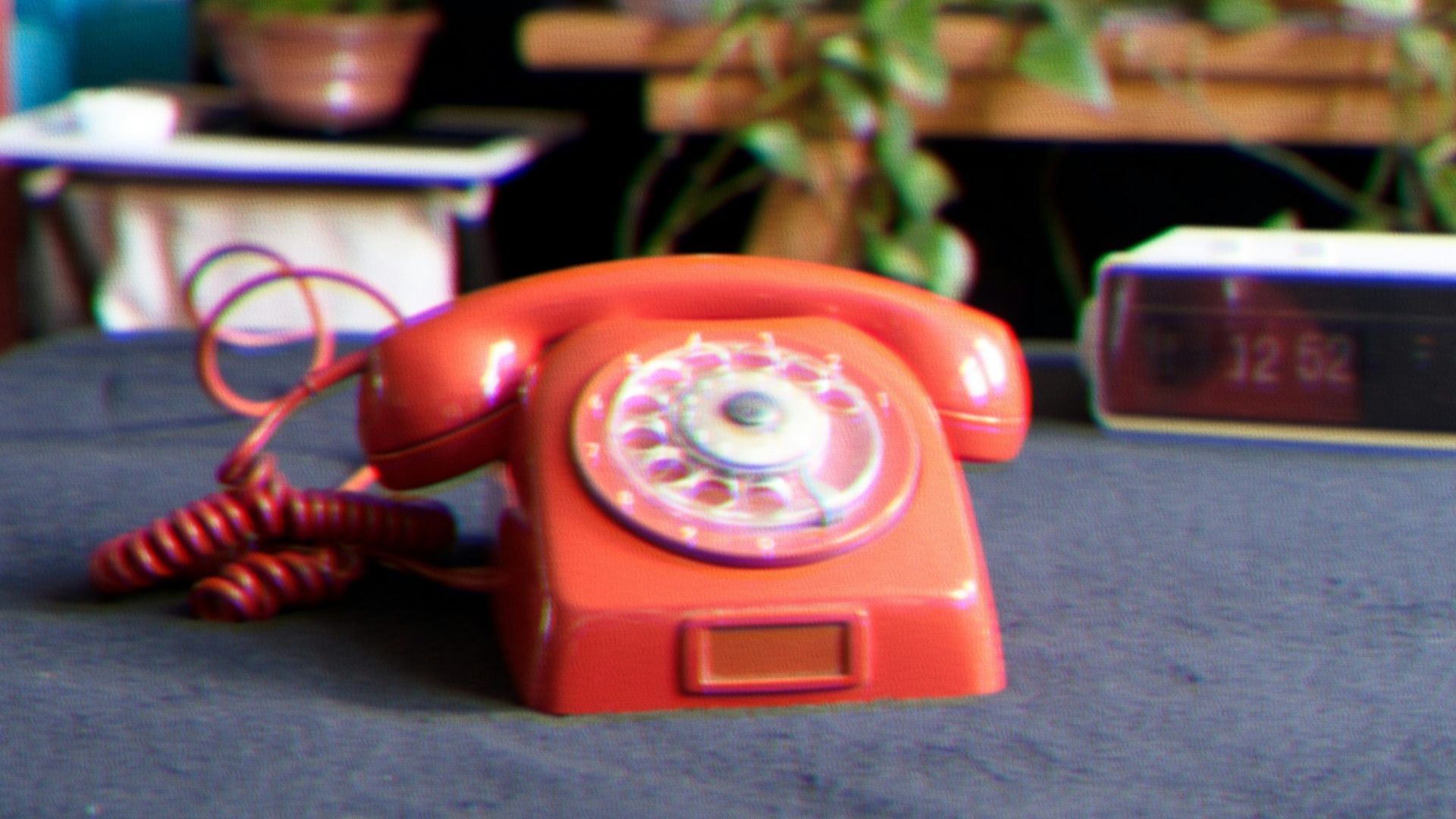
Teachers used to rely on VHS tapes for documentaries, science programs, and movie adaptations of books. Sometimes the tape would need rewinding before class could begin, which required everyone to wait. If the player ate the tape, the educational portion of the day suddenly became very dramatic.
12. Typing Papers in the Computer Lab
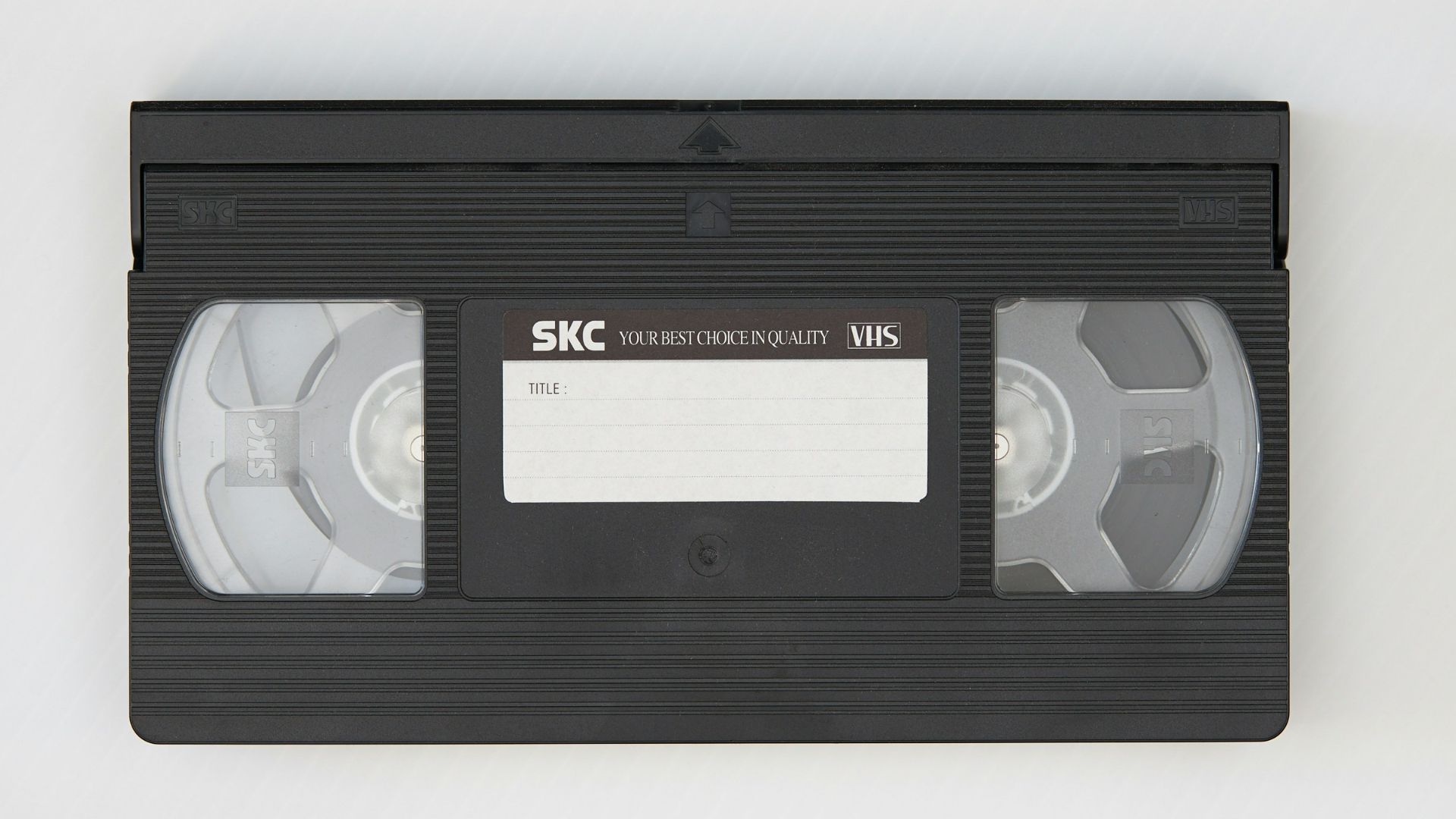
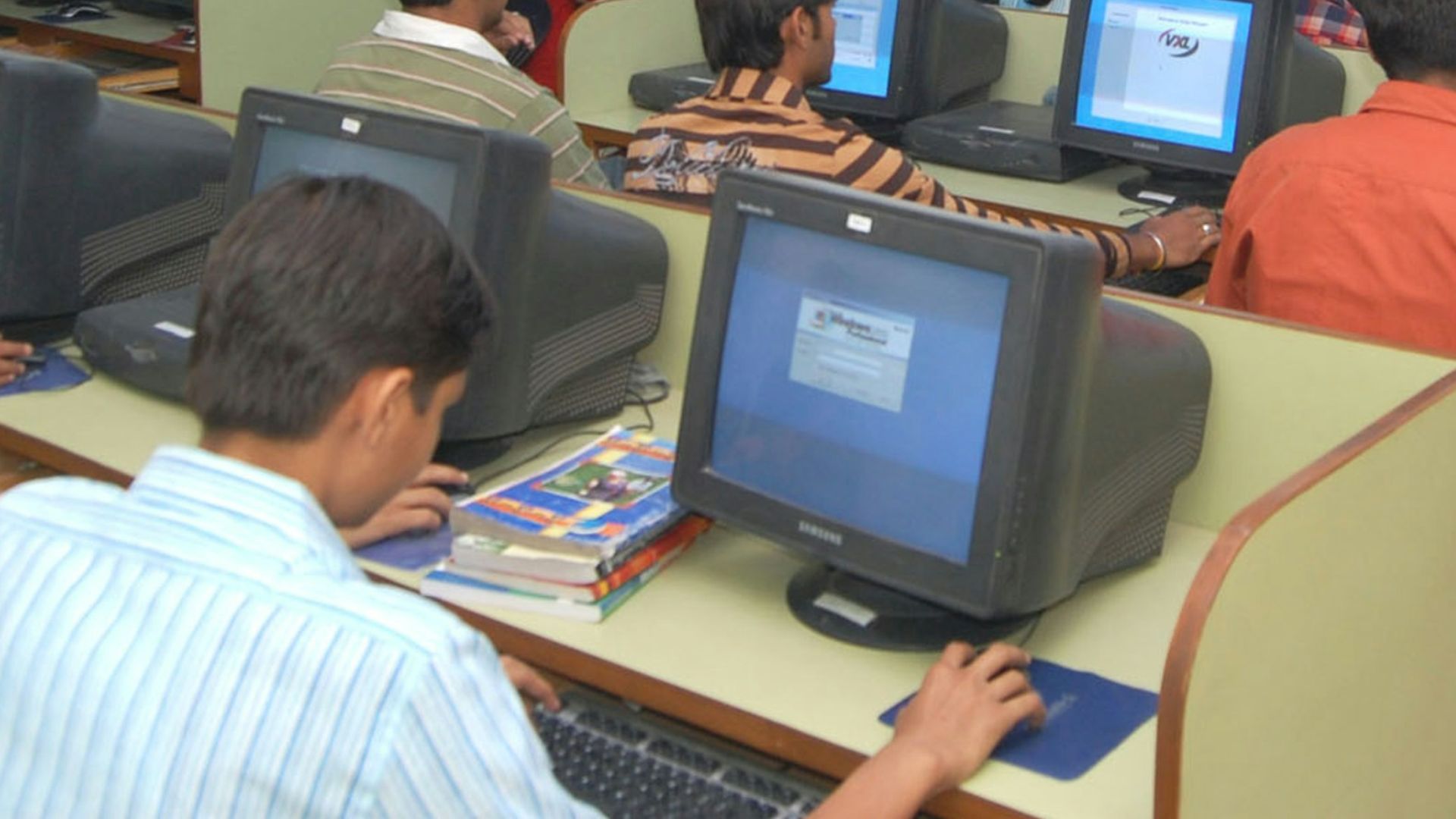
Not every school could afford actual computer labs, but when they did, students felt special. You may have needed to reserve a time slot to use Word or complete an educational lesson. Teachers made you freak out and save your documents because disks were always failing.
 sunrise University on Unsplash
13. Learning With CD-ROM Programs
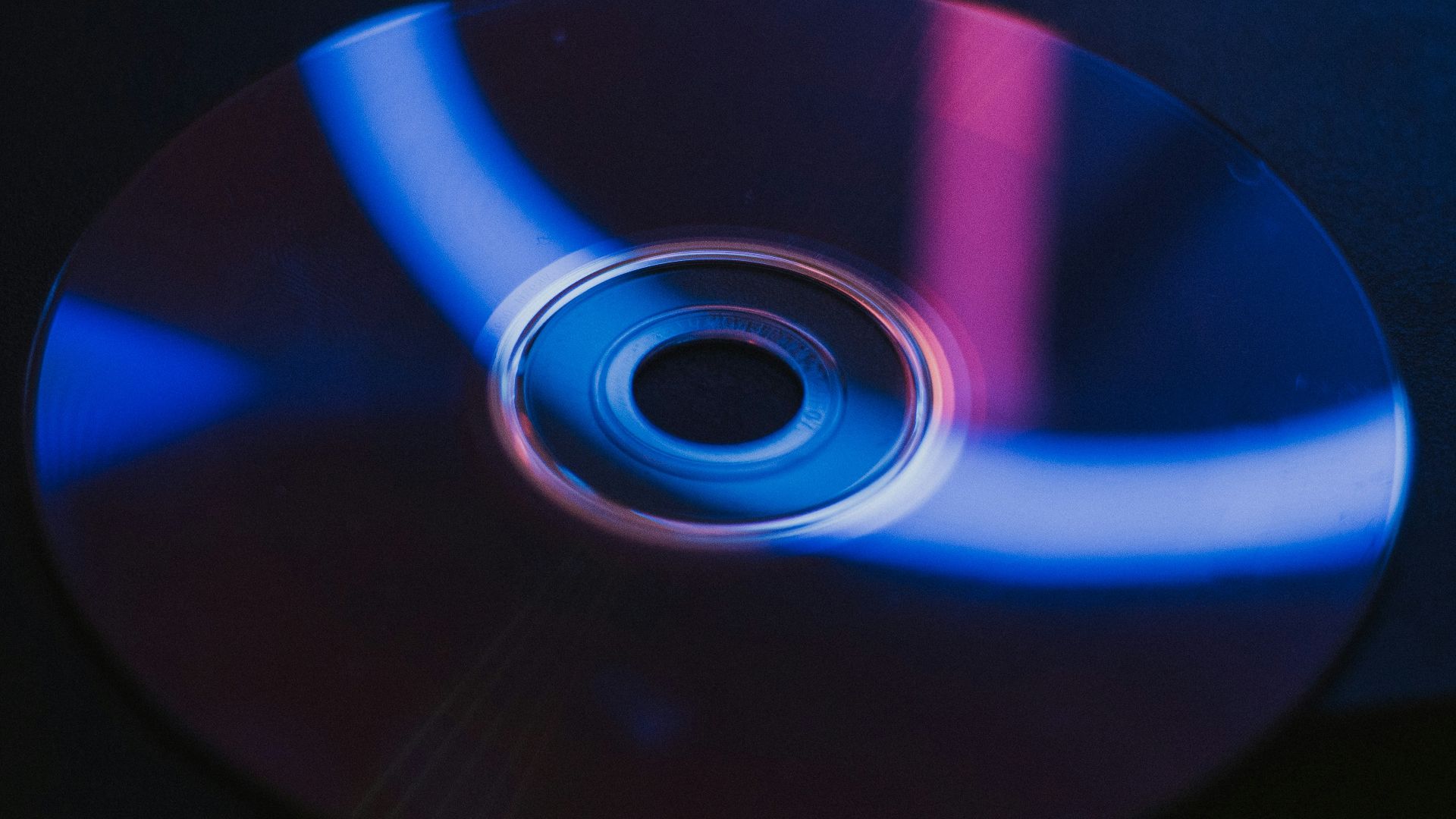
Websites weren’t always there to teach students about space, history, and how word processing worked. You’d insert a CD-ROM into the computer and hope it ran on their old machines. Educational programs included games, encyclopedias, and lessons for improving your typing skills.
14. Passing Notes by Hand
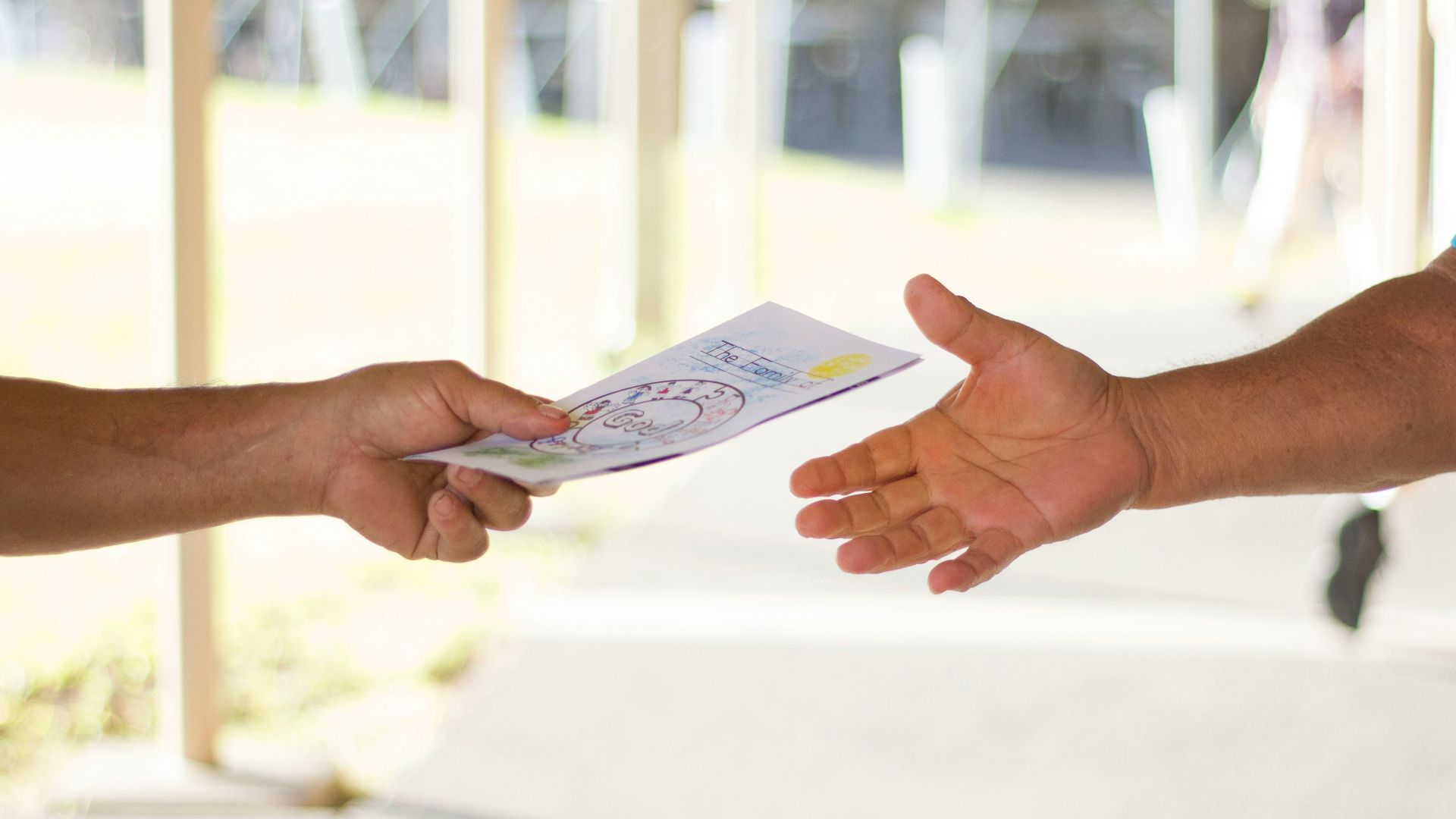
Texting has never been this difficult. Students would pass folded notes into perfect shapes all around the classroom. Someone had to hand them to you without the teacher noticing, which meant the risk of interception was always high.
15. Using an Encyclopedia Set
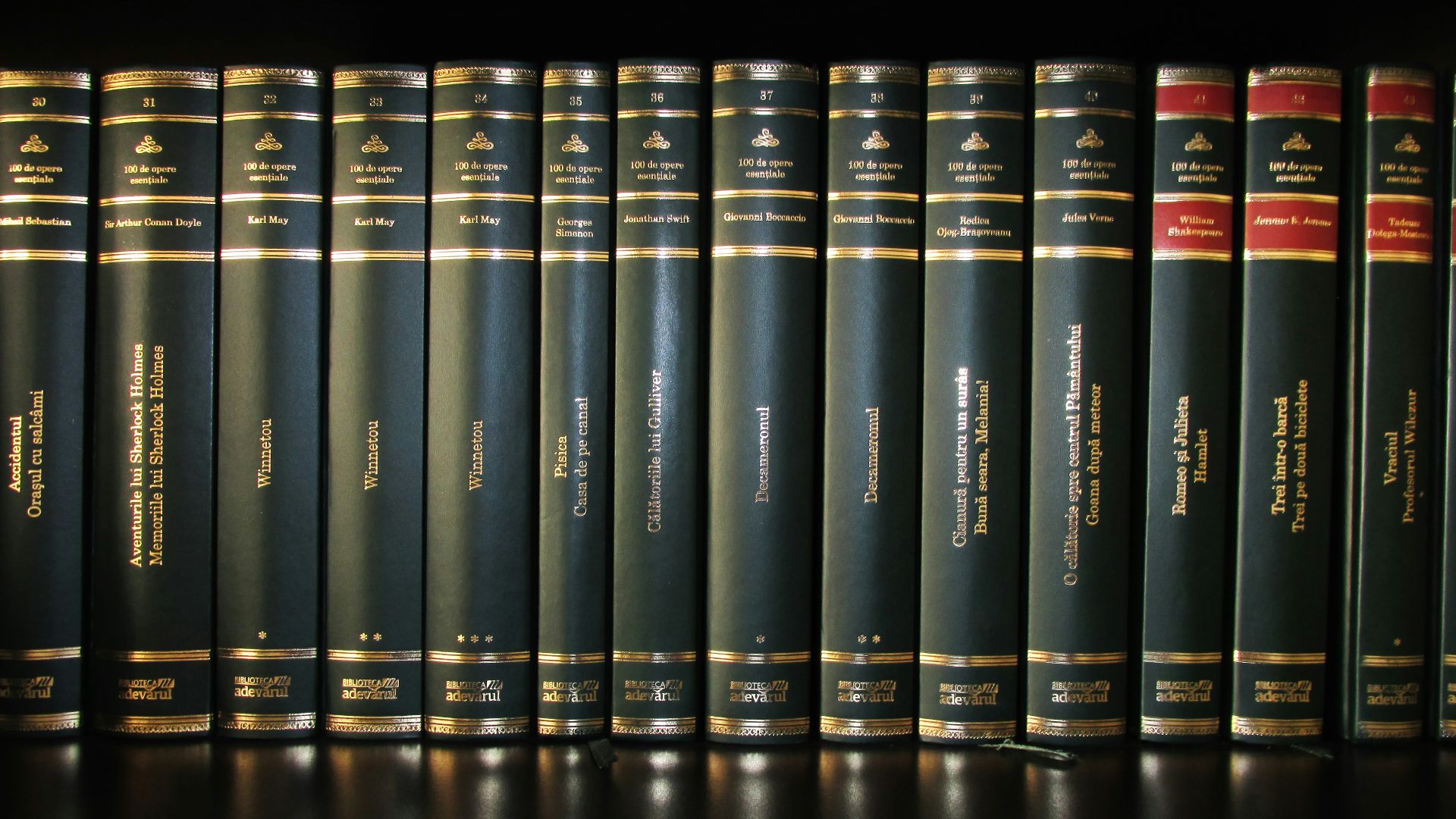
Every household had a large book set they swore would eventually fill up all available bookshelf space. Students used these to complete homework, research, and pretend they knew more than they did. Waiting for information to update was the problem.
 Marian Florinel Condruz on Unsplash
16. Getting Punished by the Copy Machine
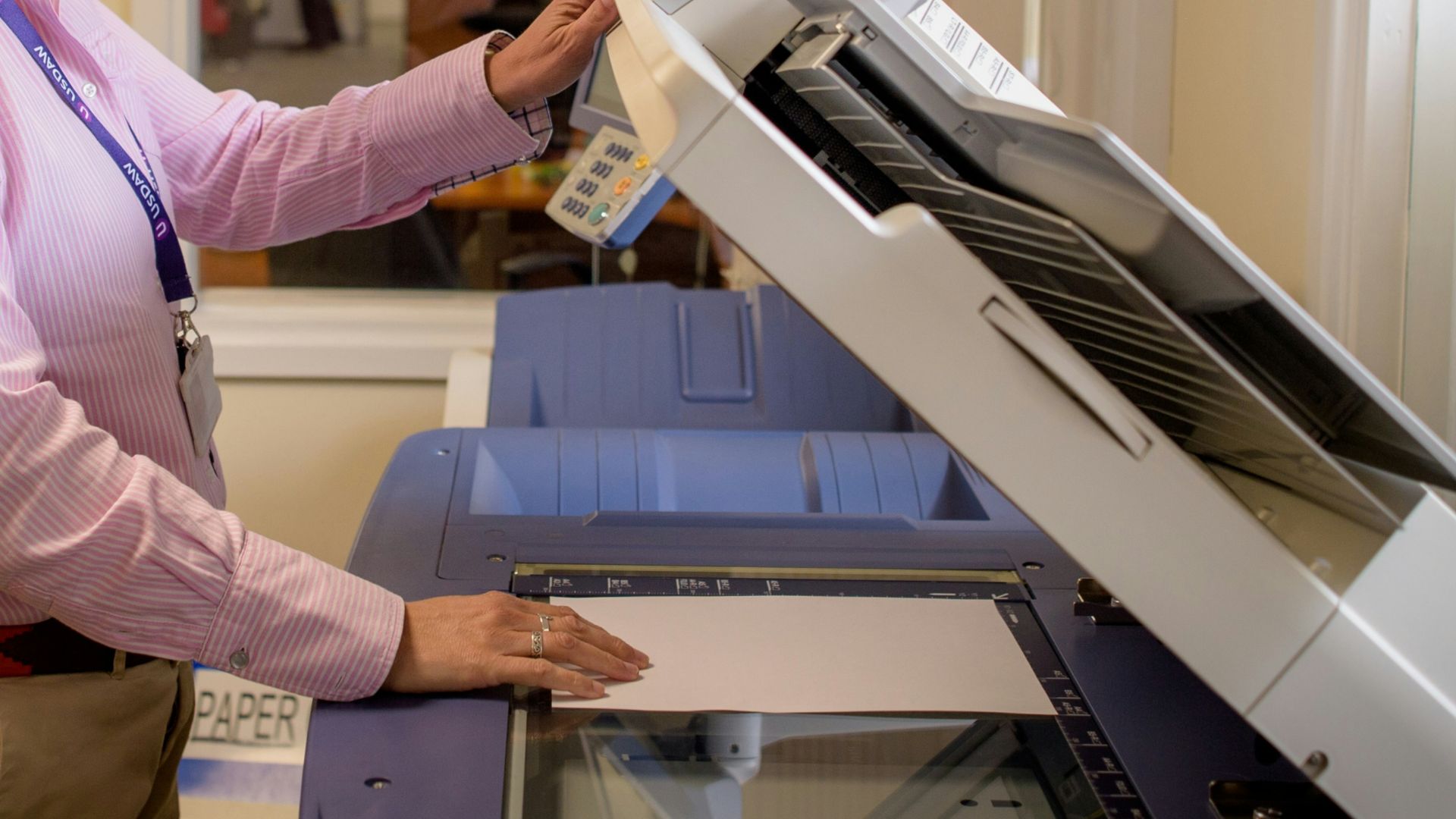
Teachers could ruin your day by sending you to the copy room to copy a sentence. Timesheets were dependent on your punishment, but usually required you to fill up three or more pieces of paper. Learning how fast your hands would tire out was exercise enough.
 Centre for Ageing Better on Unsplash
17. Finding Out About School Closings on TV
Kids used to wake up and watch television or listen to the radio whenever it snowed. You got to hear dozens of school district names before finding yours, which made it exciting. Too much excitement if the announcer skipped right over you.
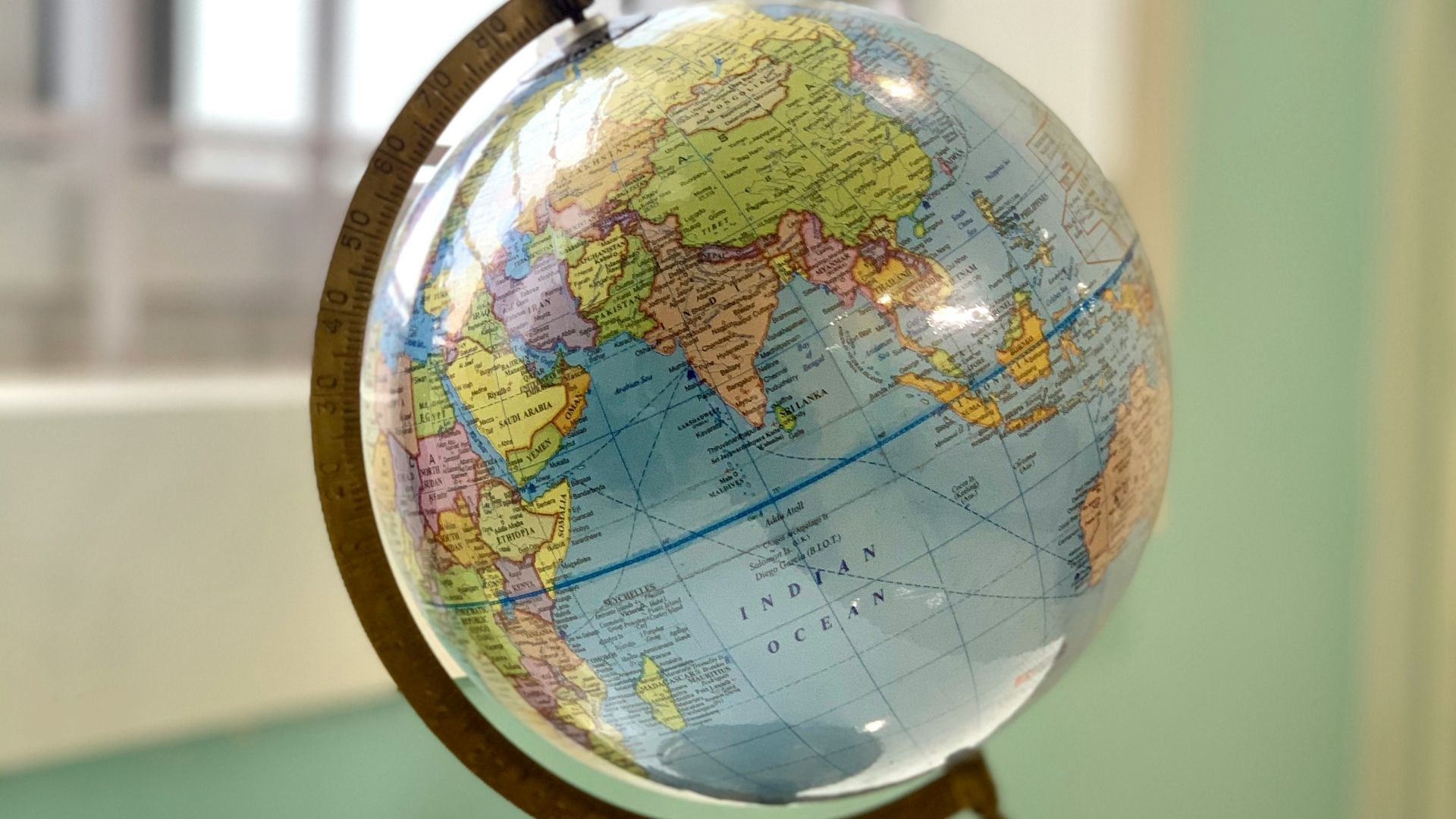
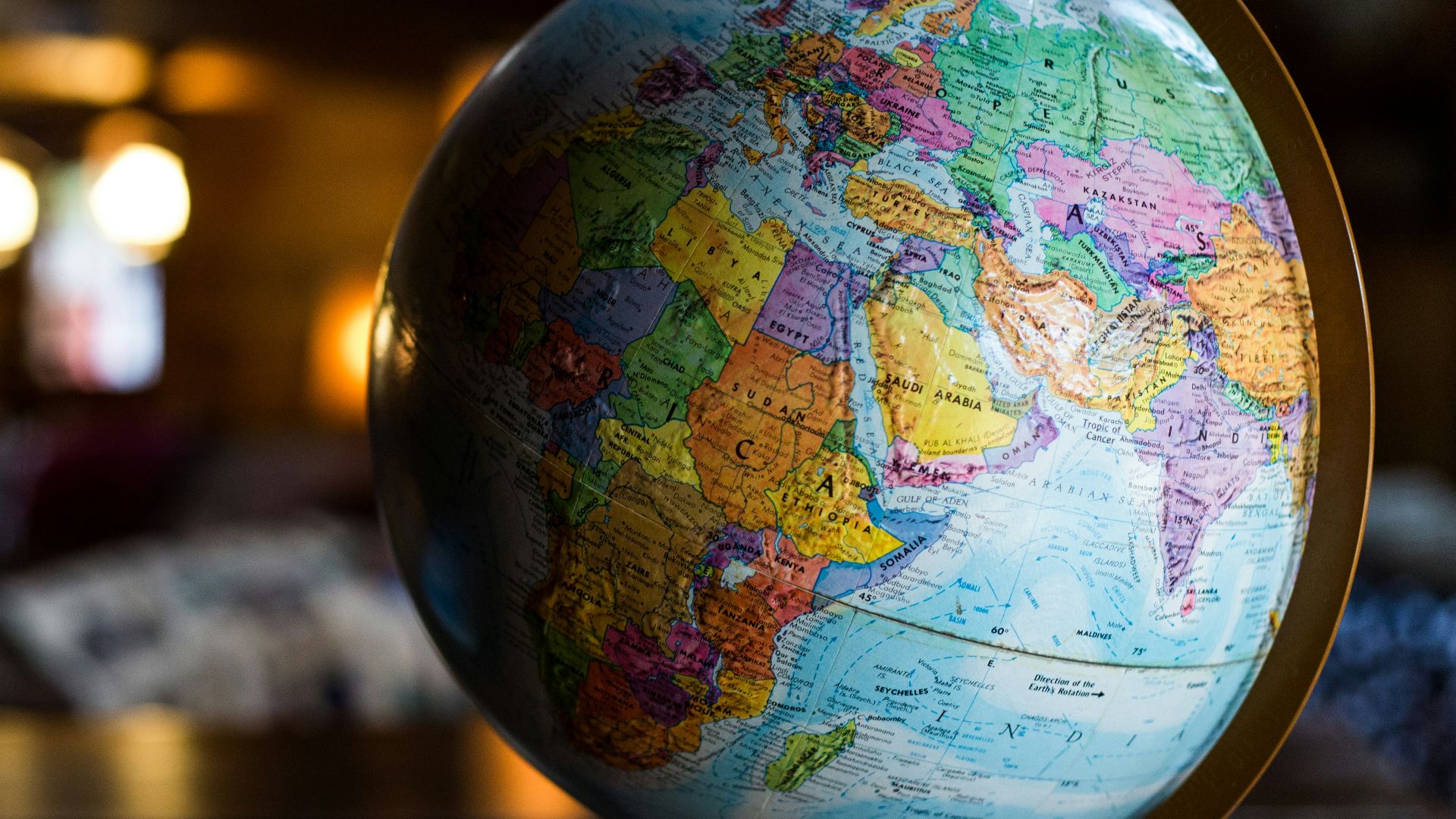
18. Using a Physical Globe
Globes used to be actual spinning spheres with countries and oceans you could study. Eventually, they became outdated but were too difficult to replace. Students today can explore 3D maps of Earth without launching them into another student’s desk.
19. Waiting for Film to Be Developed
School photographers and photography classes used to use cameras that relied on film. This meant waiting eagerly to find out if pictures developed correctly. There was no deleting the blurry ones, which made every photograph feel like a small gamble.
20. Making a Cover Page With Clip Art
If you were making a project on the computer, everyone knew you’d have to spend ages picking the perfect clip art image. Weird drawing compositions of animals and objects were available to describe every topic. History reports about ancient Rome could feature a caveman holding a scroll.