
Muscle Memory From a Dead Industry
Renting a movie used to be a whole ritual, complete with unspoken rules nobody had to explain. If you grew up before streaming, the store itself shaped how an entire generation chose what to watch, and how much trouble you could get into for keeping a video for too long. Most of those habits disappeared when the stores did, though a few still linger in people who haven't set foot in one since the Bush administration. At its peak, Blockbuster had around 9,000 locations worldwide. Today, just one remains, in Bend, Oregon. Here are 20 things it trained people to do.

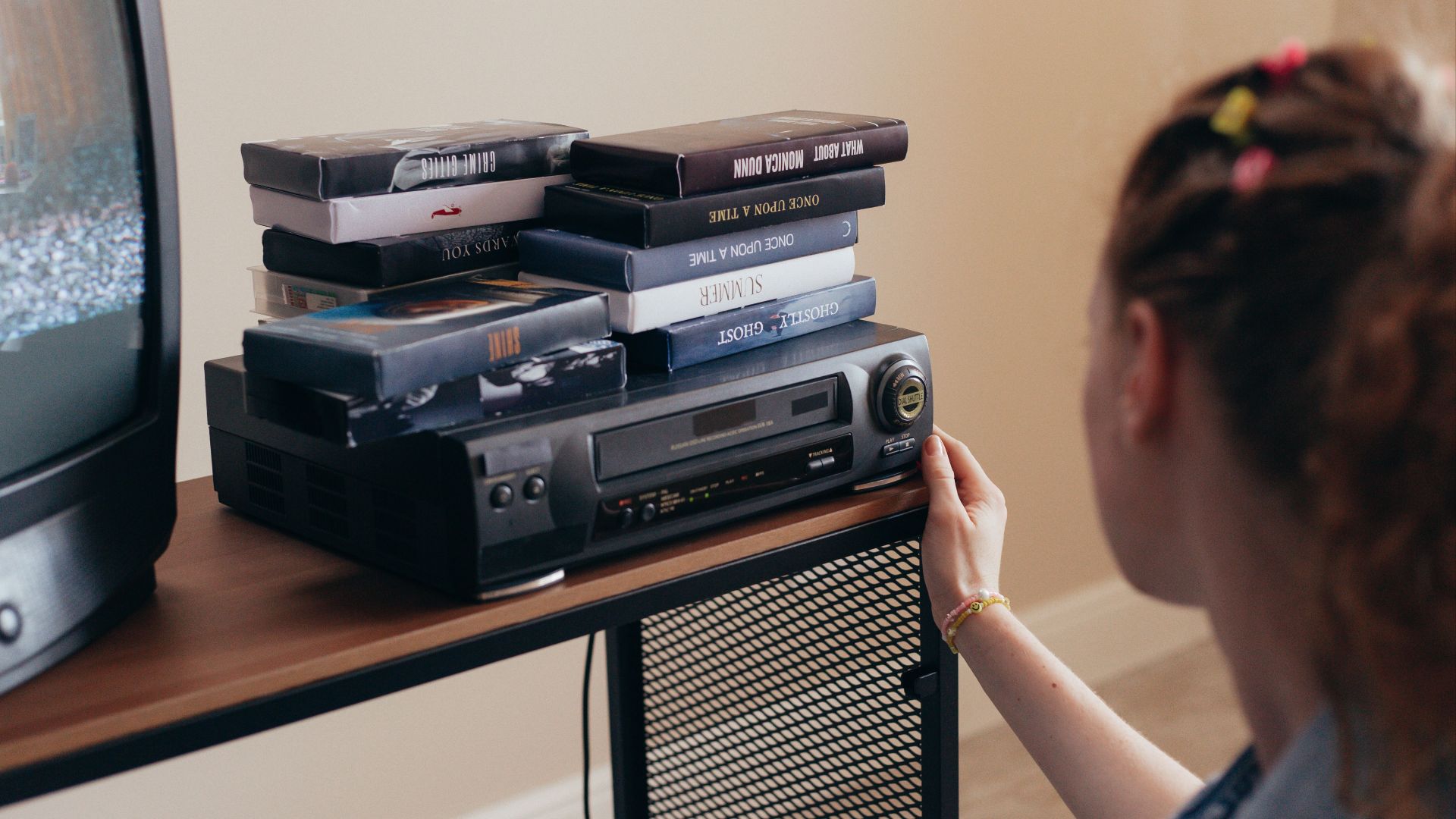
1. Rewinding Before You Returned It
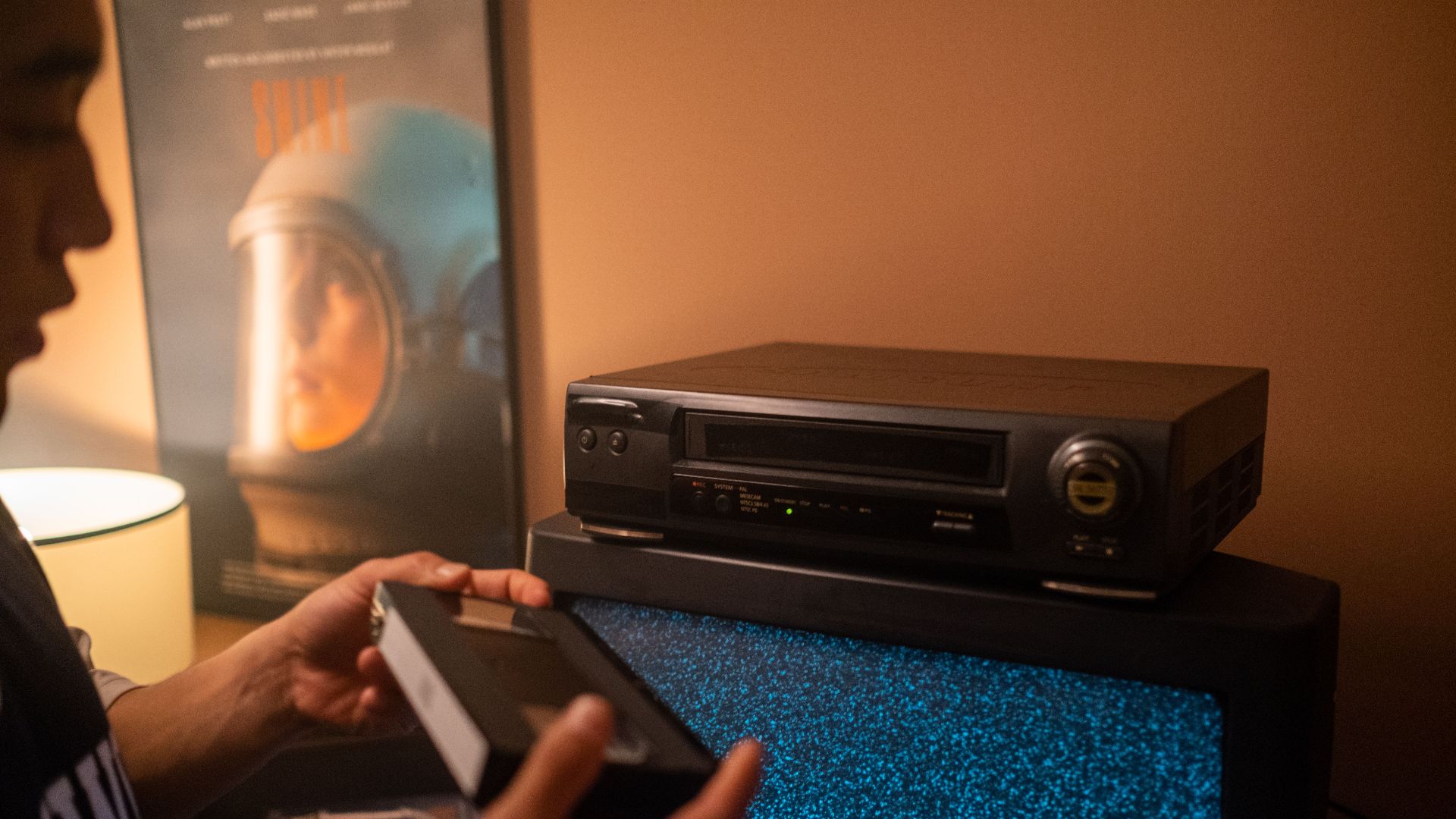
Tapes came back to the counter however you left them, and Blockbuster charged roughly a dollar if the reel wasn't wound to the start. The sticker said "Be Kind, Rewind" in a tone that suggested this was about community values rather than money. Some households even bought separate battery-powered rewinders to spare the motor in the VCR.
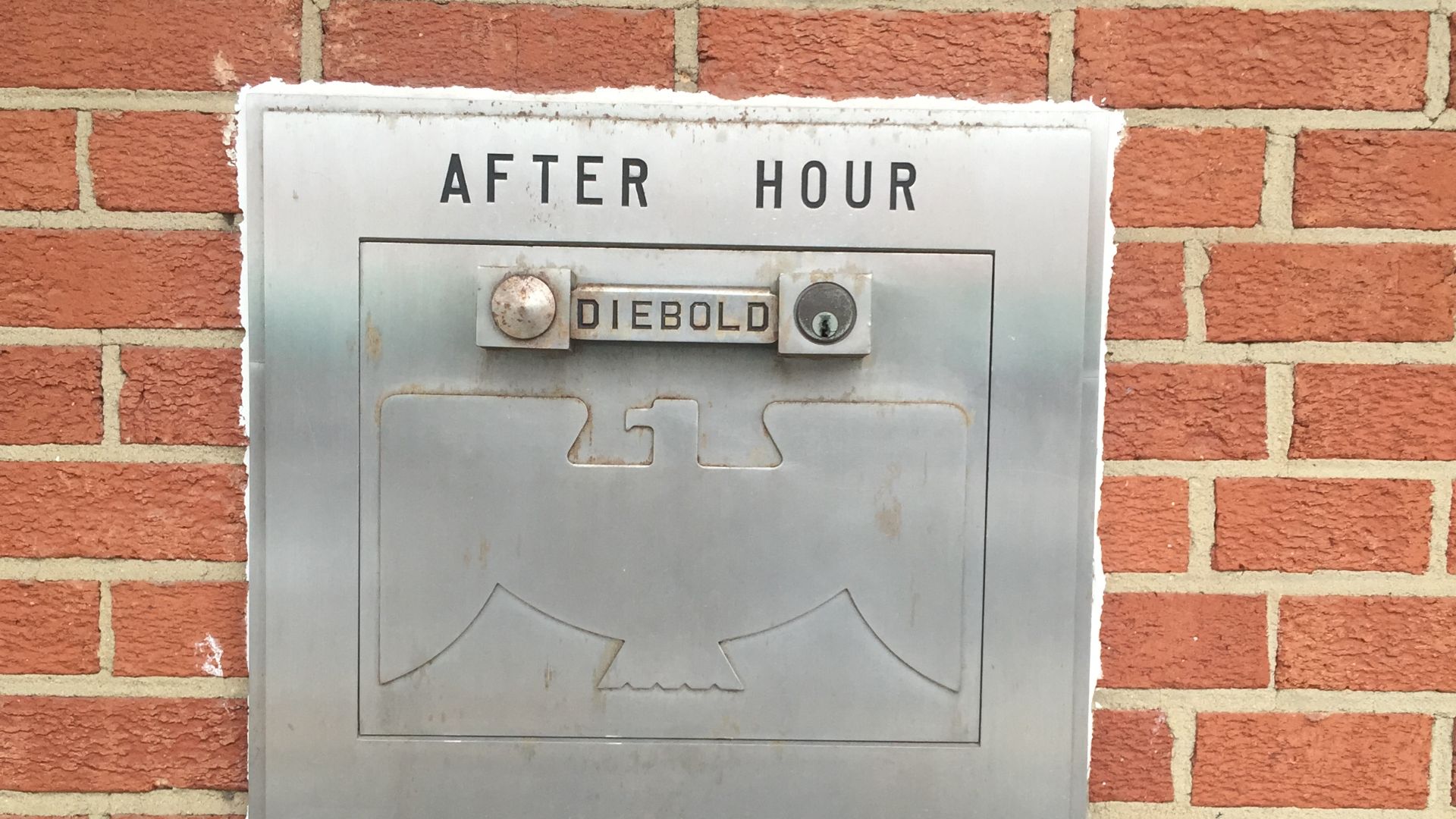
2. The After-Hours Drop Box
A slot in the wall meant you could return something at eleven at night and avoid an uncomfortable conversation about the late delivery. The tape landed on other tapes with a sound that felt like it might have broken something.
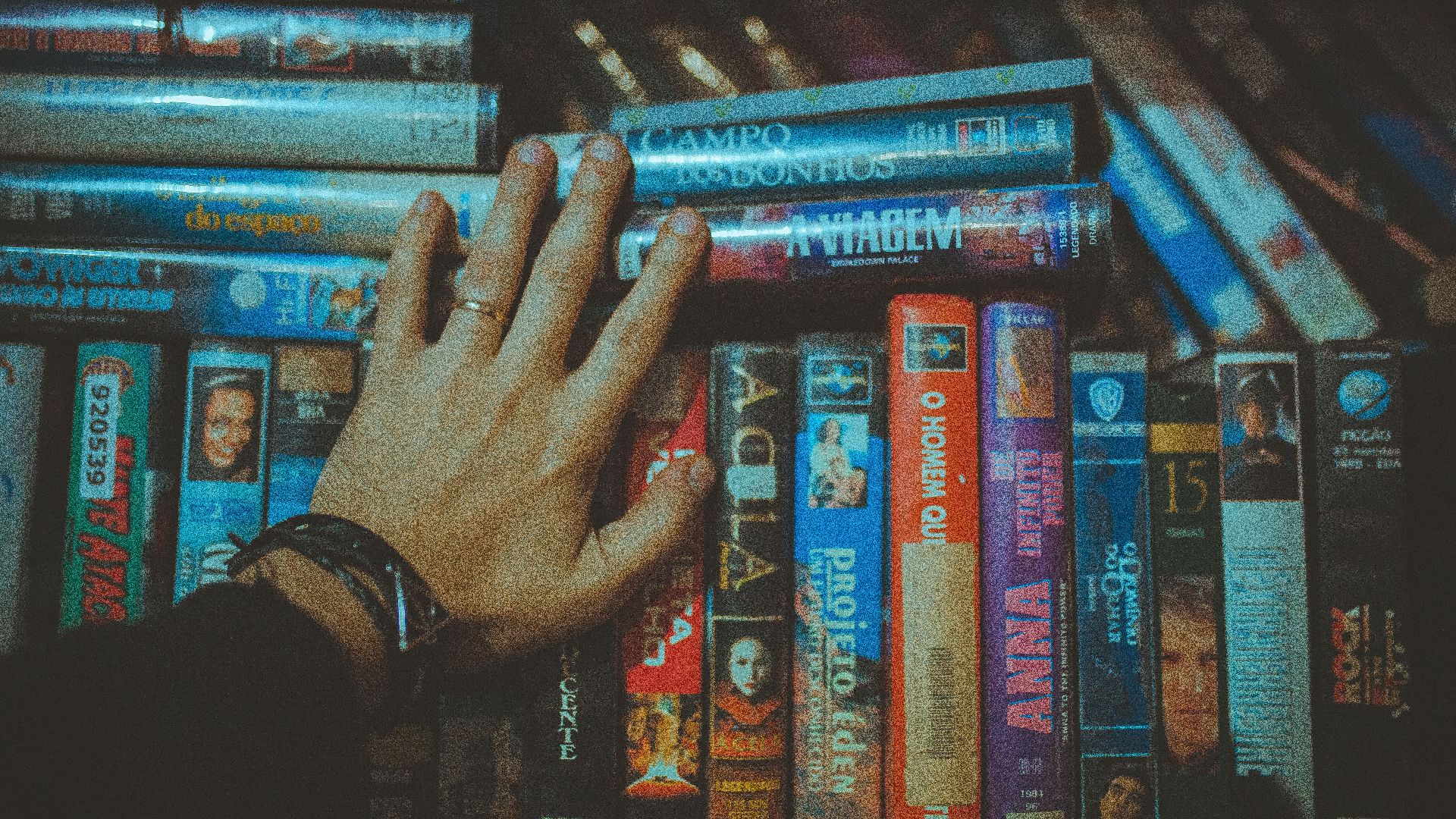
3. Reading the Entire Back of the Box
Before you decided whether to rent the movie, you'd read the synopsis and every review pull quote on it before committing to anything. The photos on the back were often from scenes that weren't in the film. Deciding this way took twenty minutes for a movie you'd have abandoned in four seconds on a streaming service.
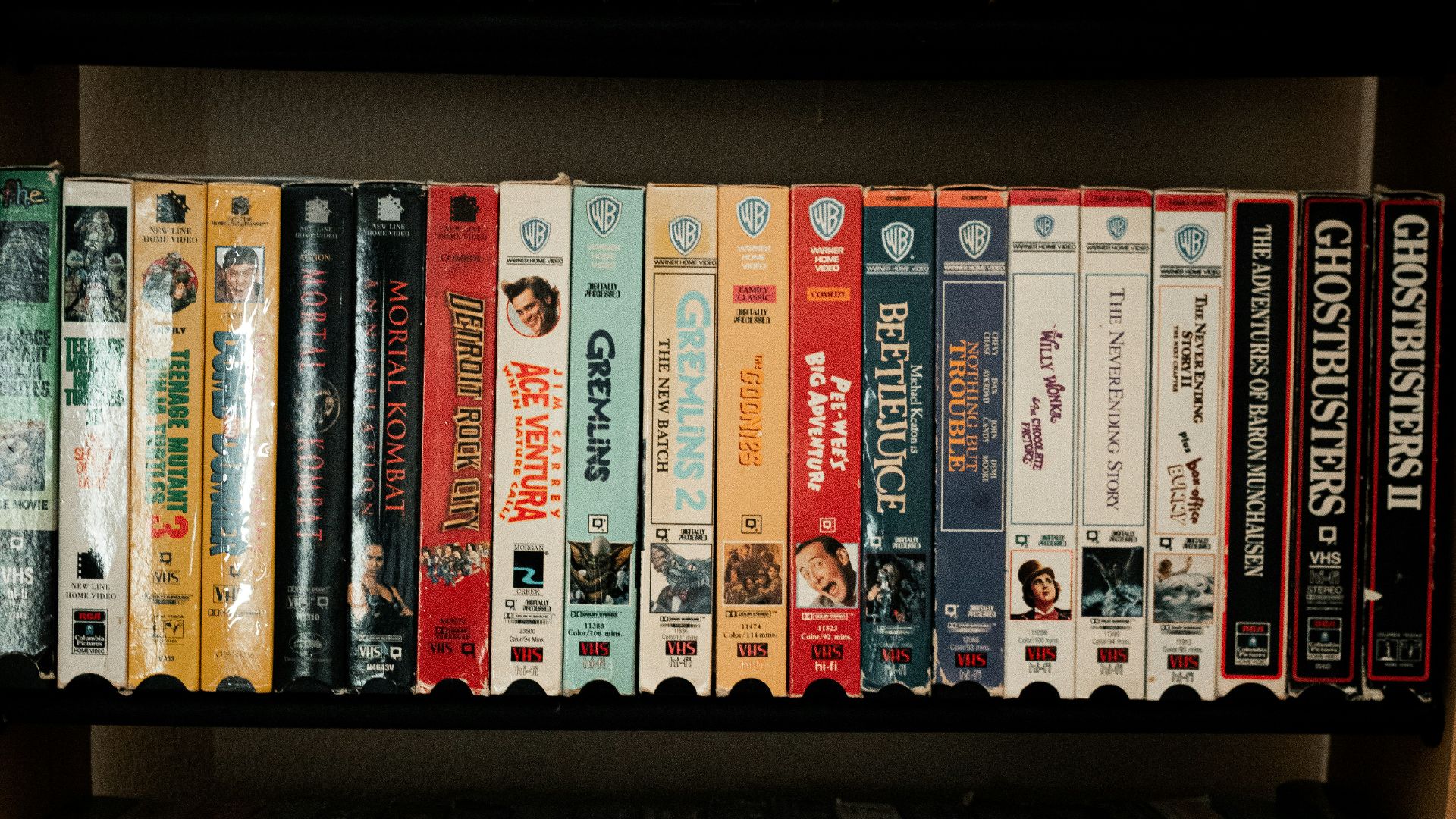
4. Bringing an Empty Box to the Counter
The shelves held display cases with nothing inside, and the tape itself sat behind the counter in a numbered paper sleeve. You carried the empty box up and the clerk pulled the matching number off a wall of identical sleeves. Nothing was more disappointing than arriving to find a new release completely rented out.
5. Tuesday
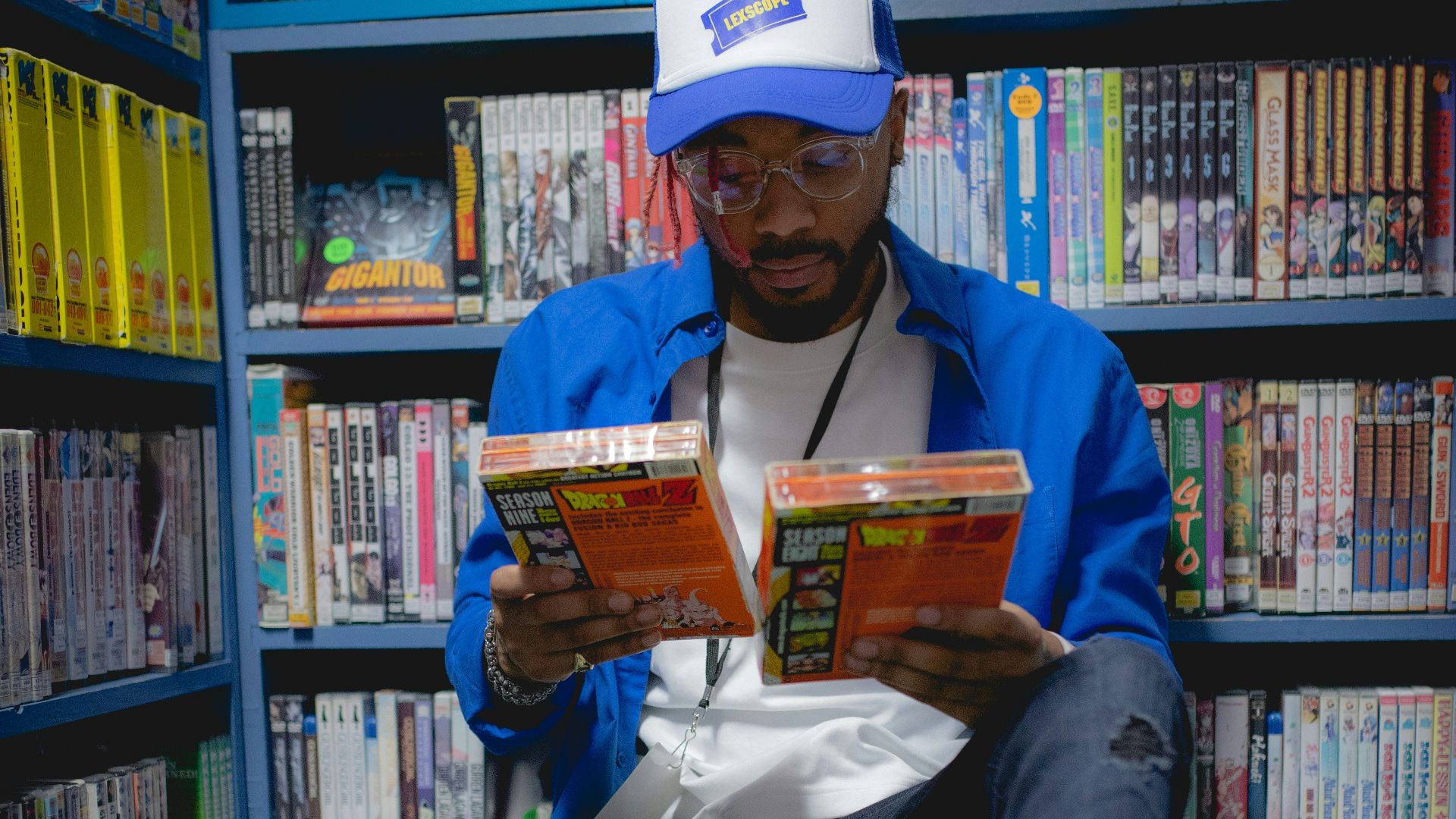
New releases hit shelves on Tuesday, industry-wide, which made it the one day worth going in for something specific. Anyone paying attention knew the date a movie was coming out on video weeks ahead. The wall got restocked that morning and was picked over by evening, which made Tuesday afternoon the best window of the week.
6. Getting There Too Late on Friday
By seven on a Friday the new release wall was a row of empty slots with the display boxes still hanging there. The store left the boxes up, which felt like taunting. You either drove to a second location or came home with whatever nobody else wanted.
7. Carrying the Membership Card
Every household had a laminated card with a barcode and somebody's name on it, usually a parent's. Losing it meant a phone number lookup and a small lecture. Adults kept it in a wallet next to a library card for a decade after both stopped mattering.

8. Fearing the Late Fee
Charges accrued daily and got announced at the counter in front of whoever was in line behind you. A tape forgotten under a couch could reach the price of buying the movie outright without anyone noticing. Netflix built its early pitch almost entirely on eliminating this, and Blockbuster dropped late fees in 2005 before reinstating them a couple of years later.
9. Not Looking at the Beaded Curtain
Most stores put the adult section in the back corner, behind a beaded curtain or a set of saloon doors with an over-18 sign hanging above them. The placement was deliberate, since it kept the room out of the sightline of anyone walking in the front door. Kids learned to walk past without turning their heads, instead looking out of the corner of their eyes.

10. Asking the Clerk
Video store employees were the recommendation algorithm, and a good one remembered what you'd rented. You'd describe a movie by its cover art and the one actor whose name you could produce. Getting handed something you'd never heard of and loving it was the whole appeal of the job.

11. Reading the Staff Picks
A shelf near the front held handwritten index cards taped under a few boxes, each signed with a first name. Someone named Dave was pushing a Korean thriller nobody had asked about. Those cards moved more foreign and independent titles in America than most film festivals did, one recommendation at a time.
12. Renting the Console Too
Stores rented game systems along with the games, which meant a weekend with a Nintendo 64 you didn't own. The deposit was substantial and the controllers came back sticky from whoever had them last. Parents used this as a trial run before agreeing to buy anything.

13. Doing the Rental Math
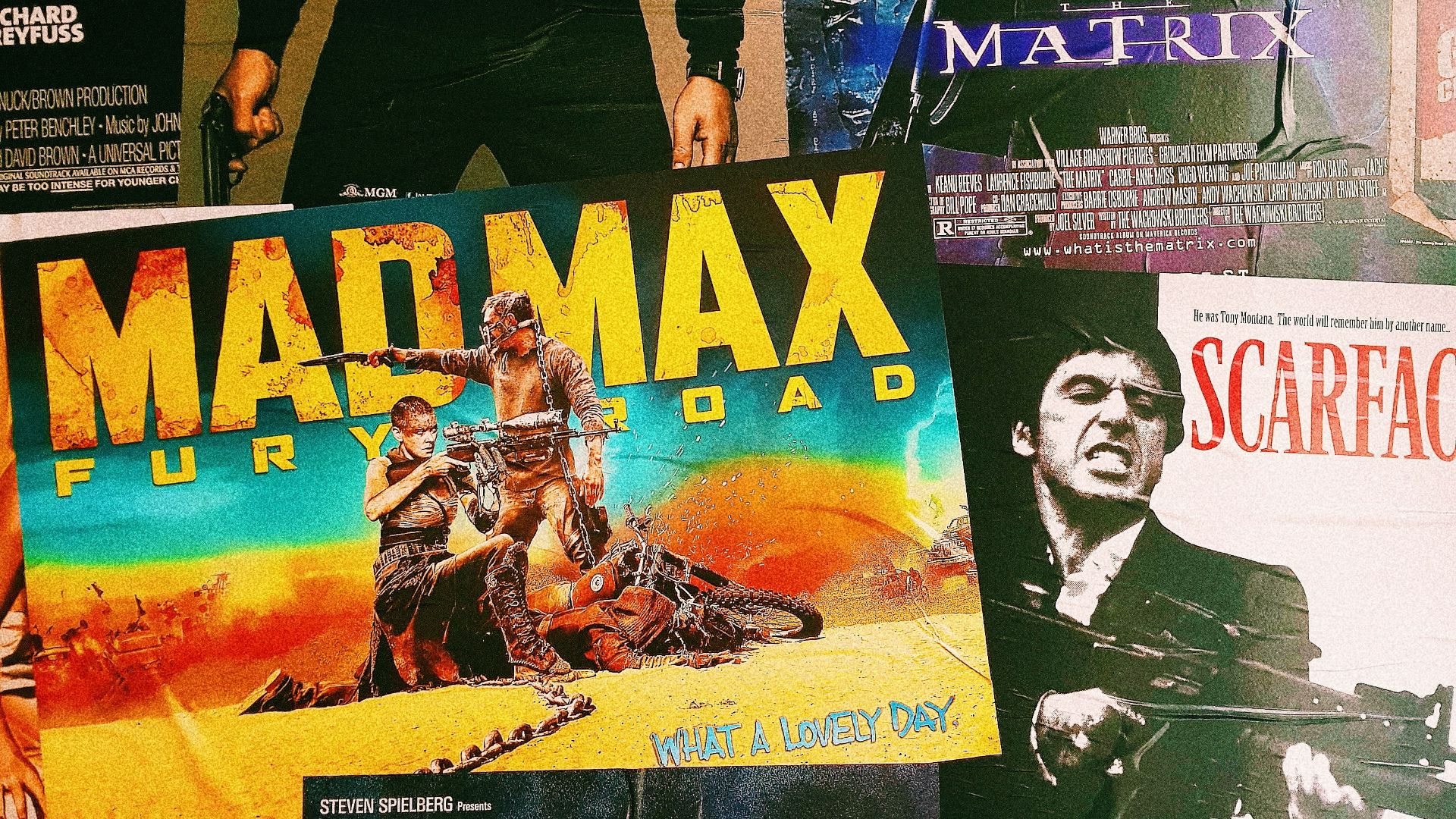
A new release went out for two nights and a catalog title for five, at different prices, which turned a simple choice into arithmetic. Families would grab one new release and pad the trip with three cheap catalog titles. Getting the return date wrong by one day cost more than the rental had.
 Samuel Regan-Asante on Unsplash
14. Adjusting the Tracking
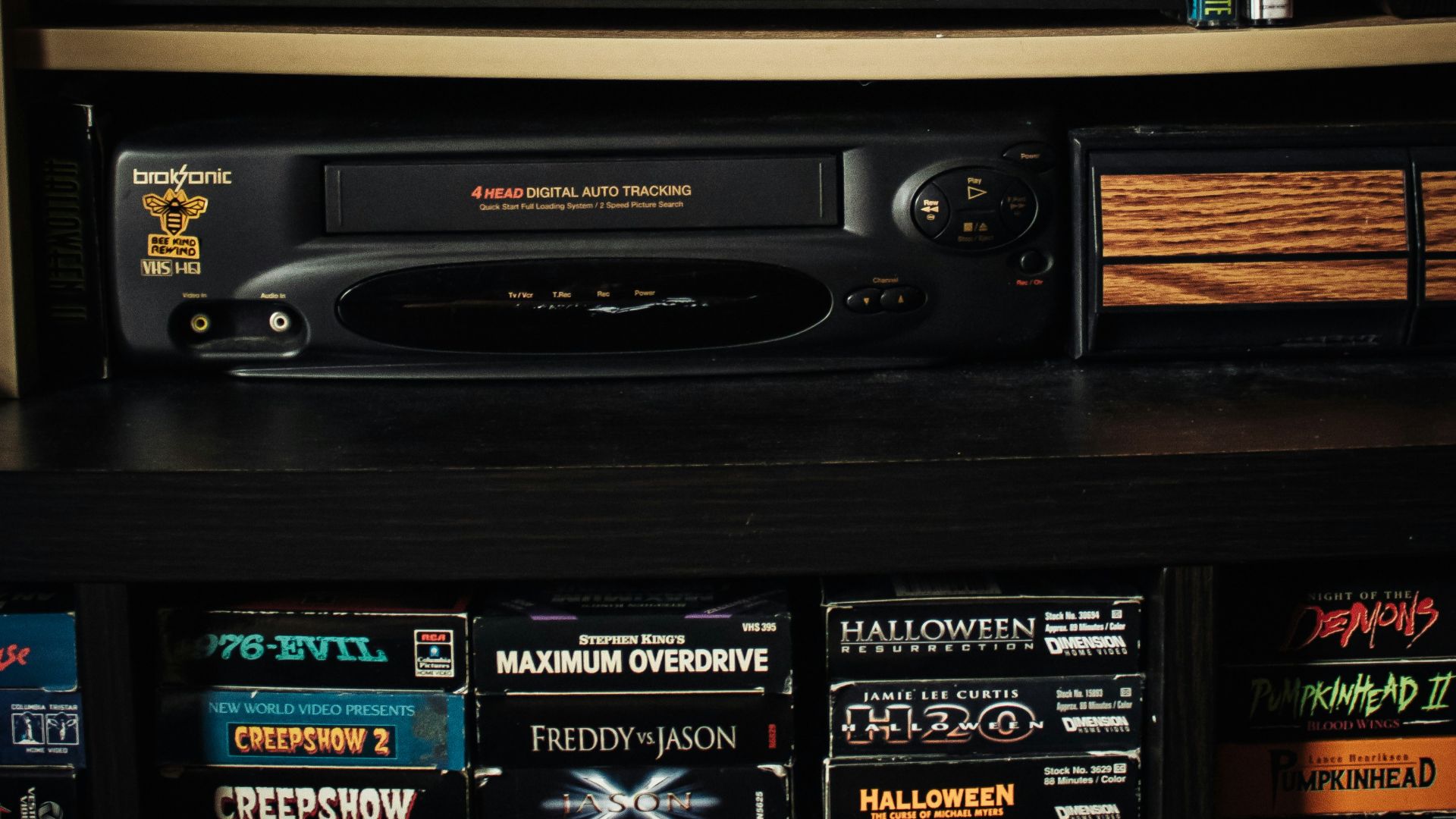
A tape that had been through a few hundred machines came up with bars of static rolling through the picture, because no two VCRs aligned their heads exactly the same way. You held the tracking button on the remote until the image locked in. Later decks handled it automatically, which kids usually mastered by the age of six.
15. Buying Candy at the Counter
A rack of movie-theater boxes sat right at the register, priced like a theater and bought anyway. Popcorn in a bag with a cartoon on it was standard. The whole setup existed because nobody leaves a store faster while deciding on candy.

16. Negotiating With Your Family
One tape, four people, and a store closing in fifteen minutes led to a specific kind of argument. The compromise pick satisfied nobody in particular and got watched all the way through anyway. Households developed rotation systems to keep this from happening weekly.

17. Sitting Through the Trailers
Every tape opened with previews you could fast-forward and usually didn't, plus an anti-piracy warning that felt aimed at you personally. Some tapes ran four minutes of ads before the studio logo. A whole generation can still recite the FBI warning from memory, in the right font, without ever having tried to learn it.

18. Waiting Six Months
Missing a movie in theaters meant waiting roughly half a year for the video release, with no way to see it in between. That gap built genuine anticipation for titles nobody would think twice about now. The phrase "it's out on video" carried real information, and people repeated it to each other like news.

19. Wrestling With Clamshell Cases
Disney shipped its films in thick white plastic clamshells that snapped shut hard enough to require two hands. The kids' section was a wall of identical white rectangles. Anyone who grew up in the nineties can still hear the specific plastic groan of one being pried apart.
20. Digging Through the Cheap Shelf
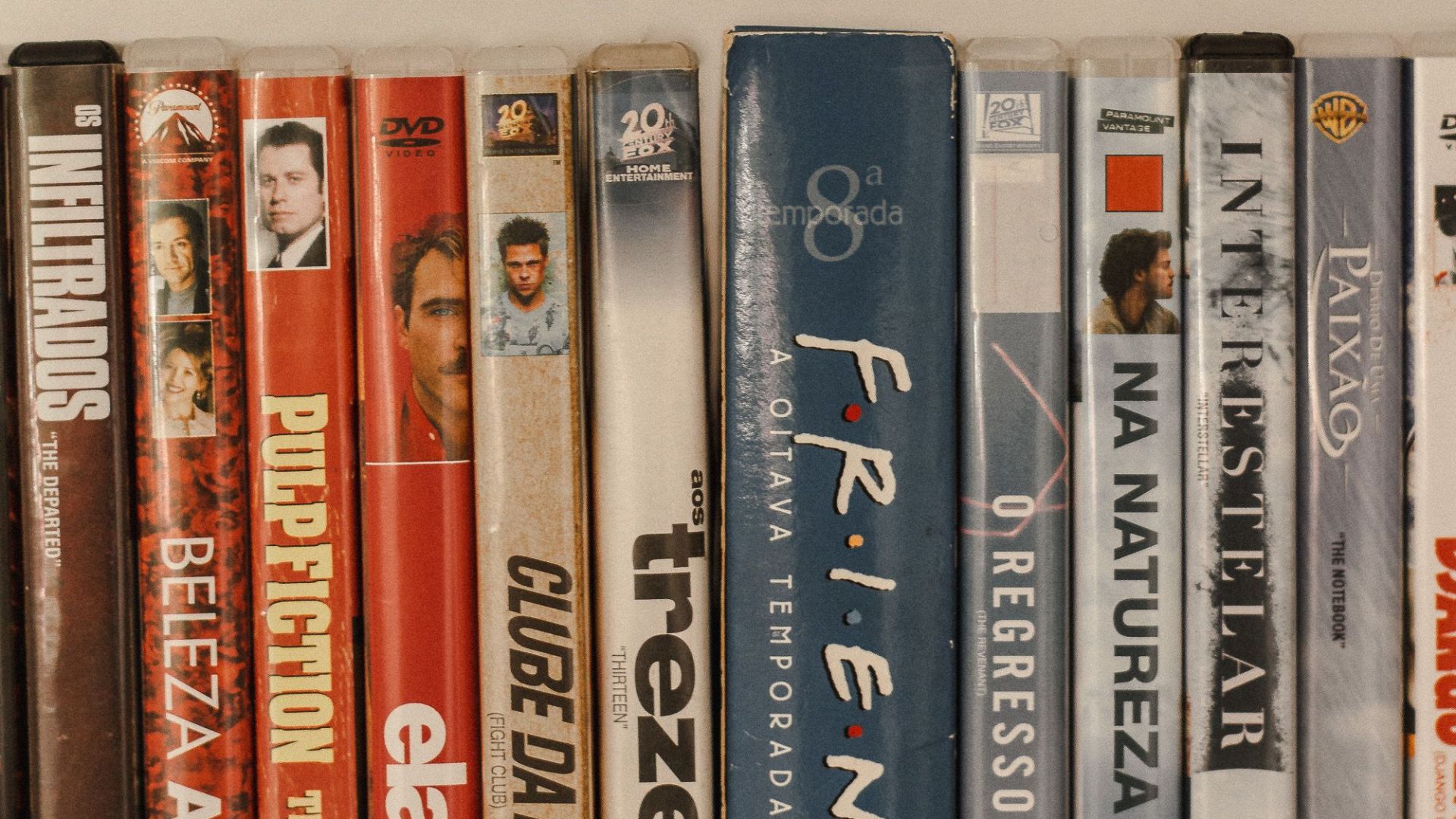
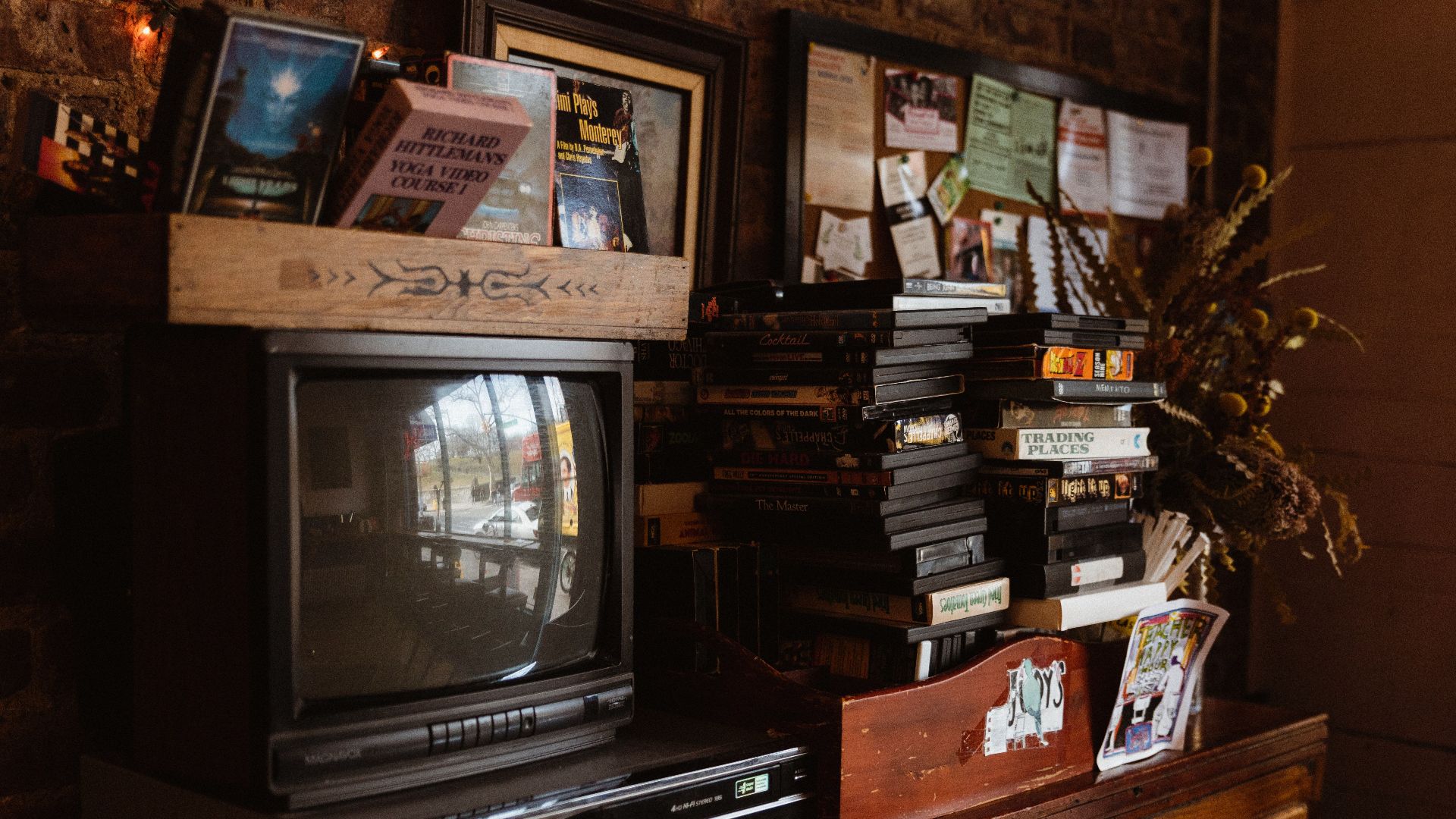
Older titles sat in a section at ninety-nine cents, often five for five dollars, sorted loosely by genre and not at all by quality. This is where people found the movies they ended up loving, mostly by accident. Streaming services have a version of that shelf buried in a menu, and almost nobody scrolls into it.
 Mayara Caroline Mombelli on Pexels