
Every Dollar Has a Job
Retirement is supposed to be when you finally stop worrying about life and money, but nobody mentions just how fast the pendulum swings without a steady income. Even retirees who planned carefully can find themselves second-guessing ordinary purchases when there's less room to earn more next month. These are the 20 realities of fixed-income living that don't make it into brochures.

1. Prices Keep Moving
Inflation doesn’t stop when the work does. You can build a perfectly reasonable budget only to watch groceries, utilities, and insurance get more expensive. Suddenly, the same shopping cart you bought last year takes up a larger share of your monthly budget.

2. Spontaneous Purchases Stop Feeling Spontaneous
A $60 dinner or an unplanned trip to the garden center might once have been an easy yes. On a tighter income, however, you may find yourself mentally rearranging the rest of the month's budget before agreeing willy-nilly. Even harmless treats can become more scarce.

3. Your Friends May Have Different Budgets
One couple wants to take a cruise every winter. Another watches every restaurant bill. Don’t kid yourself—those differences are noticeable once everyone has stopped earning a paycheck. The truth is that keeping friendships intact means admitting that one person’s idea of an affordable afternoon isn't yours.

4. Replacing Ordinary Things Is an Event
A broken toaster isn't the end of the world, but a dead washing machine or television is. When your monthly income has already been allocated, even routine replacements mean dipping into savings. Forget about the best model, too; sometimes you just need to settle for what you can afford.

5. Annual Bills Feel Bigger
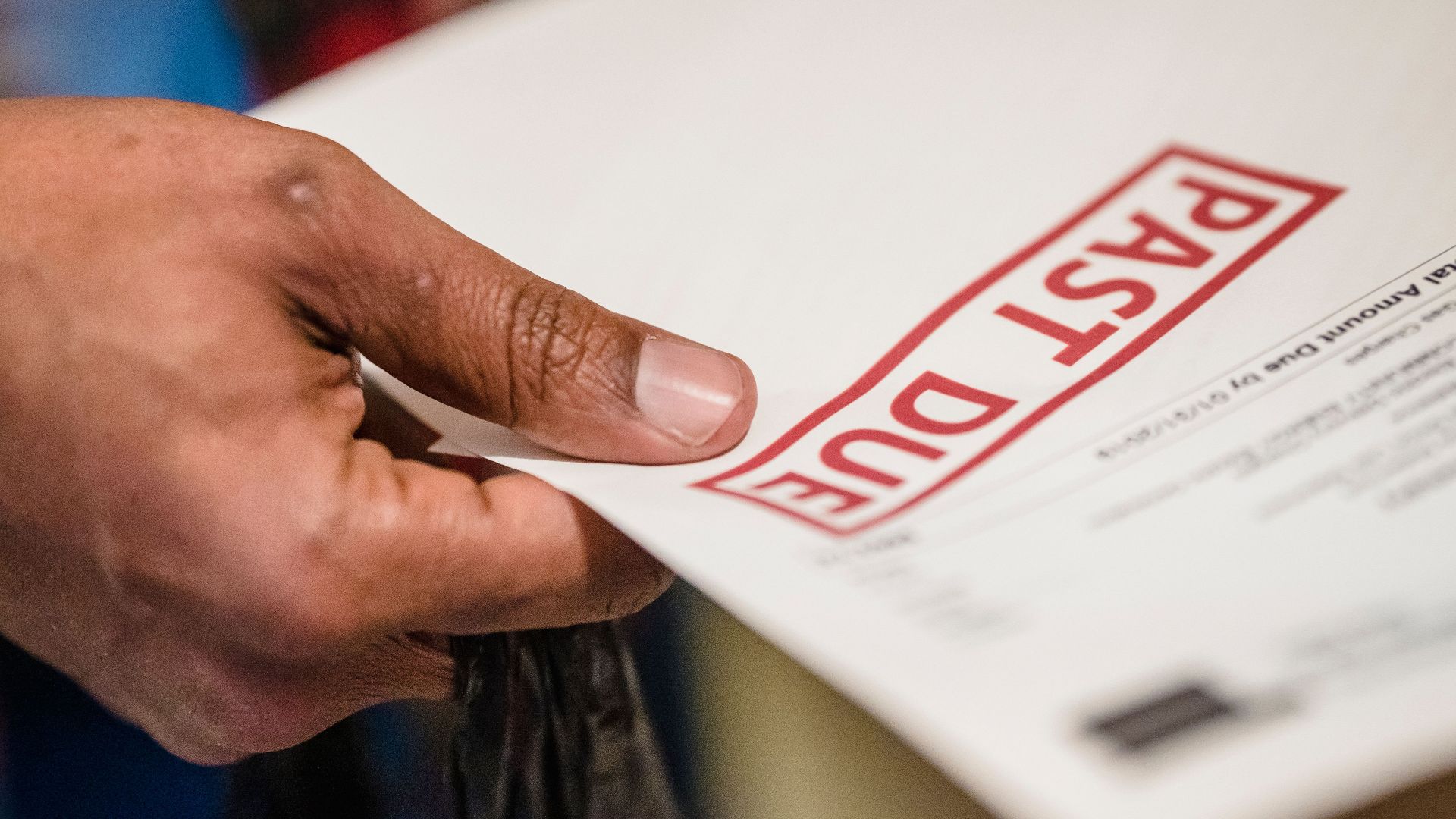
Property taxes, insurance renewals, memberships, and other annual expenses have a habit of arriving all at once. It was already painful enough when you were on the clock, but in retirement, it can really weigh you down. A bill you technically planned for may still make that month painfully expensive.
6. Saying No to Invitations
Lunch here, concert tickets there, and a weekend away add up faster than friends realize. Again, they might have a larger budget to play with, which puts the onus on you to rein them in. Retirement gives you more time to socialize, ironically just as money can make it harder.

7. Home Repairs
Leaking roofs don't wait for you to be ready. Neither do furnaces, plumbing failures, or failing water heaters. Homeowners who were comfortable covering repairs while working will likely feel differently without employment replenishing their accounts. Even a consultation call turns into a headache.

8. Gift-Giving Gets Complicated
Birthdays, graduations, weddings, and holidays don't disappear when you retire, either. Many retirees still want to be generous with their loved ones, even when their own spending room has narrowed. Deciding what you can comfortably give may carry more guilt than anyone warned you about.

9. Eating Out Is Harder
Restaurant prices are…insane nowadays. Add drinks, tax, and a tip, and a casual meal can consume a surprising chunk of change. Next thing you know, you may start suggesting coffee instead of dinner.

10. You Notice Every Subscription
Technology is the bane of everyone’s existence, and it won’t get easier in retirement. Streaming services, cloud storage, apps, memberships, and delivery programs quietly accumulate over the years. While working, another $10 charge may barely have registered, but it’ll sting when you’re penny-pinching.
11. Helping Adult Children Isn’t Simple
Parents don't automatically stop helping just because their kids are out of the house. Covering an emergency bill or contributing toward a grandchild's expenses can be emotionally difficult to refuse, especially if you helped while employed. But the truth is that generosity now has to compete with your own security.

12. Vacations Have Hidden Costs
Vacations aren’t just about paying for a flight—the hotel and airfare are only the beginning. Airport parking, meals, transportation, tips, excursions, baggage fees, and travel insurance all turn an affordable-seeming getaway into a money pit. Having plenty of free time doesn't mean having endless vacation money, either.

13. A Small Increase Can Actually Hurt
A modest increase in an insurance premium or utility bill may not sound like a big deal on its own, but those upticks turn into a mountain when you stack them. Fixed-income living makes you unusually aware of expenses creeping upward a few dollars at a time.

14. You Start Calculating Purchases in Months
A new sofa isn't just $1,500 anymore; it can represent several months of whatever money remains after necessities. That perspective can make perfectly affordable purchases feel enormous, forcing you to change your definition of expensive.

15. Being Home More Can Cost More
The good news is that retiring eliminates certain expenses. The bad news is that spending all that time at home creates others. We’re talking heating, cooling, electricity, hobbies, snacks, and household supplies, which can all get used more and more throughout the day. Nobody warns you that Tuesday afternoon now has an electricity bill.

16. Special Occasions Arrive in Clusters
One wedding is manageable. Well, it’s manageable until it's followed by an anniversary, two birthdays, and Christmas. Months filled with celebrations may become some of the most expensive ones on your calendar.

17. Bargains Matter More
You might have bought your preferred cereal without even looking at the price tag in stores. Now, though? Income is less flexible, which means comparison shopping and waiting for discounts are more worthwhile. That doesn't mean you're struggling, but it does mean the money you save can’t just be replaced.

18. You Can Be Afraid to Spend What You've Saved
Some retirees discover that decades of saving are easier than actually withdrawing those savings. After spending an entire career building a nest egg, watching it decline can feel deeply uncomfortable—even when that's what it’s for. You may have to remind yourself that responsible spending isn't the same thing as running out.

19. Other People May Assume You're Comfortable
Friends and relatives can see retirement as evidence that you've financially made it. But it’s a lot different when you’re living in it. They don't see the calculations behind your vacations, dinners, or everyday purchases, which makes conversations about money surprisingly uncomfortable.

20. Lack of Financial Flexibility
Many people expect to miss their paycheck, but what they actually miss is the ability to recover from a monetary hit. When you were working, an unexpected purchase could be softened by future earnings. On a fixed income, the hardest adjustment is realizing that every decision feels a little more permanent.