The Tells You Don't Notice
Every generation carries habits it picked up during a specific stretch of years and never bothered to revisit or question. Millennials came of age in the narrow window between dial-up and TikTok, which left them with a set of digital reflexes nobody younger developed. Some of it is has to do with typing. Some of it is the way they answer a phone. None of it is embarrassing, exactly, but it does show up clearly the moment someone under 25 is watching. Here are 20 tells that give a millennial's age away.

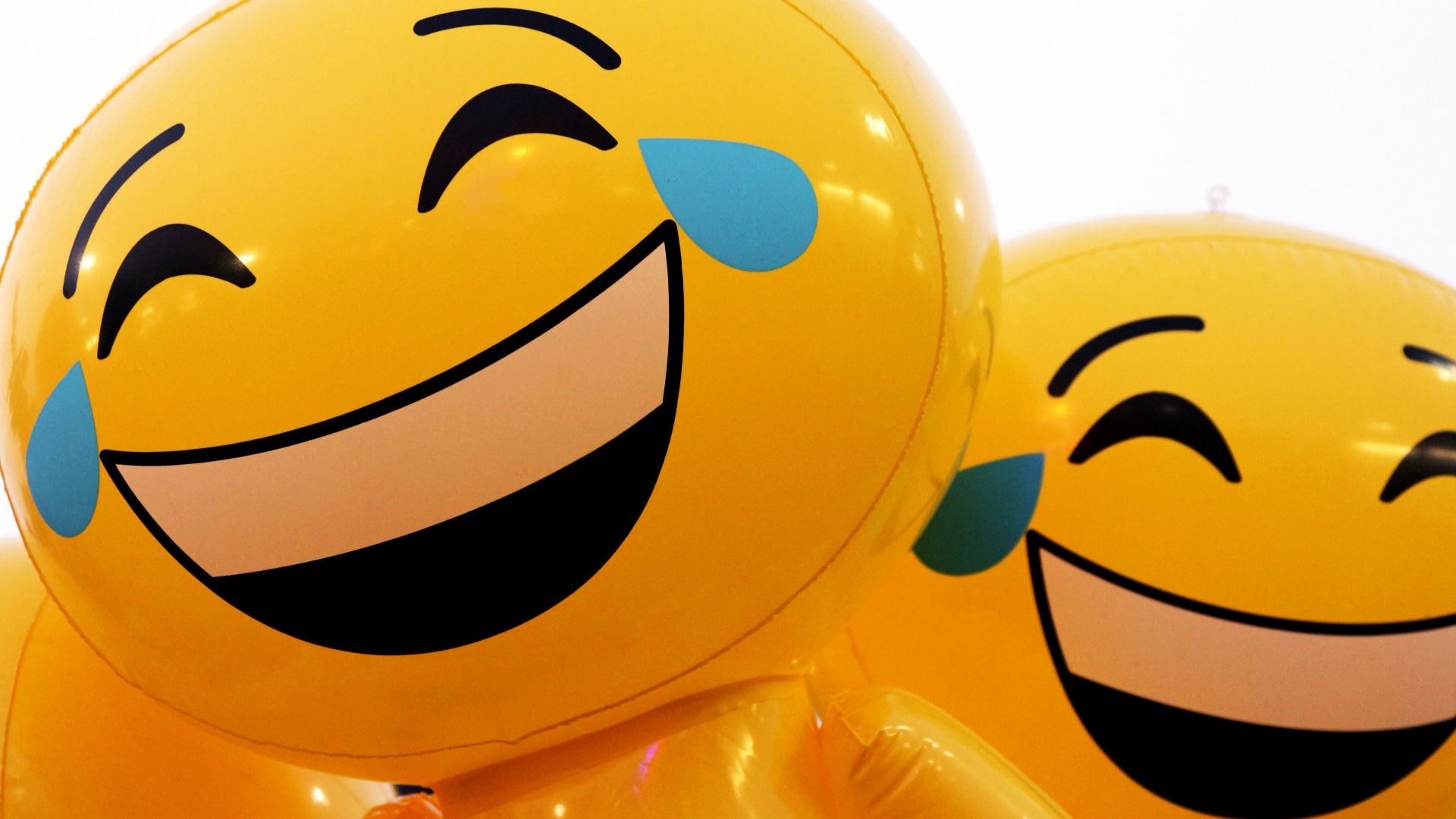
1. The Laughing-Crying Emoji
The laughing-crying face was the default reaction emoji for roughly a decade, and millennials never let it go. Gen Z swapped to the skull and now treats the crying one as a marker of age. Using it in a group chat is the fastest way to date yourself.
2. Ellipses in Text Messages
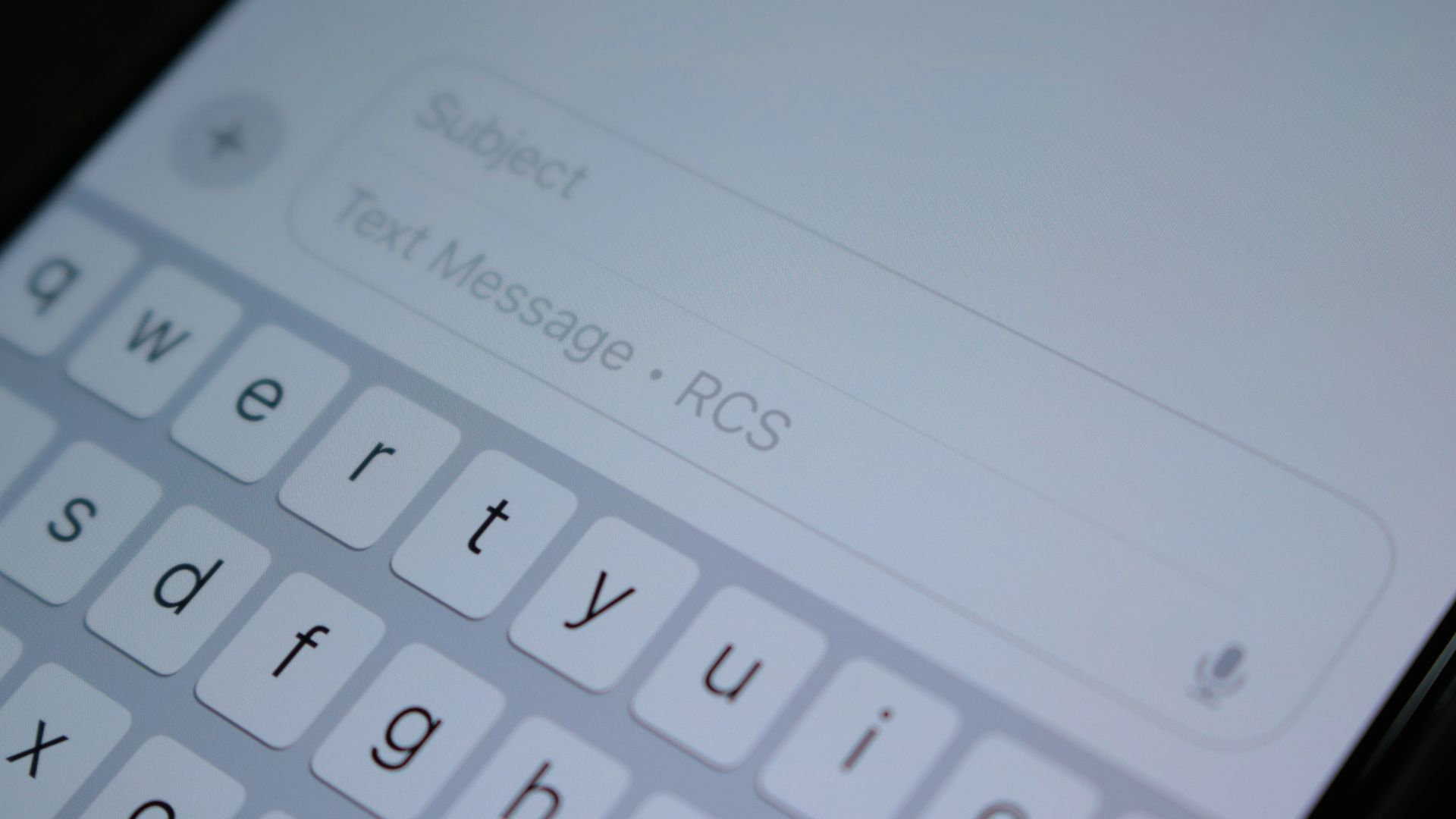
The three dots get used as a soft pause, the way an older email might use them. Younger texters read it as passive aggression or bad news incoming. Nothing about the intent transfers.
3. Answering the Phone at All
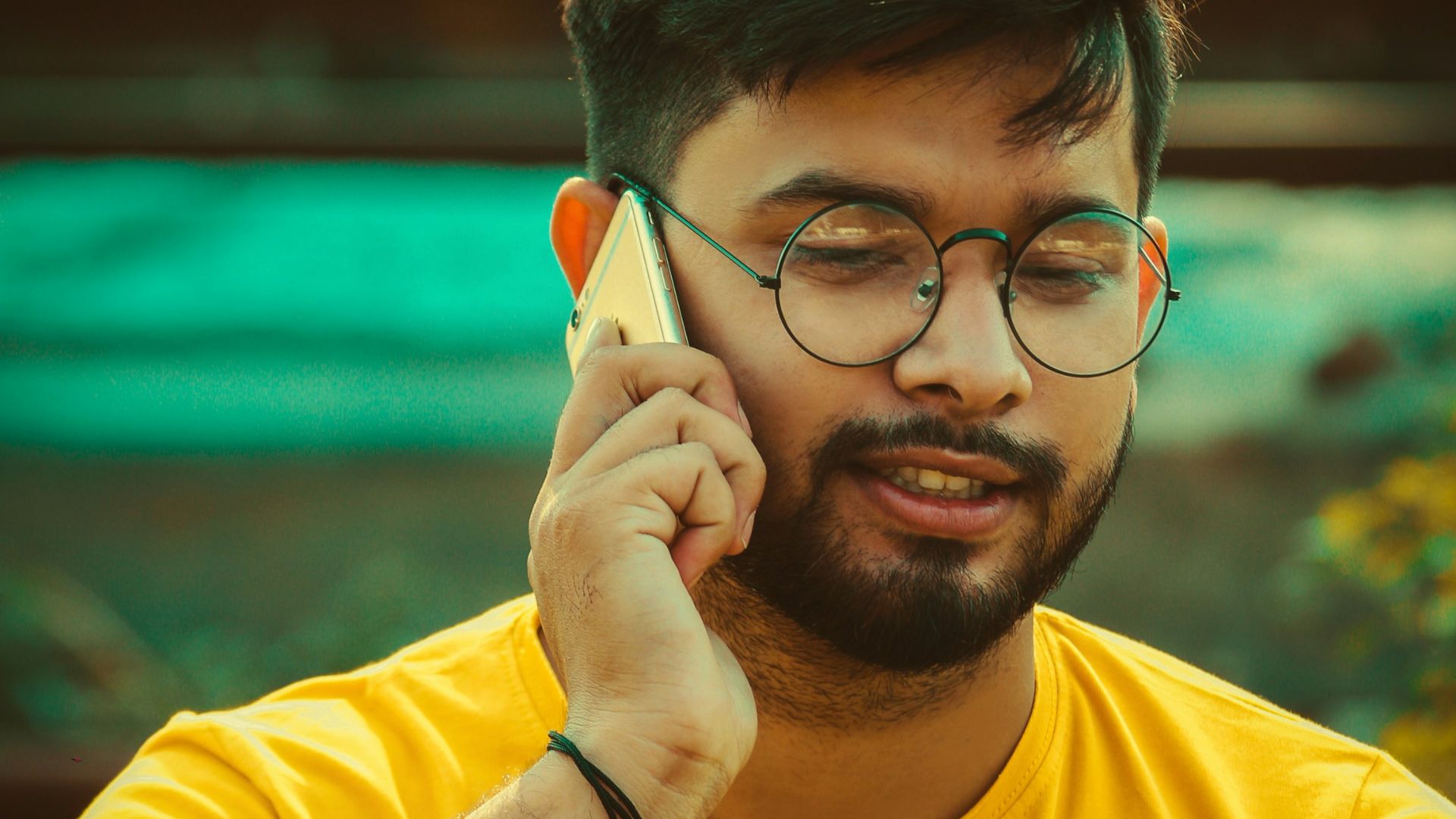
A ringing phone gets picked up, sometimes even from an unknown number. Anyone under 25 lets it go to voicemail and texts back afterward. The instinct to answer live is a generational one.
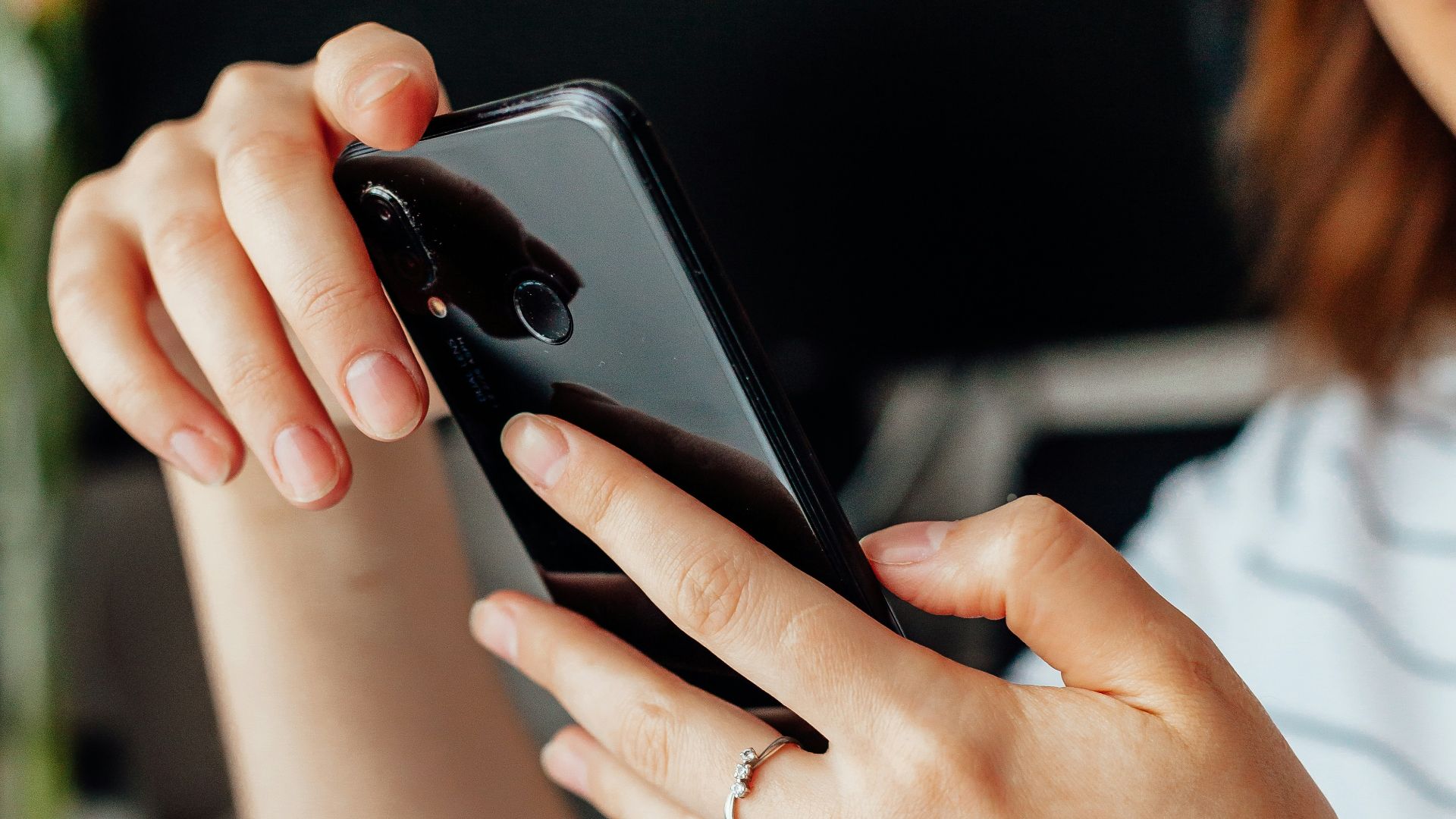
4. Full Punctuation in Casual Texts
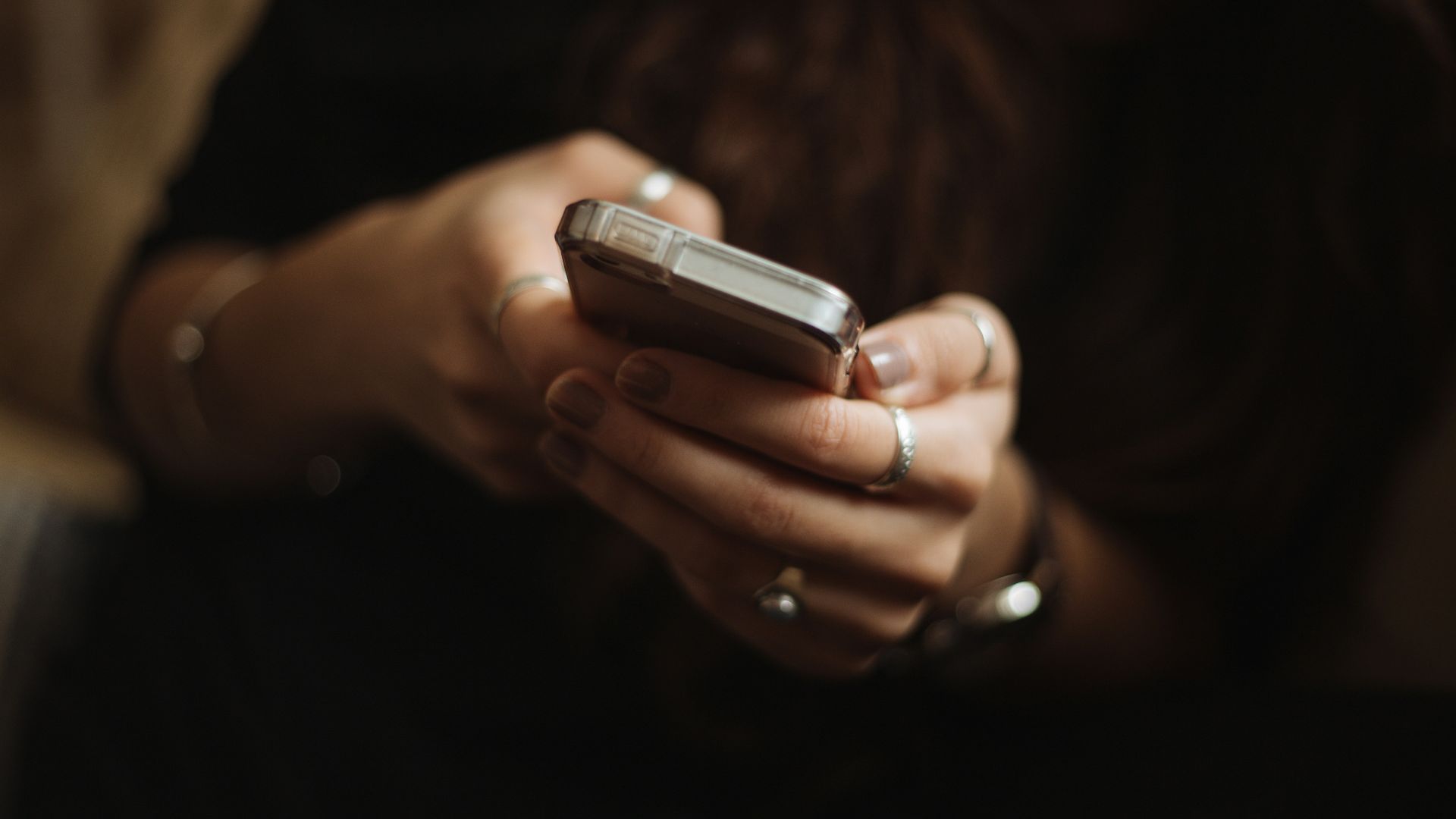
Periods at the end of every sentence, capital letters where they belong. It reads as formal or slightly cold to a younger reader. Millennials learned to type on keyboards, and it shows.
 Priscilla Du Preez 🇨🇦 on Unsplash
5. Skinny Jeans
They dominated from roughly 2008 to 2018 and became the default silhouette for a decade. Gen Z moved to baggier cuts and made a running joke of the holdouts. Plenty of millennials simply refused to budge on that style choice.

6. Side Parts
The side part was standard for years, then got publicly declared outdated around 2021 by teenagers on TikTok. Middle parts took over. The hair itself gives an age range within about five years.
 https://kaboompics.com/ on Pexels
7. Saying "Adulting"
The word peaked around 2015 and now sounds slightly stale, though it hasn't fully left millennial vocabulary. It carries a specific tone of mock exhaustion at doing ordinary tasks. Nobody younger uses it unironically.

8. Google Before TikTok
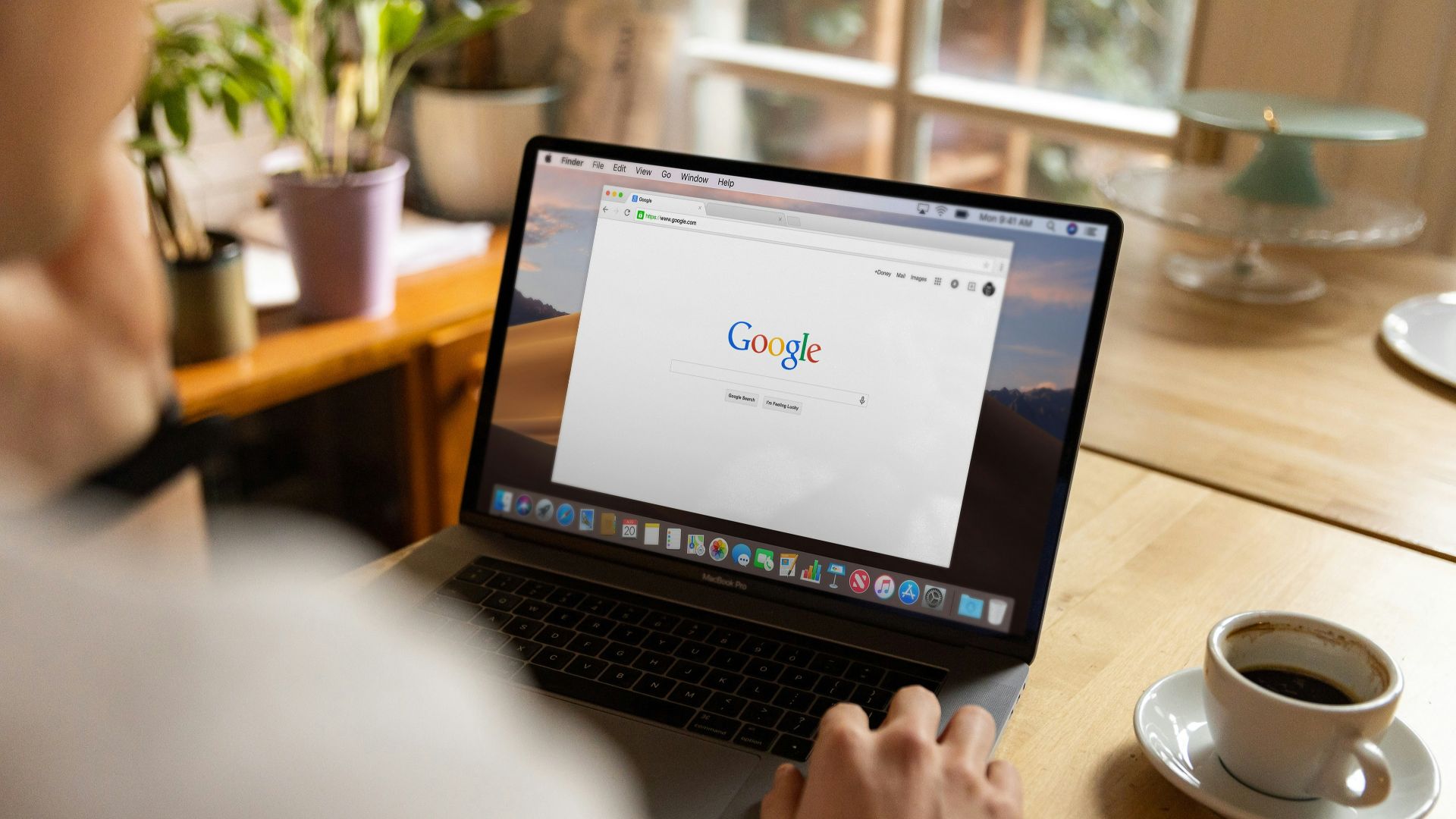
A question gets typed into Google out of habit. Younger users open TikTok or Instagram first and search there instead. It's a small difference in reflex that reveals which decade you learned to look things up.
9. Facebook Is Still Open
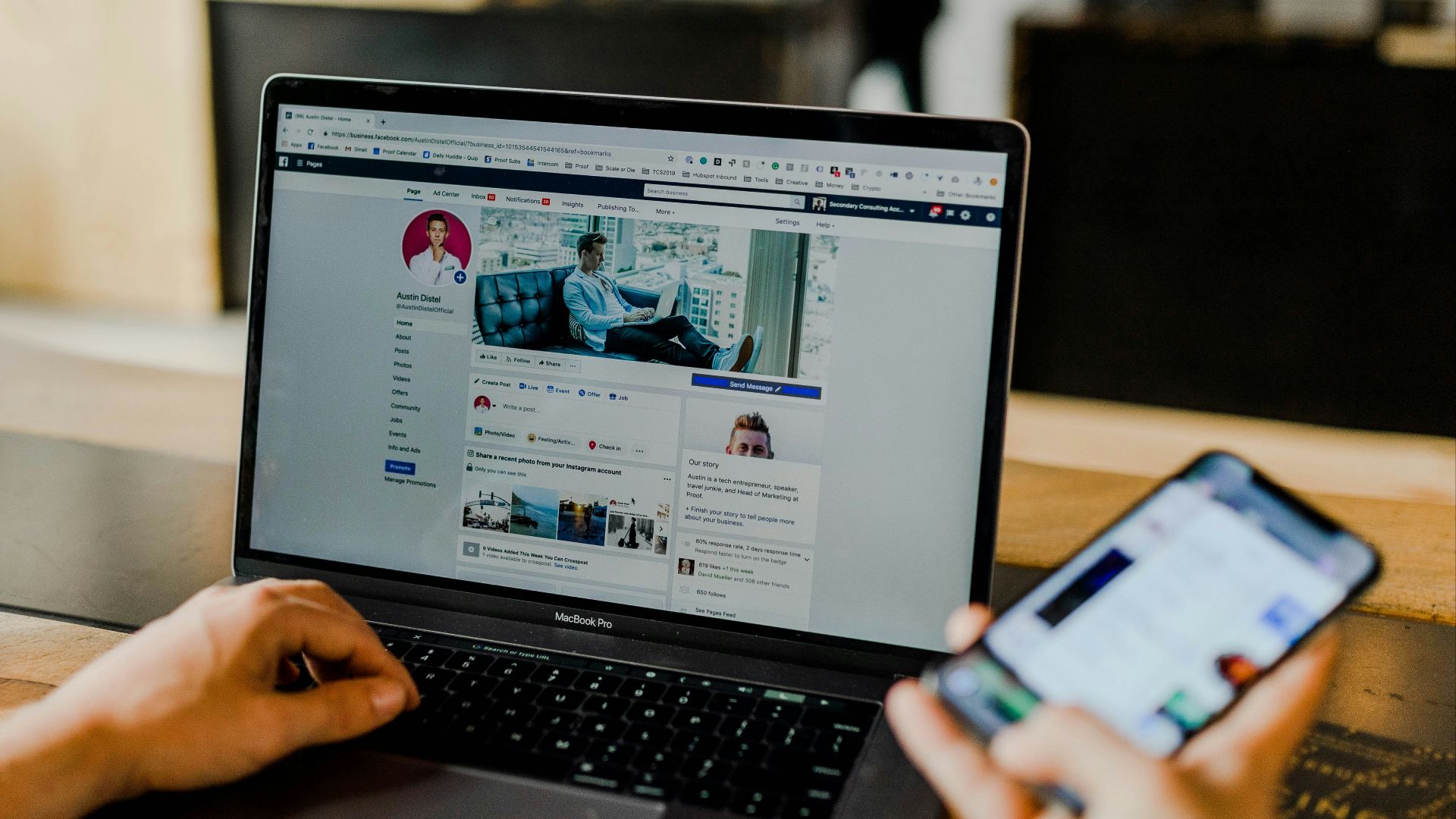
They may not necessarily be posting, but the account exists and still gets checked regularly. Event invites and marketplace listings keep it alive. Anyone under 25 either never made one or abandoned it in middle school.
10. Thumbs-Up Reaction
The thumbs-up gets used as a real acknowledgment, the digital equivalent of a nod. Younger readers interpret it as dismissive or passive aggressive, which surprises nearly every millennial who hears it. The gap in reading is wide.

11. Email as a Real Channel
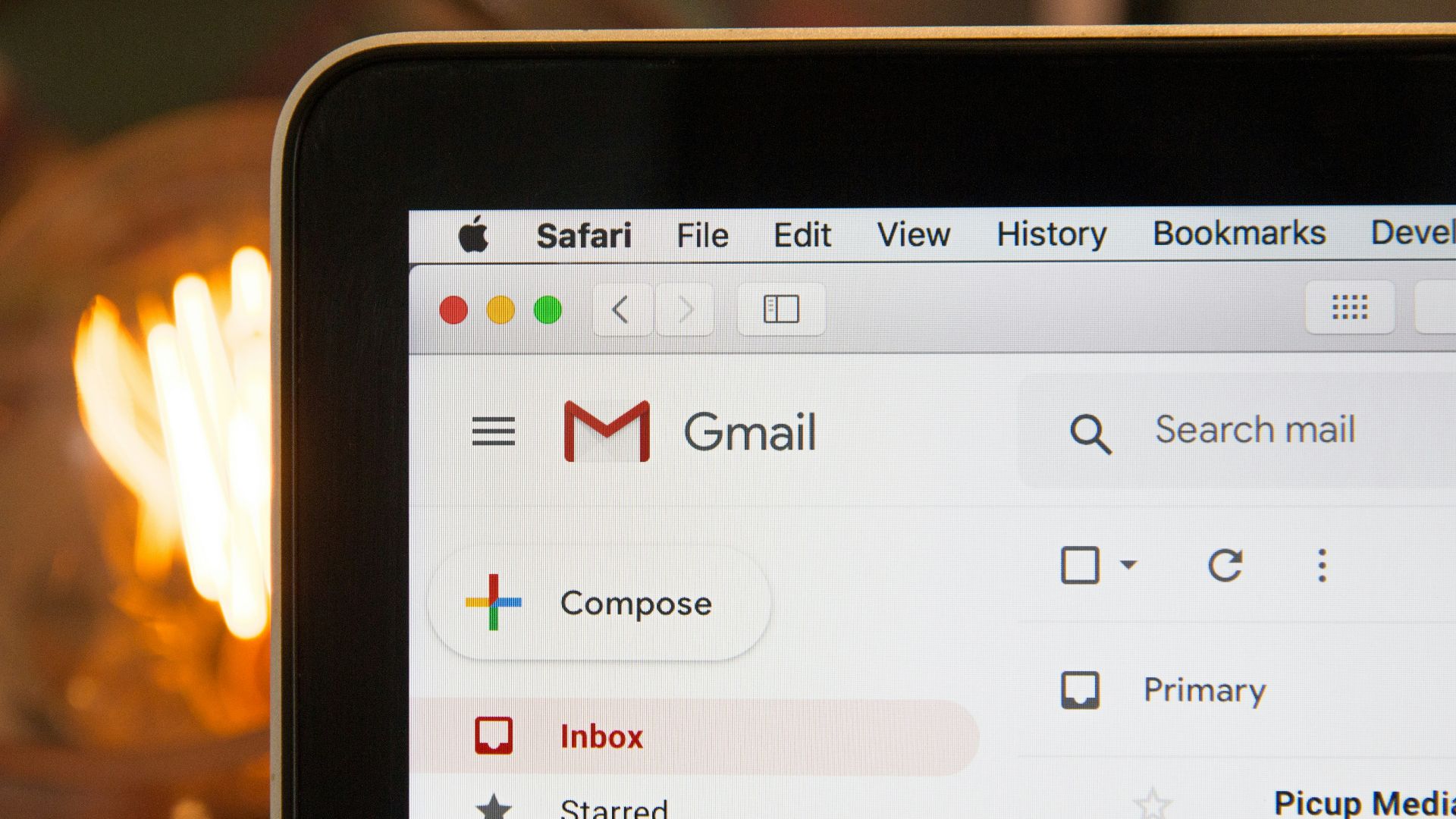
Email feels like a legitimate place to have a conversation. Anyone younger treats it as an obligation for school and work and nothing else. Millennials still check it on weekends.
 Stephen Phillips - Hostreviews.co.uk on Unsplash
12. Remembering Landline Numbers
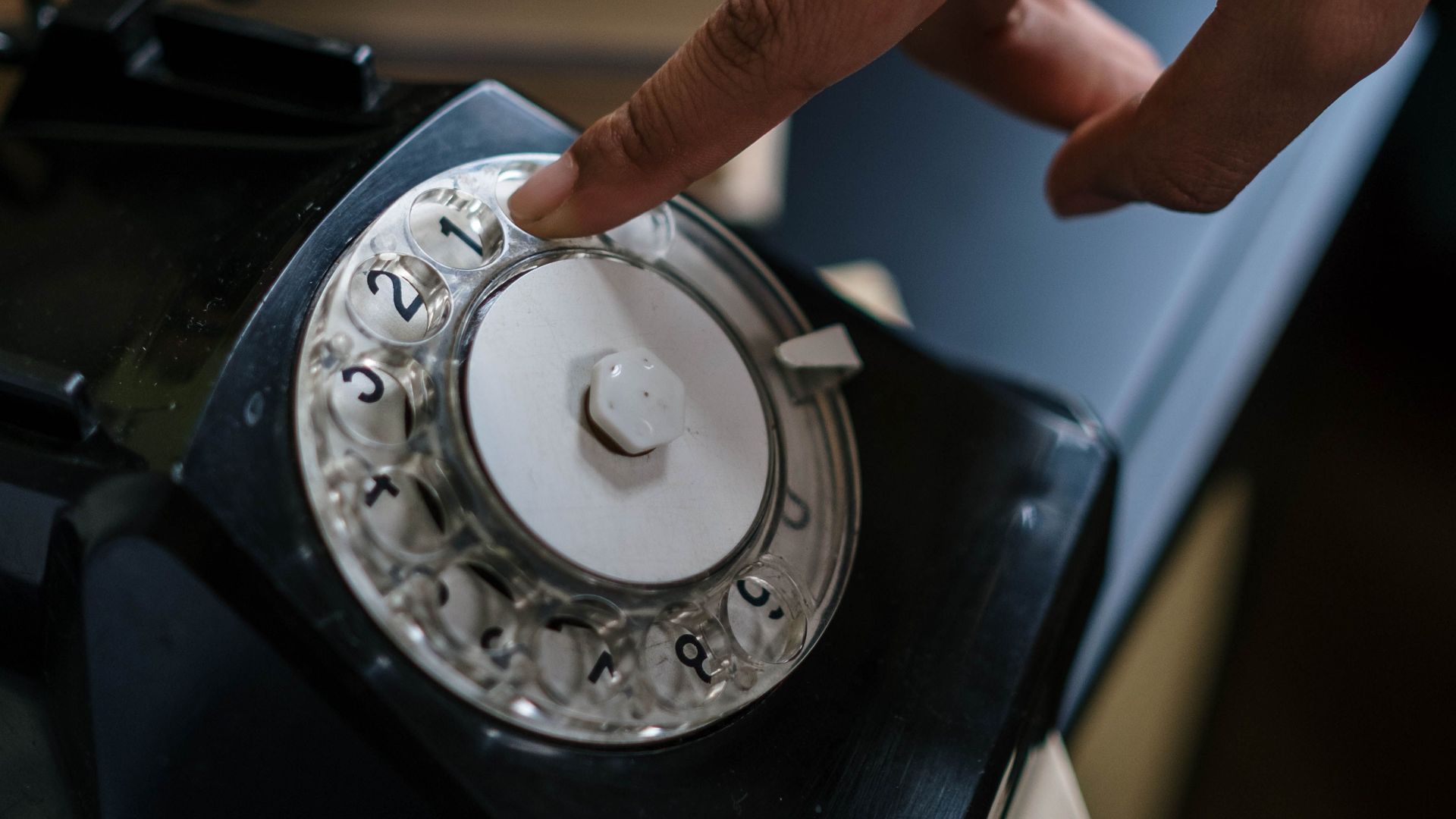
A childhood home phone number sits in long-term memory permanently. That number was dialed hundreds of times before cell phones took over. Nobody born after 2005 memorized anything similar.
13. Saying "I Feel Like"
The phrase softens almost every opinion into something negotiable. It became a millennial verbal tic somewhere around 2012. Once you notice it in your own speech, it's difficult to stop.
 Christina @ wocintechchat.com M on Unsplash
14. Watching Full Episodes
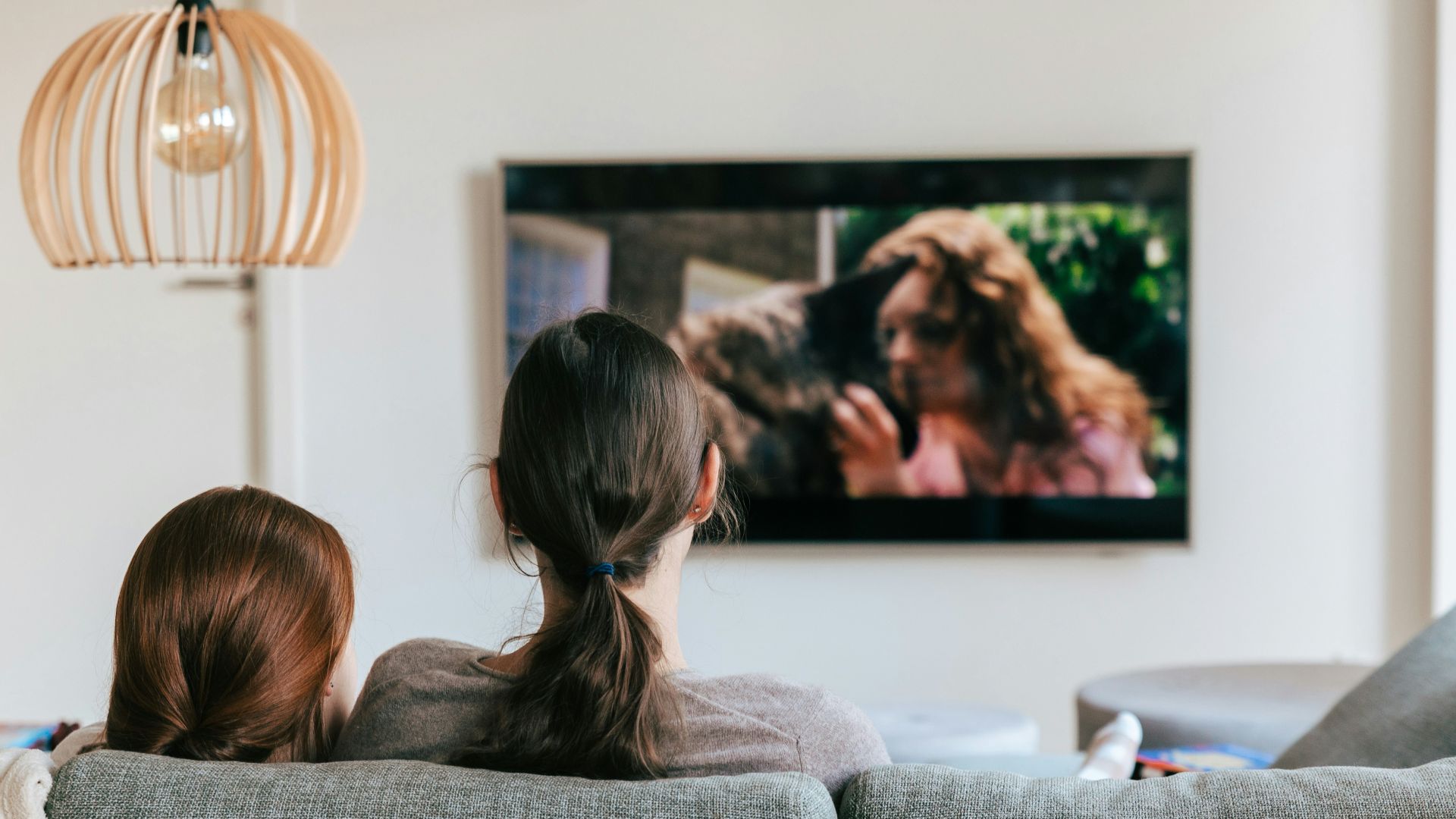
A show gets watched from start to finish, in order, without checking a phone. Younger viewers consume the same content in clips. The tolerance for a 45-minute uninterrupted sitting is generational.
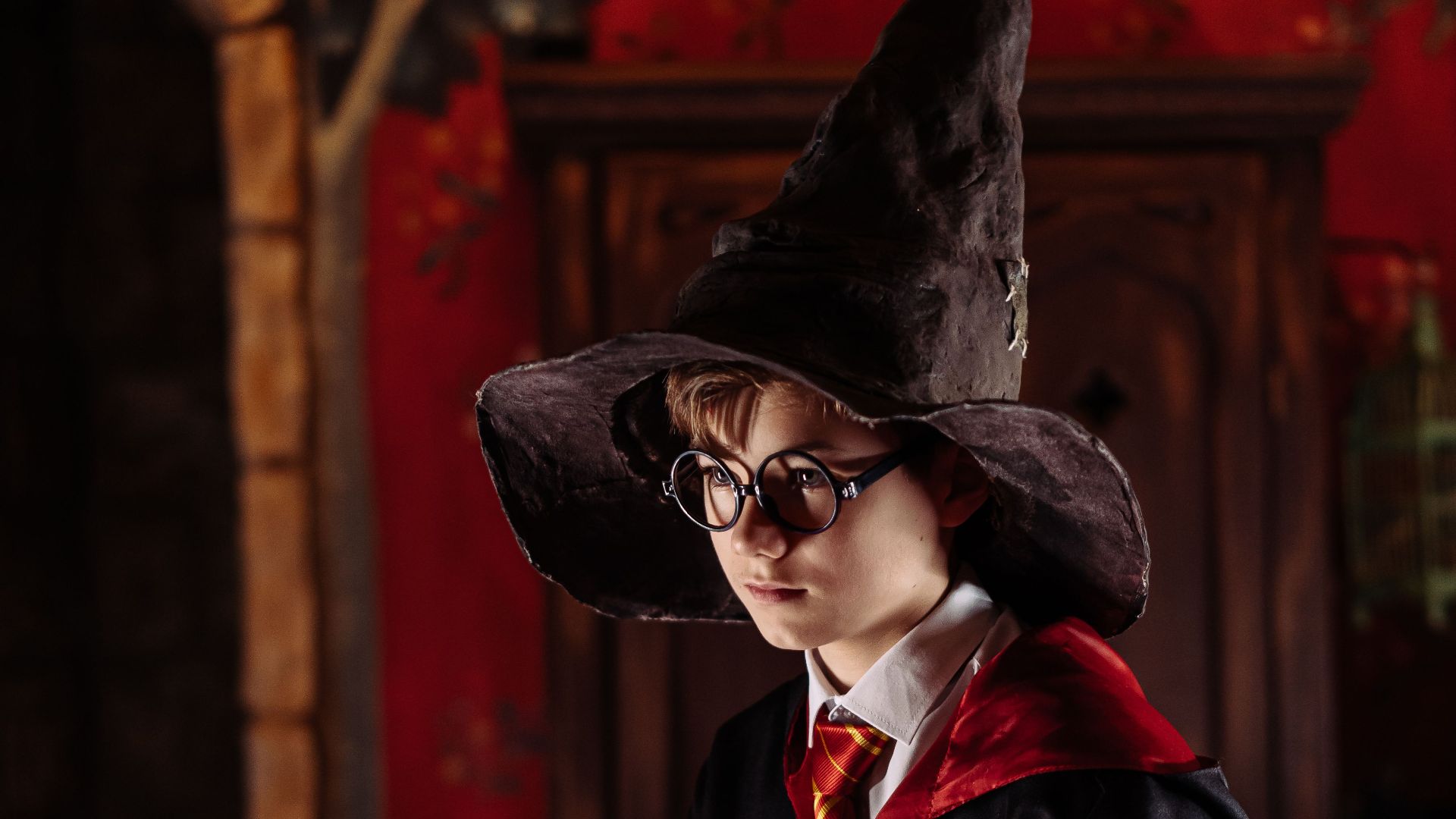
15. Harry Potter Personality Sorting
House affiliation still functions as shorthand for personality among a certain age bracket. It peaked in the 2000s and never entirely faded. Younger people mostly find the reference confusing.
16. Typing Complete Words
Words get spelled out in full, including "you" and "because." Abbreviation feels sloppy rather than efficient. It's a habit from an era when autocorrect wasn't reliable.
17. Nostalgia for the Early Internet
References to AIM away messages, MySpace layouts, or Limewire land instantly with millennials and nowhere else. That period lasted maybe eight years total. The specificity of those memories is a giveaway on its own.
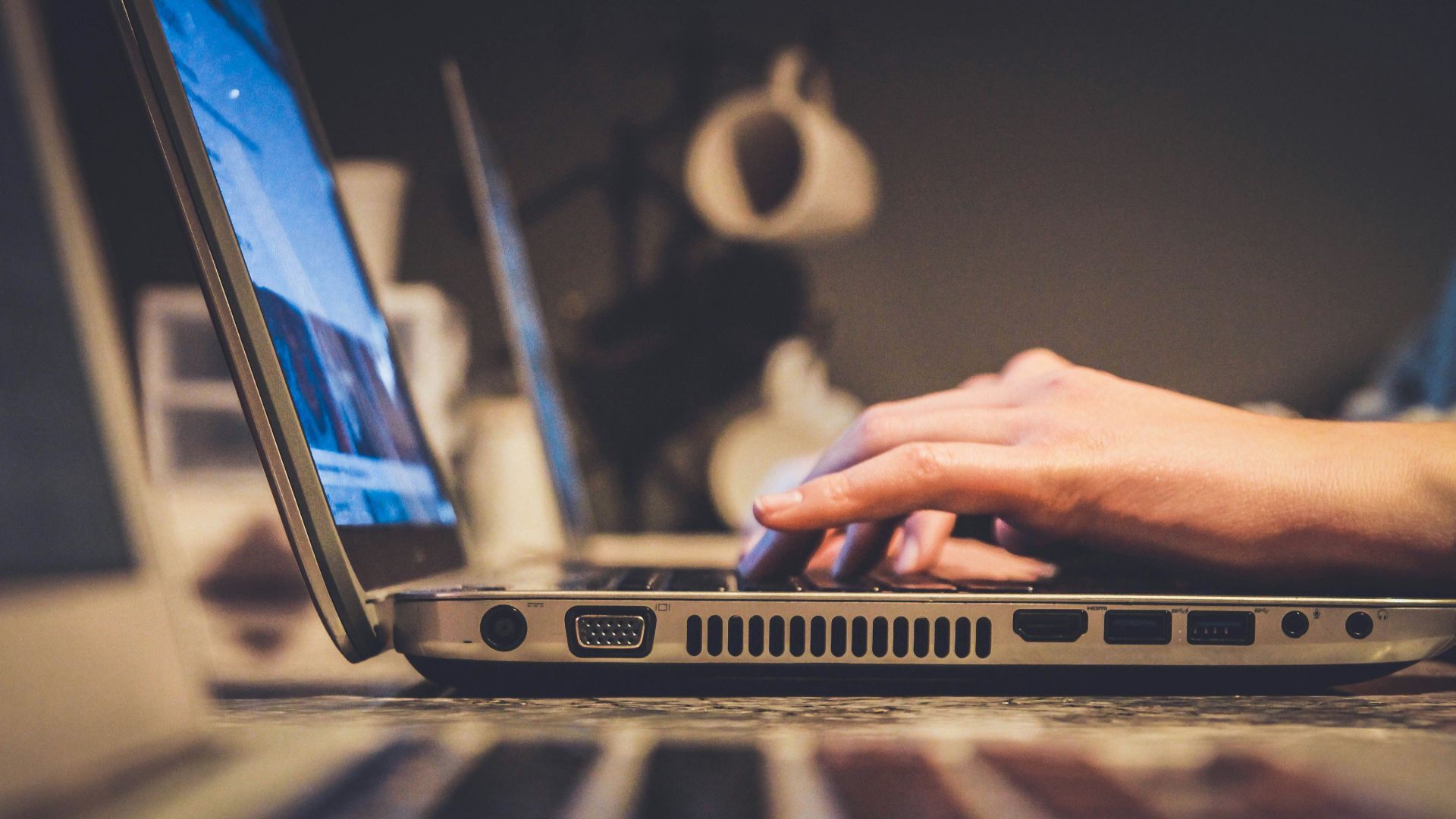
18. Saving Things to the Computer
Files get downloaded and stored locally instead of living in the cloud by default. There's usually a folder structure involved. Younger users work almost entirely inside apps.

19. Awkward Around Video
Video calls and voice notes both produce visible hesitation. Millennials grew up on text and adapted to video late, mostly during 2020. The discomfort never fully went away.
20. Explaining the Reference
A joke gets made and then immediately unpacked, in case the room missed it. It comes from years of internet culture where context wasn't assumed. Younger speakers let the reference sit and move on.