The Rules Are Getting Rewritten
The oldest members of Gen Z are pushing thirty and have small children, which means the generation raised on the internet is now deciding what their own kids get exposed to. Some of what they're rejecting is what they grew up with, and they're specific about which parts. The pattern is less about being permissive than about picking through what previous generations did and keeping the good bits. Here's 10 rules they're breaking and 10 they're bring back.
1. Forced Hugs for Relatives
Grandma wants a hug and the kid doesn't want to give one. Gen Z parents tend to side with the kid, offering a wave or a high five as a substitute, on the reasoning that a child allowed to decline a relative is better prepared to decline anyone else. Older family members usually take this harder than the child does, and it is a reliable source of tension at holidays.
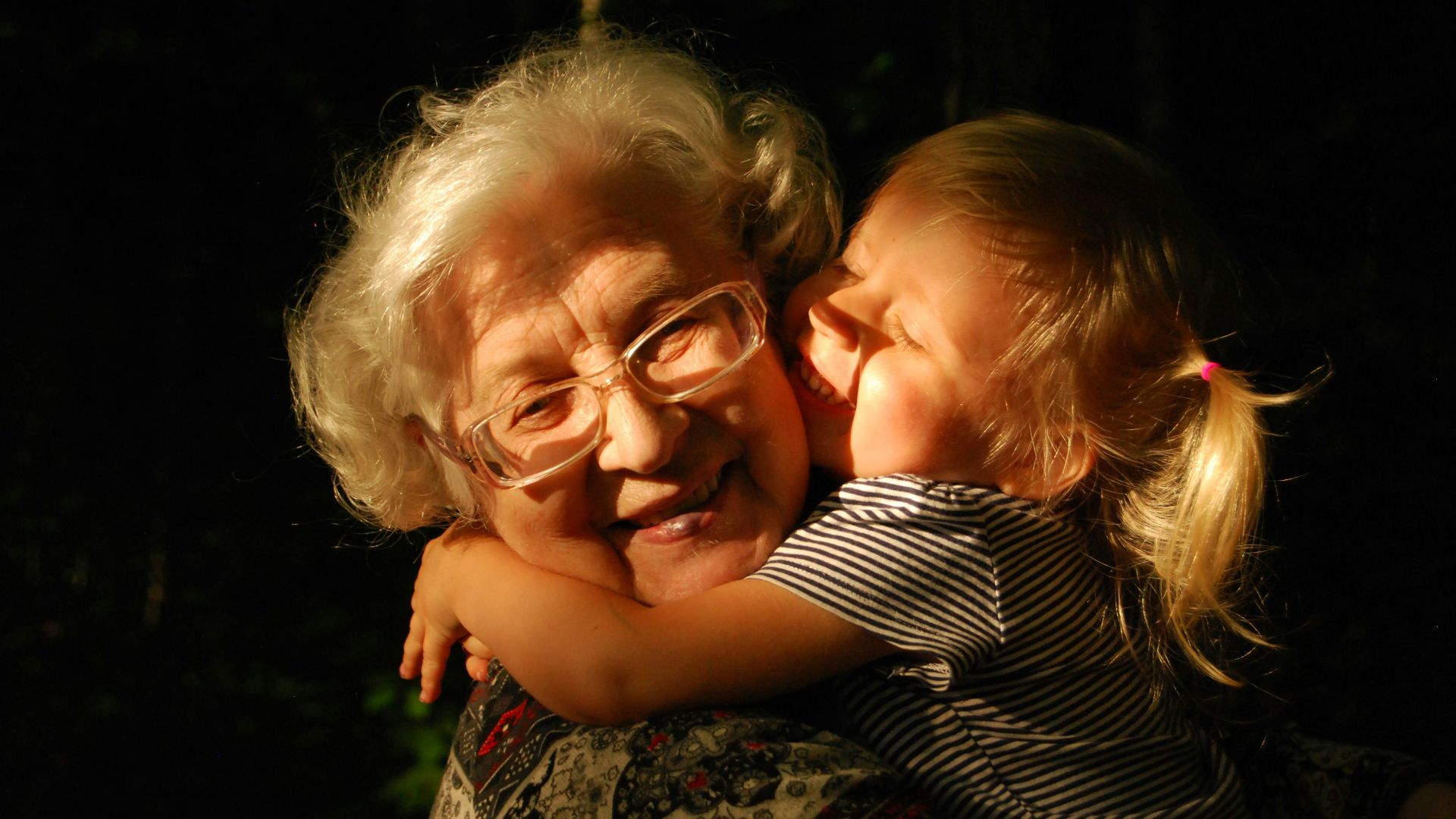 Ekaterina Shakharova on Unsplash
2. Because I Said So
That answer was designed to bring a quick end to a conversation. Younger parents are more likely to give the actual reason, even to a four-year-old who will argue back. The cost is that everything takes longer, and the kids come out of it alarmingly good at negotiating with adults.
3. Spanking
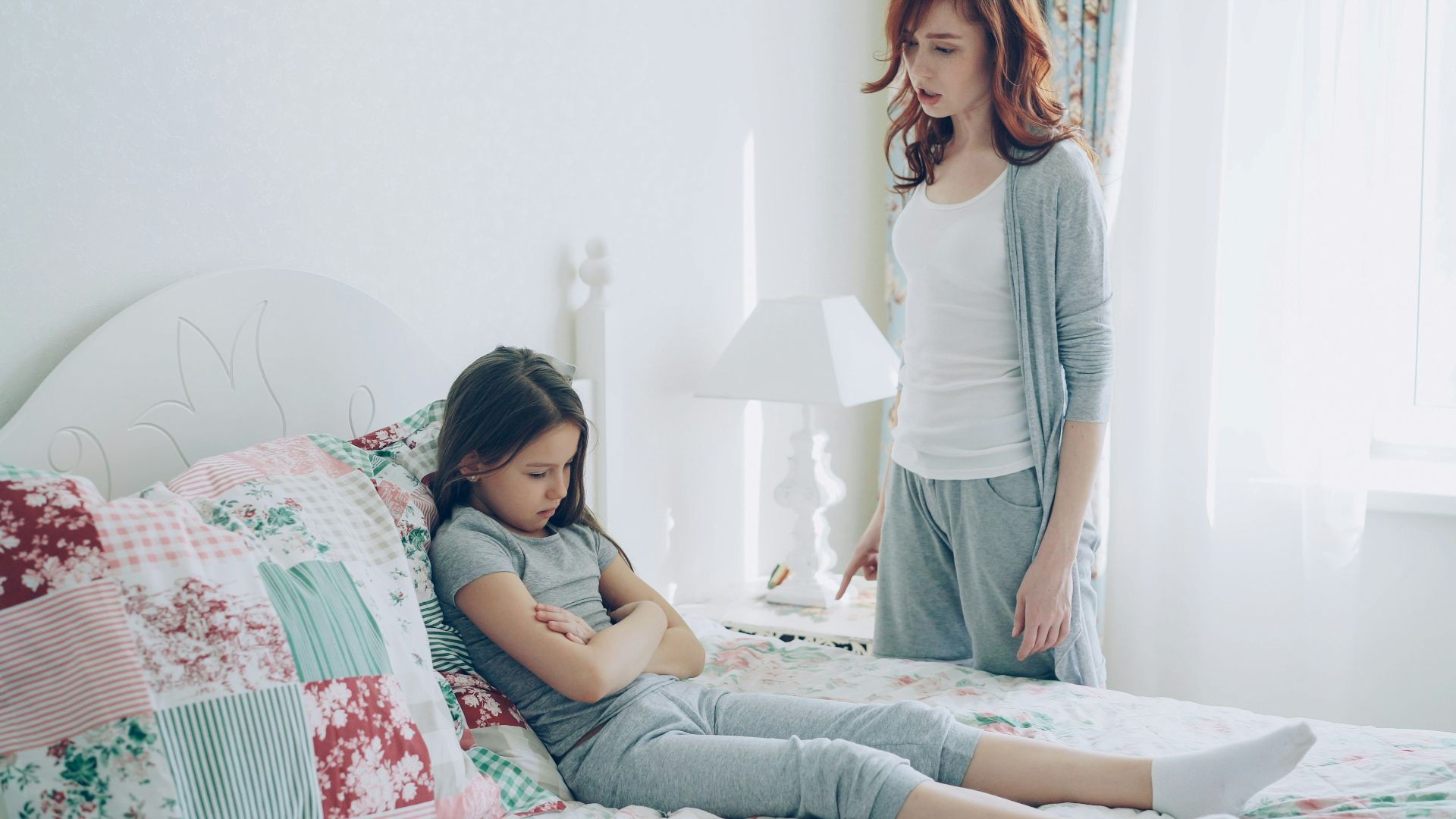
Corporal punishment has been declining for decades and this generation is accelerating the drop. The American Academy of Pediatrics issued a policy statement against it in 2018, pointing to evidence that it worsens behavior over time rather than correcting it. Plenty of Gen Z parents were spanked and made a deliberate decision not to pass it along.

4. Money Is Not a Kids' Topic
Household finances used to be filed under adult business. Kids now hear what groceries cost and why the trip isn't happening this year, in plain numbers. The thinking is that adults who are confused about money usually grew up in houses where nobody said any of it out loud.
5. Parents Don't Apologize
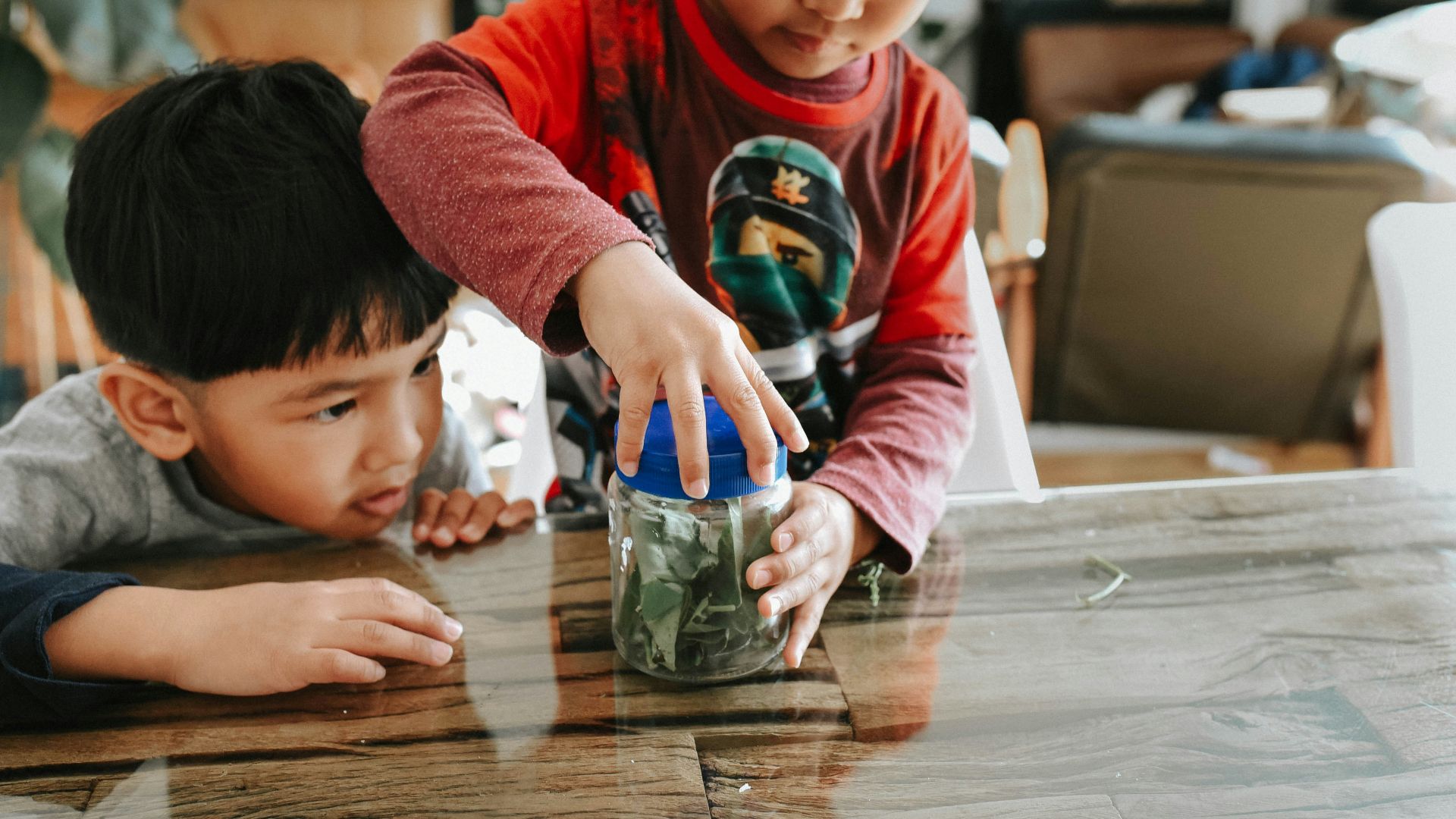
Saying sorry to your own child was once treated as handing over authority. Gen Z apologizes, sometimes at a frequency their own parents find baffling to watch. The argument behind it is that a kid who never sees an adult repair a mistake has no model for doing it himself.

6. Clean Your Plate
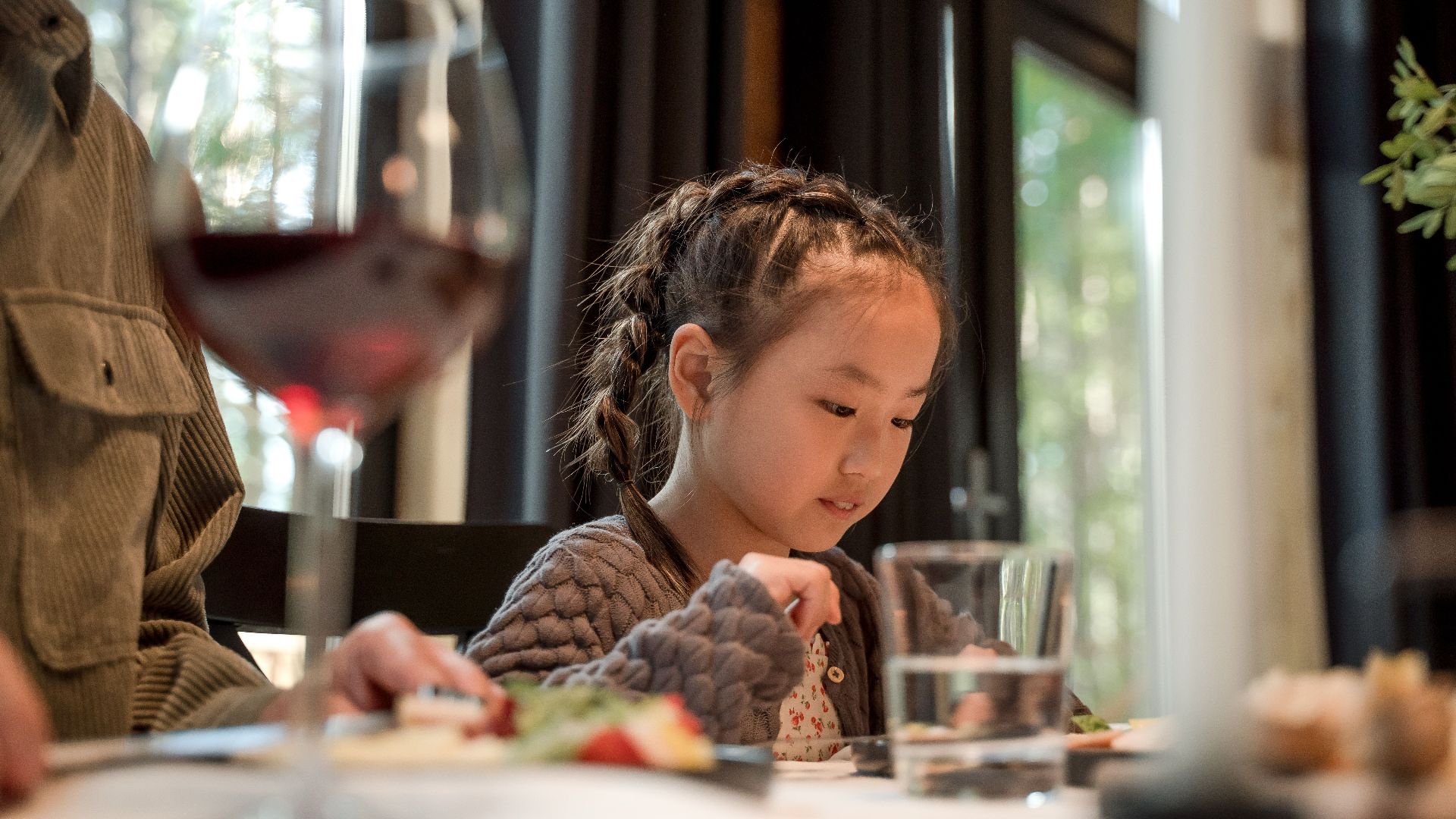
Finishing everything served was non-negotiable in a lot of houses, often with the dish reappearing at the next meal. Pediatric guidance now runs the other way, since overriding a child's fullness cues is associated with worse eating patterns later on. Smaller portions with seconds available became the workaround, which puts the decision back on the kid.
7. Boy Toys and Girl Toys
Color-coded store aisles are being ignored on a large scale. A boy with a play kitchen or a girl with a dump truck registers as unremarkable to most parents under thirty, and clothing has loosened along the same lines. Objections tend to arrive from outside the household, usually from a relative who finds the whole thing confusing.

8. Posting Every Milestone
Millennials documented their children exhaustively, and Gen Z watched what became of that footage. A private account for family only is now common, and posting nothing at all is not unusual. The first generation to grow up fully searchable is the first to think about a child's consent before uploading.

9. Children Should Be Seen and Not Heard
Kids were expected to stay clear of adult conversation at gatherings and eat at a separate table. That barrier has mostly come down, which makes family dinners louder and considerably more chaotic. Whether it produces more confident adults or just more interrupting is still being decided.

10. Toughing It Out
Therapy carried real stigma for previous generations, and carried more of it for children. Gen Z parents start kids in it early and discuss it without lowering their voice. Critics make a reasonable case that this turns ordinary childhood difficulty into a diagnosis, and that argument has not been settled.
Now, here's 10 they're bringing back.

1. Unsupervised Outdoor Play
Kids roaming a neighborhood until dinner faded out across roughly thirty years of rising safety anxiety. It's returning with some organized support behind it, including the nonprofit Let Grow and free-range parenting laws passed in states like Utah. The modern version usually comes with a defined boundary and a time to be back.

2. Letting Kids Be Bored
Every open hour used to get filled with an enrichment activity that someone had to drive to. A lot of younger parents have stopped doing that, working from the idea that boredom is the condition under which children invent things and use their imaginations.

3. Chores That Actually Matter
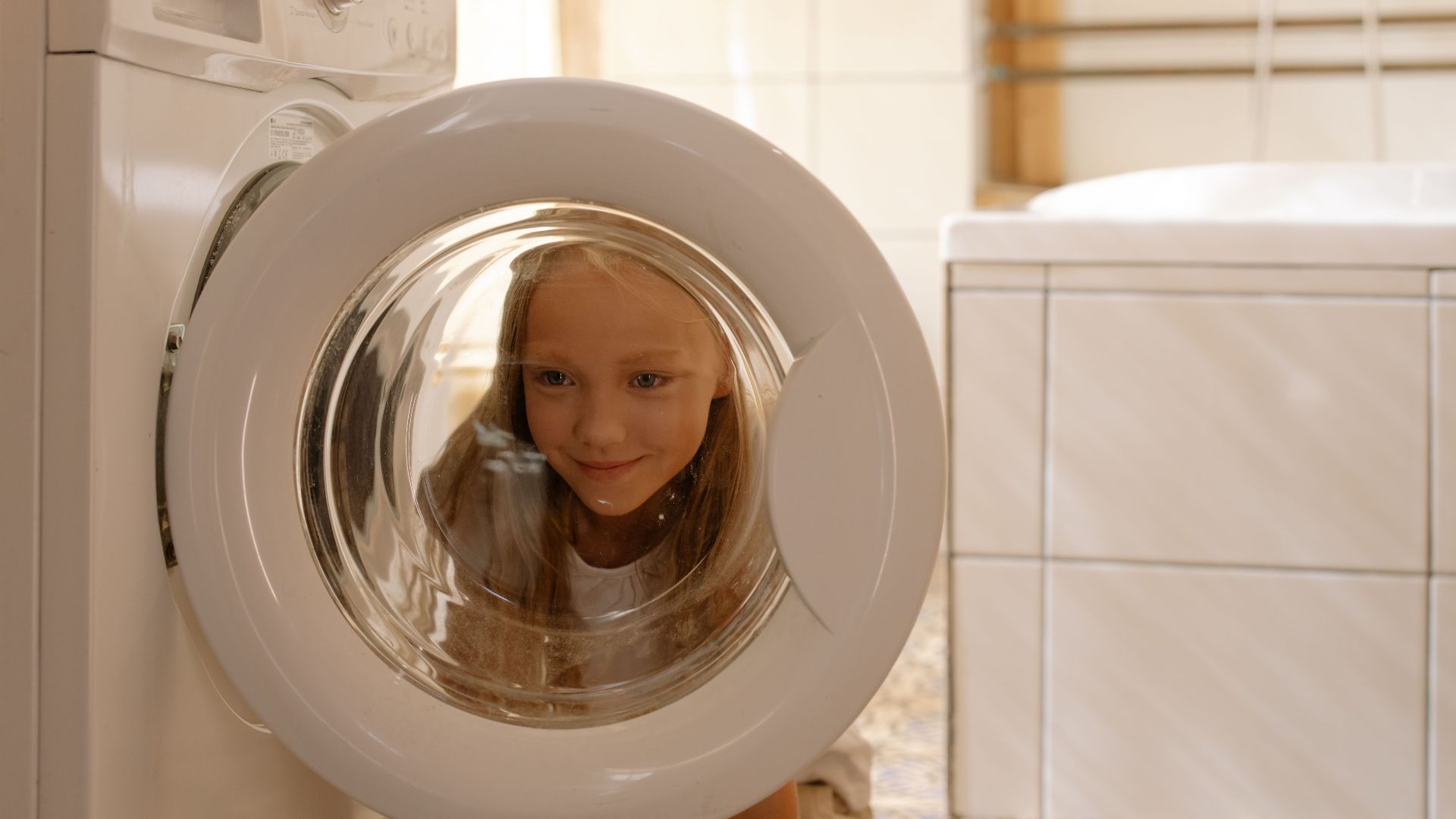
Chores drifted toward token gestures with a sticker chart attached to them. The version coming back gives a ten-year-old responsibility for the laundry or one dinner a week, with the household actually depending on it. Payment is often part of the deal, but not always.
4. Dinner at the Table
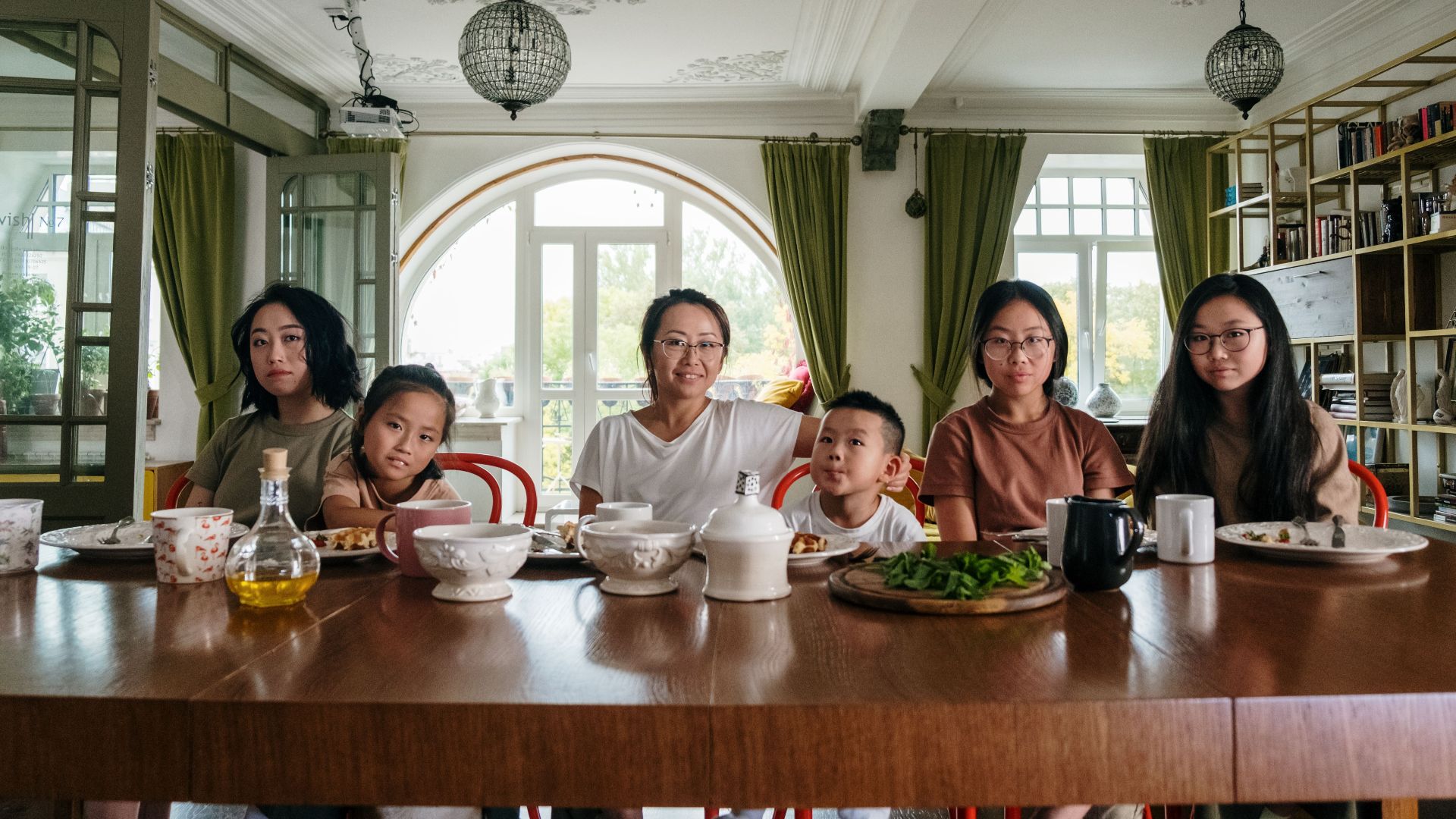
Eating together at a set time with the television off is being defended by people whose schedules make it difficult. The phones go in another room, which is the one new part of an otherwise old habit. Most families land on a few nights a week rather than every night, and count that as the win.
5. No Smartphone Until High School
Delaying a first phone has turned into a coordinated effort rather than an individual choice, since a kid holding out alone is the one left out. Pledges like Wait Until 8th get whole classrooms of parents to commit together, and Jonathan Haidt's 2024 book pushed the argument into the mainstream. A basic phone that calls and texts is the usual compromise.

6. Hand-Me-Downs
Buying everything new for a first baby is expensive for equipment used over a period of months. Secondhand marketplaces and clothes passed between cousins carry no embarrassment for this generation at all. The environmental case and the financial case point the same direction, which helps.
7. Grandparents Under the Same Roof
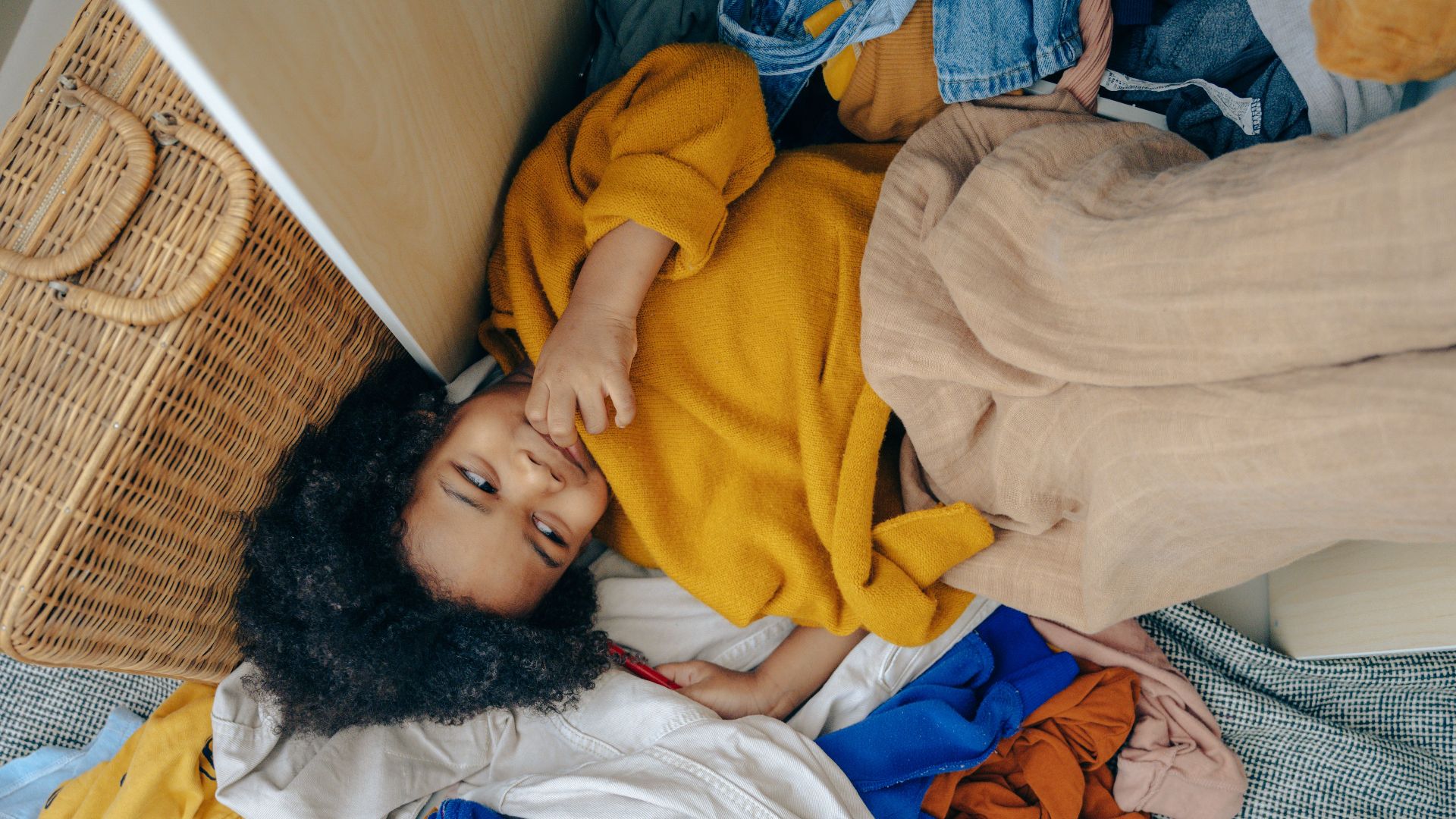
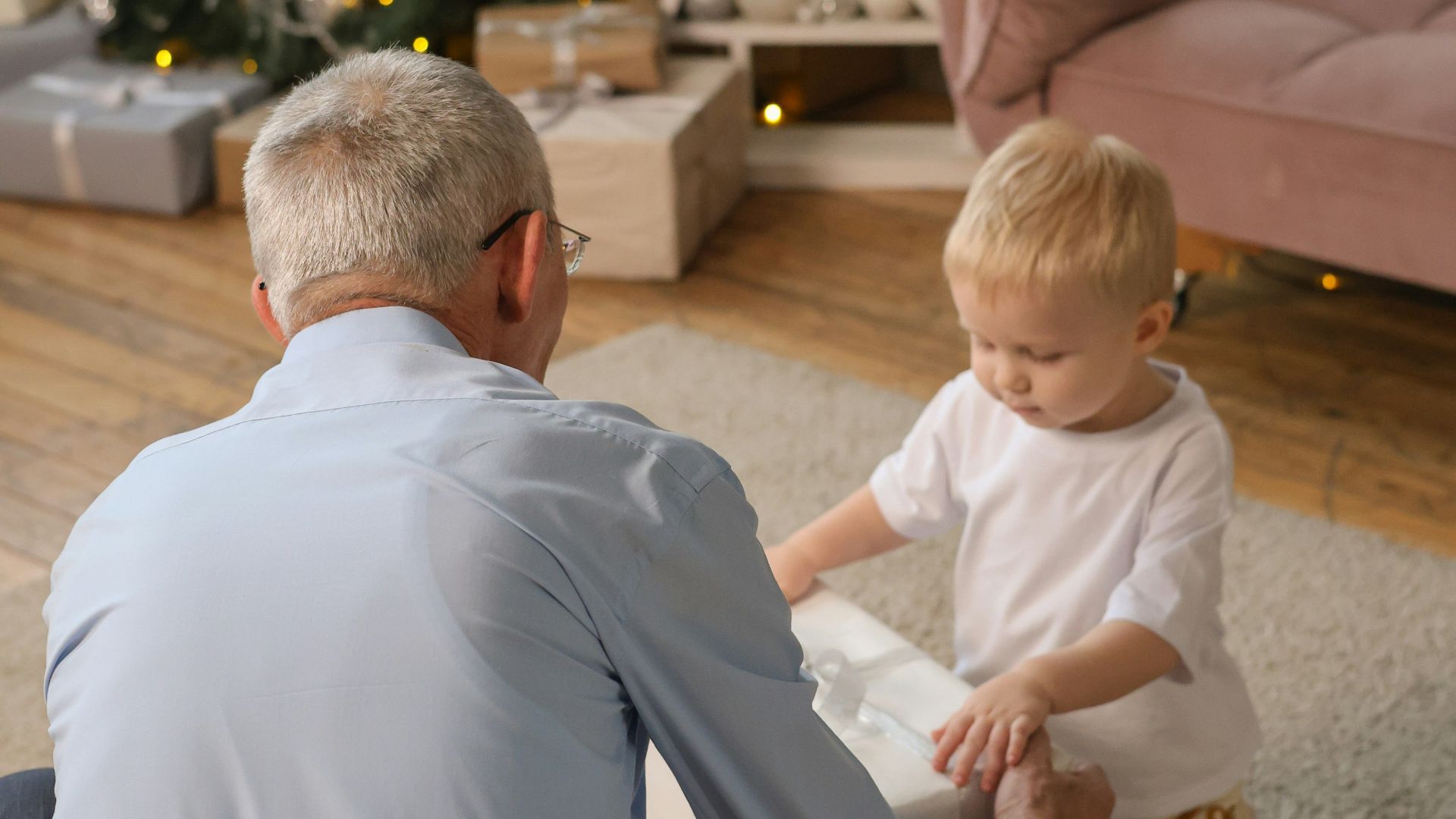
Pew has tracked multigenerational households climbing to their highest share in decades. Childcare costs and housing costs both push families toward the arrangement, and it solves both problems with one lease. It also restores something that was ordinary before the postwar suburbs made it strange.
 Aleksandra Sapozhnikova on Unsplash
8. Early, Fixed Bedtimes
Bedtime went flexible for a stretch, drifting later as evenings got busier. It's tightening back up on the strength of sleep research that keeps reaching the same conclusion. The child objects at first, but it's for their own good, which parents figure out within about a week.

9. Walking to School
Being driven everywhere became the default in a single generation. Walking or biking is coming back where the neighborhood makes it possible, sometimes as a pack of kids with one adult watching from the corner. The independence is the point, and the exercise is a side effect nobody objects to.

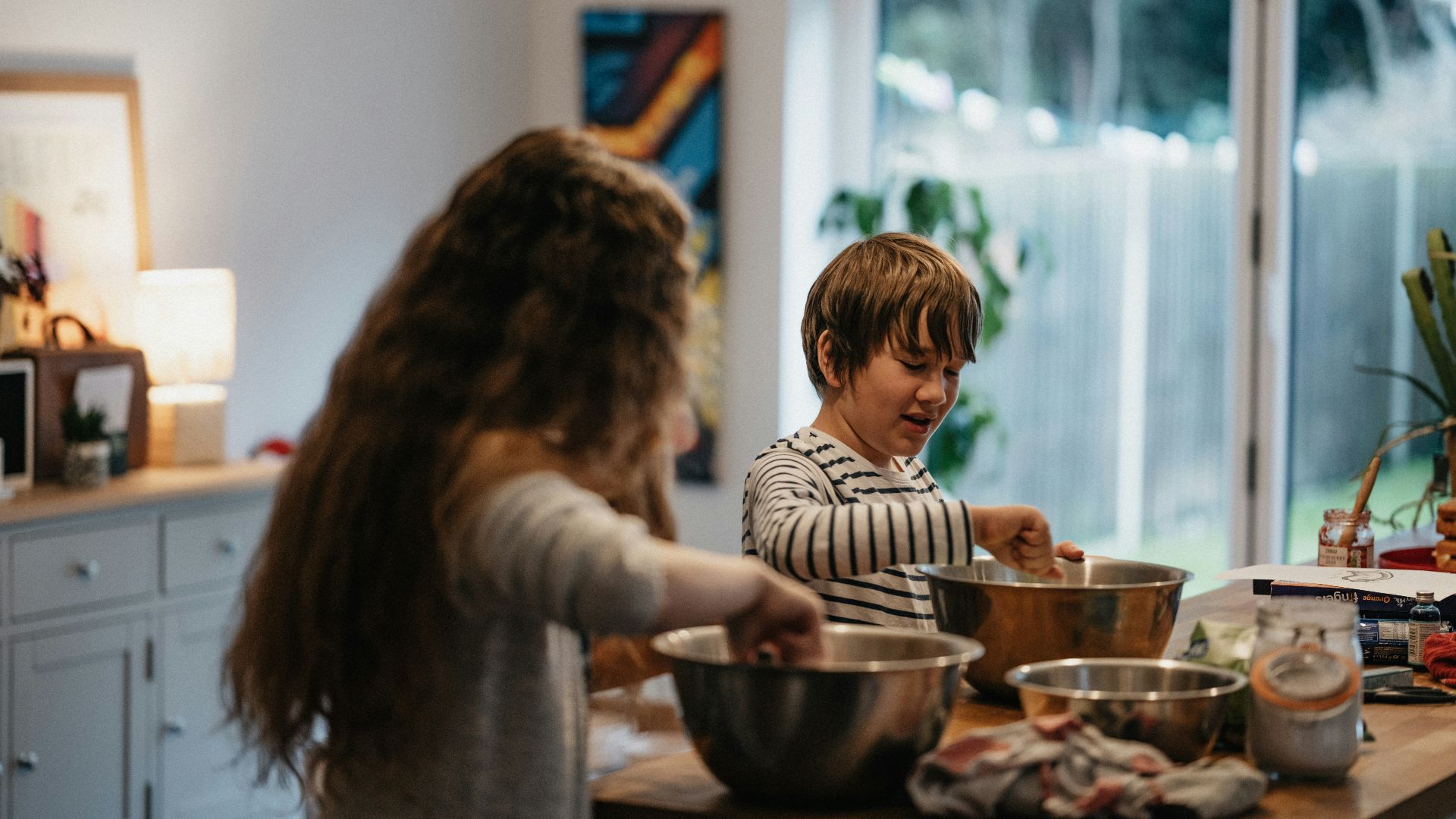
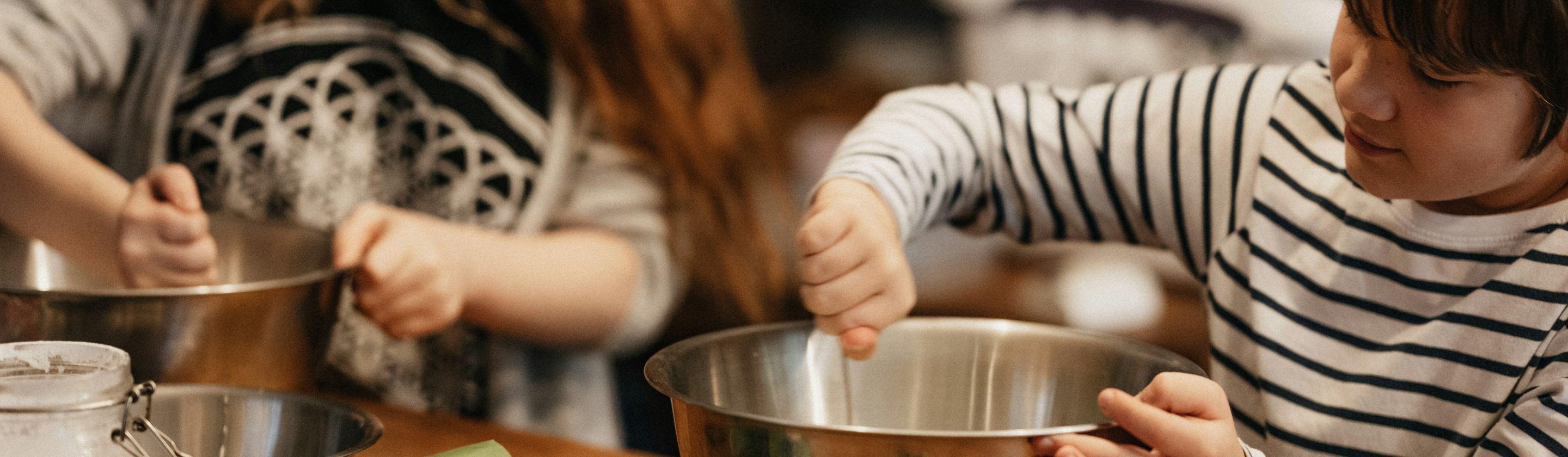
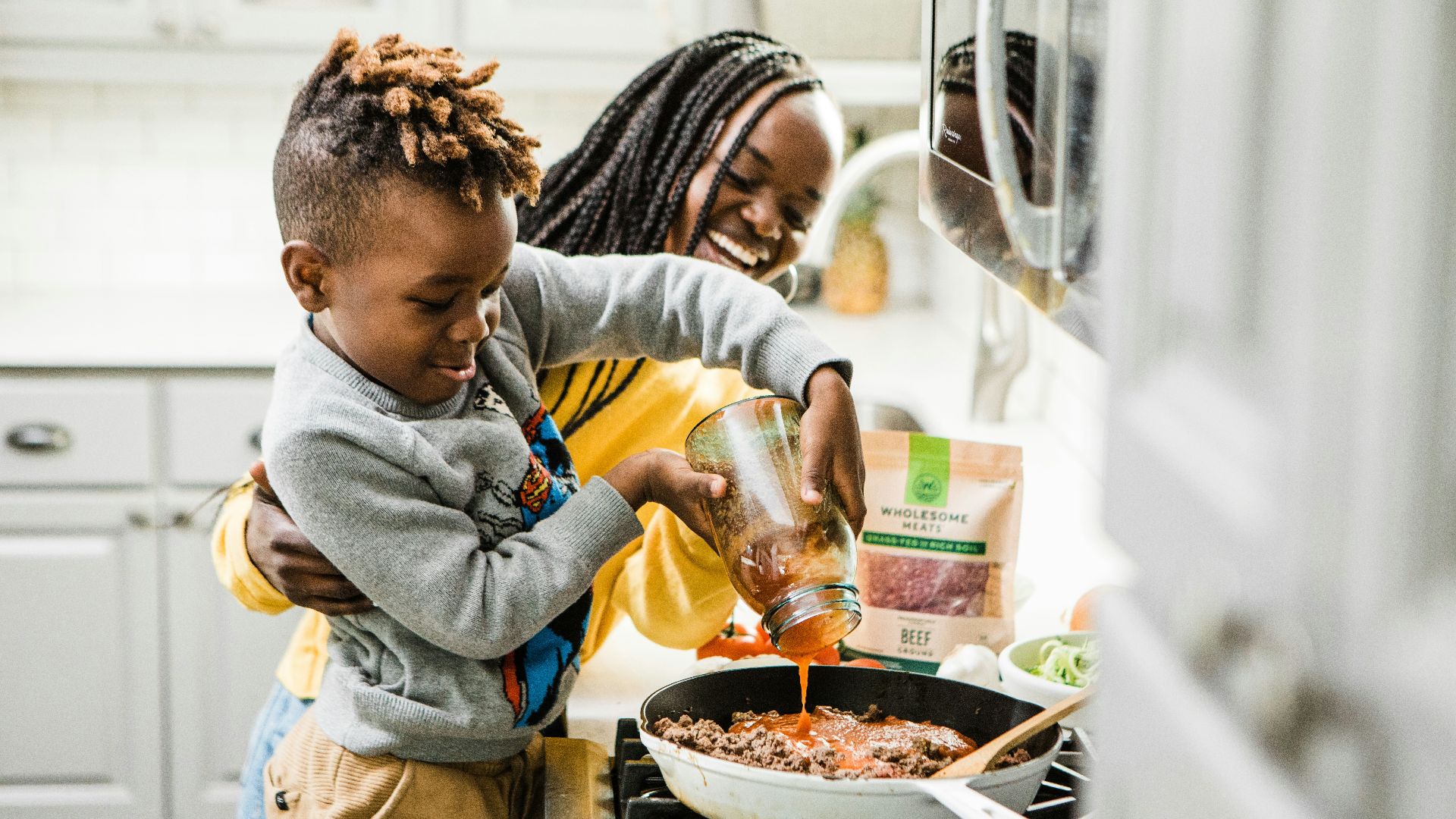
10. Cooking From Scratch
Kids are being taught to make an actual meal instead of standing by to stir something. Home economics vanished from most school schedules years ago, so this falls to parents who were frequently never taught it either. A good number of them are working through it alongside their kids.