It's Not Always Fun in the Sun
After decades of shoveling snow and scraping ice off your windshield, you've probably had your fill of Old Man Winter. No one could blame you, especially once you hit your golden years! However, the grass isn’t only literally greener on the other side. From unexpected household expenses to frustrating changes in your daily routine, here are 20 reasons retiring to a warmer state isn't necessarily the best decision.
1. Summers Can Be Unbearable
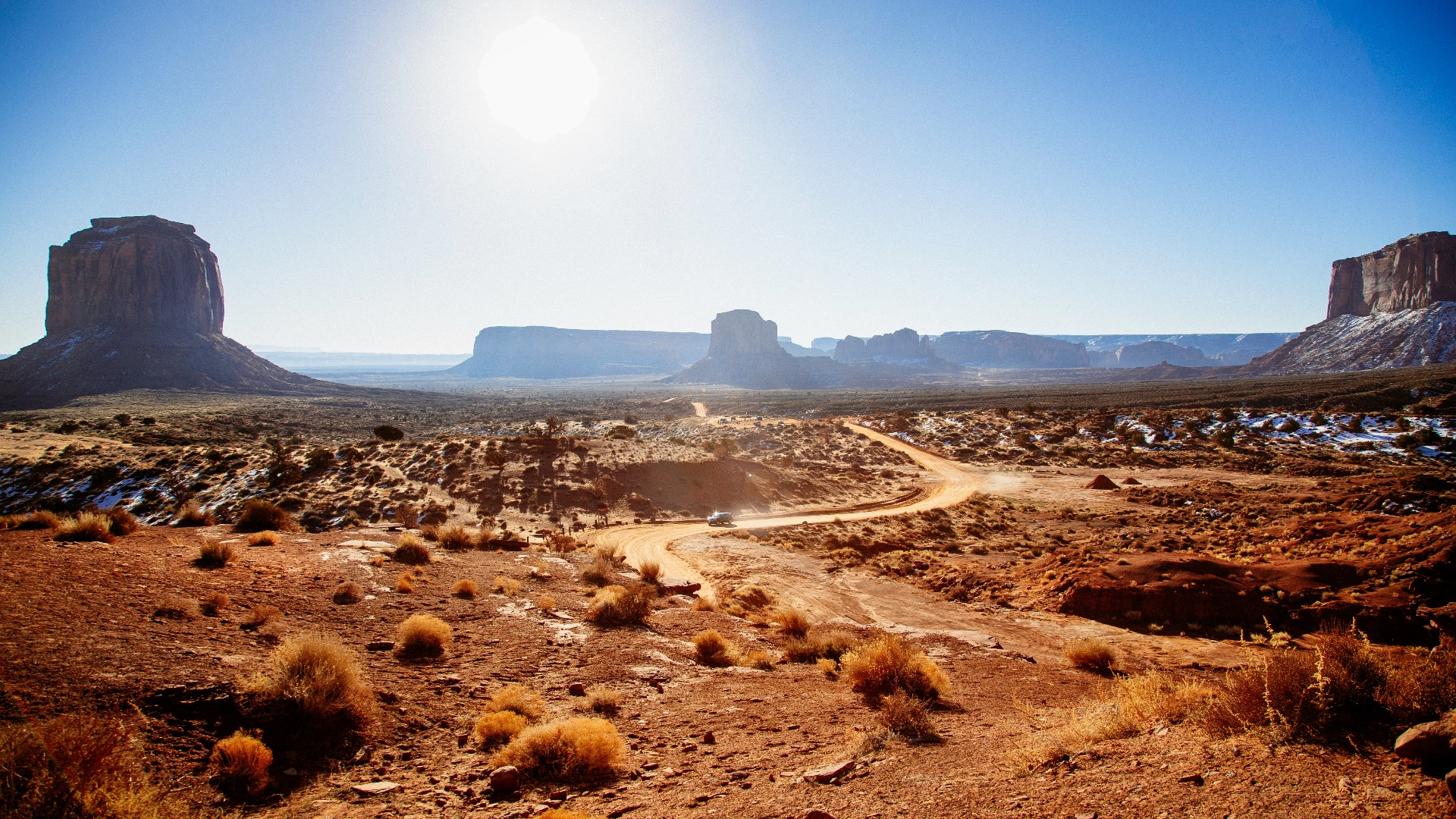
There's a difference between enjoying an 80-degree afternoon and enduring several consecutive days of triple-digit temperatures. Don’t forget that the heat waves are only getting worse in some states, and if you aren’t used to it, you’ll probably bake quicker than you think.
2. Expensive Homeowners Insurance
Purchasing a reasonably priced property doesn't necessarily mean it'll be affordable to insure. In hurricane-prone parts of Florida and along the Gulf Coast, insurance companies love to jack up the prices, which means you’ll face substantial premiums and separate deductibles. Those recurring expenses deserve serious thought when you're working with a fixed income, too.
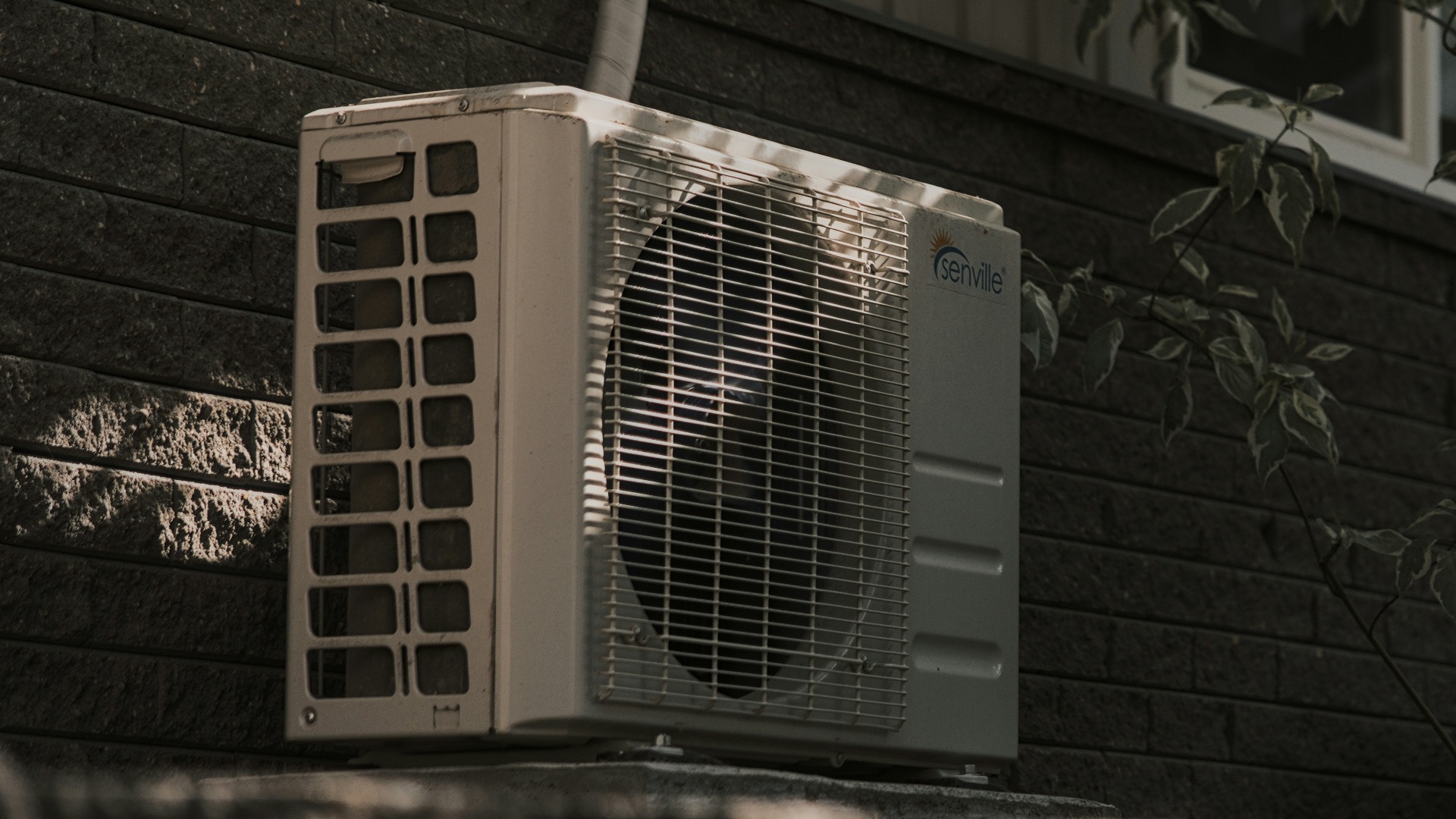
3. You'll Spend More on Air Conditioning
Remember what we just said about those horrible heat waves? Well, if you’re looking to spare yourself a sunburn, you’ll need to shell out for AC. Factor in servicing and eventually replacing your cooling system, and those warmer temperatures aren't so economical.
4. You Might Not Handle the Heat
Even if you've always considered yourself a summer person, your tolerance for extreme temperatures can change with age. Though older adults generally prefer a pleasant sunny day, they’re also generally more susceptible to heat-related illnesses, especially when medications or underlying health conditions are thrown in.
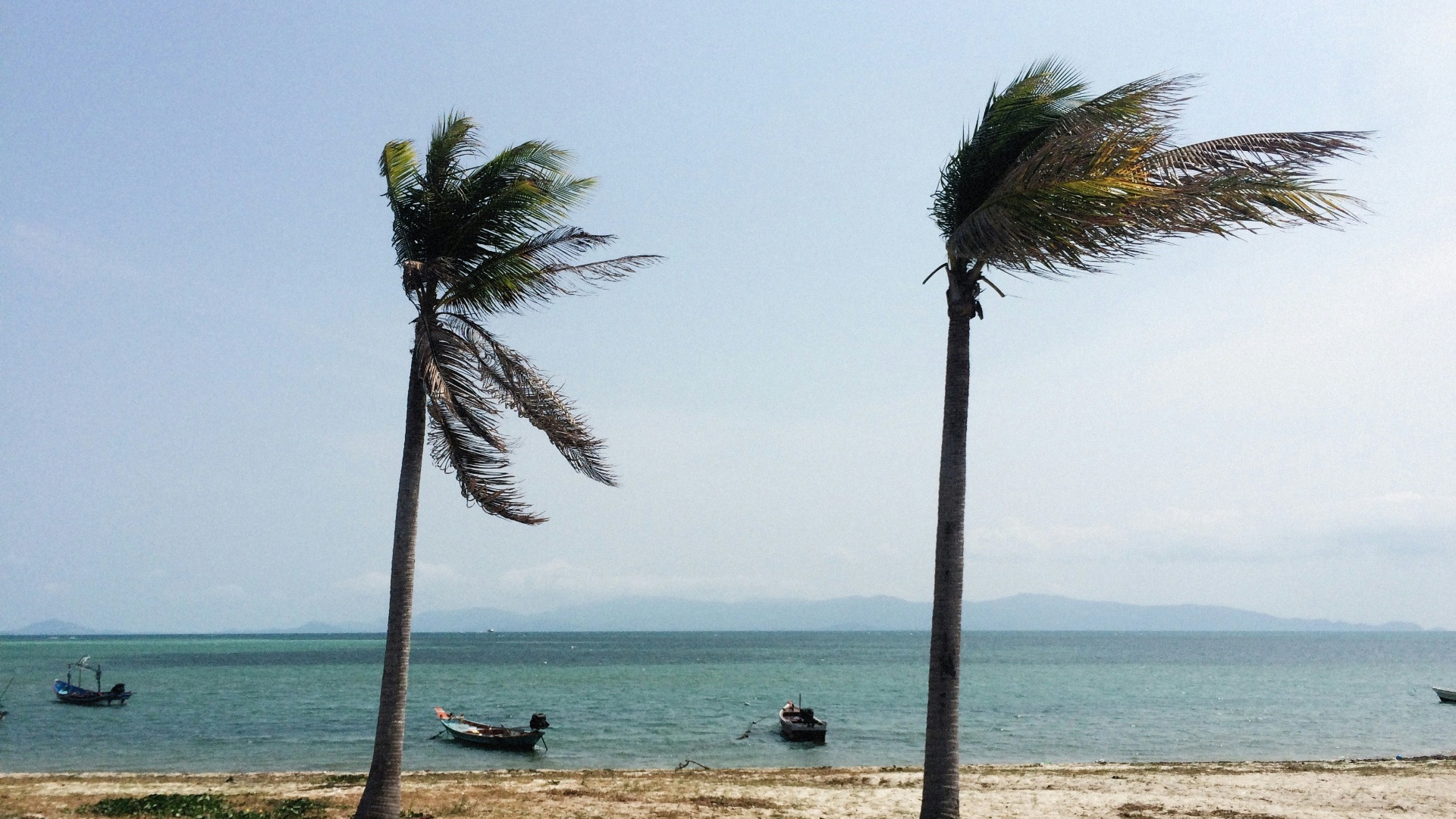
5. Hurricane Season
Watching hurricane coverage from another state is a lot less stressful than having to prepare for one yourself. Retirement could easily involve installing storm shutters, purchasing emergency supplies, and developing evacuation plans. That's hardly the carefree lifestyle you want when buying a beachfront property.
6. Household Pests
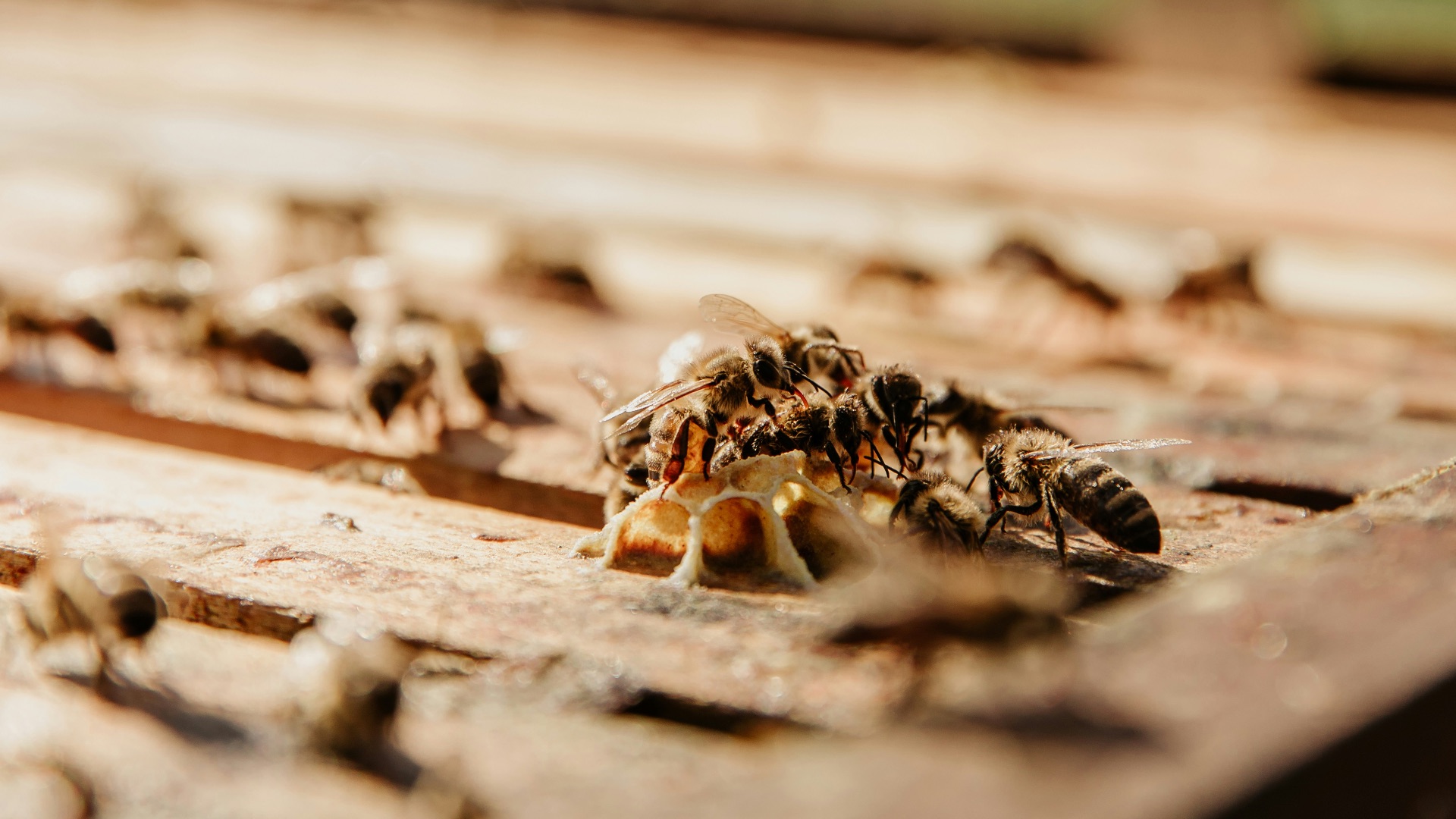
Oh, you thought the spiders in your basement were bad? Yeah, well, you haven’t seen anything yet! Cockroaches, termites, and fire ants can be persistent problems, particularly in regions where mild winters allow those creepy crawlies to live longer.
7. Tourist Season Can Disrupt Your Routine
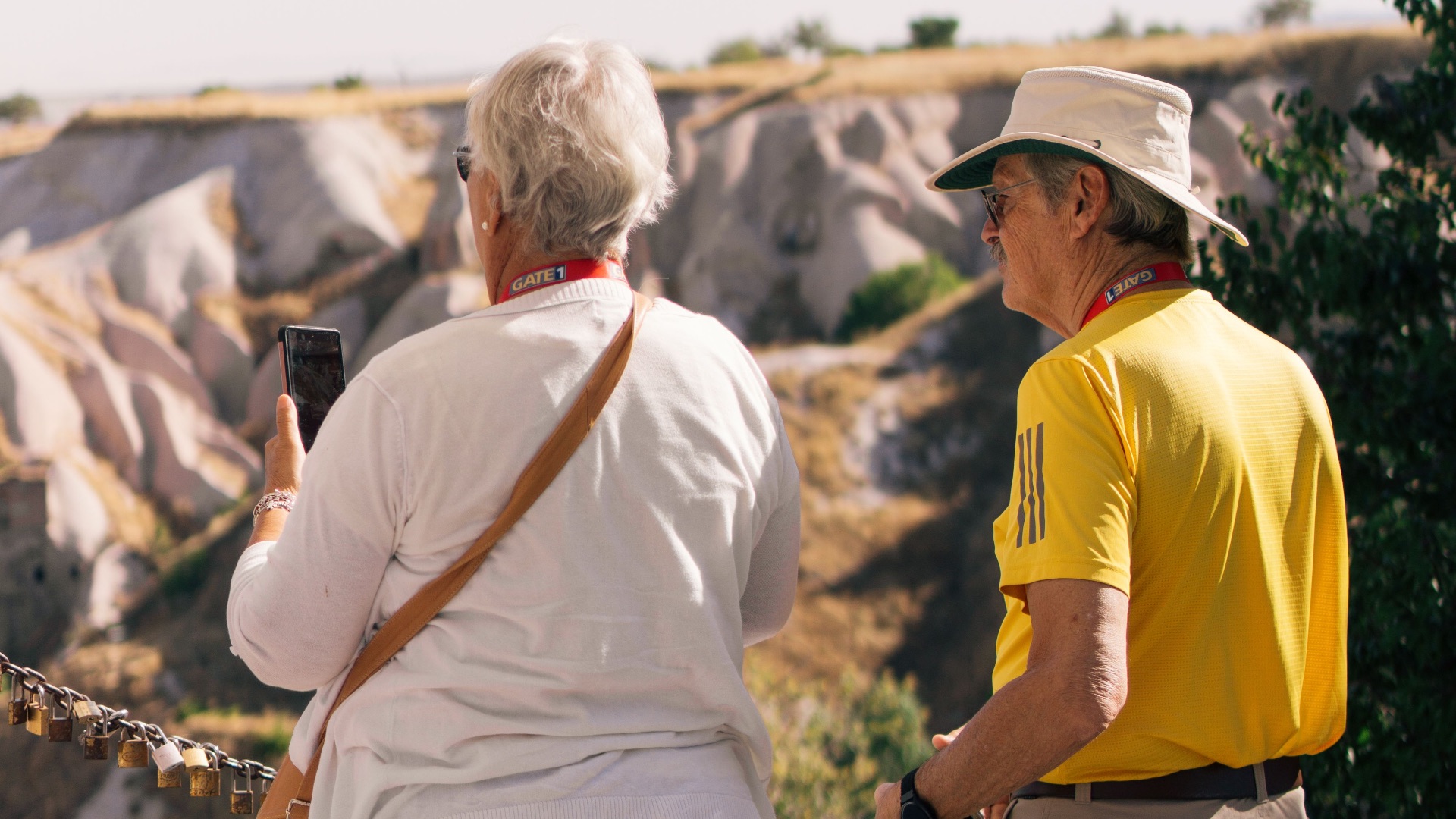
Living in a popular vacation spot means it’s popular for everyone else, too. A quiet breakfast spot near the Florida coast could become flooded with people during spring break, while local roads and parking lots fill up. Next thing you know, you’ll avoid the very attractions that convinced you to move there.
8. Gardening Requires a Different Approach
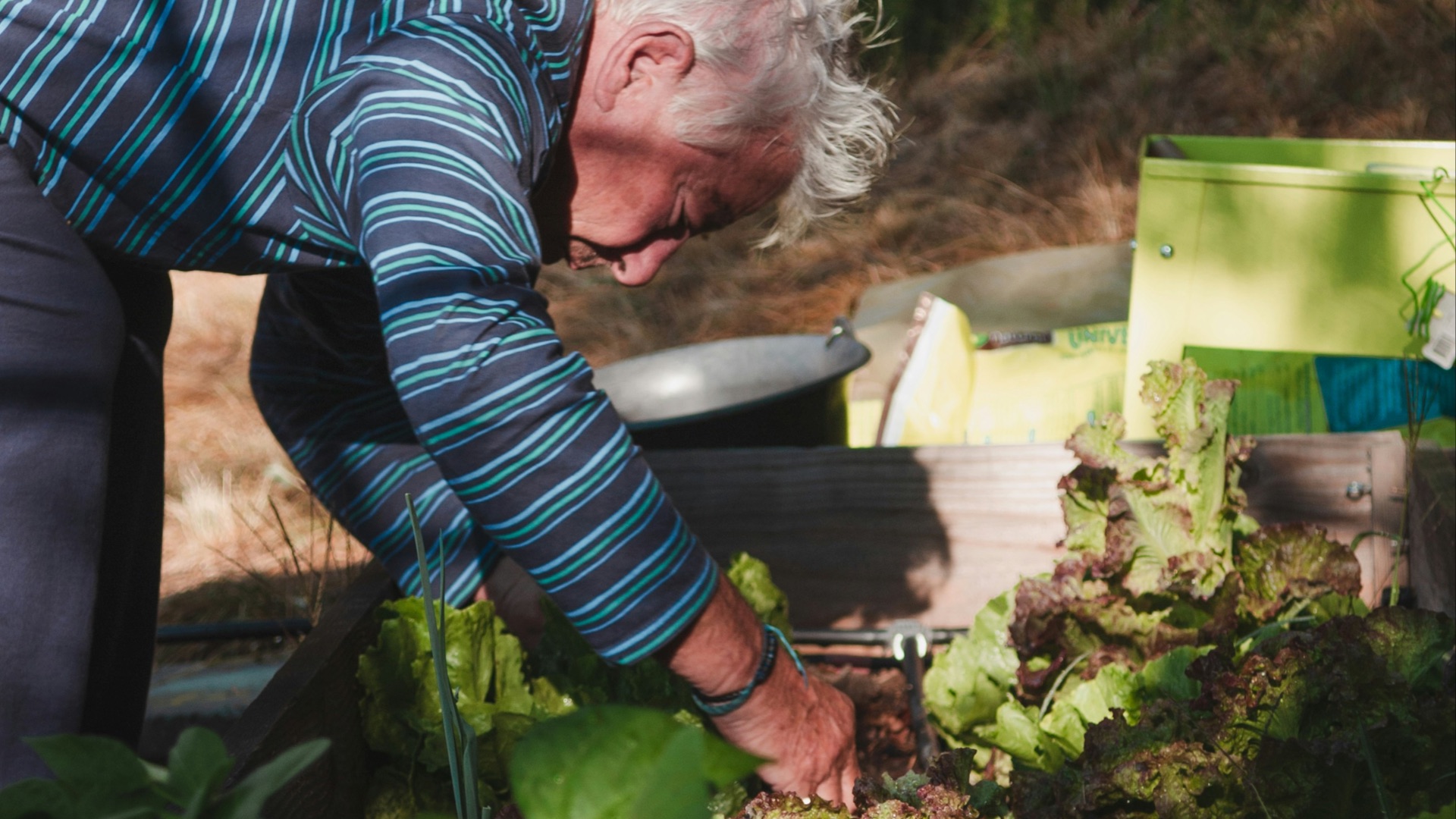
Experienced gardeners shouldn't assume their favorite plants will thrive in a different climate. They shouldn’t assume the same for themselves, either! Traditional tulips, lilacs, and certain apple varieties don't exactly perform well in places without sufficiently cold winters. And if you yourself are used to milder temperatures, gardening in extreme heat can be a big wake-up call.
9. Humidity Makes Life Uncomfortable
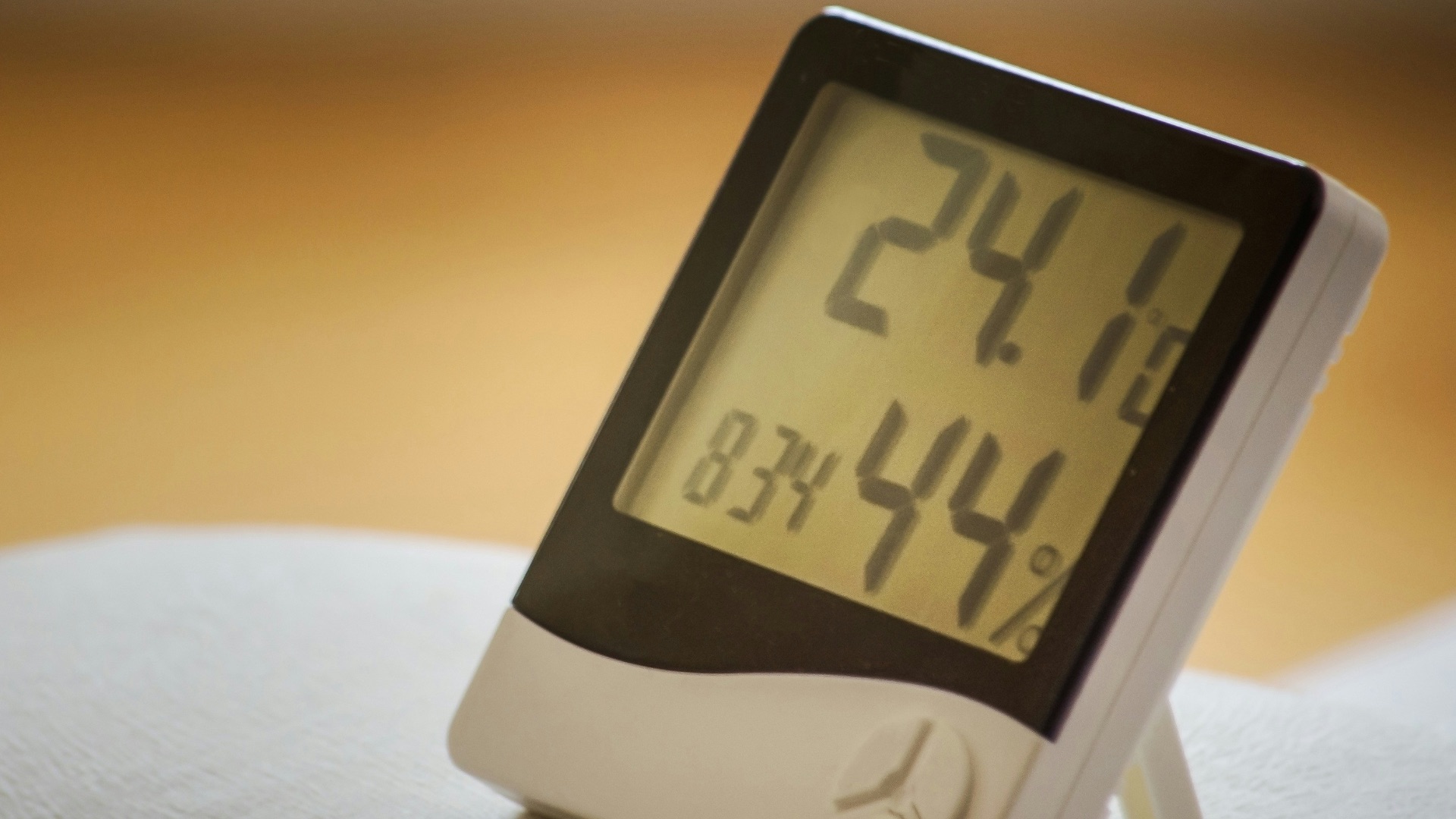
Dry heat and humid heat offer two very different things. Even ordinary temperatures can feel oppressive when the humidity climbs. Getting dressed for a nice dinner loses some of its appeal when you're uncomfortable before you've even reached the restaurant.
10. You Might Miss Having Distinct Seasons
Don't underestimate how much you love watching the leaves change, or how excited you get at the first snowflake. Even the arrival of spring flowers often carries sentimental associations that are difficult to recreate elsewhere. Celebrating Christmas surrounded by palm trees might not leave you in the festive mood.
11. Water Restrictions
Retirees moving to drought-prone areas of the Southwest should familiarize themselves with local water regulations. Depending on the municipality, restrictions may affect how frequently you can water your lawns or wash your car at home. That beautifully landscaped property you envisioned? It might just need more planning.
12. Outdoor Recreation Isn't Always Easy
One of the biggest selling points of retiring somewhere warm is the chance to stay active. Unfortunately, extreme summer temperatures can limit what you're able to comfortably do. Having to schedule your favorite activities around sunrise isn't everyone's idea of fun.
13. Mold Can Become a Problem
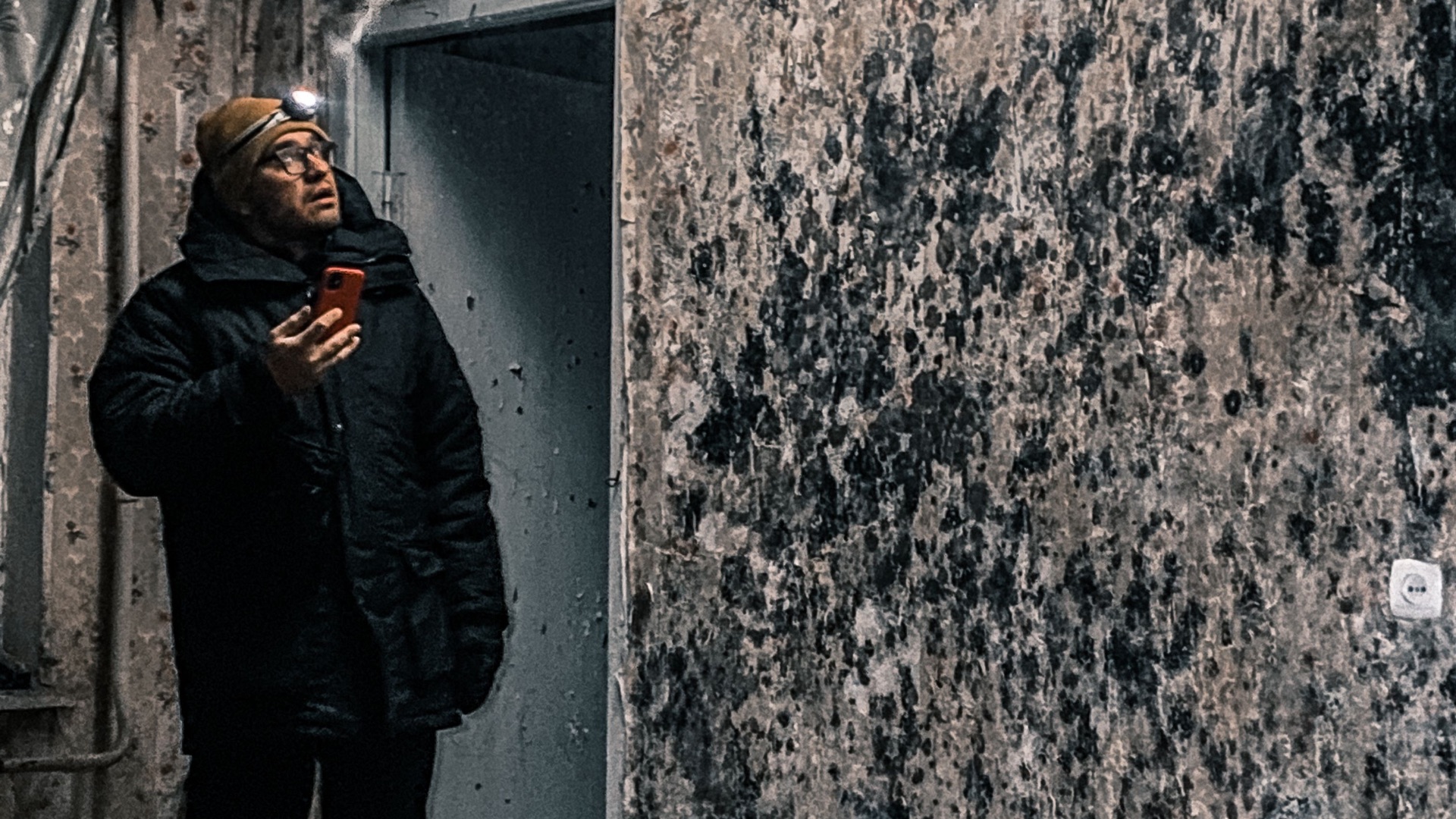
Homes in humid climates fall victim to a very specific problem: mold. You need to keep an eye out, especially in bathrooms, closets, and poorly ventilated spaces. That goes for when you’re on the move, too; leaving a property without adequate humidity can also contribute to mold growth.
14. Seasonal Residents Make Communities Less Consistent
Popular retirement destinations often attract snowbirds who only spend a portion of the year in their Southern homes. That means they won’t stick around all year, and suddenly, the lovely couple you've been playing cards with all winter might disappear for six months. Establishing a consistent social calendar can be surprisingly difficult when half your friends move away.
15. Sun Damage Takes a Toll
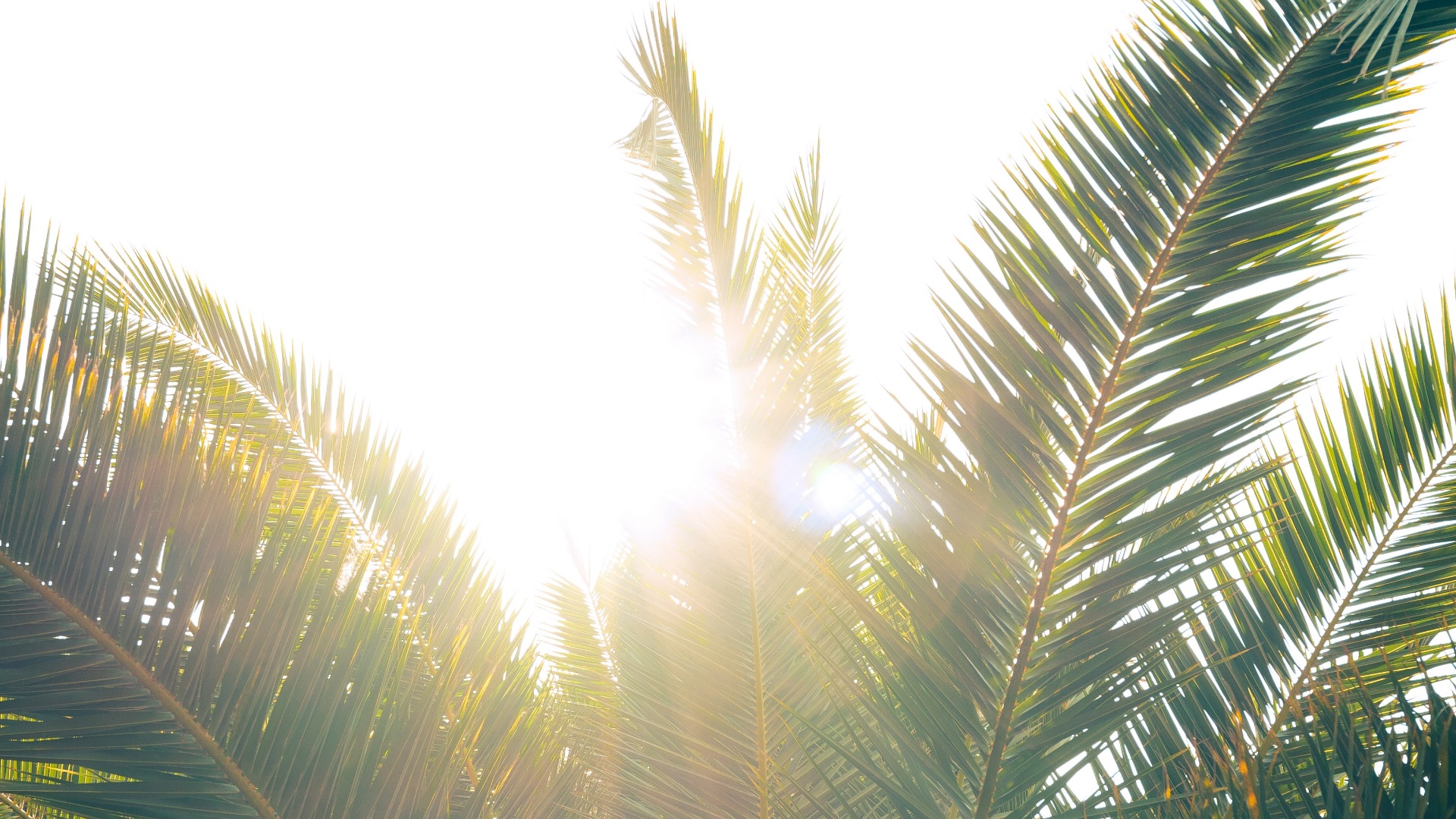
We all know about skin damage, but constant exposure to intense sunlight doesn't do your personal possessions any favors, either. Patio cushions can fade, vehicle dashboards can crack, and furniture can become discolored over time. Some people don’t want to scramble to protect every nook and cranny.
16. Power Outages
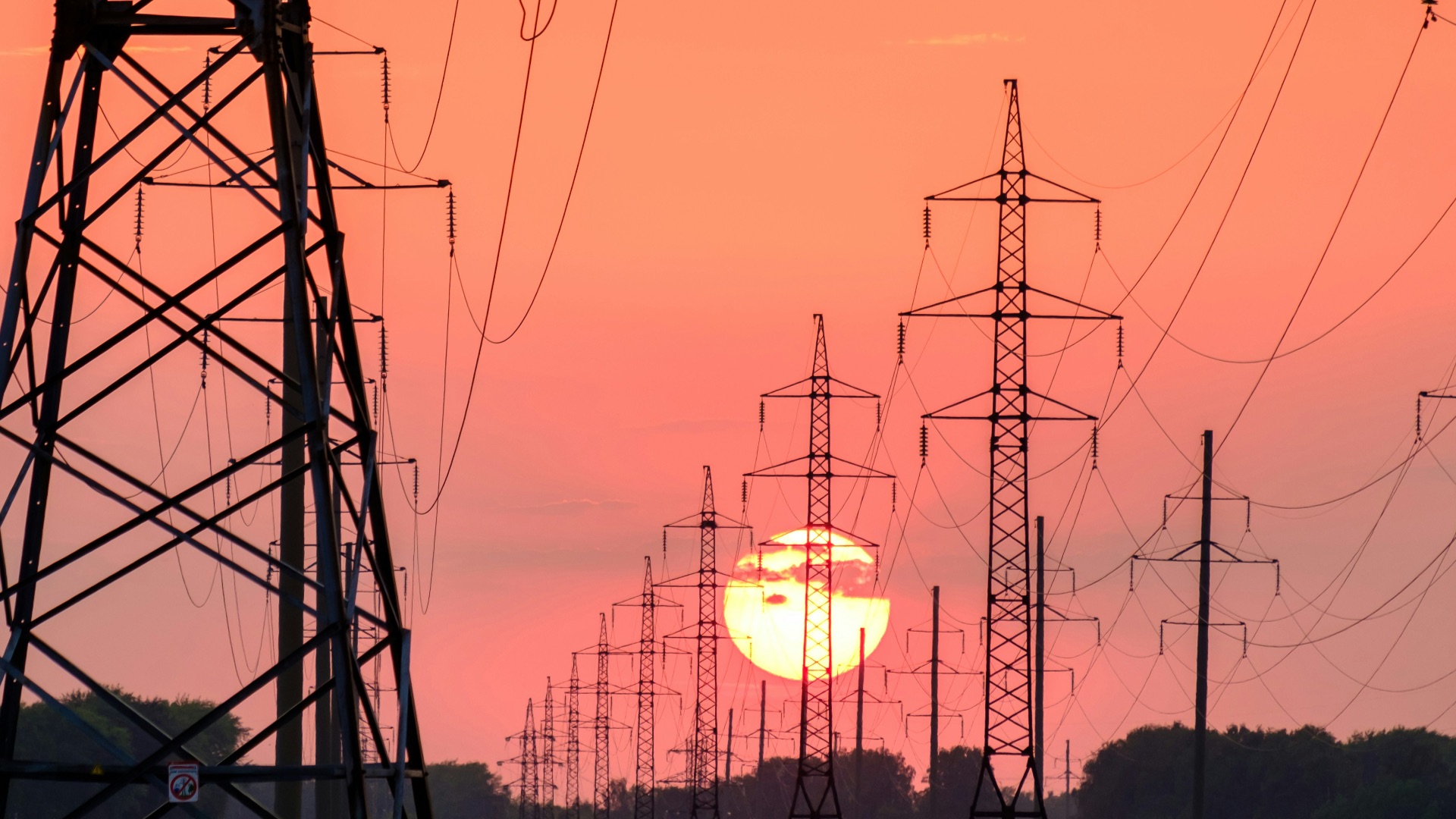
Losing electricity during a heat wave isn’t a minor issue—it can be life or death in some situations. Without functioning AC, indoor temperatures can become uncomfortable at best or dangerous at worst, particularly for people with existing medical conditions. Backup power arrangements are their own cost, and you’ll probably need them depending on where you move.
17. Allergy Season Can Last Longer
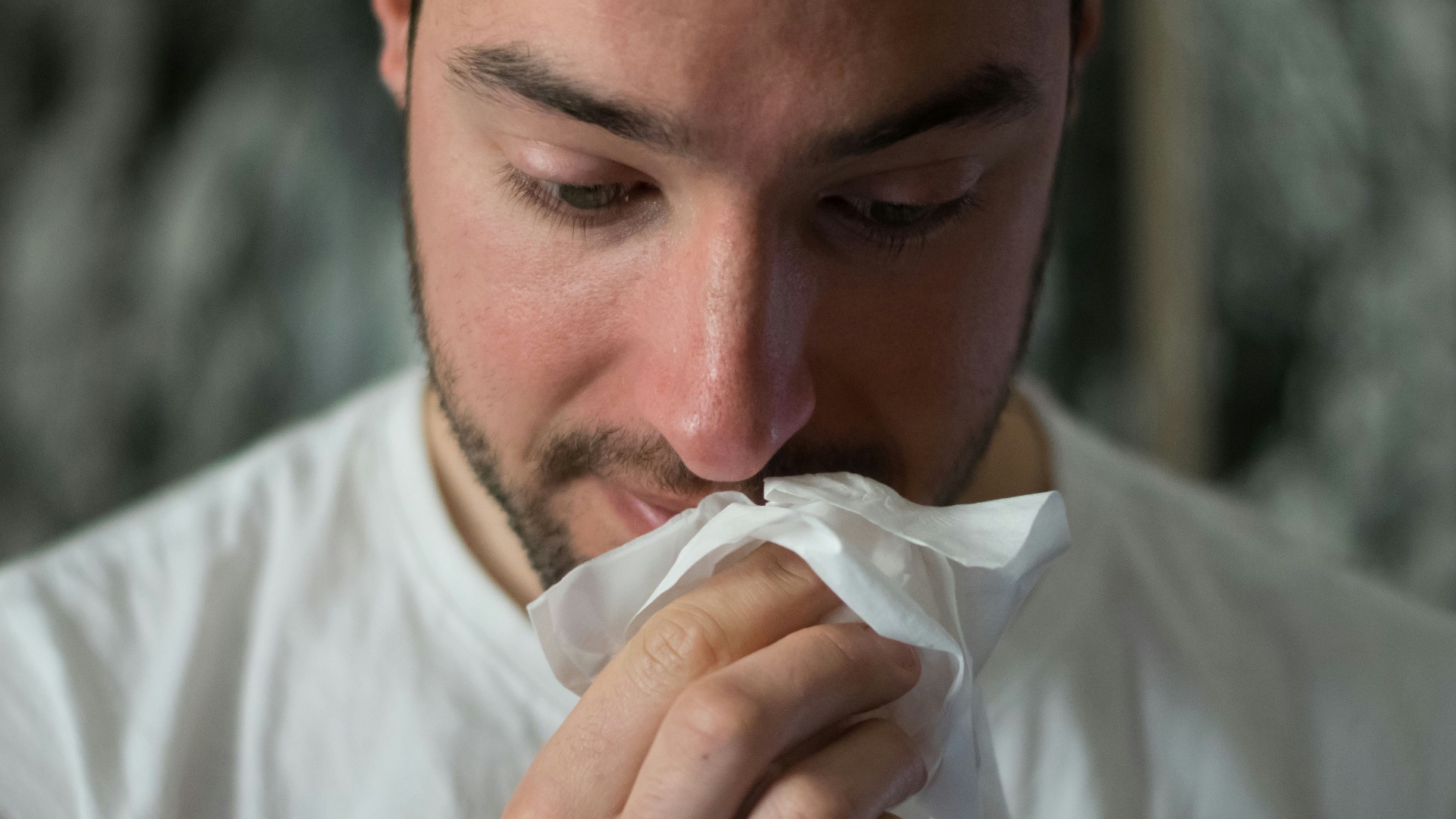
Leaving behind cold winters doesn't mean leaving behind allergies. In warmer regions, longer growing seasons and earlier flowering periods can extend exposure to certain types of pollen. That house looked nice online, but the surrounding area might just leave you reaching for the tissues.
18. Some Retirement Communities Lack Walkability
A beautiful development might look appealing until you realize how dependent you are on your car. Wide roads, limited sidewalks, and considerable distances can make even picking up a prescription tough if you don’t have car keys. As you get older, that lack of convenient pedestrian access could become a genuine obstacle.
19. Swimming Pools Come With Upkeep
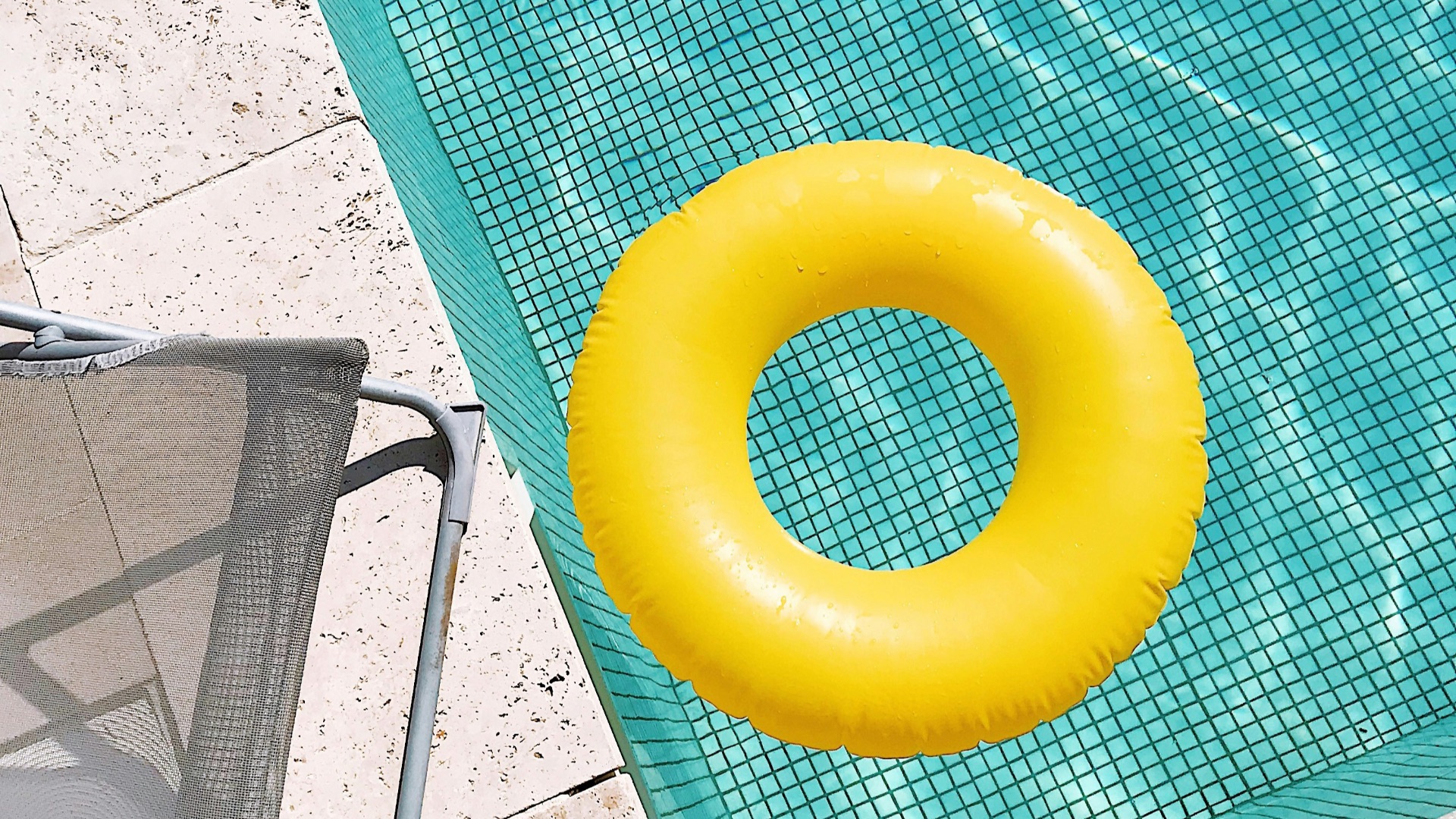
Owning a pool sounds good when you're imagining all those leisurely afternoons. However, pool chemicals, pump maintenance, cleaning services, and repairs require both money and attention. Whether you use it twice a day or twice a month, that sparkling water still needs looking after.
20. You May Have Only Experienced the Best Months
Many people fall in love with destinations like Scottsdale or Sarasota after visiting during their most comfortable seasons. But spending February somewhere warm tells you very little about what daily life will look like during August. Before committing to a move, it's worth experiencing your prospective hometown during the months when even the locals complain about the weather.