
A Calm Start Sets the Tone
Secured a new job? Congratulations! Now that you've successfully made it through, you want to continue making a memorable impression so your company can be confident they hired the right person. In this article, we'll cover not only how you can impress (and survive) on your first day, but also how you can stand out. Let's dive in.

1. Plan Your Route and Timing
Nerves can get the best of you before you even set foot into the office. So, figure out your commute the night before so you’re not making decisions half-awake. If you can, do a quick trial run or at least check traffic and transit schedules. Arriving a little early also gives you breathing room and helps you start the day feeling steady.

2. Dress for the Culture, Not Just the Role
Remember to choose an outfit that fits the company’s vibe while still looking polished. If you’re unsure, it’s usually safer to err on the side of professionalism than to be too casual. Make sure whatever you wear is comfortable enough to get you through a long day.
 Christina @ wocintechchat.com M on Unsplash
3. Bring the Basics You’ll Actually Use
Your office might have all the things you need already, but you still want to be prepared. Pack practical items like a notebook, a pen that works, and any IDs or documents you were asked to bring. Having water or a small snack can also help if breaks are unpredictable.

4. Introduce Yourself Clearly and Confidently
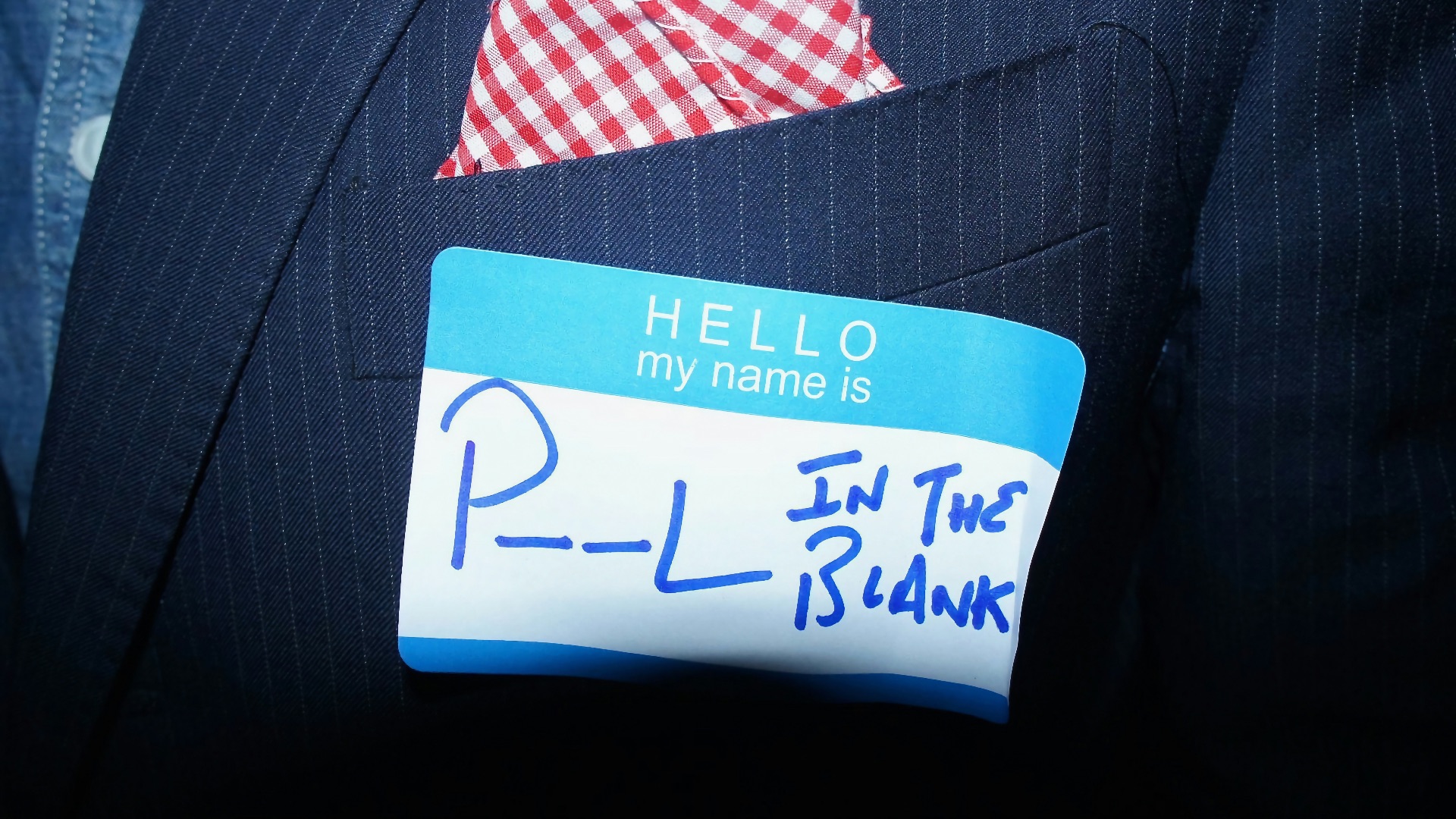
When you meet someone new, say your name clearly, smile, and make eye contact. Add a quick detail like your team or role so they can remember and place you more easily. A calm, friendly introduction will help make future conversations feel less awkward.

5. Learn Names with a Simple System
Pay attention when people introduce themselves and repeat their name back once to lock it in. If it helps, jot down a few names with a quick identifying note after you meet them. It’s also much better to ask someone to remind you than to avoid using their name entirely (or saying it wrong!).
6. Keep Your Phone Put Away (Most of the Time)
Whether or not you should put your phone completely away is dependent on the nature of your job and your role, but it's generally best to silence all notifications (or better yet, turn it off) and keep it shelved away. If you need your phone for setup tasks or security steps, use it intentionally and then put it aside again.

7. Ask What “Success Today” Looks Like
Early on, ask your manager what a good first day should include and how you can succeed. That question shows you care about priorities instead of just trying to impress in random ways. You’ll also feel more grounded because you’ll know what matters most right now.

8. Take Notes
Write down key logins, tools, acronyms, and step-by-step instructions as they come up. Don’t rely on memory when everything is new and your brain is already full, or you'll end up regretting it. Good notes reduce repeat questions and make you look organized.

9. Don’t Pretend You Understand Something You Don’t
If someone explains a process and you’re lost, say so politely in the moment. Ask for one clarification at a time so it’s easy for them to respond and go over specific areas. Never pretend you know something when you don't actually understand; it'll come back to bite you later. People usually respect honesty and would rather you not make mistakes after you said you "understood" something.
 LinkedIn Sales Solutions on Unsplash
10. Listen for Patterns in How People Work
Notice how meetings start, how decisions get made, and how quickly people respond to messages. Pay attention to what feels formal versus what’s relaxed, especially around leadership. These small observations will help you match expectations without overthinking.

11. Confirm How Communication Happens
Chances are, your team will have multiple forms of communication, but it's important to know which exact platforms get you the fastest response. Find out whether your team prefers email, chat, tickets, or quick calls for different requests. Clear communication habits prevent misunderstandings before they start, and they'll help keep you on track.
 Stephen Phillips - Hostreviews.co.uk on Unsplash
12. Be Friendly
You want to show off your personality on your first day, and it’s great to be warm and conversational, but you should also keep the details light on day one. Keep discussions focused on work and your role, what you’re excited to learn, and general interests. You’re building trust, and that works best when you stay professional and open.

13. Use Lunch as a Low-Pressure Connection Moment
Even if you like eating alone at lunch, it's best to build and strengthen new connections on your first day, especially with your new team members. Keep the conversation balanced by asking questions and letting others talk about the workplace so you can learn more from them.
 Karolina Grabowska www.kaboompics.com on Pexels
14. Clarify Logistics Before They Become Problems
We get it: everything feels new and intimidating on your first day. But it's okay to just ask! If you want to know where the restrooms are, how lunch breaks work, or who to contact if something breaks, just ask your colleagues. Handling logistics early keeps you from feeling scattered later.
 LinkedIn Sales Solutions on Unsplash
15. Pay Attention During Onboarding and Setup
Account creation and training videos can feel slow (and tedious), but they’re often where core, important rules are explained. Make sure to take notes on security guidelines, file organization, and who approves what, so you avoid accidental missteps later on.
 Lyubomyr Reverchuk on Unsplash
16. Avoid Making Big Suggestions Right Away
You might notice improvements immediately, but your first day isn’t the time to pitch big, sweeping changes. Ask curious questions instead, like why a process exists or what challenges the team is working through. You’ll earn more credibility by learning first and contributing thoughtfully later.

17. Handle Small Tasks with Care
If you’re given a simple assignment, don't just breeze through it to show off your speed. Instead, treat it as a chance to show reliability. Double-check details, follow the requested format, and ask about deadlines before you start. Doing small things well creates confidence in your work.

18. Manage Your Energy
Your first day is often a whirlwind, and your attention may taper off at some point, so be honest with yourself about when you need a brief reset. Drink water, take a short walk if you can, and don’t skip breaks out of nerves. You’ll learn more when you’re not running on fumes.

19. End the Day by Aligning on Next Steps
Before you leave, ask your manager what you should focus on tomorrow or how you can help your team with any current projects. Remember, too, to summarize what you’ve completed and what’s still in progress so expectations are clear. This quick check-in helps you start day two with direction and on the right foot.

20. Send a Short Thank-You Message
If someone spent significant time helping you on your first day, send a brief note thanking them for the support. Keep it simple, friendly, yet professional. These small gestures can go a long way, and they can help you build rapport with your colleagues.