
Are You This Kind of Parent?
Parenting is a job where it seems everyone has an opinion. But what if you have been hearing and following some inaccurate advice? There are lots of parenting myths that have been passed down through generations or recently gone viral in parenting forums or articles. With that in mind, here are 20 ‘myths’ to keep in mind.

1. Early Milestone Genius
While the time when a child first sits, crawls, walks, and talks is definitely exciting, it is not a predictor of intelligence or future success. Temperament, environment, and opportunity can all contribute to different rates of development. Most late walkers and late talkers become perfectly capable and very bright adults.

2. Daily Baths
Daily bathing is not necessary or advisable for most babies and can dry out their delicate skin. Unless they have had a messy accident, two to three baths per week are sufficient. Gentle washing of the face, hands, and diaper area is more important than giving a full bath.

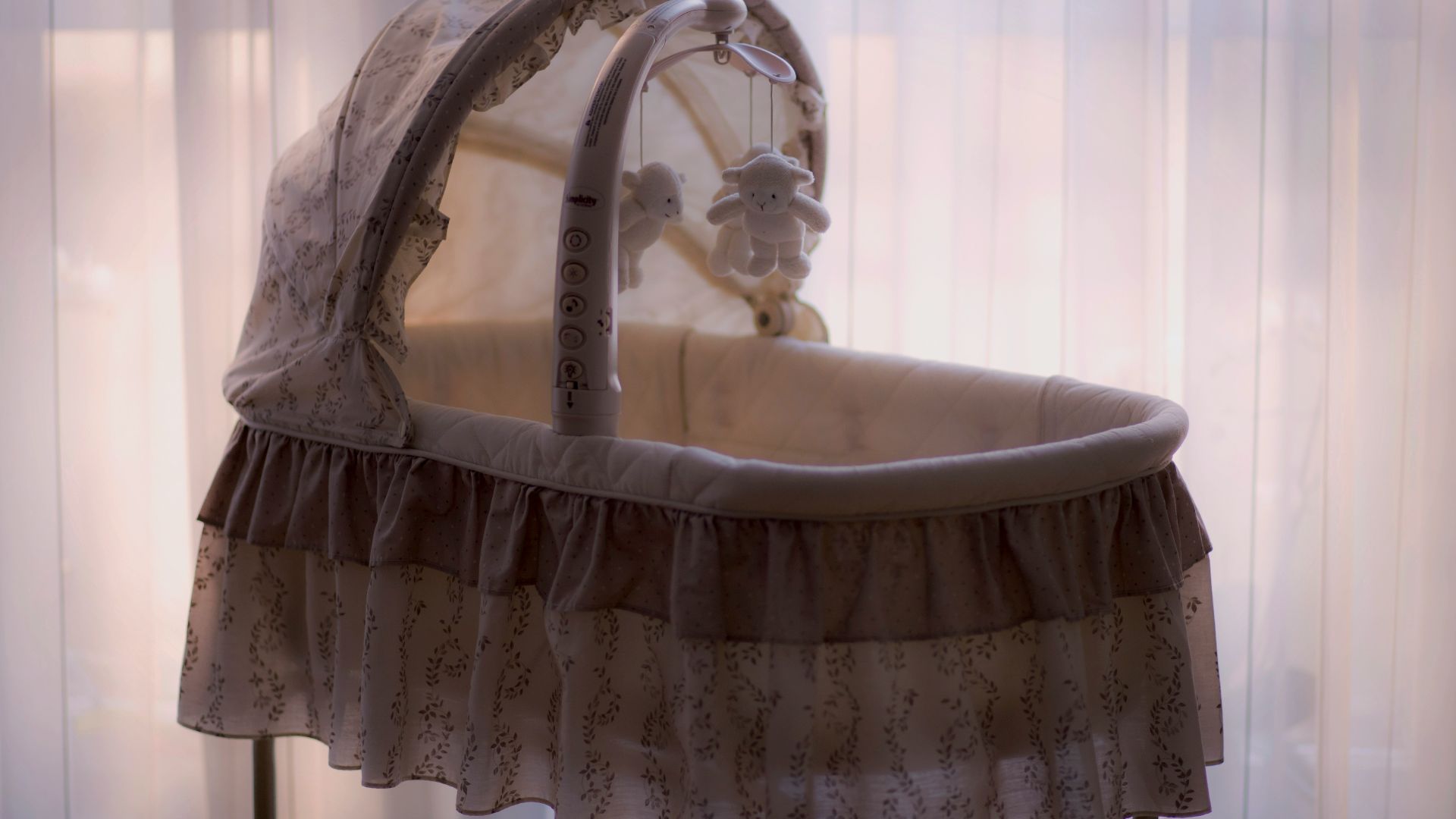
3. Decorated Cribs
Soft toys, pillows, and blankets in a crib do not help the baby sleep but increase the safety risk instead. Babies don’t need visual stimulation or a variety of pillows to fall asleep or stay asleep. A firm mattress with a tight-fitted sheet is the safest and coziest sleep environment for them.
4. Holding Babies Spoils Them
Babies are never spoiled by being held too much. Holding a baby makes them feel safe and develops a sense of trust. Responsive care is essential to a baby’s emotional well-being and cannot and will not harm them nor spoil them.

5. Good Parents Don’t Stress
Parenting is a difficult job and sometimes a frustrating one. A parent is not a bad parent because they feel overwhelmed or inadequate at some point. The important thing is what adults do with those feelings and whether they can seek help, as well as making sure that your kids do not feel like they are causing you any negative emotions.

6. Toddlers Misbehave On Purpose
Misbehavior in toddlers is rarely intentional. As they do not yet have adequate language skills or impulse control, they behave in ways that might frustrate parents while trying to get their needs met. Defiance, anger, and aggression in toddlers are often signs of confusion or fatigue.

7. Sleeping Through the Night
Infants waking up at night is biologically normal. Sleeping through the night is a later development in babies’ sleep patterns and takes time to mature. It can take up to a year, and sometimes longer, for babies to start sleeping through the night.

8. Harsh Discipline
Children who are disciplined harshly are not more likely to become better behaved. In fact, such children may become more afraid of their parents rather than learn to control their behavior. Teaching new skills is more helpful than punishment, and using their mistakes as teachable moments is key for building trust, not resentment.
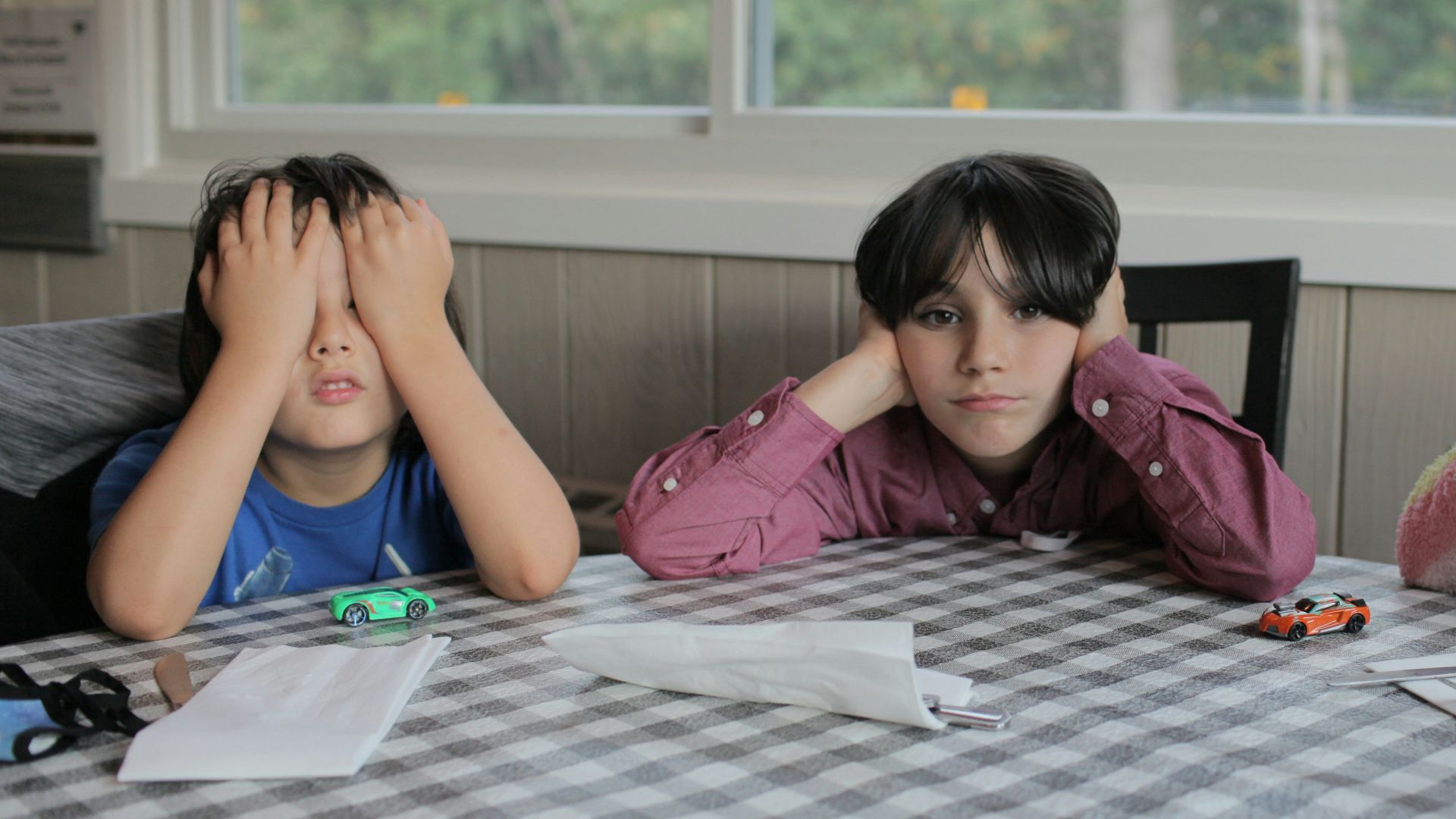
9. Screen Time Is Bad
Quality and quantity matter when it comes to screen time. Moderate screen use, watched with an adult and providing high-quality educational content, can be neutral or even a positive experience. The main problems with screen time are when it is too much or when the content they consume is harmful or dangerous in any way.

10. A Quiet Baby Is Content
Some babies are naturally quiet, and some are naturally noisy. However, being quiet can also be a sign that a baby is stressed or withdrawing. Babies communicate when they are content and when they are not in many different ways. Parents need to pay attention to patterns of behavior rather than assume silence means contentment.

11. Parents’ Instinct Is Law
Parents should use their instincts, but instinct does not come from nowhere. Culture, stress, and misinformation can all influence parental instincts. For many parents, additional information from outside sources and scientific evidence is a useful way to provide a broader perspective, which leads to better parenting and a more knowledgeable gut instinct.
 Priscilla Du Preez 🇨🇦 on Unsplash
12. Boys and Girls Parenting
Children differ more as individuals than they do by gender. The emotional needs of children do not vary by gender. The need for a safe environment and encouragement, for example, is universal in children, while gender stereotypes can be harmful to their development.
 Juliane Liebermann on Unsplash
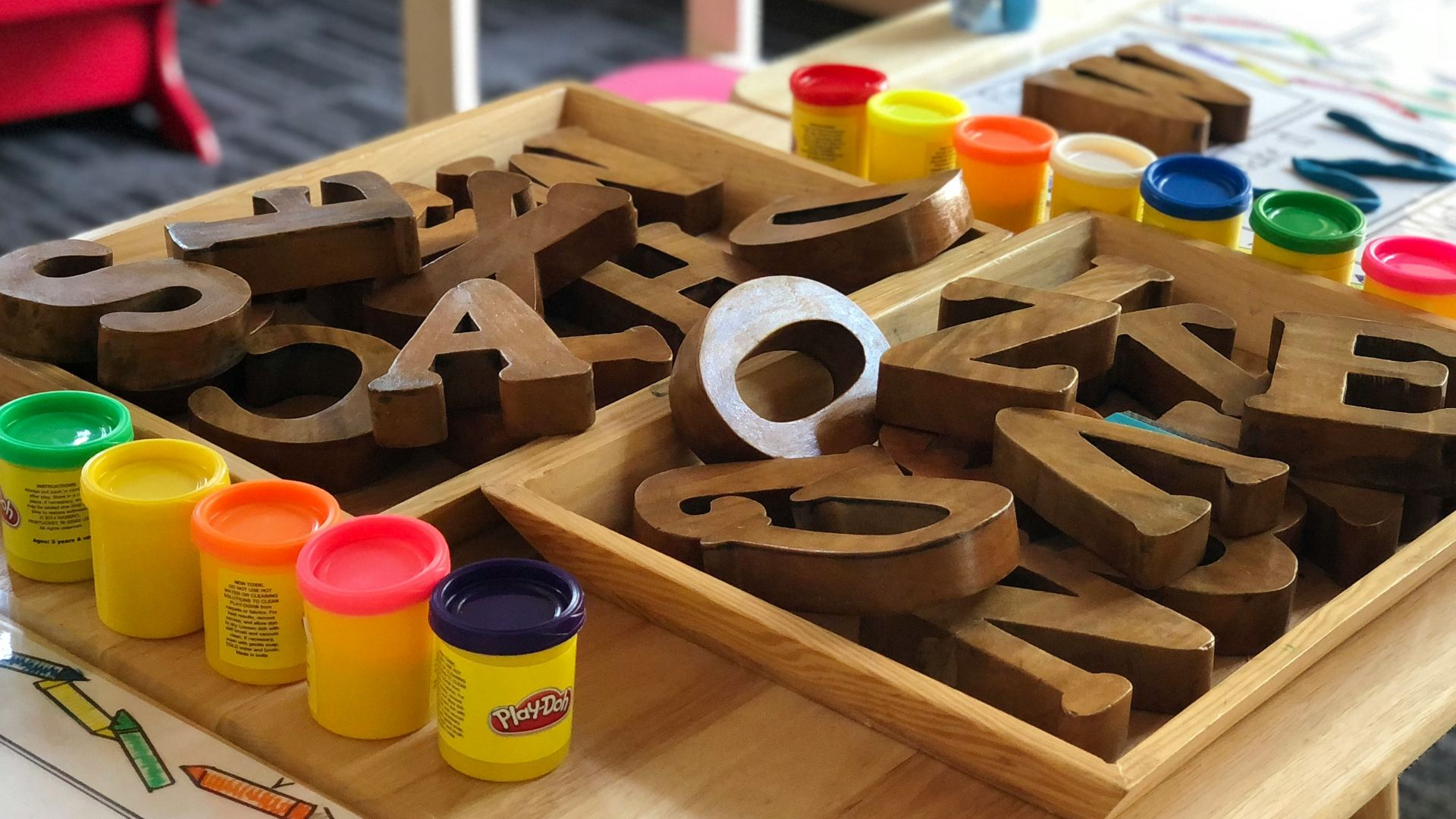
13. Learning the Alphabet Early
Children who are taught the letters of the alphabet early do not necessarily become better readers. Having rich language experiences such as talking, singing, and reading to children is more important than pointing out individual letters. Reading skills take a long time to develop and rely on a wide variety of experiences.

14. Breastfeeding Is Naturally Easy
Breastfeeding can be difficult, and new mothers often need support to get it right. Difficulties in breastfeeding do not mean that a mother is not trying or has failed. A healthy feeding relationship can involve a number of approaches, and if a new mom is struggling or the baby won’t eat, it’s best to consult with an expert on what to do next.

15. Daycare Weakens Parental Bonds
Attachment is not damaged by location. A child can have a strong, secure attachment with parents and still attend a daycare service. In fact, children who attend quality daycare services often thrive socially and emotionally.
16. Picky Eating Ends Naturally
Children need to be given repeated opportunities to try new foods. Taste preferences are learned, and new foods need to be tried and enjoyed several times before they are accepted. Positive encouragement, rather than pressure, is the best way to help children with picky eating.

17. Only Your Child Matters
It is definitely true that once you become a parent, your child matters to you more than anything else. However, parents who show care for themselves are also providing positive role models for children, all while ensuring that they are mentally at their best to be able to take care of the family. A healthy balance in parental life makes it easier to show up for children on a regular basis.

18. Tantrums Mean Bad Parenting
Tantrums are a normal part of child development and occur in all children. Temper tantrums show an immature ability to self-regulate, not a failure of parenting. With the right responses, children can be taught to cope with strong emotions in a more appropriate way.

19. Not Enough Toys
Children are often overwhelmed by too many toys, and this makes them less likely to play in a focused way with each one. Simpler toys can be more challenging and encourage creative and imaginative play. Children benefit most from the quality of play and quality of interaction with their toys and caregivers.

20. Parenting Advice Is Universal
Parenting science is not fixed but developing as research improves. The right parenting response depends on the individual child, family, and context. Flexibility and a willingness to learn are a good sign of a thoughtful parent.