Challenges For Women At Work
Work shouldn’t feel like a constant fight to prove yourself, yet countless women deal with obstacles that go beyond everyday tasks. Hidden barriers hold back growth and create frustrations that shouldn’t exist in modern workplaces. By understanding the most common problems, we can open doors to meaningful solutions. Let’s break down the challenges women still face and start imagining what fairer, more inclusive professional spaces should look like.

1. The Gender Pay Gap
Here's a startling reality: women mostly need an extra degree just to match men's pay with less education. You might think being equally qualified would level the field, but women still earn less for identical work. Even in female-dominated fields, the pay gap persists almost universally, with teaching assistants being a rare exception.
 Photo By: Kaboompics.com on Pexels
2. Lack Of Mentorship Opportunities
Senior women remain scarce in many industries, leaving junior professionals without guidance from people who understand their specific challenges. Male mentors sometimes hesitate to work closely with women due to misconceptions or discomfort. This mentorship gap slows career development significantly.

3. The Broken Rung
Moving into that first manager role matters most for long-term growth. Yet women frequently hit a “broken rung,” where early promotions go to men instead. Without this initial step, rising into senior leadership later becomes far less attainable, locking women out of executive pipelines entirely.
4. Unequal Access To High-Visibility Assignments
Big projects mean big promotions. Unfortunately, women frequently get sidelined into support roles rather than being assigned the strategic, high-profile work that catches leadership’s attention. Those missed opportunities translate into fewer chances to showcase capabilities and earn the recognition that career advancement usually demands.

5. Being Interrupted More Frequently
In meetings, women’s contributions often end mid-sentence as colleagues talk over them. These constant interruptions diminish visibility and undermine authority, leaving ideas half-heard. Over time, this pattern chips away at professional confidence while reinforcing damaging perceptions about leadership presence and expertise.
6. The Maternal Wall Bias
Many assume motherhood and career success can't coexist, but this "maternal wall" bias reveals more about workplace prejudice than reality. The stereotype affects all women, parents or not, through baseless assumptions about job commitment. However, progressive employers are dismantling these myths by implementing gender-neutral parental leave policies.

7. Having Ideas Credited To Others
A woman proposes a solution to a problem, then minutes later, a male colleague repeats it, and suddenly, the room praises his “great idea.” This frustrating phenomenon sidelines women’s voices, stealing both recognition and opportunities for advancement when originality and innovation shape promotions and professional reputations.

8. Pressure To Handle Administrative Tasks
Planning celebrations or taking meeting notes often defaults to women automatically. These invisible tasks take time yet rarely appear in performance reviews. While men tackle strategic assignments, women lose hours to work by offering little career advancement or executive-level visibility down the line.

9. The Likeability Penalty
Assertiveness helps men look decisive. On the other hand, women showing identical confidence sometimes get labeled “aggressive” or “unlikable,” which leads to fewer leadership opportunities. This double standard forces female professionals to constantly balance competence with perceived warmth.

10. Microaggressions And Everyday Sexism
Most people mean well at work, but even well-intentioned comments can become microaggressions that make women feel unwelcome. From casual stereotypical jokes to subtle remarks, everyday sexism impacts workplace culture, which is why forward-thinking companies now offer training to help employees recognize and prevent these behaviors.
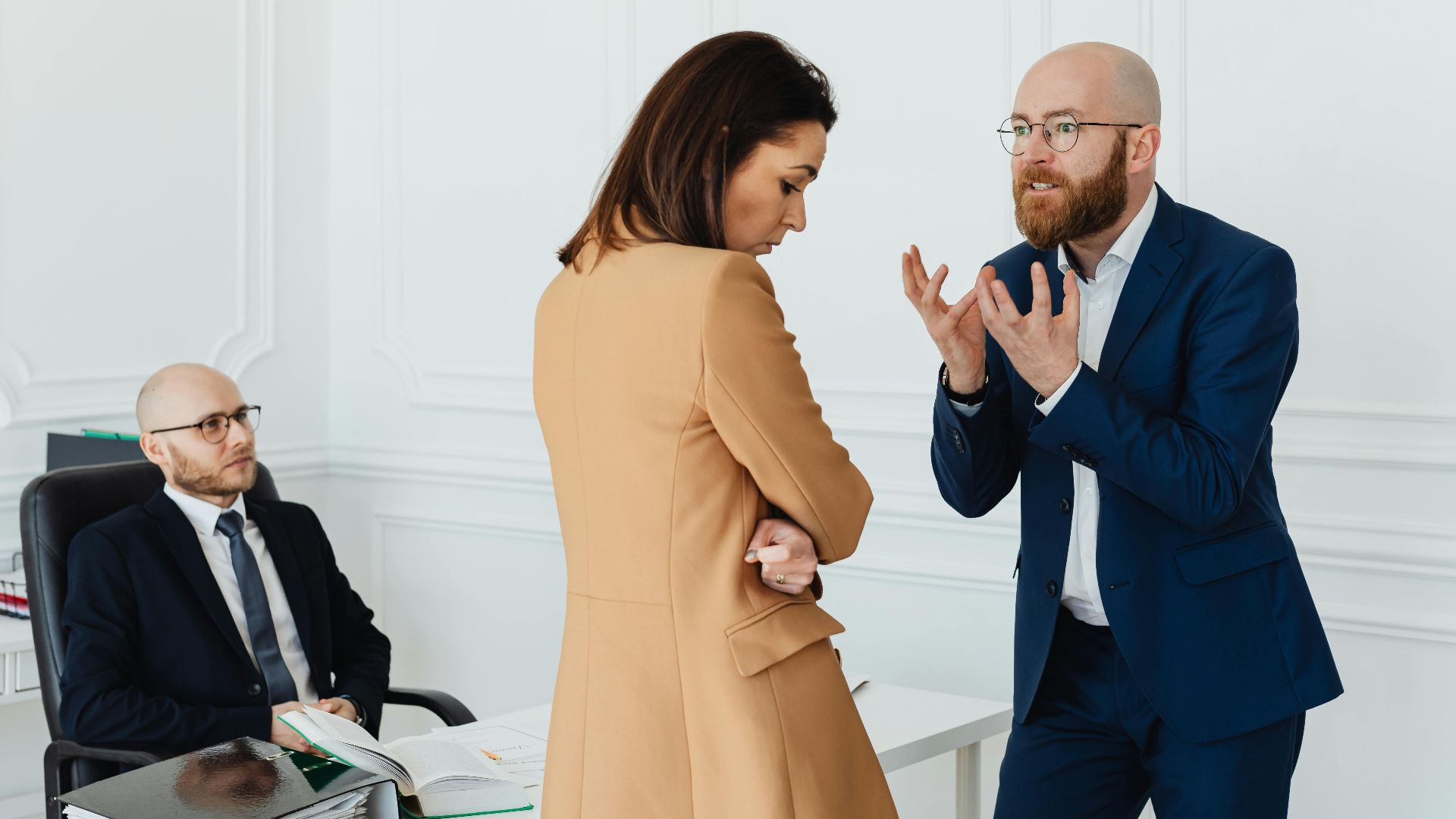 Photo By: Kaboompics.com on Pexels
11. Being Mistaken For Junior Staff
Despite holding senior titles, many women repeatedly get mistaken for assistants or interns, especially in male-dominated industries. Each assumption chips away at authority and credibility, forcing professionals to re-establish expertise repeatedly in spaces where male colleagues receive automatic recognition for leadership roles and responsibilities.

12. Tokenism In Diversity Initiatives
Some companies hire women to meet quotas rather than genuinely value their contributions. Token hires often feel isolated and face pressure to represent entire demographics. Genuine inclusion happens when diverse voices actively shape decisions and create meaningful change.
13. Lack Of Flexibility Stigma
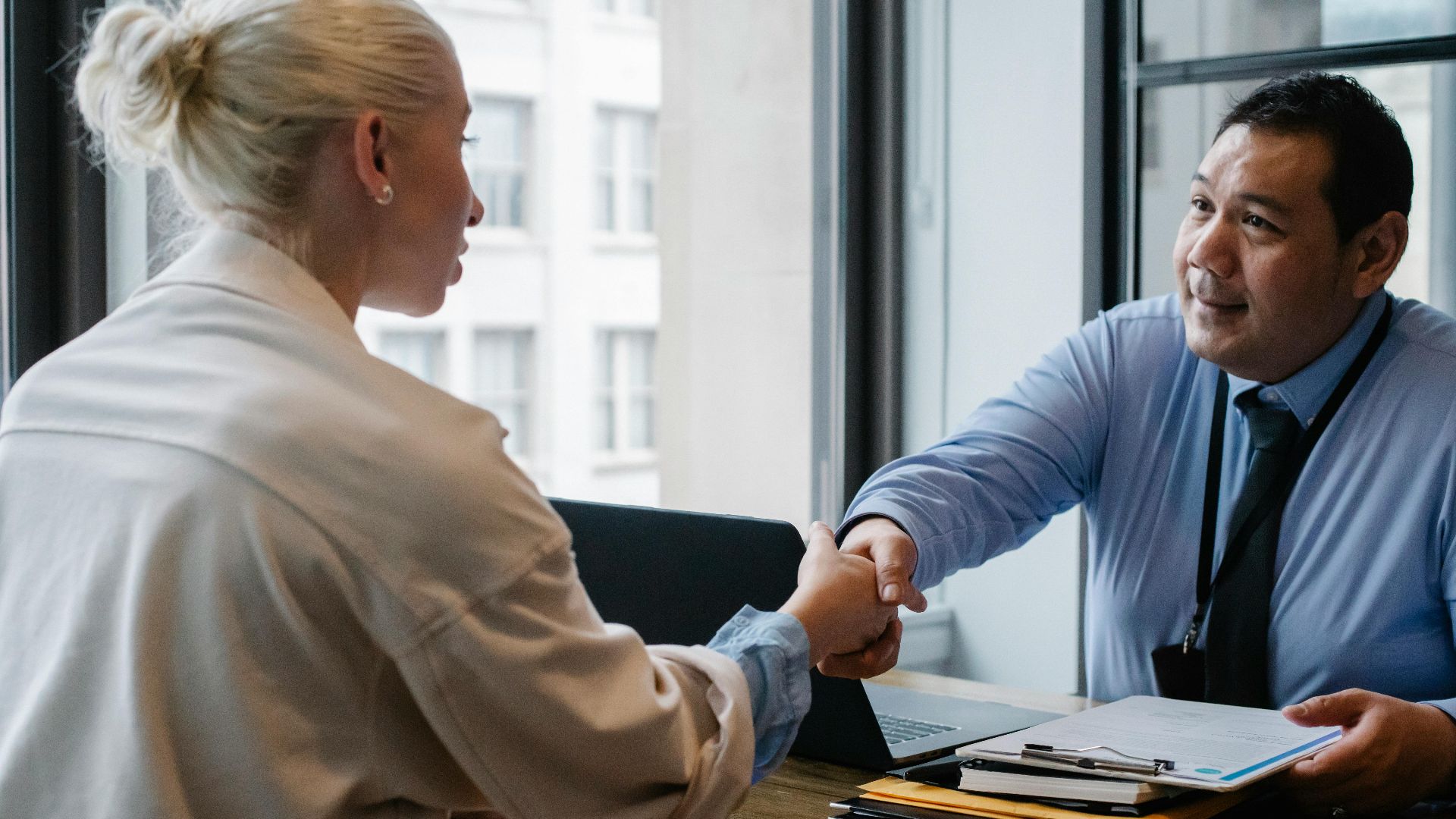
Flexible work schedules are meant to support balance, yet women who use them often face unfair assumptions about their ambition and commitment. Even when productivity is equal, this bias persists, influencing promotions and leadership chances long after results prove otherwise.

14. Age-Based Judgment
Older women frequently confront age bias. Opportunities shrink as stereotypes paint them as less adaptable or ambitious, regardless of experience or performance. This discrimination blocks promotions and leadership roles long before retirement even approaches professionally.

15. Lack Of Representation In Certain Fields
Fields like finance and engineering still see few female professionals entering or advancing. Sparse representation limits networking opportunities and reinforces stereotypes about who “belongs” in these fields. Without visible role models, many aspiring women face additional hurdles in breaking into male-dominated careers successfully.

16. Being Held To A Higher Standard
Most women feel they must outperform male colleagues simply to be viewed as equally competent. Mistakes draw harsher criticism, while successes bring fewer rewards. This constant pressure to overdeliver breeds burnout and leaves professional women navigating impossible expectations.

17. Emotional Labor Expectations
Women carry the invisible weight of maintaining team dynamics. They resolve tensions, motivate peers, and handle morale tasks that go unrecognized. The energy spent on these roles highlights a subtle but persistent imbalance between men and women in leadership expectations.

18. Appearance-Based Scrutiny
Women often face judgment based on how they look at work. From clothing to hairstyles, appearance becomes a silent metric. This pressure affects credibility and creates unfair standards that men rarely encounter in professional environments.
19. Networking Events That Exclude
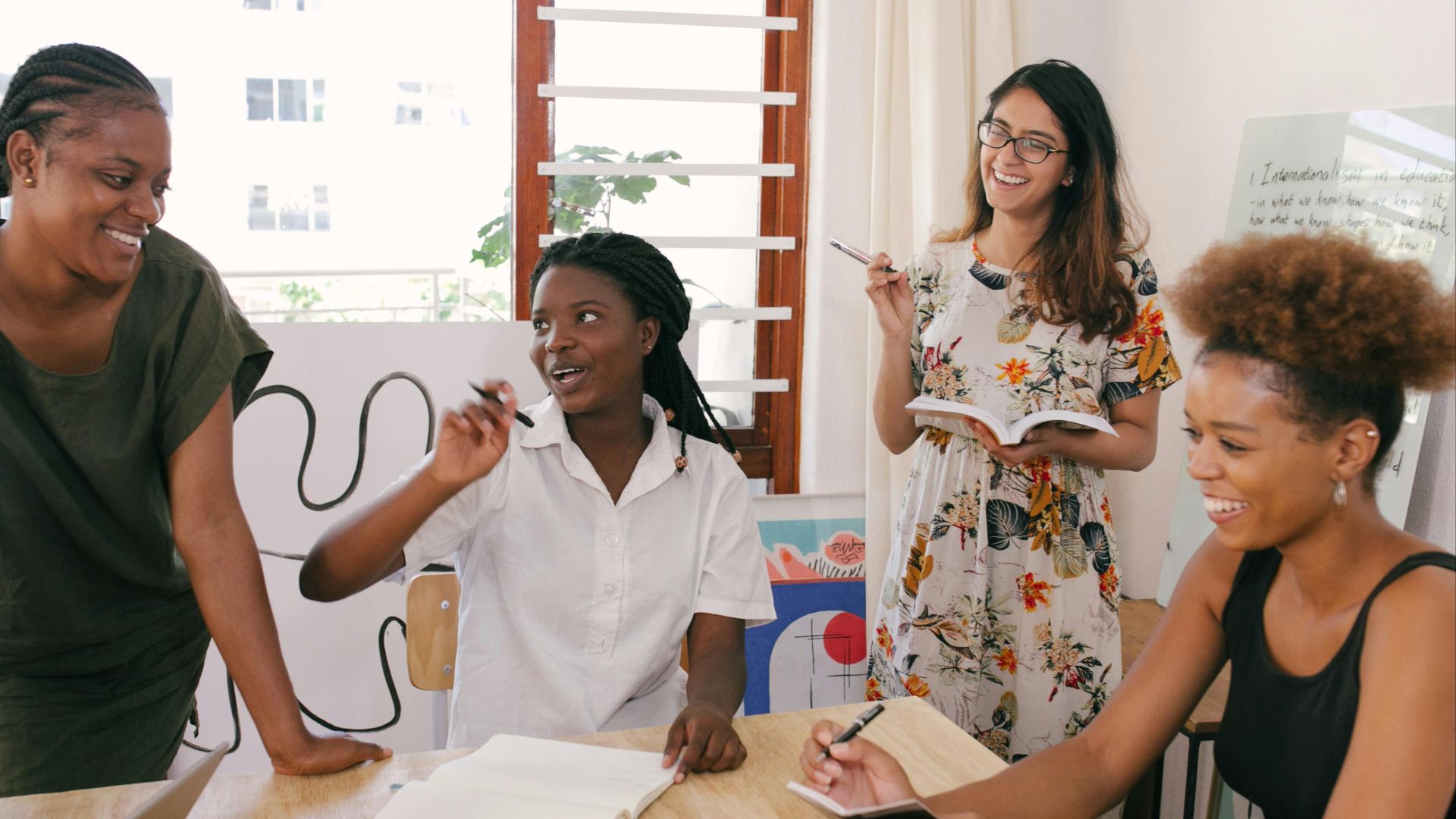
Golf outings or other sports-based bonding often shape informal networks. These male-centric spaces unintentionally exclude women, limiting access to insider conversations and relationship-building that influence promotions, project assignments, and leadership visibility.

20. Bias In Performance Reviews
Feedback given to women often highlights personal characteristics like being “collaborative” or “pleasant,” whereas men receive skill-based evaluations. This subtle bias affects promotions and raises, as subjective reviews rarely translate into measurable career advancement or leadership readiness.