10 Ways Being A Teen Is Harder Now Than When You Were One & 10 Ways You Had It Tougher
10 Ways Being A Teen Is Harder Now Than When You Were One & 10 Ways You Had It Tougher
Then Vs. Now
Every generation is always convinced that they have it the hardest, but the truth is, there's truth to both sides. Teens in particular face a lot of pressure as they try to learn who they are and who they want to be, and when you compare today's society to back then, the difficulties vary. Let's take a look together at 10 ways being a teen today is harder than it was before, and 10 ways you might have had it tougher.
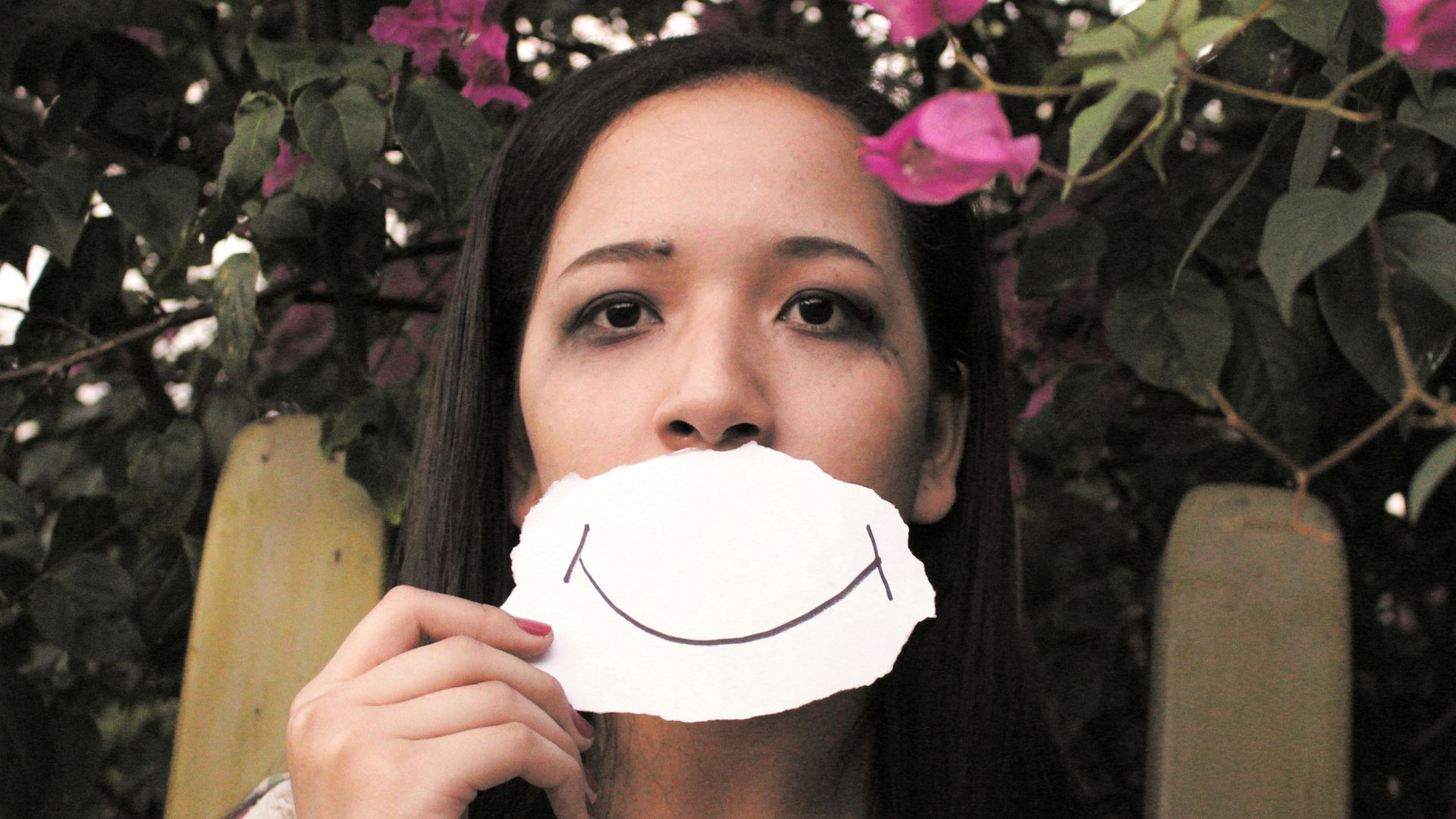
1. Teens Now Live Under Constant Digital Observation
The internet has improved our lives in many ways, but it's also led to many negative effects. For one, any awkward photo or bad take might just live forever online if you post and share it. That level of pressure can follow teens everywhere they go.
 Mariia Shalabaieva on Unsplash
2. Social Comparison Has Become a Full-Time Activity
Now that teens scroll through an infinite number of carefully edited images and videos of other people's lives online everyday, it's hard not to compare yourself to other people you know, celebrities, and influencers. It can make your own ordinary life feel inadequate in the worst way.

3. Friend Drama Doesn't Stay at School Anymore
Thanks to how digital our social lives are now, teens can't escape from drama just by going home. Group chats, stories, and social media apps make disagreements and social conflict constant and more dramatic, especially when people are able to join in randomly by commenting or screenshotting.

4. Academic Pressure Starts Earlier and Feels Bigger
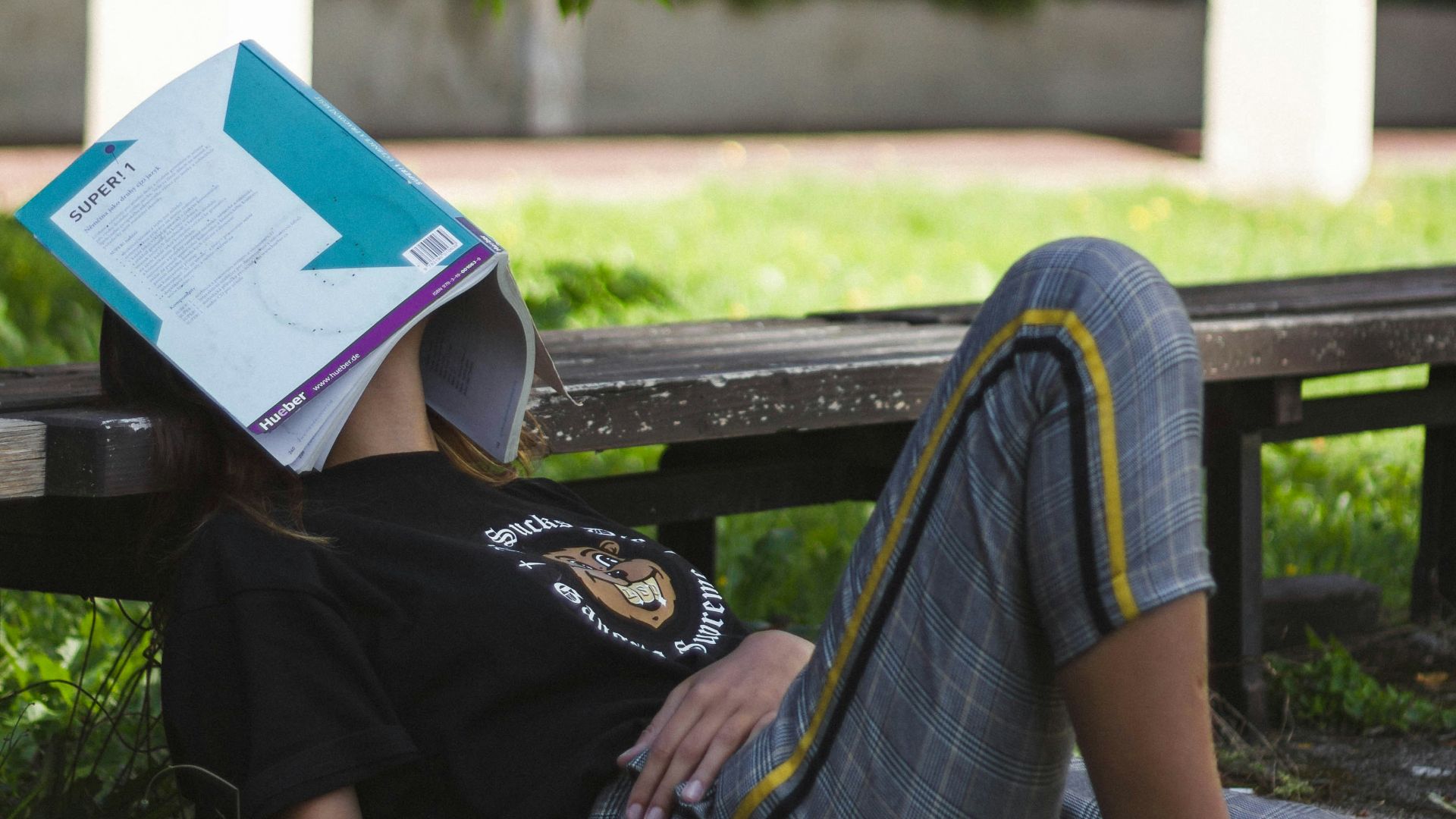
You might've worried about grades too growing up, but for teens today, it can feel like every class, activity, and decision is tied to the success of their future. College admissions seem far more competitive, and getting scholarships feel like a necessity. A lot of teens now feel like they're preparing a résumé instead of growing up.
5. They Have More Information and More Anxiety
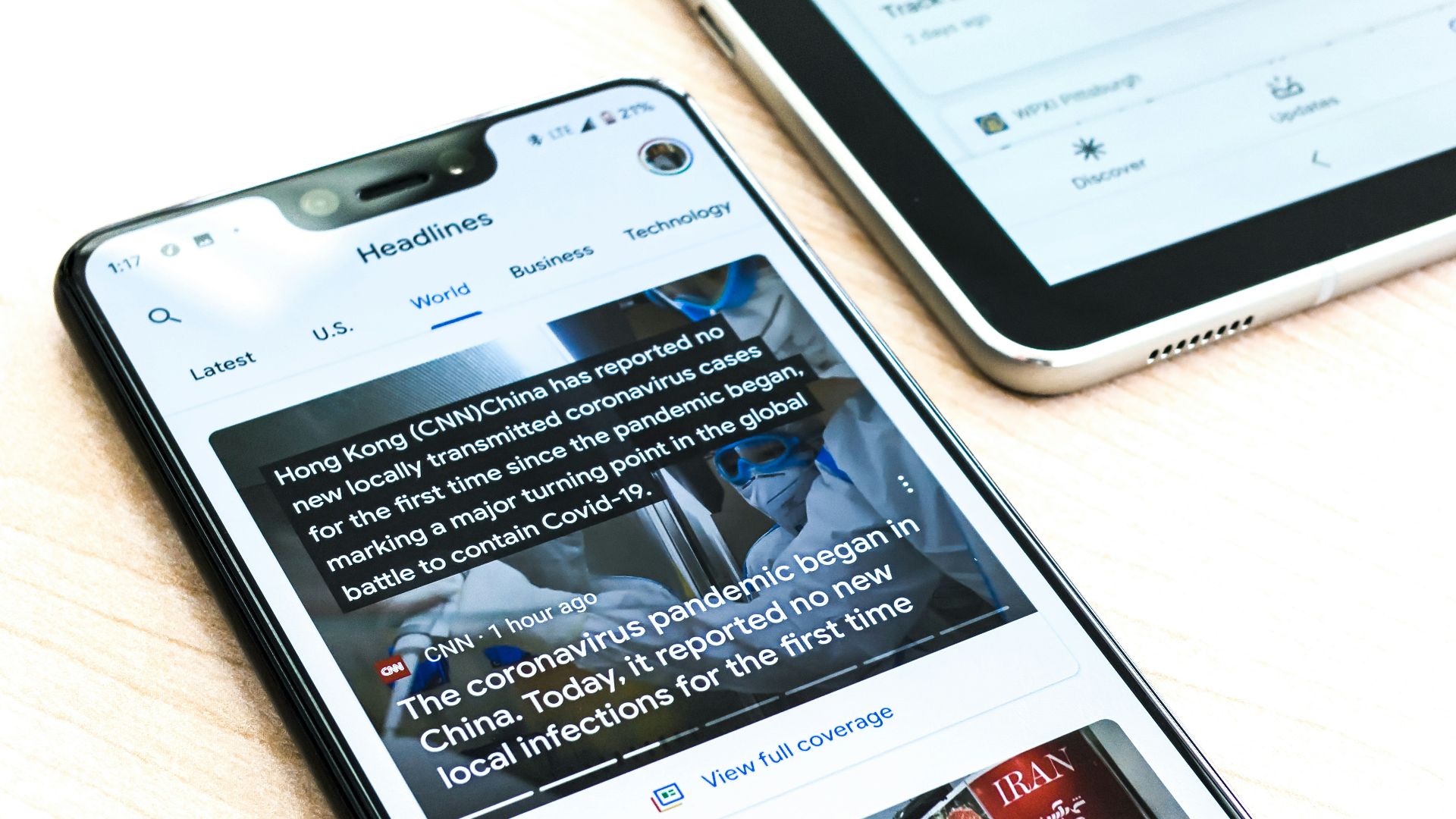
Now that alarming headlines, global crises, and scary world predictions are instantly accessible on your phone and available to read before you've even had breakfast, teens are more aware of social, political, and economic issues than ever before. It's good to be in the know, but this awareness can also weigh them down.
6. Privacy Is Much Harder to Keep
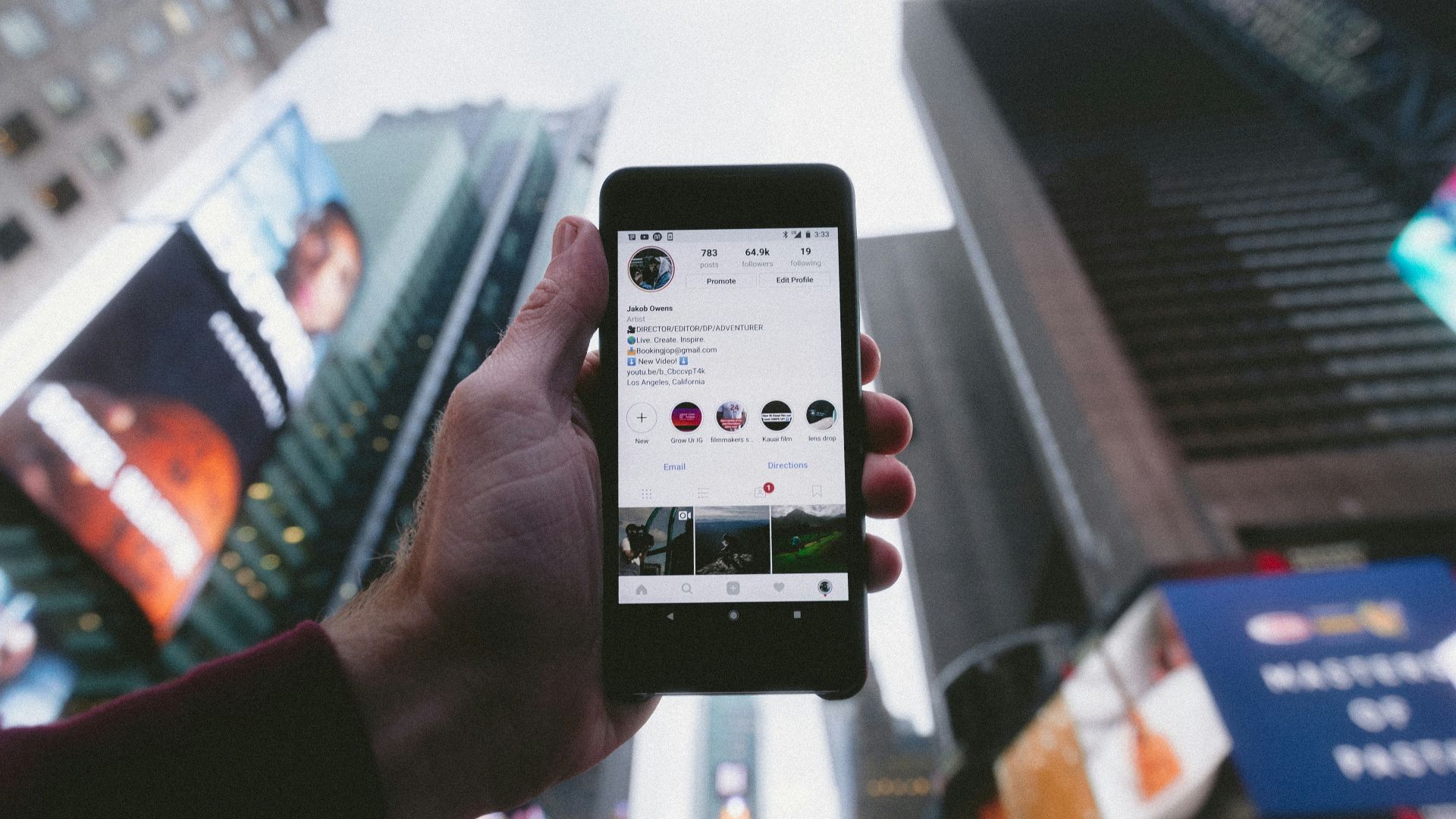
Back in the day, any teenage mistakes you made (which were probably many) stayed local and within the small groups of whoever witnessed them. But today, location sharing, posting photos and stories, and tagged videos, all make our digital footprints far bigger. One wrong upload and people around the world might just see your most embarrassing moment.
7. Beauty Standards Are More Immediate and More Aggressive
Beauty standards were present back in the day too, but they're just more aggressive than ever before. Heavy editing, filters, influencer culture, and much more all work against teens and their perceptions of themselves. It's impossible to ignore as well, with how much of that content gets thrown their way every day.
8. Downtime Barely Feels Like Downtime
Teens these days are often reachable all the time, which means school updates, messages, trends, and social expectations keep flowing in. A lot of teens are technically resting while still feeling mentally on call.
 Andrew Patrick Photo on Pexels
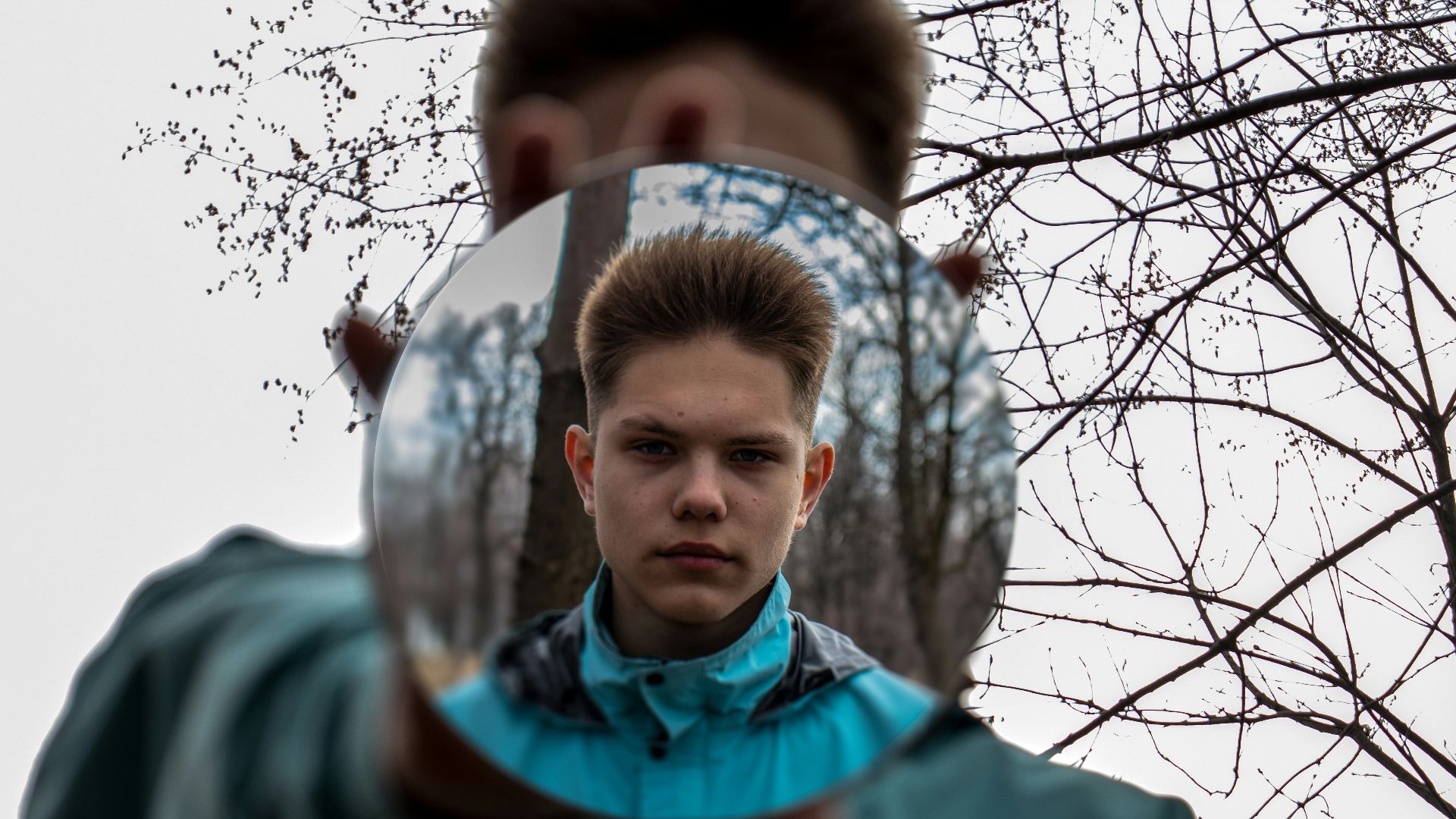
9. Identity Questions Are More Public Than They Used to Be
Every teenager goes through phases of figuring out who they are, what they believe, and where they fit, but what's different now is that those questions often play out in visible, searchable spaces. Trying to grow up can often feel more like a public, social statement these days, and that makes personal growth very difficult.
10. Bullying Can Follow Them Everywhere
If you're unfortunately a victim to bullying, you don't have the luxury of escaping just by leaving school. For teenagers today, they may continue to receive terrible texts, comments, or even anonymous accounts built to ridicule them. The internet has taken bullying to another level, sadly.

1. You Had Less Access to Mental Health Support
Although teens today still face major obstacles around mental health, awareness is far better than it used to be. Back in the day, many struggles were brushed off, and just talking about your mental problems were considered taboo. As a result, you likely had fewer tools to understand how to combat your issues.

2. Getting Information Took More Work
Curious about some niche question? Need information on some historical figure for a school paper? Today, you can look things up in a matter of seconds. But when you were a teen, you had to rely on going to the library, flipping through books, or finding someone you could ask directly. It sure took a lot longer back then.

3. Staying Connected to Friends Was More Complicated
If you lived far away from a friend, staying connected was rather difficult. Making social plans required house calls, answering machines, or even handwritten mail! If you missed the window for a response, you might just be out of luck.

4. Fitting In Often Meant Narrower Social Rules
Modern teens face intense pressures, but many of them are growing up in a culture that's at least somewhat more open about individuality. When you were a teen, the acceptable ways to dress, act, speak, and present yourself were often far more restrictive. A lot of people learned to hide harmless parts of themselves just to avoid attention.

5. Entertainment Options Were Much More Limited
Music, movies, games, and much more are so easily accessible to teens of today, but when you were young, it was much harder getting your hands on entertainment. You definitely couldn't just stay home if you wanted to have fun!
6. Mistakes Felt More Permanent in Other Ways
It's true that teens now leave digital records, but you dealt with a different kind of permanence. Reputations in school or town could stick for years because there were fewer chances to reinvent yourself or meet new circles. It felt nearly impossible to easily find a fresh start without physically leaving the environment.

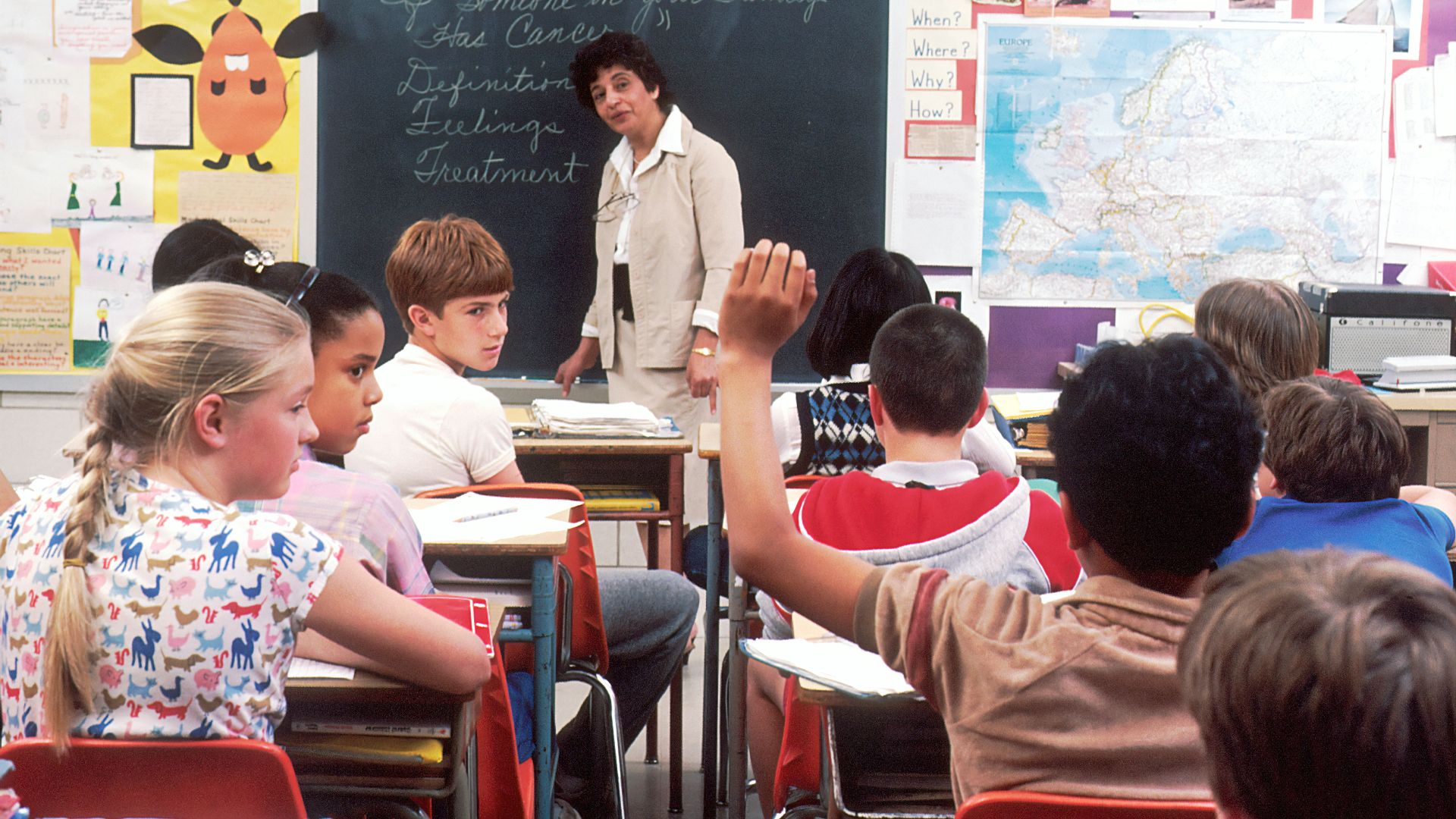
7. Parents and Schools Could Be Less Flexible
Strict rules are still around, but expectations around parenting and education have shifted to be a bit more flexible. Adults used to have a much more defined set of rules when it came to leading, and that didn't leave much room for discussion or individual needs.
 National Cancer Institute on Unsplash
8. You Had Fewer Ways to Explore Future Paths
There weren't career videos, online classes, or social media reach before so you could learn about different potential future paths. There were just narrow views of what adulthood might look like because examples came from family, school, and local communities.

9. Being Different Could Feel More Isolating
While there are still plenty of challenges around acceptance, there's also more language, visibility, and connection for people who feel outside the norm. Unfortunately a few decades ago, being different could mean feeling like there was no one else like you anywhere nearby.
10. Adults Were Less Likely to Take Teen Problems Seriously
Being open about feelings and emotions were difficult back in the day. Older generations simply weren't as encouraging or understanding about teens feeling overwhelmed, heartbroken, or socially anxious. It could make personal problems feel difficult to navigate when you didn't have support behind you.